







Year-round gardening: Get in ‘Biggest Tomato’ contest
Fredricka Bogardus, Colorado Master Gardener
Hello, tomato! Rub your green thumb and consider entering the “Biggest Tomato” contest near the end of July at this year’s El Paso County Fair. There will be prizes for first and second place along with ribbons and, of course, bragging rights for a year. For information on how to enter, visit https://elpaso.extension.colostate.edu/.
Meanwhile, here’s your list of June gardening chores:
Early to mid-June
Water restrictions are in place. Water is still a precious commodity in Colorado and will be forever.
Early June is all about planting. Nasturtium, marigold, zinnia, sunflowers, hyacinth bean vine and morning glory seeds can be sown directly in the soil.
Check containers daily, watering when necessary; they can dry out quickly. Protect hanging containers from high winds. Take them off the hook and set them on the ground.
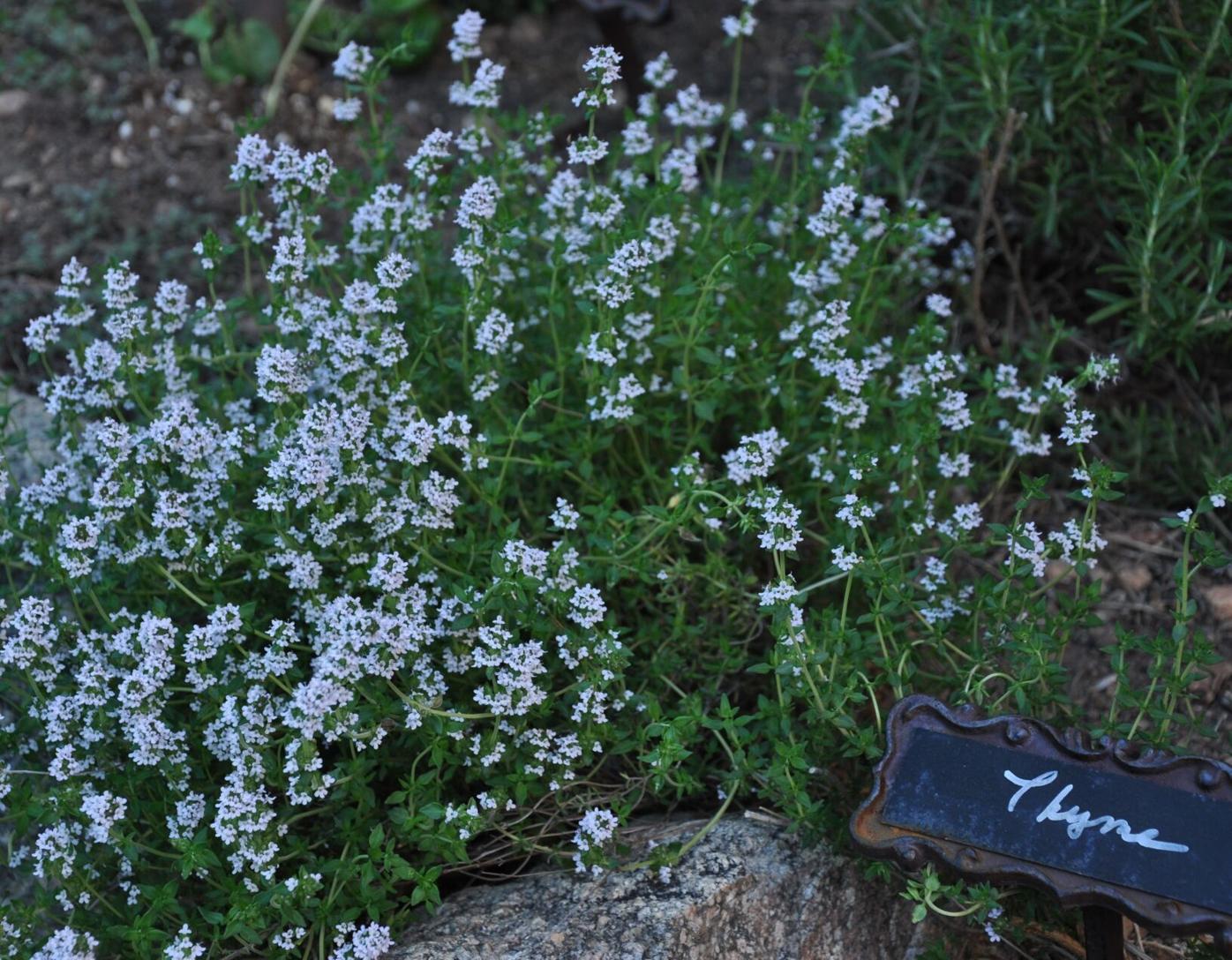
Herbs like basil, chives and parsley, to name a few, can also be grown from seed. Most herbs need no fertilizer and little water. Cut herbs early in the morning and harvest just before flowering.
Mulch 2-3 inches to retain moisture and reduce weeds. Stay on top of weeds before they get out of hand.
Transplants of tomatoes, cucumber, summer squash, and pepper can be planted early June. Plant tomatoes deep. Remove the lower leaves and bury two-thirds of the plant underground so the plant has a better root system. New roots will grow along the buried stem and you’ll have a stronger, healthier plant.
Directly sow seeds of corn, lima beans, cantaloupe, pumpkin, watermelon and zucchini in early June.
Plant gladiolus corms in waves, weekly to extend the blooming period.
Lawn: if you haven’t fertilized yet, this is the time to do it. It is the first fertilization of the season.
Mid to late June
Regular garden maintenance begins. Deadhead perennials to encourage more blooms. Stake leggy plants like delphinium and foxglove.
Many fruit trees, especially apple trees, will shed small fruit around this time. It’s a natural thinning process called June drop. You can do additional hand thinning, spacing fruit 8 to 10 inches apart on branches; this will increase the quality of your harvest.
Harvest asparagus spears until they thin out. Leave some of the spears to grow into tall, fernlike plants that rejuvenate the roots for next year’s plants.
Control the spread of raspberry plants by cutting back sucker growth.
As lupine blooms fade, check the plant for aphids. An infestation of these tiny white creatures can occur overnight and kill the plant. Spraying plants thoroughly with an insecticidal soap should get rid of them.
Prune spring flowering shrubs such as lilac, weigela and forsythia after they finish blooming.
Pinch back aster and mums for bushier plants and more flowers this fall.
Lawn diseases become noticeable as June progresses. Three of the most common diseases in Kentucky bluegrass are ascochyta leaf blight, necrotic ring spot and dollar spot. If you have areas of lawn in stress or dying, bring a shoebox-size sample of half-dead, half-alive lawn to the Master Garden Help Desk during business hours and one of the volunteers will analyze the problem.
Email gardening questions to [email protected]. For more information, visit facebook.com/ ColoradoMasterGardeners.EPC. To sign up for classes, go to epcextension.eventbrite.com.
Email gardening questions to [email protected]. For more information, visit facebook.com/ ColoradoMasterGardeners.EPC. To sign up for classes, go to epcextension.eventbrite.com.