







GUEST COLUMN: Awareness grows of the risks of high-potency pot

Henny Lasley
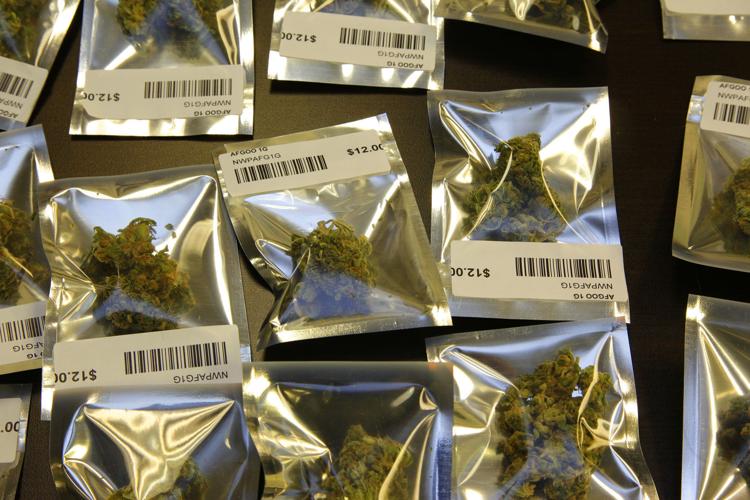
Commercial marijuana sales are down across our state.
Predictably, the marijuana industry puts much of the blame on House Bill 21-1317, a state law passed last year to protect young people from a new generation of hyper-potent products that harm growing brains.
If fewer kids are accessing these dangerous ultra-high-THC products, that’s a win. But is it also possible that adults are using less because they’re worried about their mental and physical health?
The Colorado Health Foundation recently polled 3,000 Coloradans and reports that “one-in-five young people (20%) have increased the amount of alcohol and drugs they consume and are worried about how much.”
An increase in substance use during the pandemic coincided with growing awareness of the risks of concentrated products, highlighted by this recent New York Times headline: “Psychosis, Addiction, Chronic Vomiting: As Weed Becomes More Potent, Teens Are Getting Sick.” Since our inception in 2013, after Colorado voters legalized recreational marijuana, One Chance to Grow Up has solely focused on the impacts of marijuana commercialization on those under 21.
So we anticipate the biannual Healthy Kids Colorado Survey with much interest. The latest edition, released June 15, compiled responses from over 50,000 middle- and high-school students across our state.
According to the results, the current marijuana use rate dropped from 20.6% to 13% among high schoolers. Excitement over that positive trend was tempered as, the release noted, teens faced “social disruption” when the survey was conducted. In other words, a once-in-a-lifetime pandemic impacted behavior in ways that may not continue. Other survey trends continue to sound alarm bells. Youth who use marijuana regularly reported no drop in those who usually dab ultra-potent THC (the chemical in marijuana that makes users high) and there was a significant increase in those who vaporize THC.
Almost 9% of all high school students had dabbed or vaped THC in the past 30 days.
The Colorado Department of Public Health and Environment’s 2020 report, ”THC Concentration in Colorado Marijuana,” offers two possible answers as to why Coloradans may be worried about marijuana use.
“THC, a component of marijuana, can cause acute psychotic symptoms such as hallucinations, paranoia, delusional beliefs and feeling emotionally unresponsive during intoxication.”
“High THC concentration marijuana use by adolescents and young adults is associated with continued use and development of future mental health symptoms and disorders.”
The report also highlights that the risks and harms increase with higher THC potency, amount consumed, and frequency of use.
These are reasons the Colorado General Assembly passed HB21-1317.
The law created a world-class panel of scientific experts, along with independent public health experts at the University of Colorado Anschutz Medical Campus’ School of Public Health, to conduct a “systematic review of all available scientific evidence-based research regarding the possible physical and mental health effects of high-potency THC marijuana and marijuana concentrates” while also being required to make important “recommendations on regulatory measures” to address gaps.
This Scientific Review Council and the School of Public Health will report preliminary findings and policy recommendations by July 1 to guide future legislation and regulation.
The legislature will then consider the recommendations to best protect the future of Colorado’s next generation.
This will require leadership and courage of our state’s elected officials. As the nearly unanimous legislative support of HB21-1317 showed, marijuana policy is a health issue and not a partisan issue. Young people need to know that elected officials have their best interests at heart when considering this body of evidence.
The marijuana industry is quick to tell its sob story of declining sales but slow to accept the growing body of research that its products can present a great danger to the next generations.
After its products helped fuel the youth vaping epidemic, Juul has been finally taken off the market by the U.S. Food and Drug Administration. Should we mourn the loss of Juul’s profits or celebrate that fewer kids will now get hooked on nicotine? Will the marijuana industry face the science and embrace common-sense regulations to protect teens or will it follow Juul’s path?
Henny is one of the co-founders and serves as the executive director of One Chance To Grow Up. For additional information, go to www.onechancetogrowup.org
Henny is one of the co-founders and serves as the executive director of One Chance To Grow Up. For additional information, go to www.onechancetogrowup.org