





Police vow to release body-worn camera footage of Sunday’s shooting that injured 7
THE DENVER GAZETTE
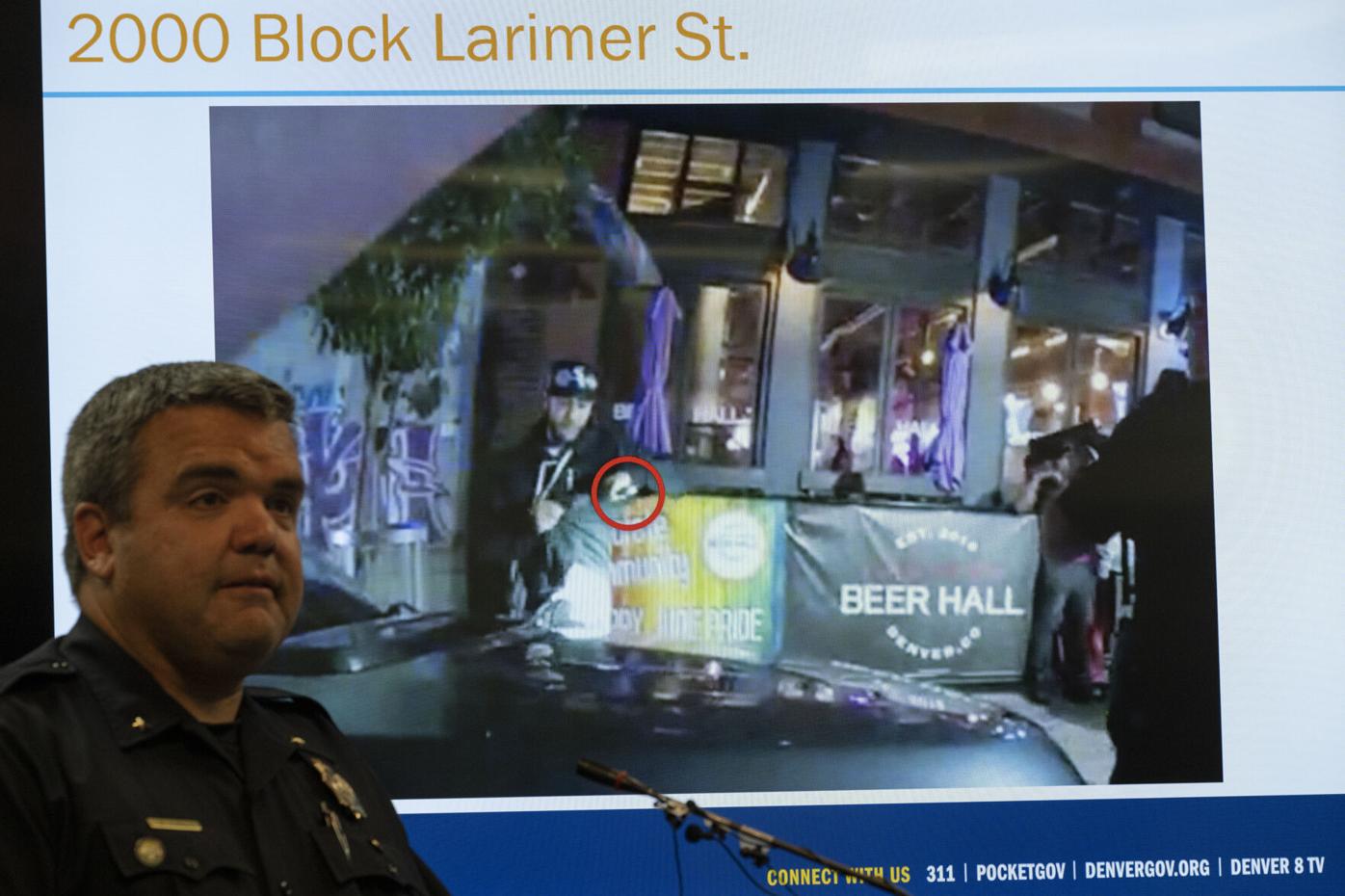
The imminent release of body-worn footage of a police shooting that injured seven people early Sunday morning will serve as an important step in helping the public understand how the incident unfolded.
Colorado law, however, leaves a significant amount of discretion in the decision to release body camera footage to law enforcement agencies, a situation that often frustrates media organizations and other members of the public.
Sunday’s incident triggered requests this week for body cam footage from several news outlets. Within minutes of receiving one from The Denver Gazette, the city’s Department of Public Safety denied the request Monday for footage from body-worn cameras, city-operated surveillance cameras and the names of the officers involved , citing the ongoing investigation.
Officers fired seven rounds at 21-year-old Jordan Waddy when he brandished a gun at them, which left Waddy and six bystanders injured, according to the police’s version of the incident. Waddy remains in the hospital.
The shooting raised questions about how each person was injured and the police department’s policies around firing when bystanders are present.
Denver police on LoDo shooting: Things could have been done differently
The police department announced Wednesday that body cam footage will be released once the Denver district attorney has filed charges against Waddy, who has been arrested on suspicion of menacing and possession of a weapon by a previous offender.
“It’s not too hard to see there’s tremendous public interest in understanding as much as possible about what happened,” said Jeff Roberts, executive director of the Colorado Freedom of Information Coalition, which publishes an annual guide to the state’s sunshine laws.
A law passed in Colorado last year seeks to bolster the public’s ability to access body-worn and dash camera footage. House Bill 21-1250 requires release of video and audio recordings of incidents within 21 days of a request in which there is a complaint of misconduct leveled at a peace officer made by a civilian, nonprofit or another peace officer. The release can be delayed until 45 days if it “would substantially interfere with or jeopardize an active or ongoing investigation.”
“The triggering factors are: a complaint of alleged officer misconduct and a request for the [body worn camera footage] with reference to HB21-1250 which occurred today,” wrote the Department of Safety’s records administrator, Andrea Webber, in an email.
Bond set for man shot by Denver police in LoDo; DA asks for more time to file charges
Last year, a local TV reporter learned that questions he posed to the Denver Police Department about officers’ response to a suspected kidnapping triggered an internal affairs investigation into their handling. That investigation, in turn, activated the new law. At the time, Webber said body cam footage of the incident would be released to the reporter within 21 days of him making a request.
An “ongoing investigation” is a common reason used by law enforcement agencies to deny the release of records, a broad discretion given to them under the Colorado Criminal Justice Records Act. The statute allows agencies to withhold criminal justice records if they find their release would be “contrary to the public interest,” a determination that requires them to weigh several factors when deciding to disclose the records, including the agencies’ interest in pursuing ongoing investigations.
“That’s the way our criminal justice records act has been set up, and for the public’s right to know, it can be a law that makes you wait some time,” Roberts said.
Unraveling Downtown Denver's latest violence reveals questions about police, suspect


Defense forum: Hegseth hails Trump as ‘true and rightful heir’ of Reagan
Wire Services
wire-services@denvergazette.com
Updated 26 minutes ago
David Zimmermann Washington Examiner Secretary of War Pete Hegseth called President Donald Trump the “true and rightful heir” of Ronald Reagan at a defense forum named after the former president in Southern California on Saturday. Speaking at the Ronald Reagan Presidential Library, Hegseth based the comparison on Trump...

Wire Services
Reporter

Trump launches investigation into whether anti-competition affects food affordability
Wire Services
wire-services@denvergazette.com
Updated 43 minutes ago
Jenny Goldsberry Washington Examiner President Donald Trump signed an executive order Saturday to establish a task force to “remedy any anti-competitive behavior” in the U.S. food supply. Attorney General Pam Bondi and Federal Trade Commission Chairman Andrew Ferguson will create the Food Supply Chain...
Wire Services
Reporter
Live updates: Broncos at Raiders
The Denver Gazette Sports staff
the-denver-gazette-sports-staff@denvergazette.com
Updated 13 minutes ago
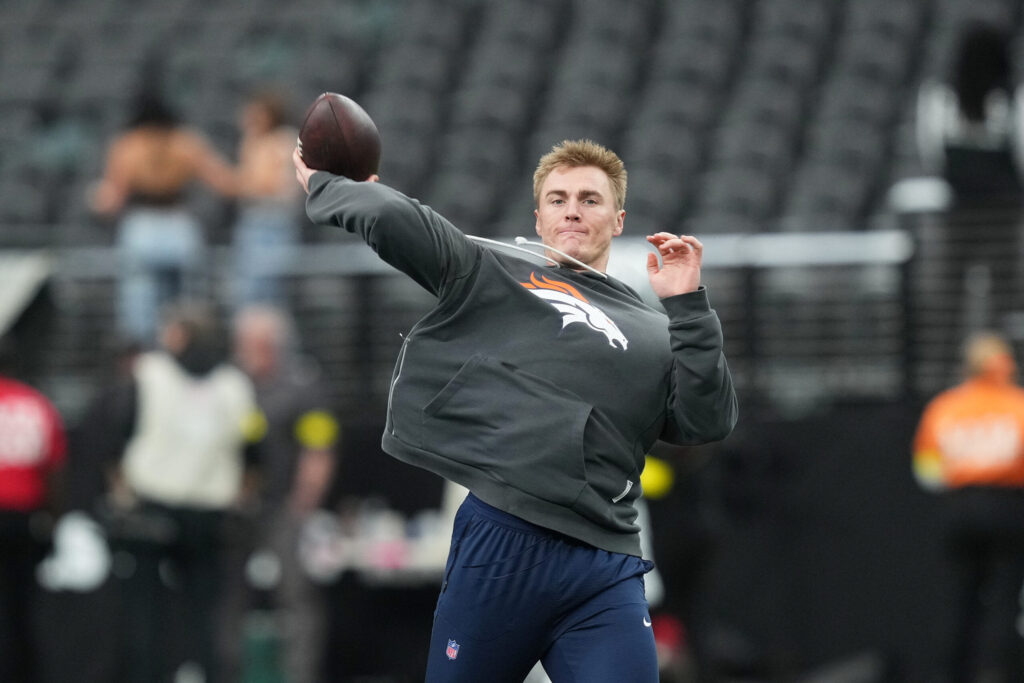
The Broncos (10-2) travel to Las Vegas to play AFC West rival Raiders (2-10) on Sunday. Kickoff is set for 2:05 p.m. on CBS. First quarter Raiders win the toss and the Broncos will start with the ball Pregame reading

The Denver Gazette Sports staff
Reporter

Puerto Rico salsa giant Rafael Ithier, who led El Gran Combo for more than half a century, dies
The Associated Press
the-associated-press@denvergazette.com
Updated 1 hour ago
SAN JUAN, Puerto Rico — Rafael Ithier, a beloved musician and a founder of the legendary salsa band El Gran Combo de Puerto Rico, whose hits have inspired Bad Bunny and other icons from the U.S. territory and beyond, has...

The Associated Press
Reporter

Broncos rookie D-lineman Sai’vion Jones active in place of injured D.J. Jones
Chris Tomasson
chris.tomasson@gazette.com
Updated 1 hour ago
LAS VEGAS – With defensive lineman D.J. Jones out with an ankle injury, rookie Sai’vion Jones was active for just the second time this season Sunday against the Las Vegas Raiders at Allegiant Stadium. Sai’vion Jones’ only previous game active...

Chris Tomasson
Reporter
Colorado peaks see over 20 inches of snow
piper.russell
piper.russell@outtherecolorado.com
Updated 16 minutes ago
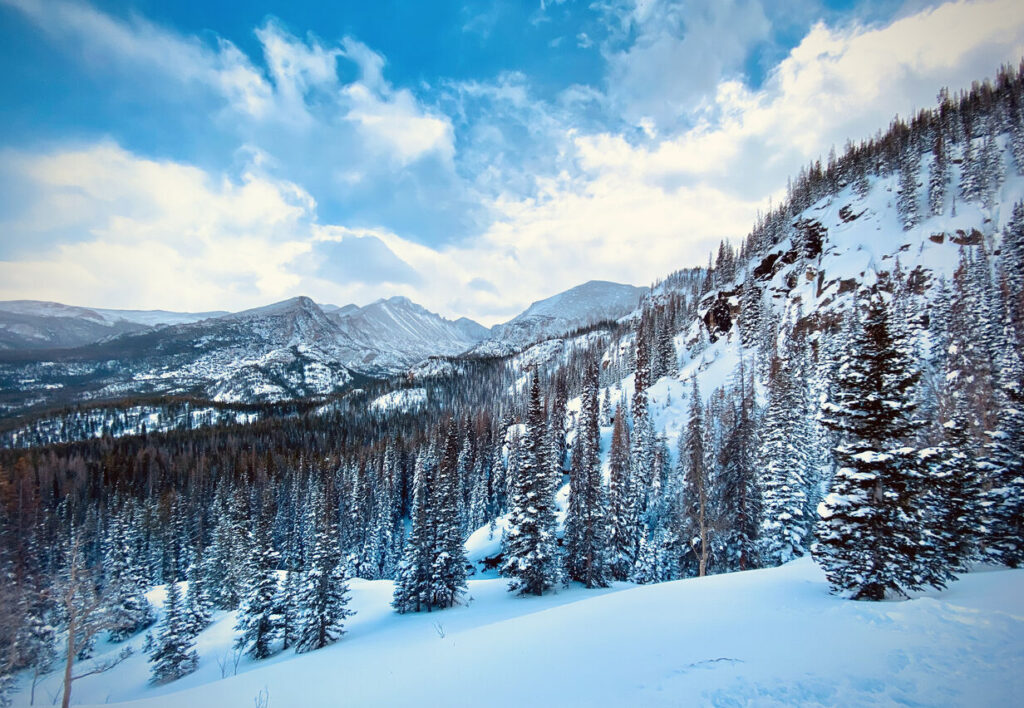
The recent snowstorm across Colorado has left the state with some impressive totals across some mountain peaks. Some peaks in the Park Range saw as much as 30 inches of snow over the past 48 hours, according to mapping from...

piper.russell
Reporter

Judge deals setback to DOJ effort to seek new indictment against Comey
Wire Services
wire-services@denvergazette.com
Updated 2 hours ago
The Denver Gazette wire services WASHINGTON — A federal judge has dealt a setback to Justice Department efforts to seek a new indictment against former FBI Director James Comey, temporarily barring prosecutors from using evidence they had relied on when...
Wire Services
Reporter

5 injured in head-on crash that closes Highway 285 near Conifer
Noah Festenstein
noah-festenstein@denvergazette.com
Updated 2 hours ago
A head-on crash between two vehicles southwest of Conifer on Sunday left five people injured and closed Highway 285. The Elk Creek Fire Department posted on social media just after 10:30 a.m. that two vehicles collided on Highway 285 at...

Noah Festenstein
Reporter
Trump slams pardoned Democratic congressman as ‘disloyal’ for not switching parties
Wire Services
wire-services@denvergazette.com
Updated 2 hours ago
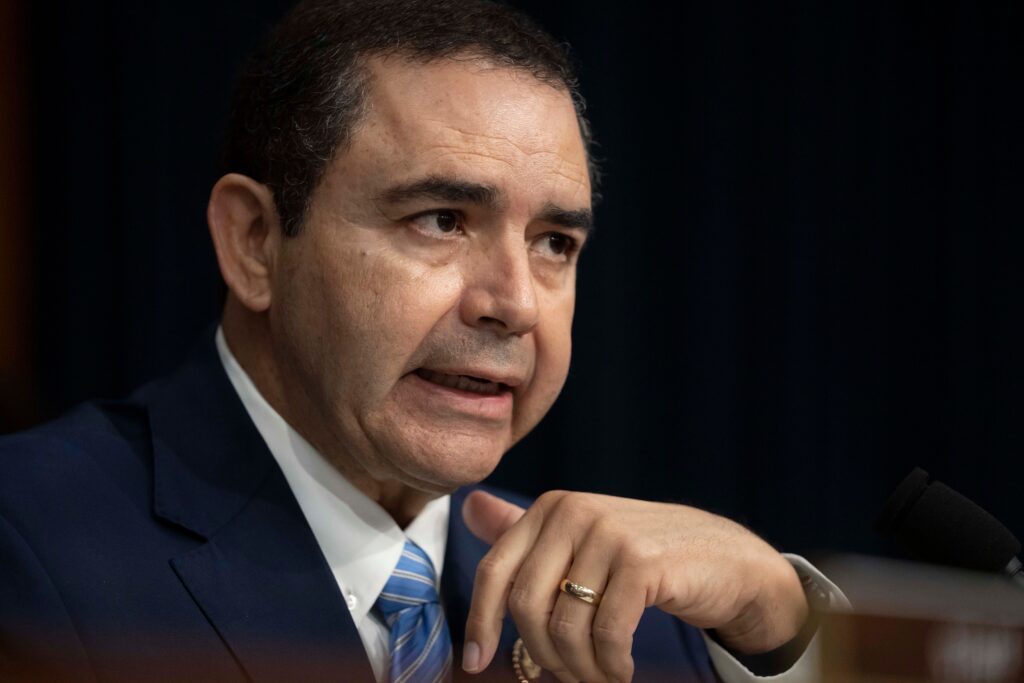
The Denver Gazette wire services Donald Trump is angry that Rep. Henry Cuellar is running again as a Democrat rather than switch parties after the president pardoned the Texas congressman and his wife in a federal bribery and conspiracy case....
Wire Services
Reporter

Bad reviews didn’t scare off the ‘Five Nights at Freddy’s 2’ audience
The Associated Press
the-associated-press@denvergazette.com
Updated 2 hours ago
“Five Nights at Freddy’s” has powered up the box office once again. The sequel opened in 3,412 theaters in the U.S. and Canada this weekend and far surpassed expectations with $63 million in ticket sales, according to studio estimates Sunday....
The Associated Press
Reporter