A butterfly oasis just beyond Denver

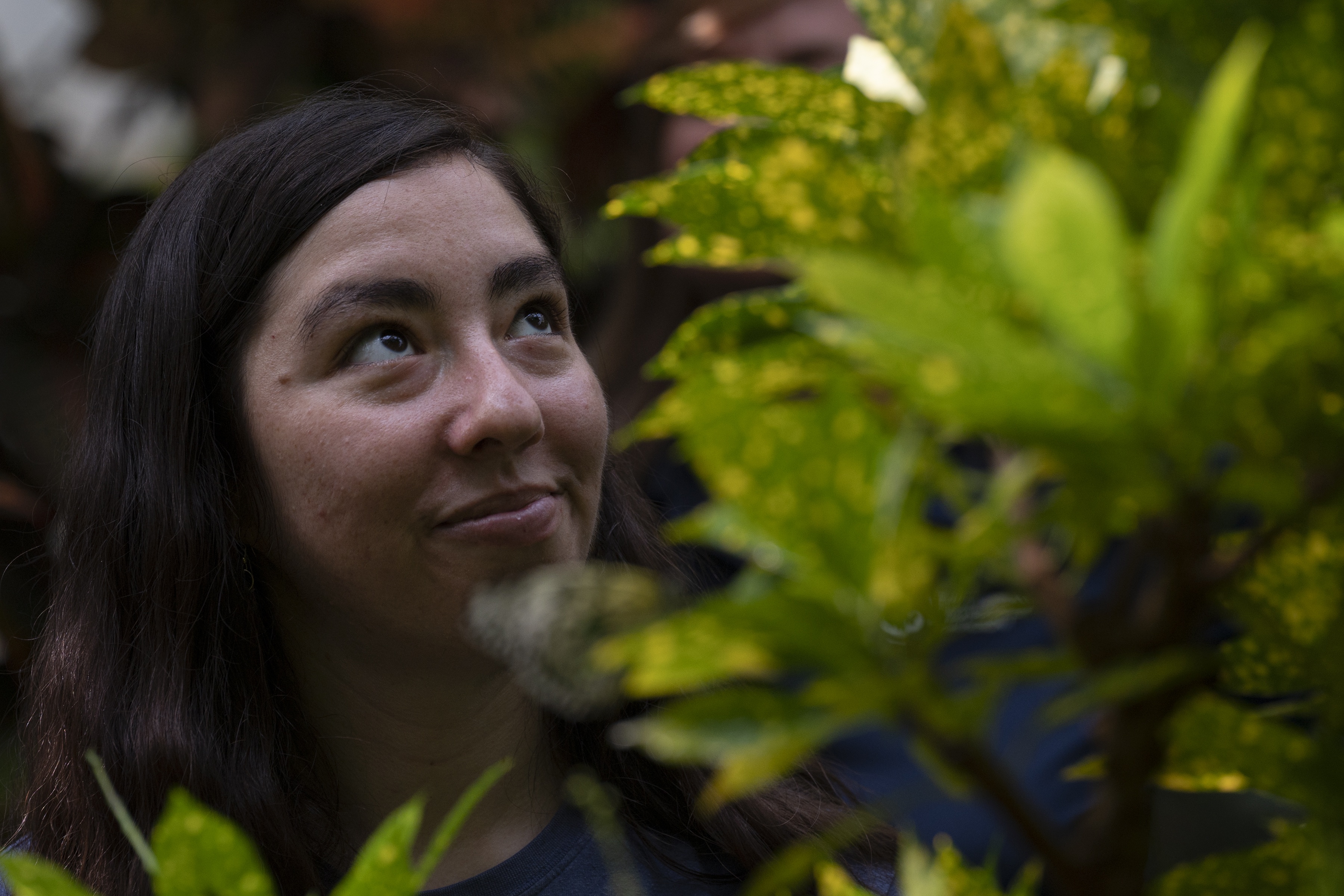
WESTMINSTER • A little more than a year ago in this Denver suburb defined by box stores and high-rise apartments and hotels, Shiran Hershcovich walked into a world of butterflies.
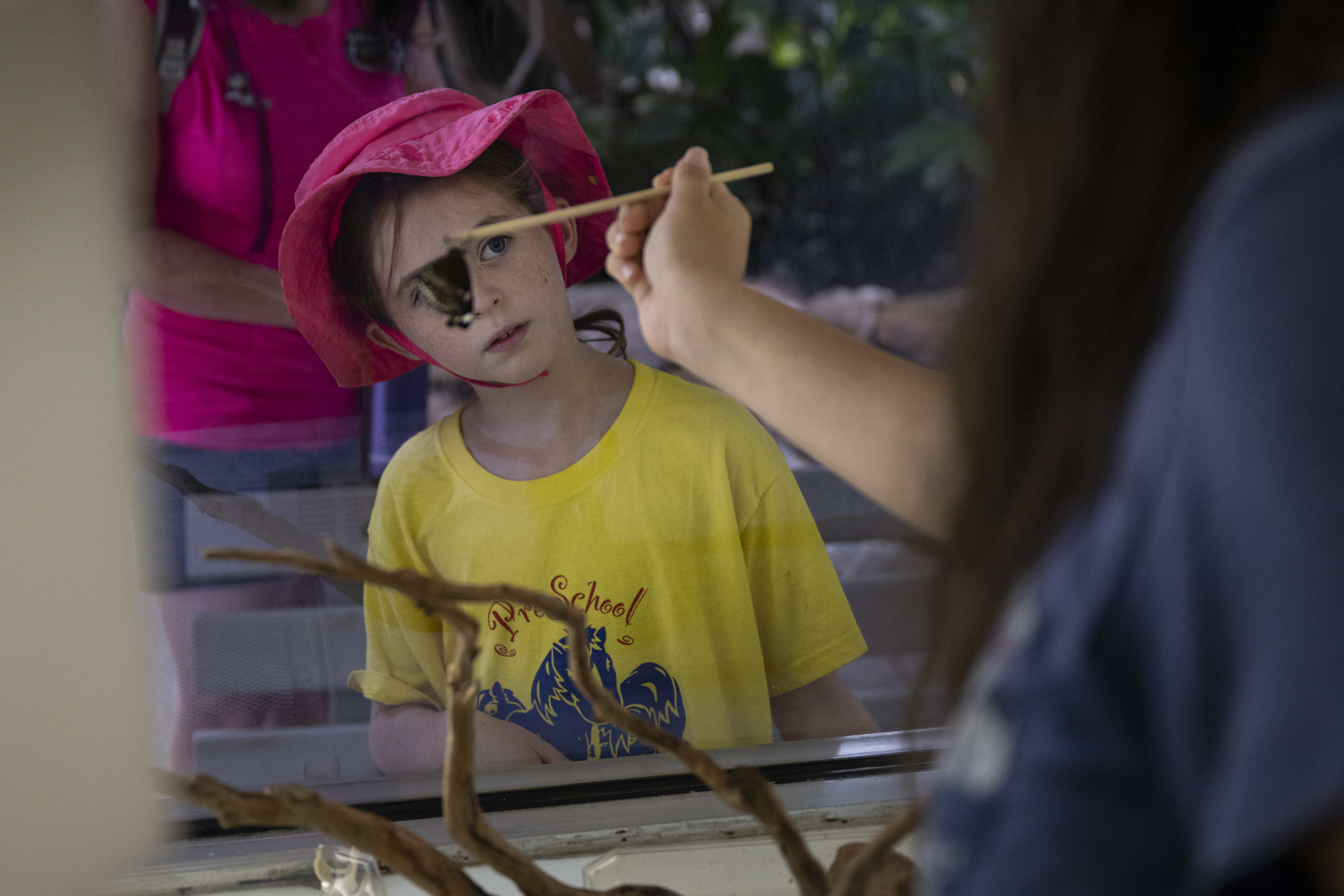
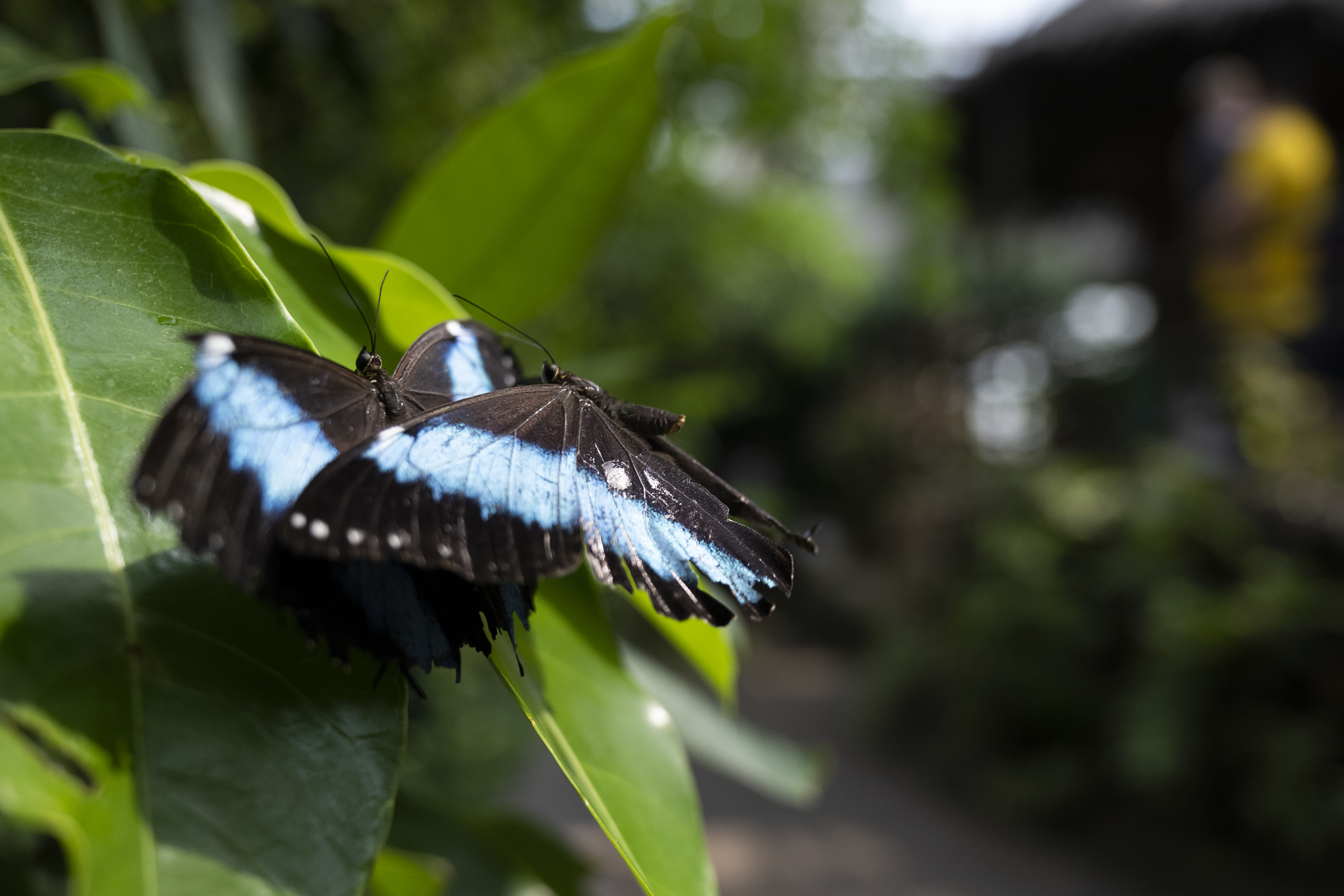
It was a 7,200-square-foot space of exotic greenery. Sunlight splashed through the canopy and mist sprayed, glistening like the Technicolor wings of beauties from all around the world, hundreds of them dancing from tree to tree, from shoulder to shoulder of amazed visitors. Hershcovich was one of them.
“My heart just skipped little beats,” she recalls. “I felt like I was home.”
Back home in tropical Panama, where as a child she flipped logs and rocks in search of tiny life. “I never grew out of that phase,” Hershcovich says.
That explains her career path as an entomologist. Explains her arrival to the research staff of Butterfly Pavilion, this microcosm of a world she has longed for: diverse and beautiful, a place for butterflies and all invertebrates to thrive and be admired.
It’s a place “that takes (people) out of their everyday, and puts them in the world of these creatures,” says Butterfly Pavilion CEO Patrick Tennyson.
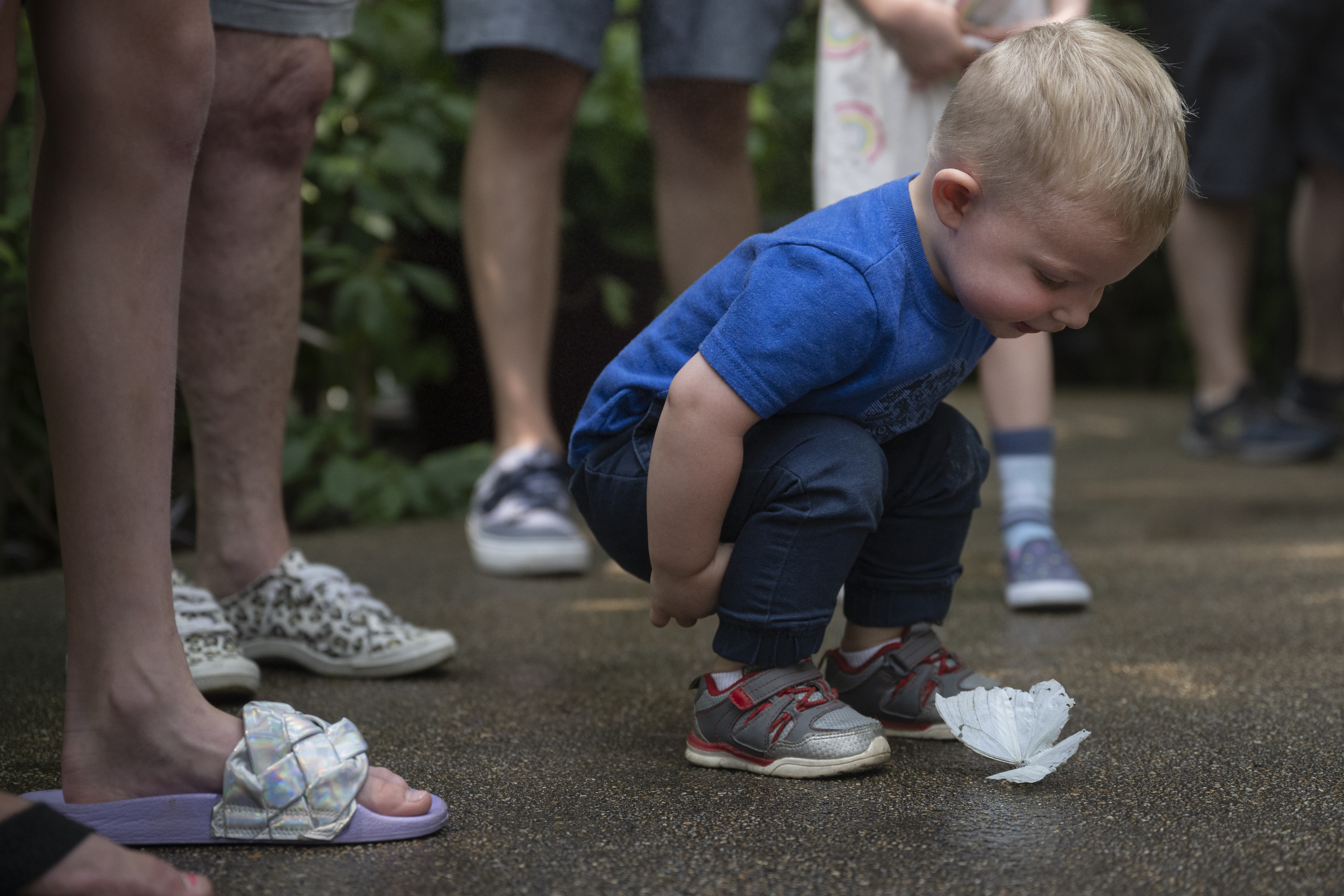
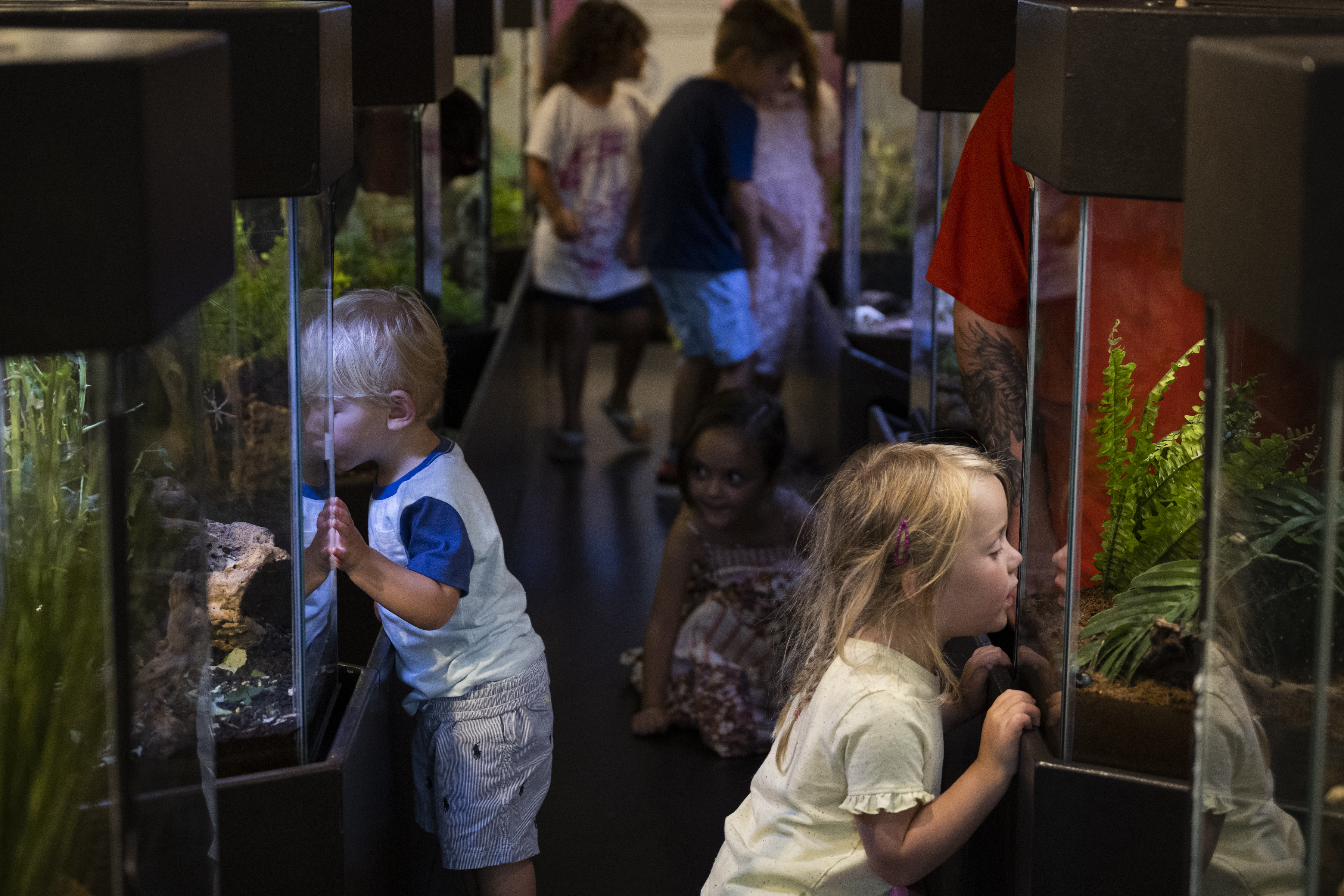
The exhibit called Wings of the Tropics is the main draw for upward of 350,000 paying guests a year. Most are parents with kids, like this little one now who brings his face close to a white morpho. The butterfly stares back and flutters.
The nonprofit organization’s marketing director, Jennifer Quermann, looks on and smiles.
“That’s what this place creates,” she says. “That wonderment.”
Into its 27th year, this place is proud to call itself the only invertebrate-focused zoo of its kind accredited by the Association of Zoos and Aquariums. Those are beings without a backbone. They’re said to account for 94% of the world’s animal kingdom.
That, along with their documented demise, underscores the importance of Butterfly Pavilion’s stated mission: to inspire the next generation of conservationists while researching ways to protect habitat globally.

The butterfly serves as a useful mascot, particularly the monarch, that recognizable symbol of elegance. Just as well, the monarch is useful in expressing the plight of bugs everywhere, noted by experts as a result of rampant development and climate change.
The monarch butterfly was recently added to the International Union for the Conservation of Nature’s “red list” and categorized as “endangered.” Depending on the measurement method, the agency estimates monarch population loss in the past 10 years alone to be between 22% and 72%.
All the while, scientists continue to note drastic loss among other pollinators fostering orchards and fields that grow our food. Other insects disperse seed, treat soil, clean water and feed other wildlife to maintain overall balance in the environment, explains the Xerces Society for Invertebrate Conservation.
As a 2019 study in the journal Nature Communications put it: “Invertebrates are central to the functioning of ecosystems, yet they are underappreciated and understudied.”

Butterfly Pavilion aims to fill the gap. And yes, while butterflies are the mascots, they are far from the only residents here.
“I always joke we would not have made it if we were called the Slug Pavilion,” says Amy Yarger, the organization’s horticulture director. “But I think one of our goals is that maybe someday people say, ‘Banana slugs are really cool, I want to see some,’ and people would be excited about a Slug Pavilion.”
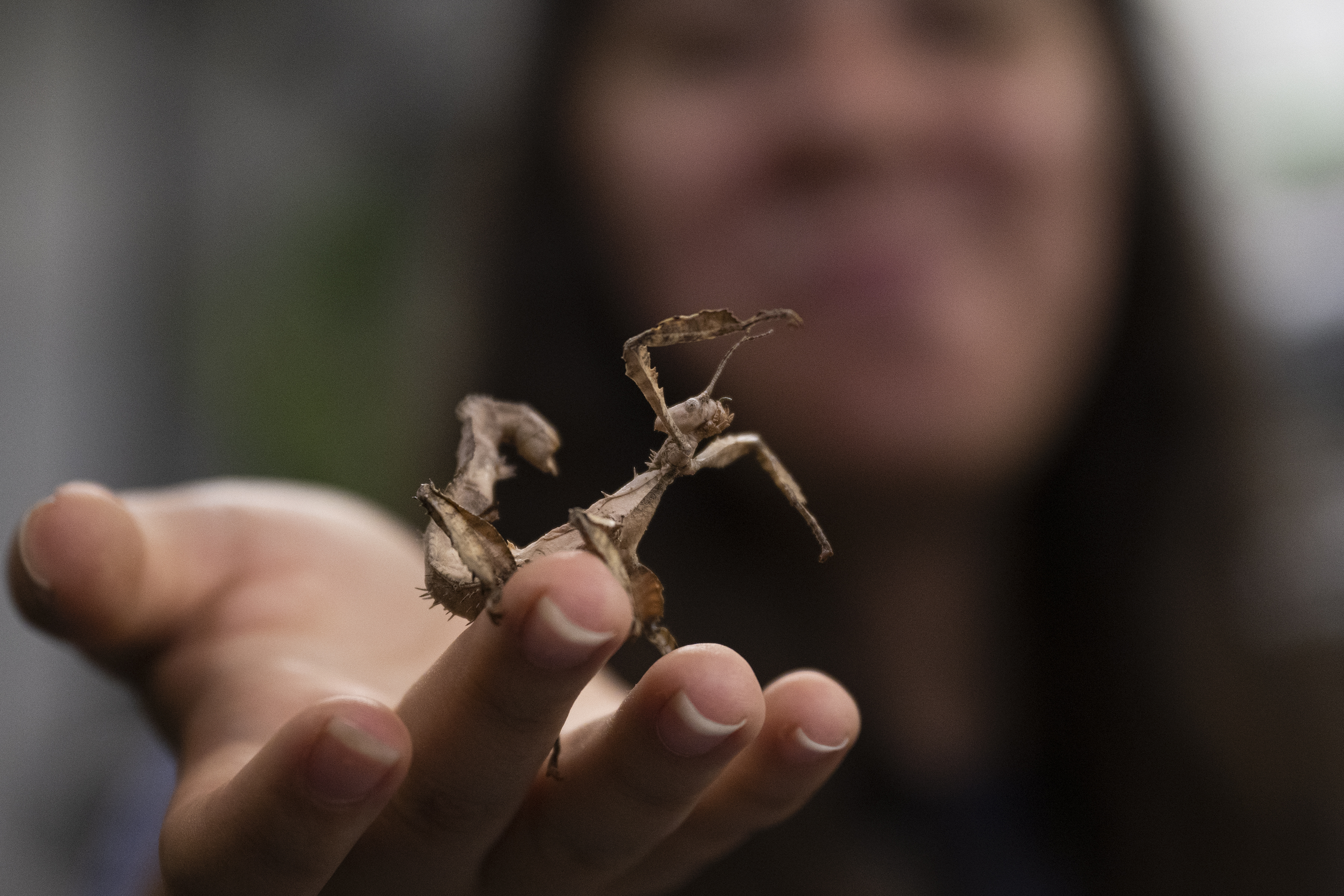
Here, people are excited and nervous to hold Rosie the tarantula. She lives in a showroom of other creepy crawlers: the thorny devil stick; the white-eyed assassin; the Hercules beetle and the more vibrant jade-headed buffalo beetle.

Back in Wings of the Tropics, Hershcovich points to a case keeping “butterflies’ misunderstood cousin,” as she calls them. These aren’t the moths Coloradans are used to seeing. They are the palm-sized atlas moths from Southeast Asia, their wings a big palette of orange, red, yellow and purple.
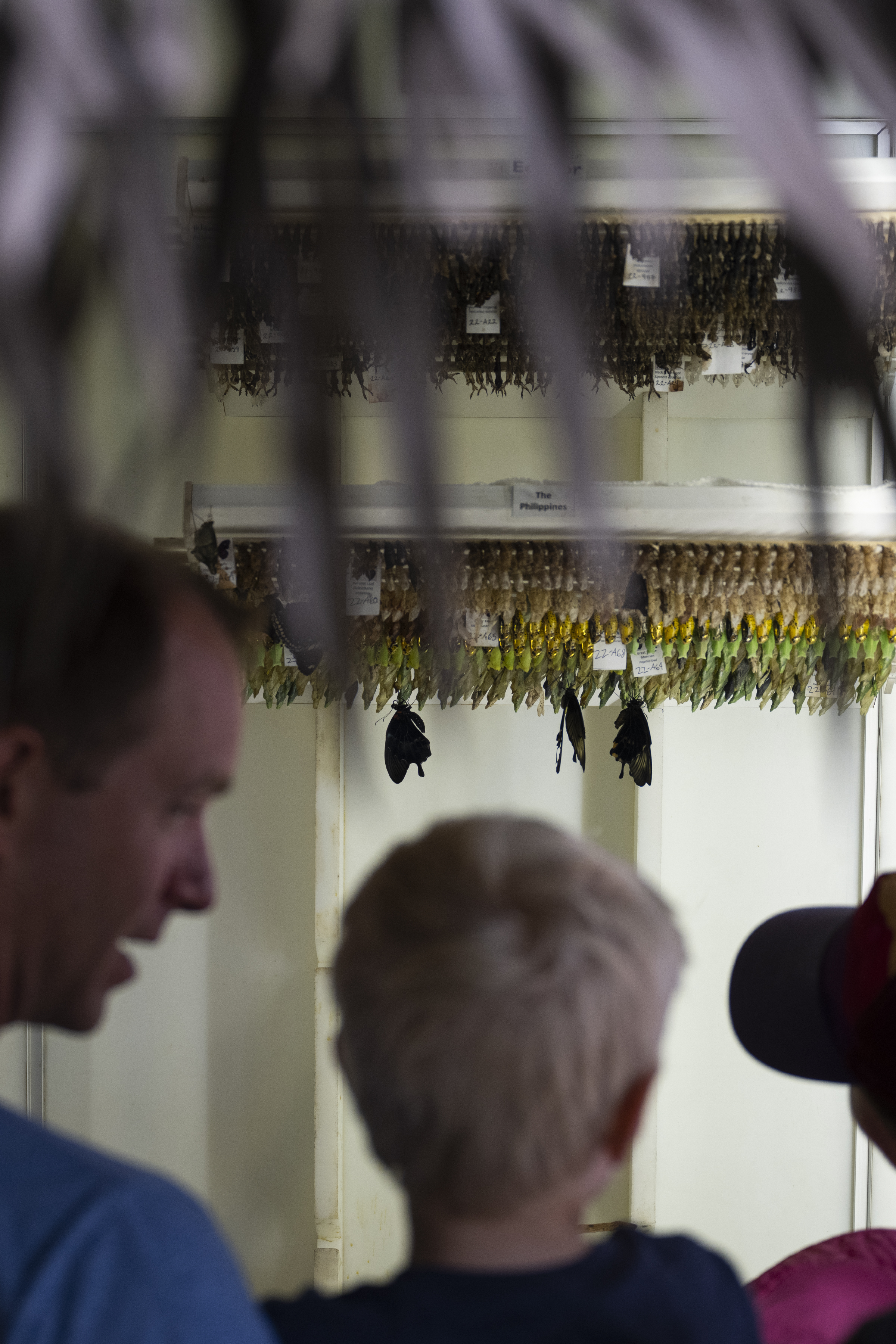
Near them is the keep of chrysalis, the brown and green and gold shells from which butterflies hatch before the widened eyes of observers, bound for flight around them. They come from farms around the planet: Florida, Ecuador, Costa Rica, El Salvador, Malaysia, the Philippines, Kenya.
Between the trees, Hershcovich spots the lime-green spotted tailed jay. She says it’s a butterfly from Sumatra, where she’s helping on a program converting poachers into conservationists.
“Whenever I see one, I feel regenerated and inspired,” Hershcovich says of the tailed jay. “To me, it’s a sign of hope and progress.”
Fellow colleagues see signs like that in other initiatives. Yarger, for example, has helped coordinate an effort in Manitou Springs to be a certified “pollinator district.” The certifications, Yarger has said, are meant to be Butterfly Pavilion’s answer to the question: “How do we put habitat back to increase biodiversity?”

She’s seeking to do that, too, alongside developers and miners. Over the past couple of years, Butterfly Pavilion has contracted with those kinds of enterprises to provide guidance, Tennyson says.
“We have to engage all walks of life in conservation, so we do that through education and collaboration with industry,” he says. “Typical organizations that are perceived as land extraction companies, destructive entities, we get them to do their job in a more ecologically friendly way, and embrace the methods of caring for the land they’re developing.”
That’s the goal at Baseline, the emerging neighborhood north of Westminster. Amid this suburb’s boom, Butterfly Pavilion has plans to move there and open a new facility in 2025.
The plan is to more than double in size and create “biomes” beyond just a bigger rainforest — a desert and ocean, too. It’s envisioned as a haven for even more invertebrates, even more discovery.
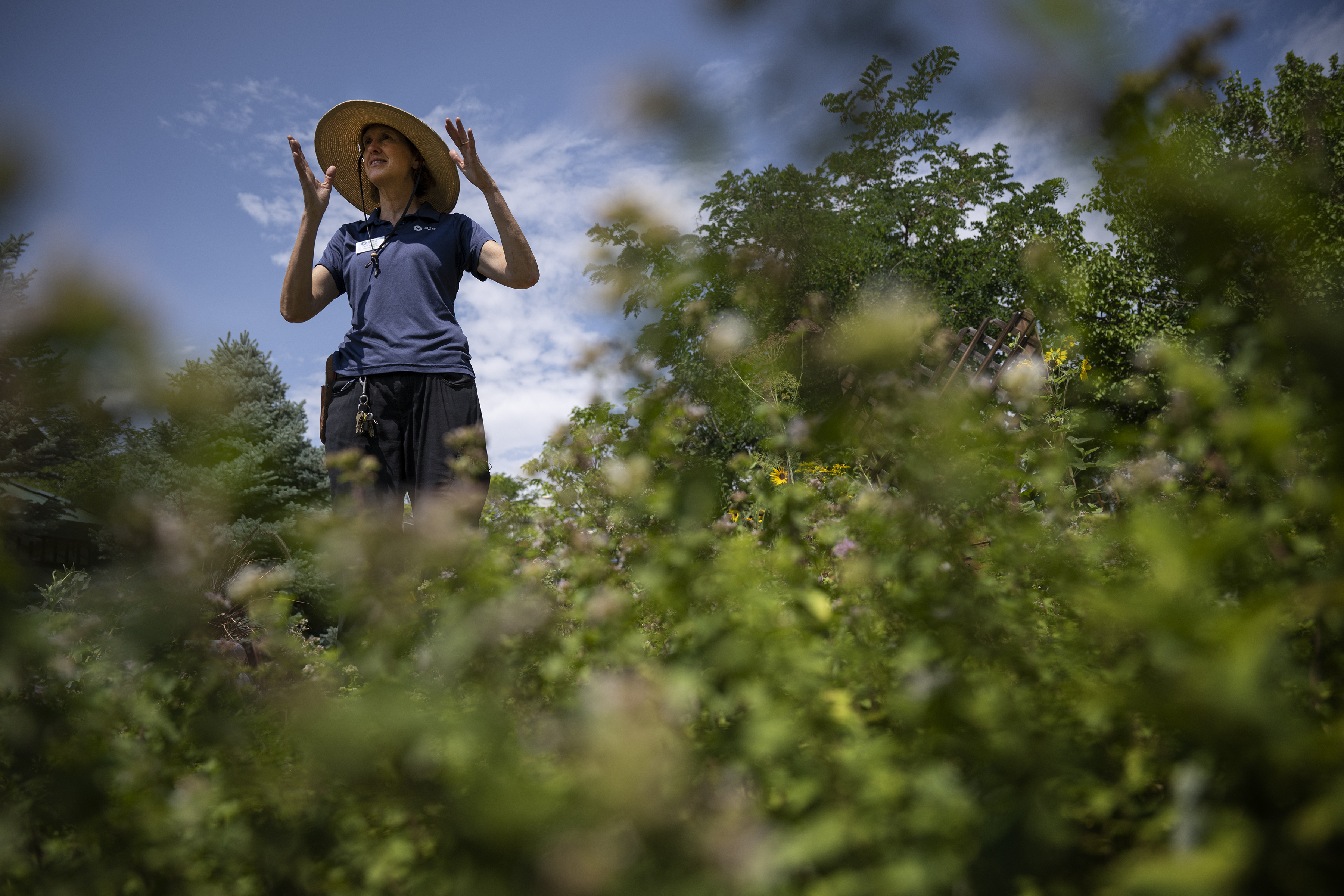
Meanwhile, discoveries are ongoing at the current location. After 20-plus years here, Yarger spotted something out in the garden she had never seen before: A green fly landed on a sunflower.
“You’d think I would’ve seen everything by now, but nope,” she says. “Now I’m gonna have to figure out what it is.”