







As renter evictions level out, advocates urge protections
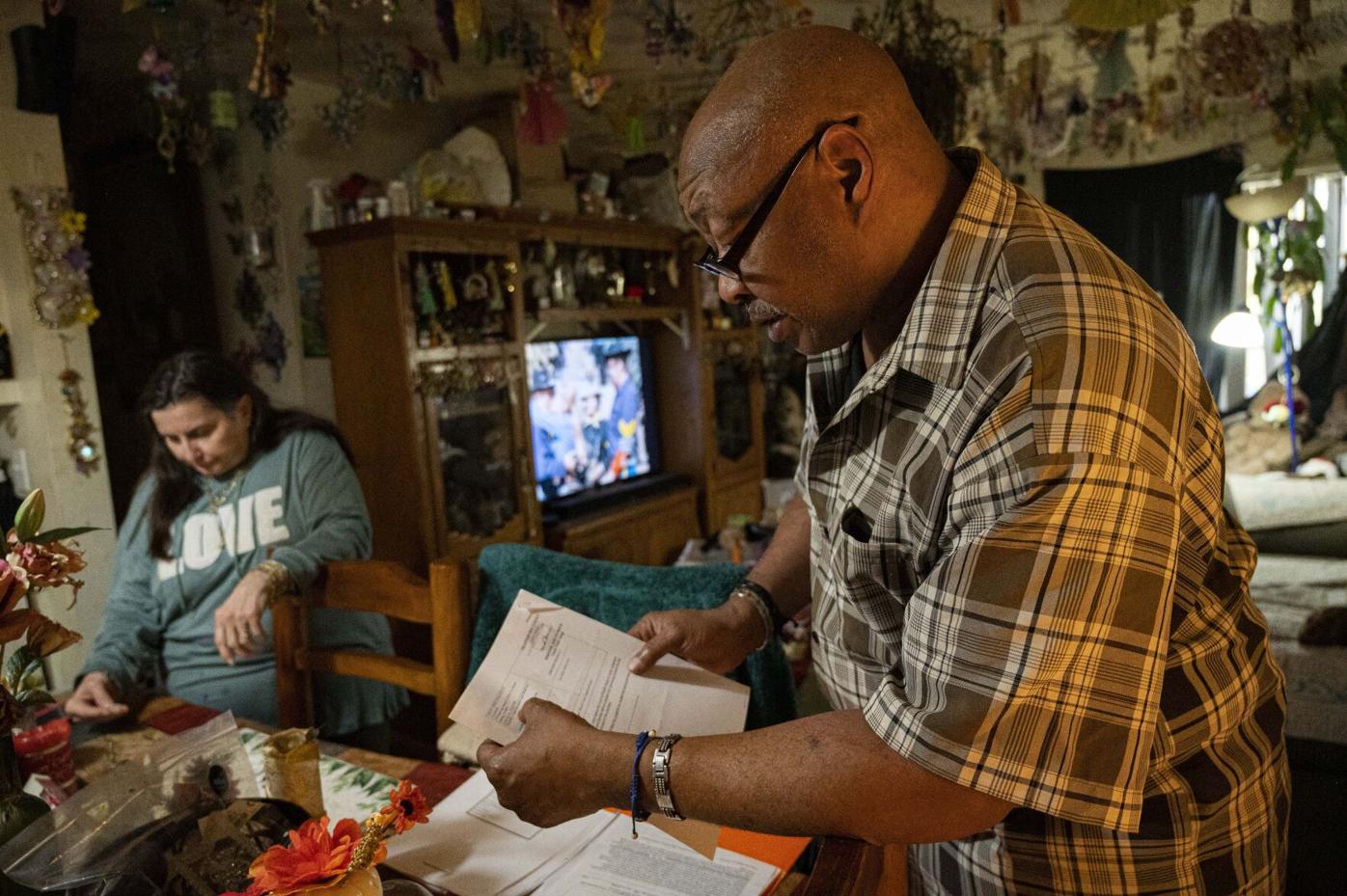
Christian Murdock/The Gazette
New data from state and Denver County courts suggest that renter evictions are once again rising to their pre-pandemic level in Colorado but are leveling out at what had been a relatively stable range for two decades preceding Covid-19.
“It’s been a very stable return to normality and flat over the last four months,” Drew Hamrick, general counsel for the Colorado Apartment Association, said in a statement that accompanied the report.
As federal pandemic funding assistance for renters wanes following the virus and its pandemic-induced shutdowns, poverty and homeless advocate groups warned of a possible wave of evictions that could follow a cutoff of funds.
The new numbers, however, don’t support such a trend.
Combined data from the past 12 months show that eviction filings have risen from 2,623 for the month of October 2021 to a crest of just under 4,000 during early to mid-summer, then dropping slightly last month to 3,871 filings. The normal sum of pending evictions filed in the state has consistently ranged from more than 3,000 to around 4,000 cases during the past 20 years, according to the apartment association.
The state of Colorado and Denver County compile eviction cases separately. Less than 15% of filings, around one case in seven, end up in a physical eviction from a property, Hamrick noted.
Meanwhile, advocates on behalf of renters said that eviction filings had declined over the course of the pandemic because of a combination of factors, including a drop-off in proceedings as courts closed down, emergency measures that temporarily prevented evictions, and the availability of special renter assistance.
Jack Regenbogen, staff attorney with the Colorado Poverty Law Project, said federal money helped.
“If it wasn’t for federal funds, the (eviction numbers) would have been much higher,” Regenbogen told The Denver Gazette.
Regenbogen noted that court filings are not an accurate rendering of how many renters are actually displaced when landlords threaten eviction.
“This isn’t the full picture,” he said.
Some national studies suggest two out of three evictions are never actually filed because renters will often evacuate a property after a mere threat of eviction.
“If in a month there were 750 evictions filed in Denver, the number is actually much higher,” Regenbogen said. “In the majority of cases, a person voluntarily leaves without the court even knowing about it.”
Apartment industry advocates were quick to point out that renter support remains available from the American Rescue Plan Act, but that funding is one-time money.
“What has people scared is that we could be going into the final stages of assistance,” said the Poverty Law Project’s Regenbogen. “We don’t want to revert back to the pre-pandemic.”
He cited landlord-tenant laws as an area in need of attention to provide greater tenant protections.
“We’re hoping policymakers keep showing the same leadership they have in the past. We hope they don’t see this as mission accomplished – that when the legislature reconvenes, we’re hoping to see them prioritize not just on financial support, but policy changes.”
Denver city voters will find a measure on their Nov. 8 ballot introduced by renter advocates that would tax larger landlords $75 per rental unit yearly to provide free legal representation to tenants facing evictions.