




A legendary, breathtaking drive in Colorado often missed
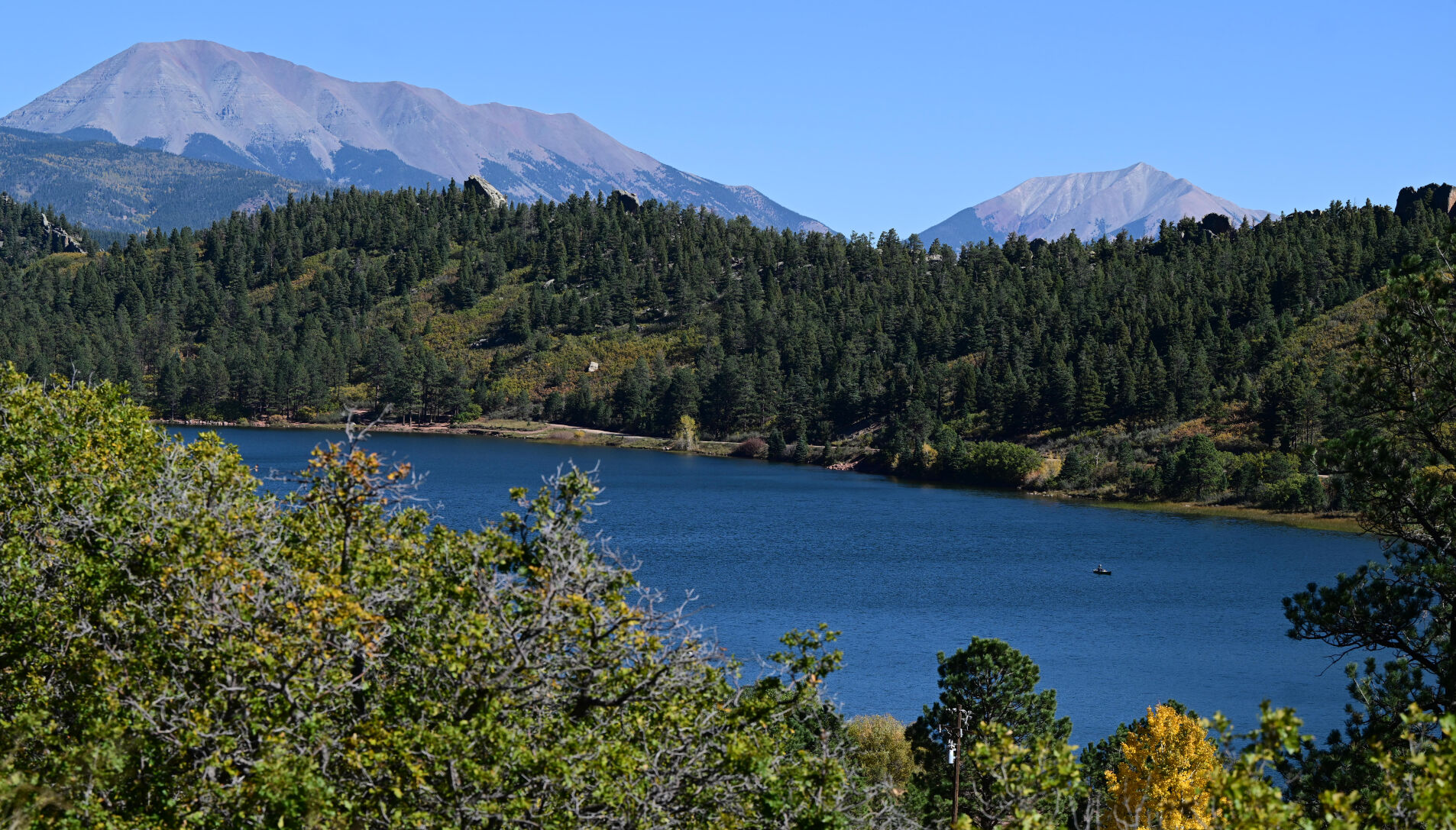
HUERFANO COUNTY • When Debra Malone and her husband were searching for a new home away from the city, she found herself driving through a dreamscape of southern Colorado. Hardly any other cars were on the road. They about had it all to themselves: hills of piñon and juniper; higher forests of pine and aspen; snow-streaked peaks and glistening lakes and little, forgotten towns along the way. They ended in La Veta.
“We got out of the car and took a deep breath,” Malone recalled. “We said, ‘We’re home.’”
So went the spell of the Highway of Legends.
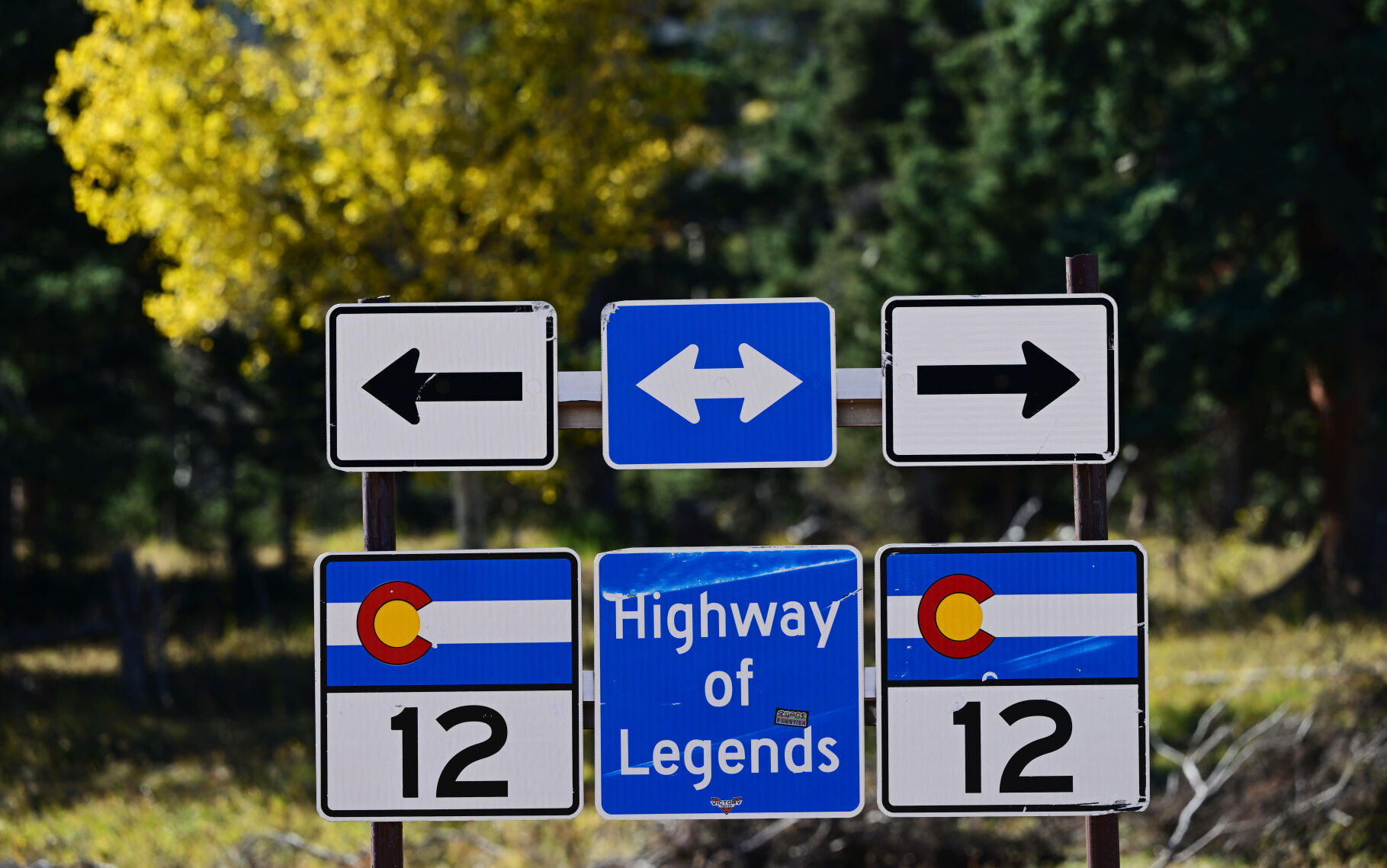
For about 20 years now, Malone has been involved with the local board advocating for the highway covering 82 miles between Trinidad and Walsenburg. She and others know it as the state’s greatest, most underappreciated drive.
They known their region as “Forgotten Colorado.” Highway of Legends not only showcases the beauty here, but also the history of the state’s most storied land.

“We are still unknown,” said Bob Kennemer, former president of the highway board who has been active in regional tourism for more than three decades. “Even when I go to these big tourism conferences, I’m amazed at how many have never heard of La Veta, they’ve never heard of Huerfano County or the Highway of Legends.”
That’s despite a recent, coveted accolade.
Last year, the U.S. Department of Transportation proclaimed Highway of Legends a National Scenic Byway. That made it the 13th in Colorado, which has the most of any state. The state counts 13 other scenic byways that haven’t met the criteria for national designation.
“That was a big deal for us,” Malone said. “You can’t just be another pretty byway; they all are gorgeous of course. You have to have a unique quality that’s not found anywhere else. So our nomination was built around our geology.”

The highway is decorated by rocks called radial dikes, radiating from the twin Spanish Peaks. The rocks are the result of ancient magma and millions of years of uplift and erosion. Today, they symbolize tales supposedly told by tribes and early settlers.
There is, for example, the Devil’s Stairsteps, spanning a hillside between Cuchara and La Veta. Goes the narration of the Highway of Legends audio tour compiled by the company TravelStorys:
“Local legend goes that in ancient times, when the earth was new, the devil came out of hell to take a look at the world. … He sat on top of the Spanish Peaks and looked down at the beautiful earth and plotted how he could make it his own. When god heard his plan, he banished the devil forever. But his stairs are still here.”
And still here, back near the byway’s portal at Trinidad Lake, is a thin, white line preserved by shale and sandstone. This represents the K-T Boundary, marking the time between the demise of dinosaurs and rise of mammals.
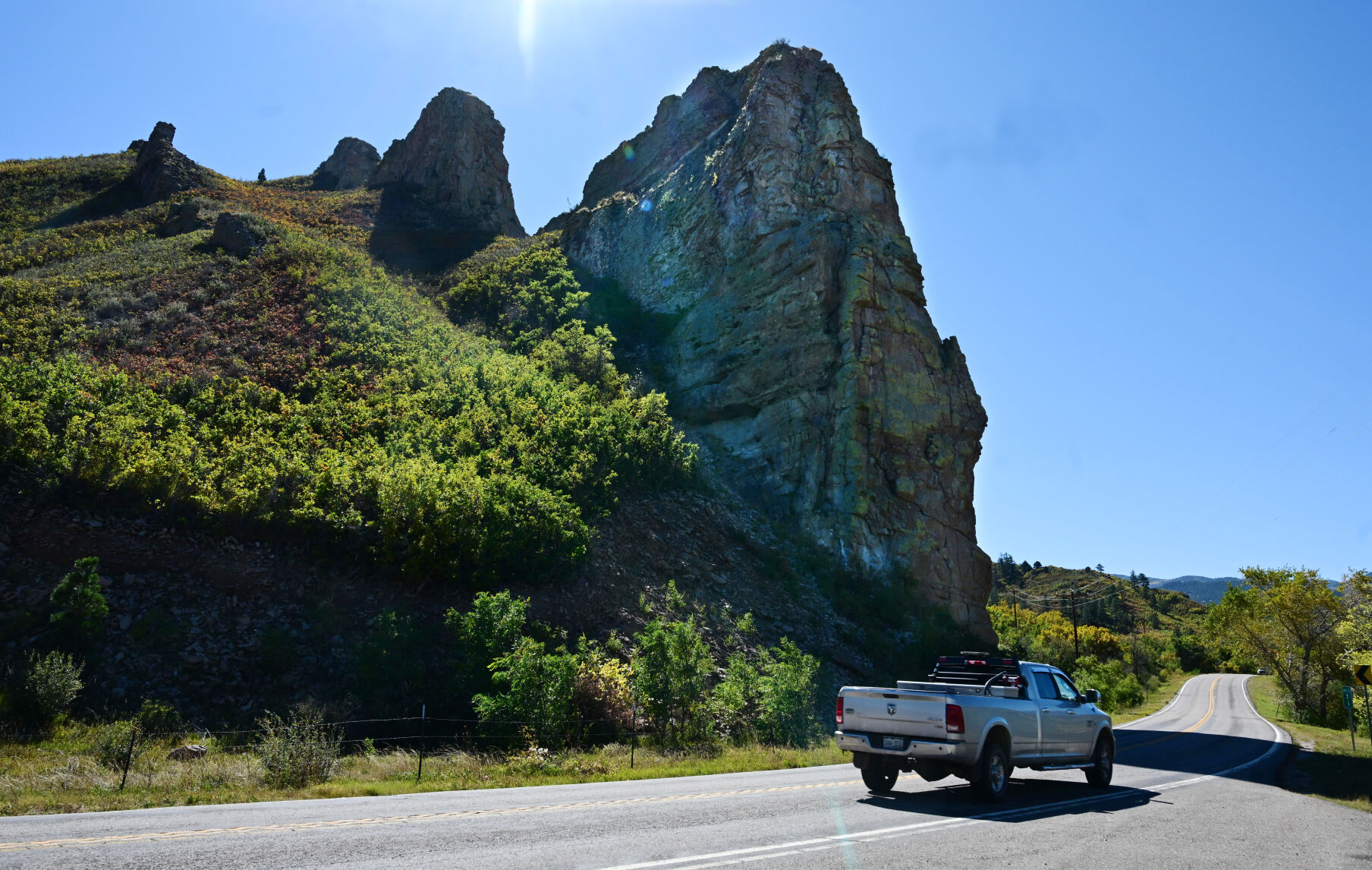
“You can walk right up to it,” geologist Brian Penn says in the TravelStorys tour. “It’s evidence from the past that the Earth has been hit by very large meteors.”
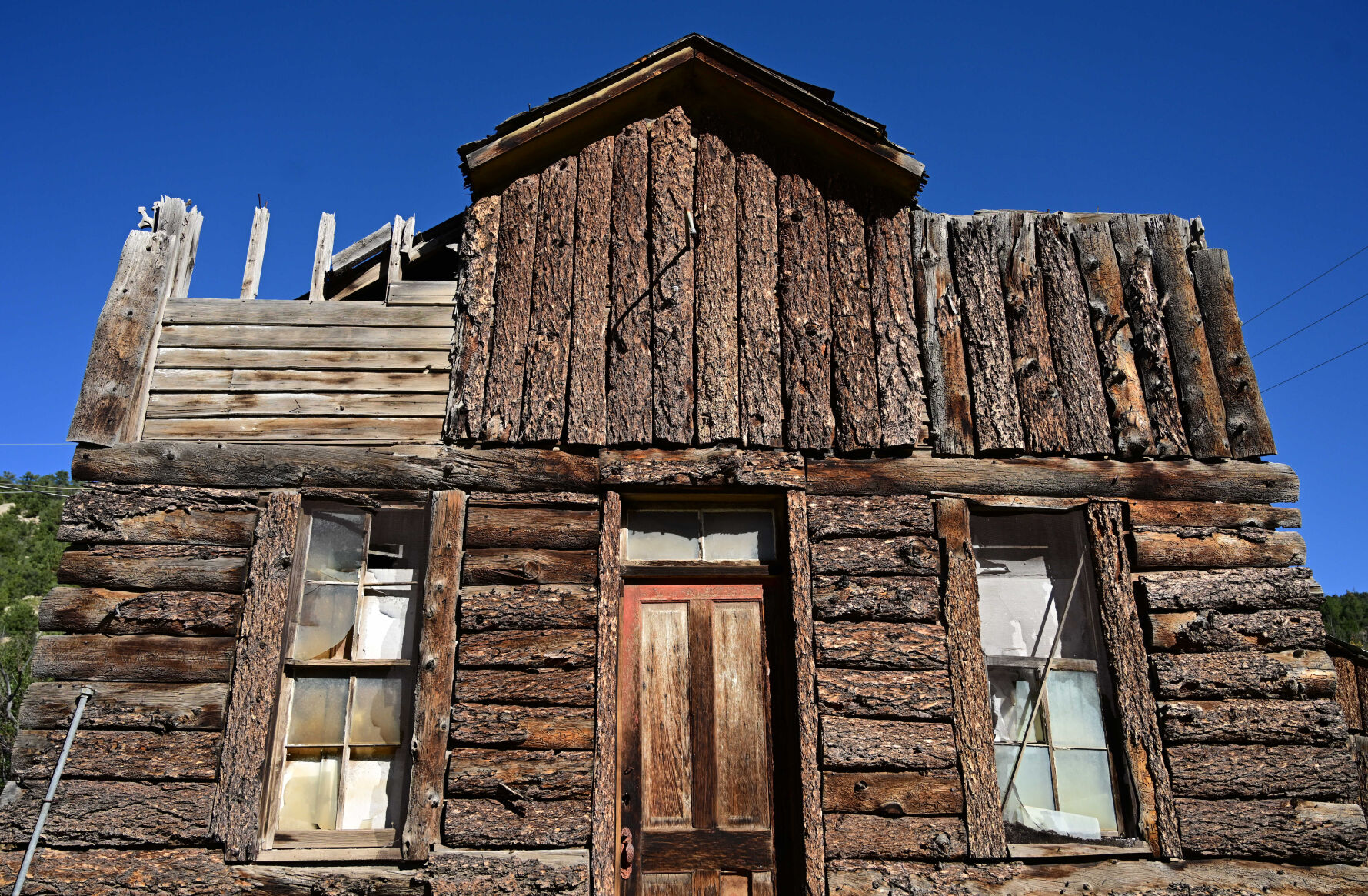
More modern history is in view, remnants of a once-mighty industry. Those look like Roman ruins, but they are in fact coke ovens once used for processing coal. A branch of the highway stretches toward the Ludlow Massacre Memorial, the most grim reminder of those days when union miners clashed with suppressers.
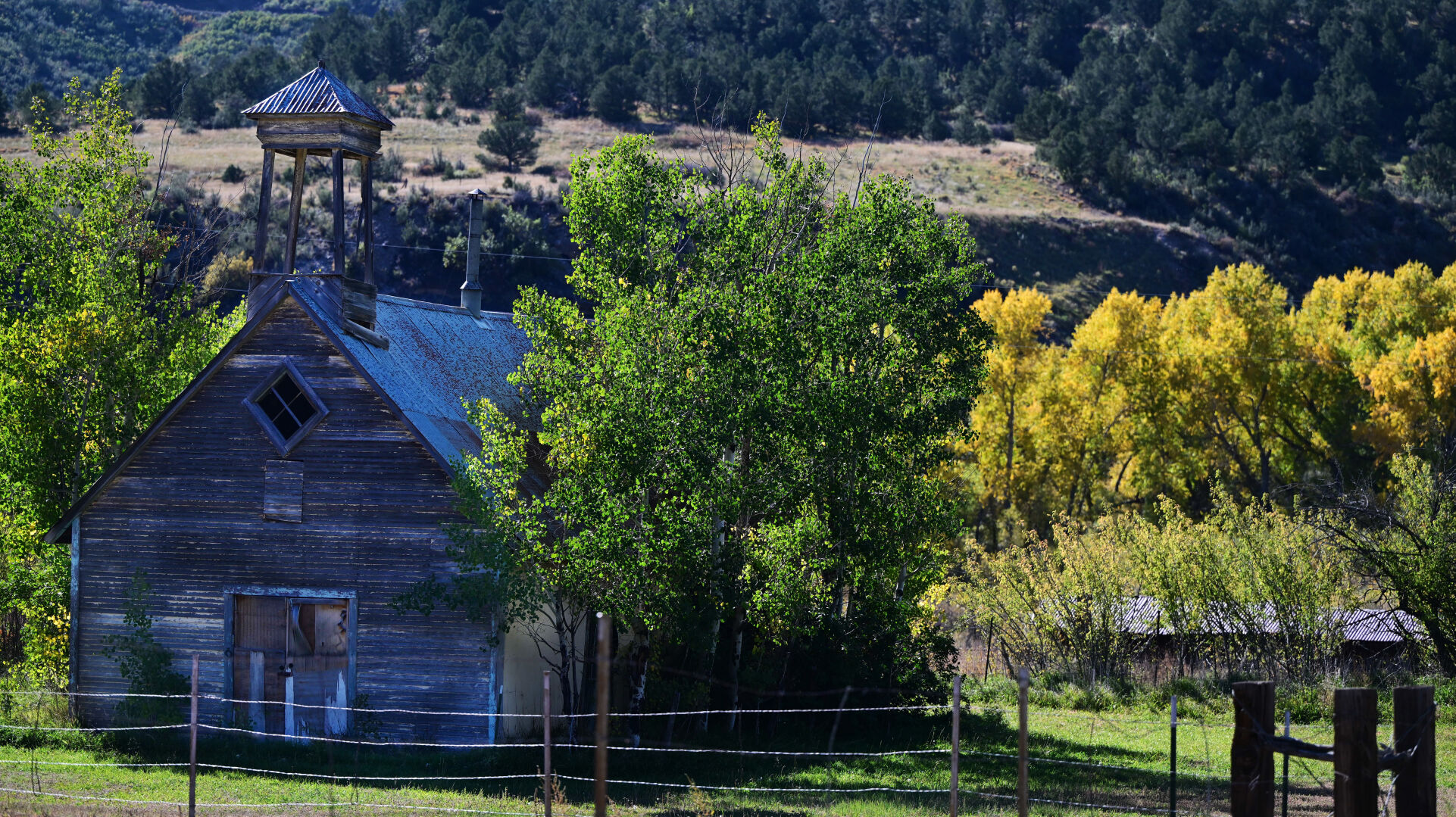
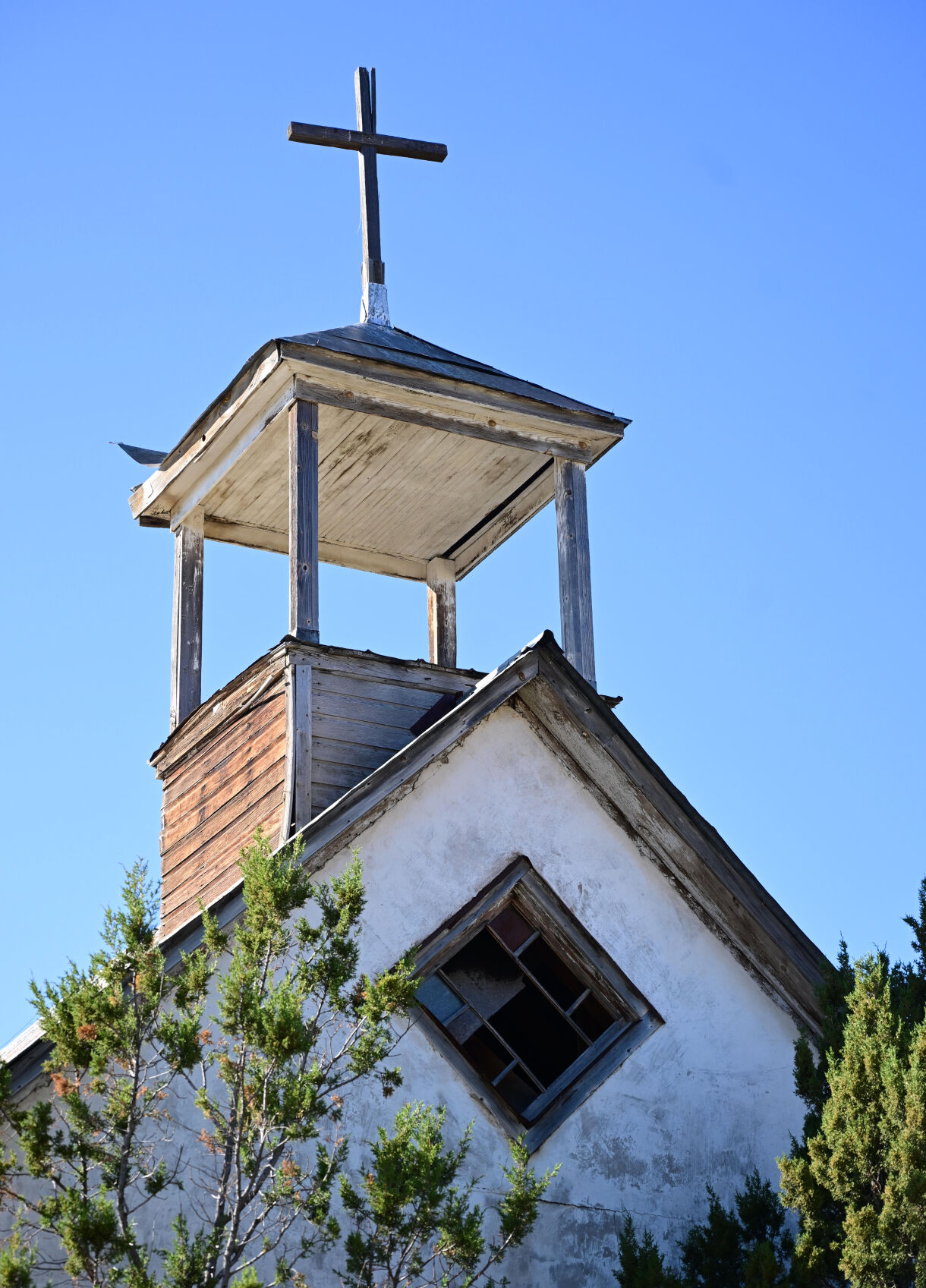
The highway leaps between time and towns with Spanish names. These are reminders of the pre-war years when the area was a territory of Mexico, and the churches reminders of devotion lasting amid rusted, broken picketwire and crumbling farms. The river running is called Purgatoire, a French alteration of what Spaniards knew as the River of Lost Souls, carrying fallen comrades.
The river runs to Stonewall, the commanding rock perched beneath the jagged Culebra Range. The cabin resort feel of today almost hides a dark chapter of the past: German prisoners of war were kept here between 1940 and 1948.

Up ahead is Monument Lake. The namesake rock that used to rise from the water is no longer seen, collapsed. But the legend of two chiefs remains:
“As the story goes,” says the audio tour’s narrator, “these two chiefs left their homes in search of water. They met here and hugged in friendship. But realizing neither had found water, they began to cry. Their tears started to form a lake, when suddenly a volcano erupted, turning the hugging chiefs to stone forever.”
The Spanish Peaks tell a legend of their own. The summits become eye level on the road toward 11,000 feet. TravelStorys recounts a story by “yarn-spinning” Louis B. Sporleder, who arrived here in the 1870s and told many of the stories told today.

“In the Spanish Peaks lived the rain and sun gods. They were generous, making the land into a beautiful Eden. … But one day, a new group of people arrived, bringing with them war and unhappiness. Their violence angered the gods, who shut the gates of rain. … Sporleder says that if you go close to the mountains, you can still hear the gods rumbling under the surface, showing their anger at the violence of mankind.”
It’s quiet enough to listen. It’s “the icing on the cake” when it comes to the drive, Kennemer says.
“You’re not gonna be stuck in traffic,” he says. “You’re pretty much gonna have both the trails and the road to yourself.”
It’s quiet enough to let the imagination run wild. Whatever the battles of before, they’re gone now.
“It’s a calming effect,” Malone says.

Get OutThere
Signup today for free and be the first to get notified on new updates.
PREV
PREVIOUS
Man pleads guilty to traffic violations for fatal T-bone crash in Denver
Denver prosecutors reached a plea agreement with a man who caused a fatal crash because of a medical issue, the district attorney’s office announced Monday. Patrick Layden, 50, originally faced felony charges of vehicular homicide, first-degree assault and vehicular assault for the T-bone wreck that killed Bradley Brubaker, 46, and injured his young daughter. The […]

Golden grandmother gave life defending family against pit bull attack
The heroic actions of an 89-year-old Golden woman likely saved her great grandson’s life as he was being attacked by the family dogs. Pit bulls killed Mary Gehring last month after she put herself between the animals and the 12-year-old boy and yelled for him to get help, according to arrest affidavits for the dogs’ […]