




New zoning code promoting flexibility and limiting new lawns headed to Colorado Springs City Council
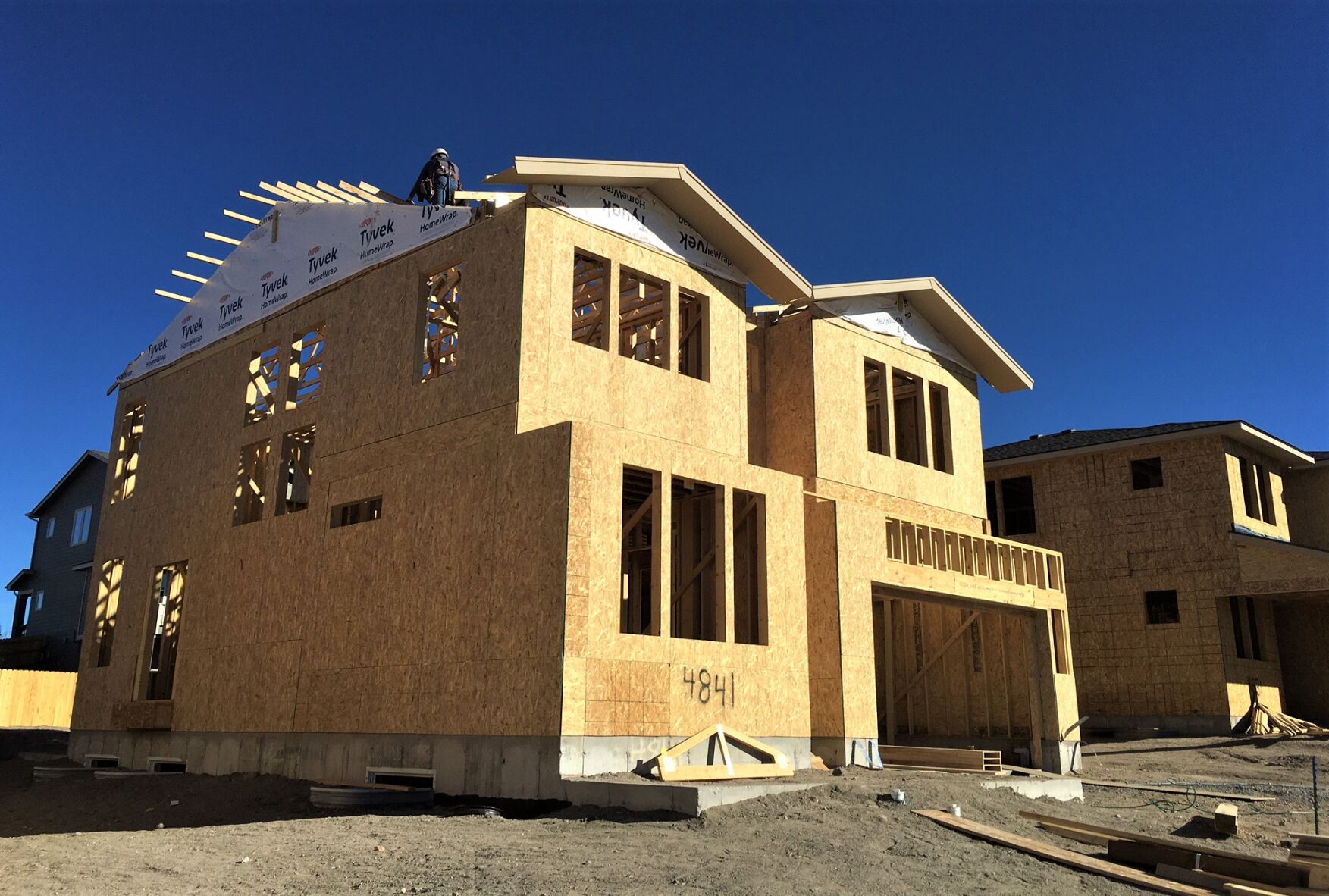
A new zoning code is on its way to the Colorado Springs City Council after the Planning Commission unanimously approved it during a special Friday afternoon meeting that drew some criticism.
The zoning code will govern development and it is expected to allow for more housing density and flexibility in new neighborhoods. It could also limit the amount of high-water-use grass that new homes are allowed to have to conserve water to 25% of the yard and no less than 100 square feet, among numerous other changes.
Residents with the Historic Neighborhood Partnership and others asked the commission to delay a decision because a new draft was released two days prior with 38 additional pages of changes that they did not have time to fully understand.
The partnership represents older neighborhoods in town that do not have the private covenants enforced by homeowners associations around design standards for homes and yards, and could be most impacted by the changes to the zoning code.
“We need more time for real dialogue,” said Dutch Schulz, president of Old North End Neighbors and a representative of the partnership.
Several commissioners said the city had afforded plenty of time for public comment, amendments could be made to the zoning code in the future and it would be a living document. In general, they lauded the efforts of the staff over a three year process.
Commissioner John Almy noted the new criteria for making decisions about development includes subjective language such as the suitability and compatibility of a project and if residents don’t like a development proposal they can lobby against it in the future.
The commissioners also formally called on City Council members in their vote to reconsider policies around parking spaces with electric vehicle charges to encourage new business to put in spaces could be capable of providing charging because so many new electric vehicles are set to hit the market in the coming years.
“I think in this case policy can be a signal to the market,” Planning Commissioner James McMurray said.
The city council previously opposed reducing the number of parking spaces businesses, such as hotels, must provide if they put in electric vehicle charging stations.
Previously, affordable housing advocates asked the planning commission and city to consider allowing for greater housing options in the single-family zoned neighborhoods that dominate the city to address the housing crisis. The current zoning code does not include any changes to single-family neighborhoods. However, Commissioner James McMurray asked the staff to come up with ideas for the planning commission to review to allow for more flexibility in those neighborhoods, such as rules that could allow some duplexes in the future.
Some changes that could encourage density prompted pushback from residents Friday.
For example, a footnote allowing for lots to only be 25 feet wide when homes have a common wall in areas of town with zoning that allows duplexes, could open the door to more older homes getting torn down in favor of greater density, said Mike Anderson, with the Historic Neighborhood Partnership. He used this as an example of changes that could be buried in the newly released version of the document.
City staff told the planning commission the rule allowing for smaller lots was a carry over from the previous code.
Anderson also said he expected a change in the code to allow for far fewer bee hives in town. The code increases the minimum lot size a homeowner must have to have two beehives from 10,000 to 20,000 square feet.
The city staff said the change was requested by code enforcement.
The proposed zoning code also maintains new and somewhat controversial restrictions on who can appeal development decisions. The current code allows anyone to appeal. Under the revision, a property owner would have to live within 1,000 feet of the project or live within two miles of the property and previously participated in the development approval process, by sending comments or coming to speak at a public board.
Get OutThere
Signup today for free and be the first to get notified on new updates.
PREV
PREVIOUS
[Click if embed does not appear on device]

Yelp identifies the best dive bar in Colorado
Yelp, the popular online review hub, recently compiled a list of the top dive bars in the country by state. “We identified businesses in the dive bars category, then ranked those spots using a number of factors including the total volume and ratings of reviews. When available, all businesses on this list have a passing […]