




Far from a war-torn Ukrainian zoo, 9 lions now call Colorado home
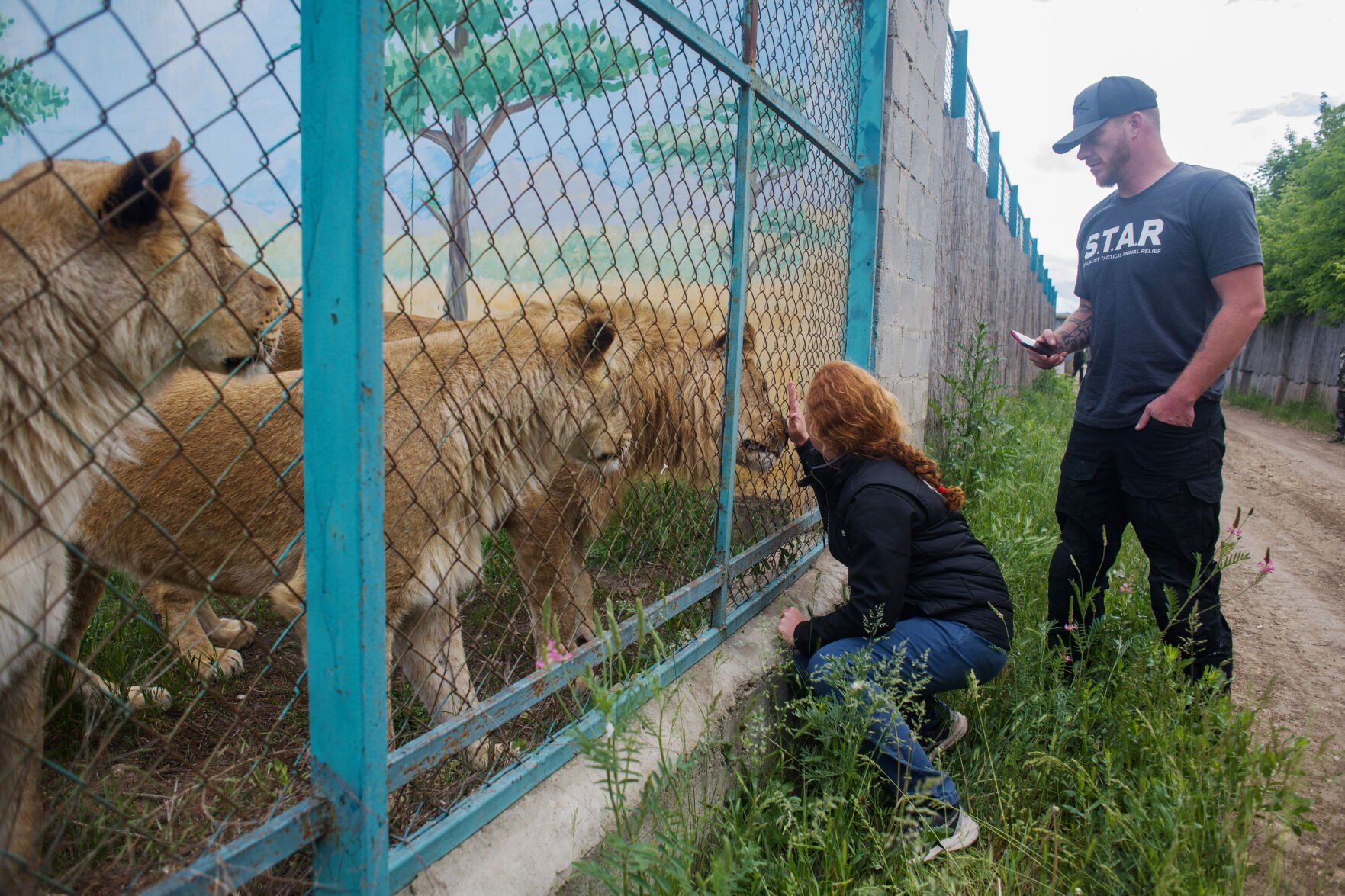
BACA COUNTY, Colo. — As part of the millions of Ukrainian residents escaping to neighboring countries by train, bus, car or foot — some lugging only suitcases or whatever belongings their arms could hold — a robust military transport vehicle crept across the Moldovan border last spring bearing refugees of a different kind that would eventually call Colorado home.
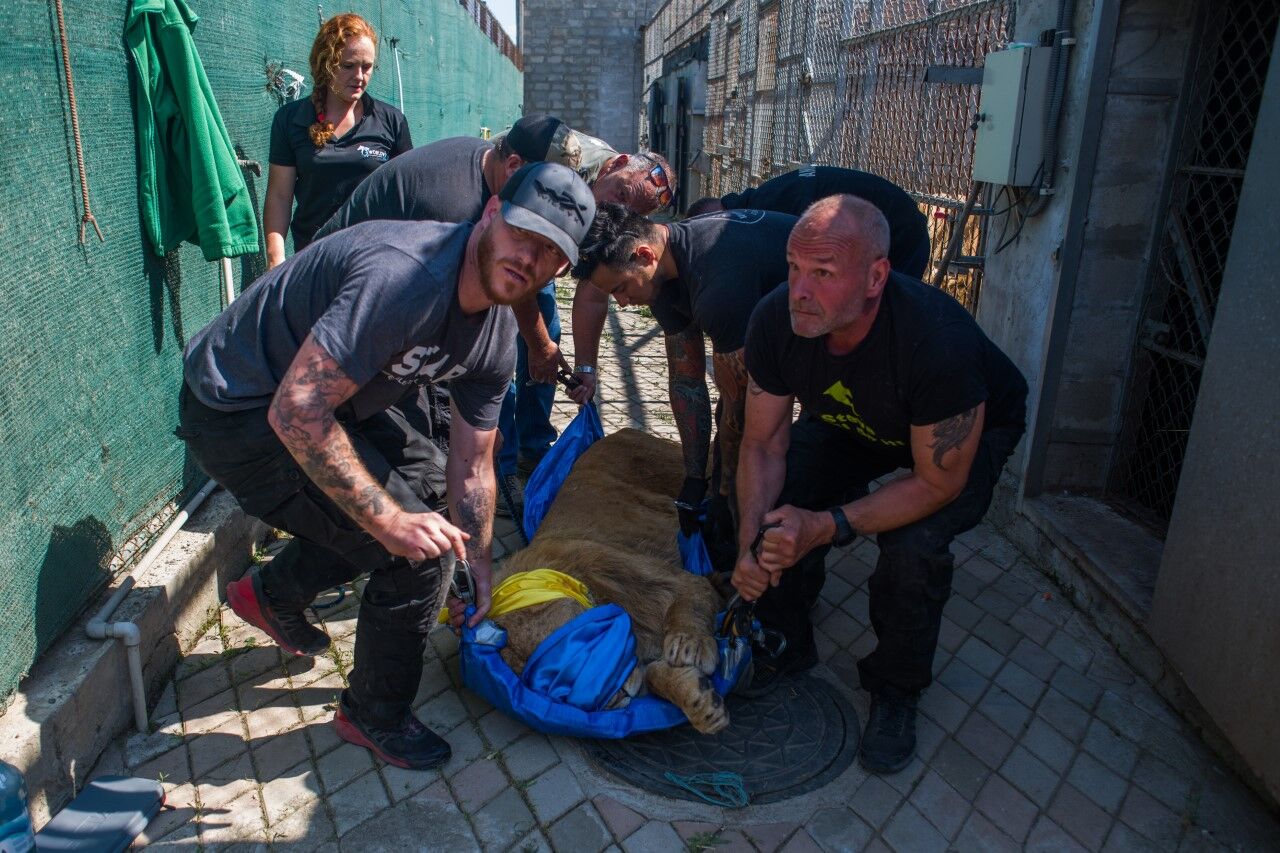
Earlier, at a shell-shocked zoo in the Black Sea port city of Odesa, members from a consortium of animal welfare organizations had carefully swaddled nine lions in blue and yellow cloth — Ukraine’s colors — and loaded them in metal cages onto the truck.
Thus ensued a 600-mile journey, under the ever-looming possibility of imminent Russian missile strikes, through southwest Ukraine and Moldova to a zoo in Romania as the first leg of a rescue mission spanning four months and three continents.
The South African-based nonprofit Warriors of Wildlife spearheaded the effort, launched in response to a desperate call for help from Odesa’s Bio Park zoo to save its animals. Safely evacuated, the lions would stay at the Târgu Mureș Zoo for most of those four months as rescue organizations scrambled to secure emergency travel permits to rehome the big cats.
Pride of lions airlifted from Ukraine to Colorado in “biggest-ever warzone rescue of lions”
Then Pat Craig got a call, and the “largest warzone rescue” of big cats ever culminated among the cedar trees in the quiet plains of southeast Colorado.
“We’ve done way bigger shipments of lions, but that was the biggest shipment of large carnivores in an active warzone,” said Craig, executive director of the Wild Animal Sanctuary in Keenesburg, Colo.
The largest nonprofit carnivore refuge in the world, the renowned Wild Animal Sanctuary is home to over 650 rescued lions, tigers, bears, wolves and other animals roaming nearly 800 acres on its property northeast of Denver. In 2019, the sanctuary opened its Wild Animal Refuge, a newly purchased 10,000-acre paradise east of Springfield, a former stagecoach stop and cattle ranching town of 1,300 in Baca County.
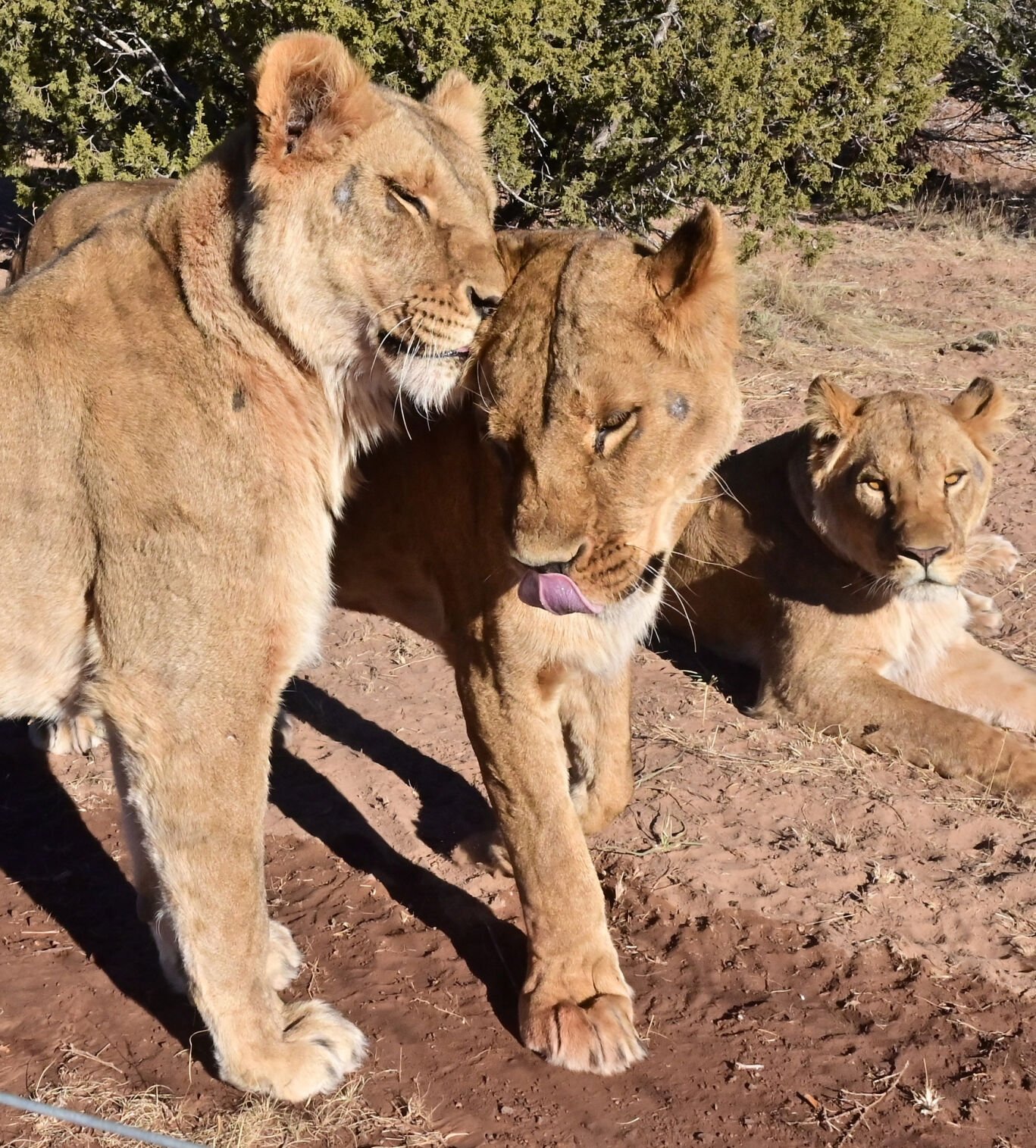
Lionesses Klepa, Hera, Gesta and Kimura along with males Perseus, Kai and Robert arrived at the Springfield refuge on Sept. 29 after a two-day journey from Romania to Qatar to Dallas. In Texas, Craig and his staff picked up the cats in an air-conditioned, 50-foot-long “truck-trailer combination” with special caging to make the eight-hour journey back to Colorado.
The seven lions are either 3 or 6 years old. Two additional cubs, barely a year old, were taken to Keenesburg to live with a “pseudo-mother,” Craig said.
On Oct. 25, the seven lions explored their 80-acre Springfield enclosure, filled not with concrete floors and chain link but a vastness of cedar, juniper and four spacious underground dens.
Buddy, one of several tigers rescued from a shutdown magic show in Guam, let loose a roar from a neighboring enclosure.
“(The lions) are very curious of these tigers right now, so they’ve been spending a lot of time up here watching them,” said Taylor Logan, animal care director at the sanctuary.
More signs of wolf kills in northern Colorado, state Parks and Wildlife reports
Within the greater enclosure sat a kind of smaller kennel, called a lock-out, an example of the pens the lions stayed in to acclimate to the caretakers and environment and be medically examined before being released onto their 80 acres on Oct. 21.
They’re fed USDA-inspected meats three times a week — “similar to how they would eat in the wild,” the sanctuary’s website says — but otherwise are left alone to “live out their lives as lions,” Logan said. According to the Smithsonian’s National Zoo & Conservation Biology Institute, lions can live up to 22 years in captivity.

Klepa pounced on an unsuspecting branch closer to the fence as another lioness rolled in dust, flexing mighty paws. Perseus, Kai and Robert — all names given to them in Ukraine — were less sure, eyeing the commotion from a distance through breaks in the cedar boughs.
The first week was “rough” as the scared, defensive and hungry cats adjusted. They’ve largely mellowed out since, Logan said, often feeling very playful and wrestling with each other “just like domestic cats” do.
“But they had a pretty traumatic year, so that might change a bit,” she said. “We’re completely hands-off here.”
Just one month before the evacuation, while Orthodox Christians across the country were preparing for Easter Sunday — a defiant insistence on tradition amid the mounting carnage — a Russian bomber rained six cruise missiles on Odesa. Ukrainian forces reported that its missile defense system had intercepted two of those missiles, but two others hit military targets.
The remaining weapons destroyed part of a residential area in the Tairove district in the western outskirts of the city, including a 16-story apartment complex, killing eight and injuring at least 18.
Colorado man injured after bear attack in backyard
Odesa officials reported that from May 1-9, two weeks before the big cat evacuation, nearly a dozen Russian missiles from three air strikes bombarded and destroyed the city’s newly built airport runway, a furniture store, hotels and a shopping mall.
After months of living under fire, in their final passage to freedom, the lions spent long hours in small transport cages not much bigger than their own bodies.
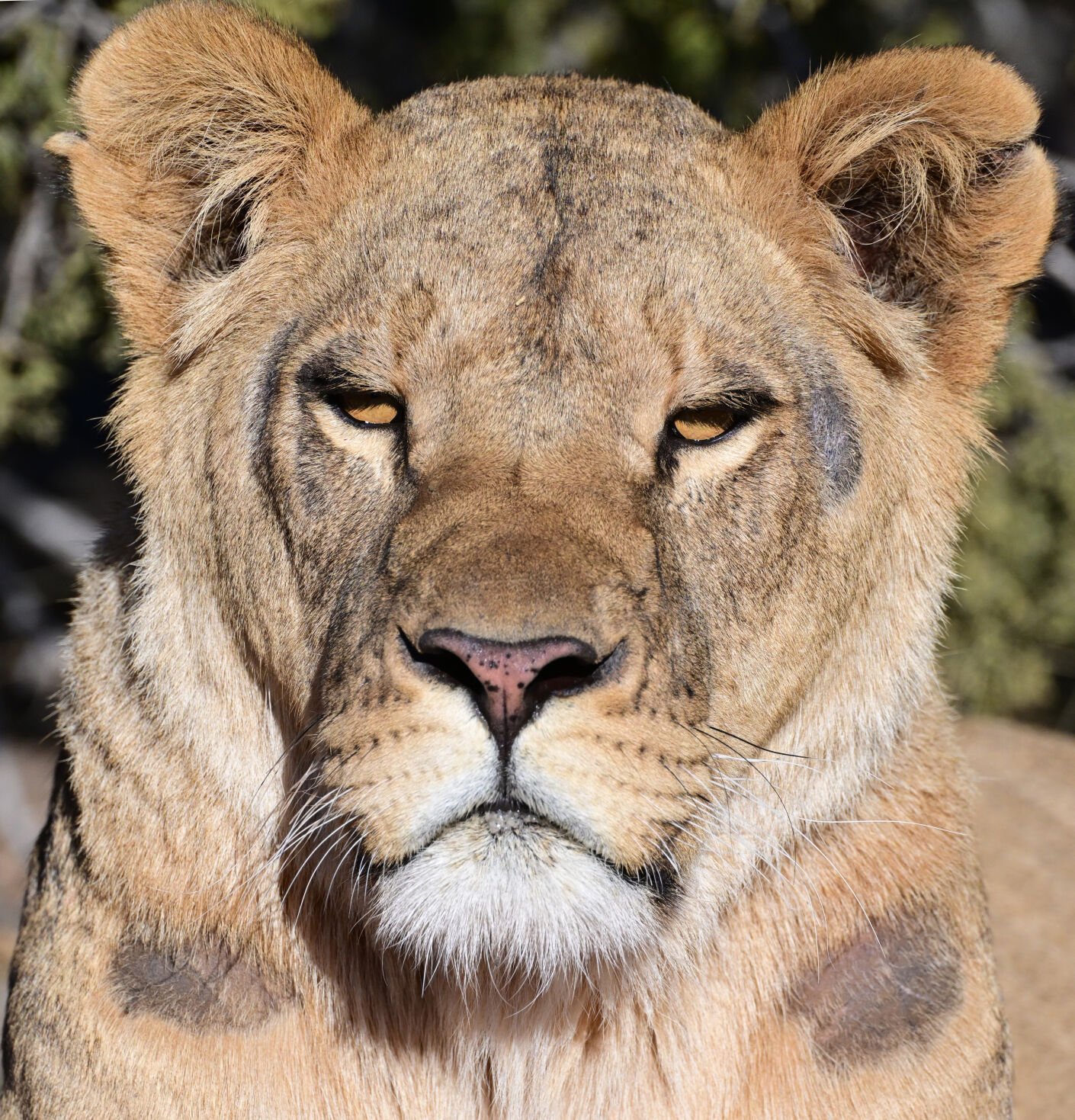
Dark spots, though not uncomfortable to them, littered the lions’ rumps, shoulders and faces where the fur had rubbed off from contact within the cages.
“It’s very stressful on them,” Logan said.
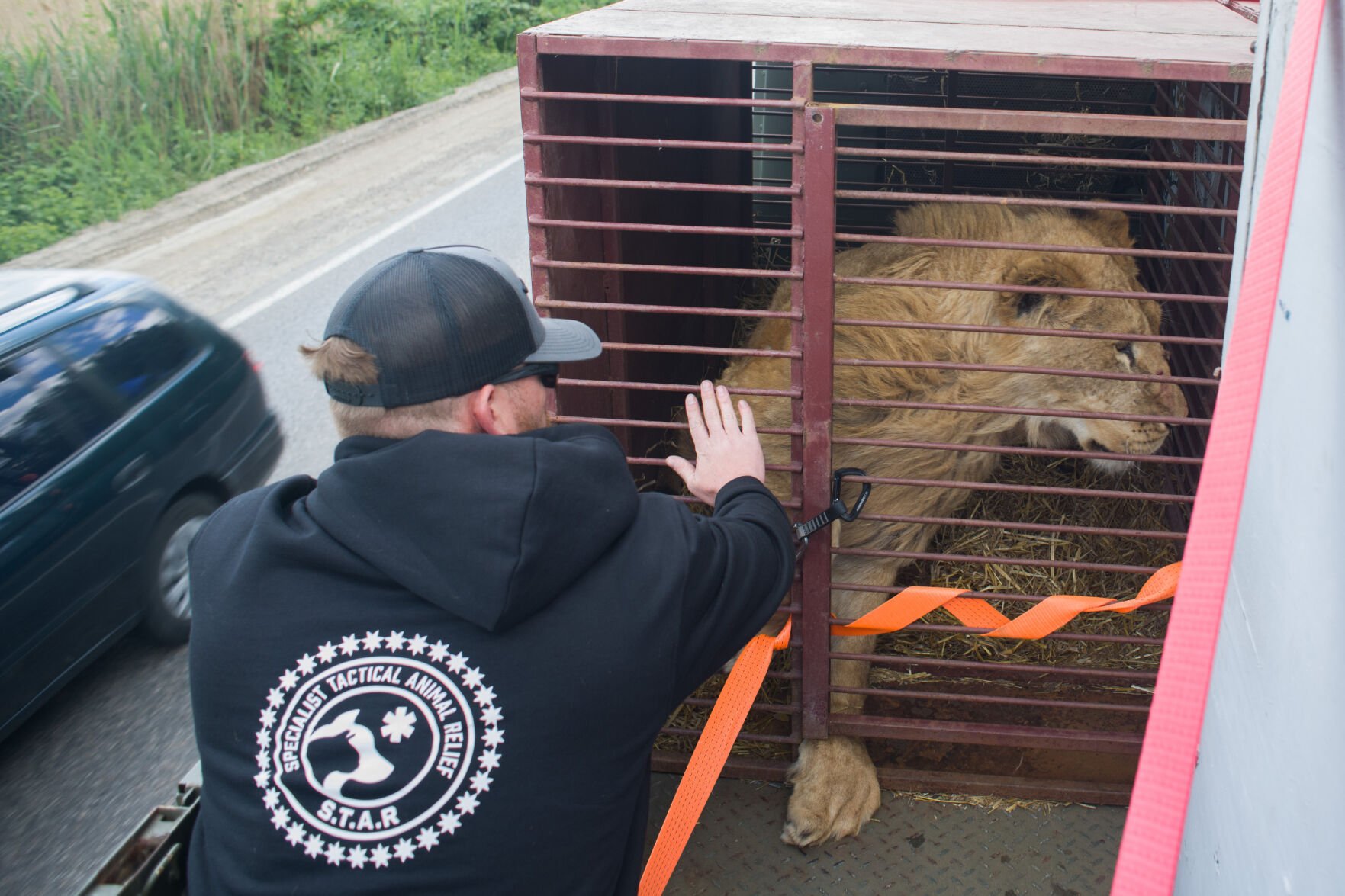
Craig’s Colorado sanctuary and other global animal welfare agencies, including the Global Federation of Animal Sanctuaries, Tigers in America and members of Warriors of Wildlife’s Ukrainian headquarters, came together to “provide pieces of the response puzzle,” said Denise Bash, vice president of Disaster for Greater Good Charities, another global nonprofit that provided emergency funding to WOW for initial transport costs.
“Greater Good Charities met (WOW) through other response partners in early spring during the Russian invasion of Ukraine,” Bash said in a statement. “Our team has supported their efforts to save two other lions and one bear since the war began.”
Craig said each group coordinated their own fundraising for the effort and took on different legs of the journey. Then there was the race to hurdle bureaucratic red tape wrapped around international exotic animal transport.
The U.S. Fish and Wildlife Service, responsible for overseeing the import and export of exotic animal and bird species protected under international trade laws, is “overwhelmed” with permit requests, Craig said, making the process longer in the U.S. than in any other country.
“International rescue operations are almost always more complex in nature, but then you are factoring in a variety of foreign governments and timelines for permitting, some of those with active warzones,” the executive director said in a news release.
Many animals remain at battered Ukrainian zoos, and many have perished in the war as victims of continued shelling, starvation and alleged target practice for Russian troops. According to Bio Park’s social media, the zoo remains open, supported by donations of fruits, vegetables, meat and money by fellow Ukrainians. In the face of so much death, it even welcomed a baby giraffe last month.
Now in Colorado, the seven lions and two cubs will never see Ukraine again. That was the condition by which the Wild Animal Sanctuary agreed to take in the lions, as is the case with the other animals that call Colorado home.
“That’s not something they need to be put through any more than once in their lifetime,” Logan said as the four lionesses retired to the shade of a cedar tree. “We’re a sanctuary. This is an end-of-life place.”



Get OutThere
Signup today for free and be the first to get notified on new updates.
PREV
PREVIOUS

Colorado custody evaluator suspended amid criticism of evaluation industry
The Colorado State Court Administrator’s Office has suspended a high-profile custody evaluator from continuing to receive court appointments following controversy over his parenting recommendations amid recent media scrutiny of the parenting evaluation industry. Jaime Watman, an official in the State Court Administrator’s Office, in a statement confirmed last week’s suspension of Mark Kilmer from ongoing […]

Friend of murdered Boulder County carjacking victim: "This auto theft has to stop"
Taylor Smith Maxwell and Paige Rice Norton were on their way home from a mother-daughter day in Wyoming late Saturday when they decided to drive to a friend’s house and surprise her. But when they got to Boulder County at the intersection of Highway 287 and Yellowstone Road, there was a car coming towards them […]