







Has the GOP lost Colorado for a ‘generation’?
The prevailing sentiment following the thumping Republicans suffered on Tuesday in Colorado argues that a combination of factors contributed to their sweeping defeat, chiefly that Donald Trump remains a drag on the GOP among state voters and the U.S. Supreme Court’s decision to undo Roe v. Wade served as a shot in the arm for Democrats despite the headwinds of soaring inflation and a high crime rate heading into the midterm elections.
But some in Colorado believe that the Democrats’ dominant performance heralds a more fundamental realignment of party politics and political values in the state.
Dick Wadhams, a former Colorado Republican state chairman and veteran campaign manager, believes Democrats stand to dominate Colorado for a “generation.”
When asked how long a “generation” is, he answered, “20 to 30 years.”
Wadhams, who said he believed some Republican candidates — notably U.S. Senate nominee Joe O’Dea — had a real chance of securing statewide wins, said Tuesday’s election results dashed his hopes that his party could remain relevant in state-level politics, at least for the foreseeable future.
Like other political observers, Wadhams, who managed successful campaigns for U.S. Sens. Hank Brown and Wayne Allard and Gov. Bill Owens, views Colorado as a solidly blue state, with the Democrats holding a numerical advantage that is practically impossible for the GOP to overcome.
What changed, he said, are the roughly 800,000 new residents who moved to Colorado within the last decade, firmly planting the state in the left column.
And while many of the newcomers registered as unaffiliated, their values are aligned with the Democratic Party, he added.
“They are really liberal Democrats,” Wadhams told Colorado Politics.
For the third general election running, Democrats posted wins up and down the ballot in every statewide race — something neither party has done since soon after statehood. Democrats also grew their already-historic majorities in the General Assembly and in the state’s congressional delegation.
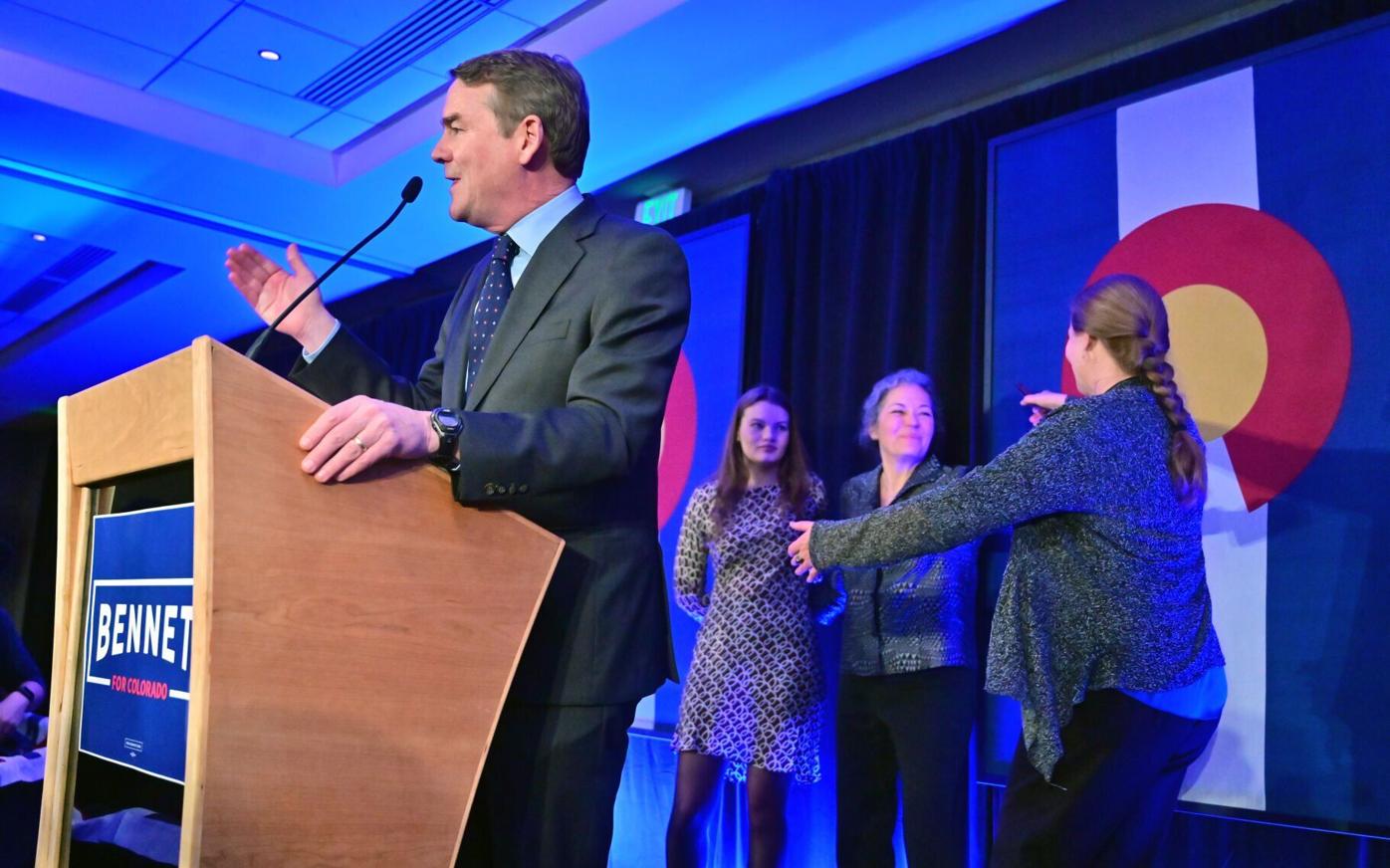
Indeed, Democrats not only won every statewide office, they won by wider margins than either party has posted in recent decades. Democratic Gov. Jared Polis defeated Republican Heidi Ganahl by 17 points, and U.S. Sen. Michael Bennet trounced challenger Joe O’Dea by 12 points, both exceeding any candidate’s best performance in those races since at least 2002.
More analysis needs to be done, but it’s apparent that unaffiliated voters, who made up about 40% of the turnout, tilted heavily for Democratic candidates.
Wadhams said he thought Colorado’s newer residents, particularly the younger population, voted against Republicans in protest of Trump in 2018 and 2020. Under that assumption, he anticipated those same voters would be open to supporting more mainstream Republicans, such as O’Dea and state Sen. Barbara Kirkmeyer, who conceded to Democratic state Rep. Yadira Caraveo in the state’s new 8th Congressional District.
But Tuesdays’ results show that the state’s younger voters’ preference for Democrats extends beyond a protest vote against Trump, Wadhams said.
He admitted he now struggles to see how Republicans can persuade those voters to consider supporting Republican candidates.
Their apparent values, he added, simply align with Democrats’ priorities — on all fronts.
“My reference to young voters being enamored with government was specifically directed at the newcomers to Colorado over the past 10 years who have so dramatically changed our electorate,” he said. “In addition to hating Trump and seeing the Republican Party through the Trump lens because the stolen election conspiracy crowd is so prominent here, I believe a big number of these self-registered unaffiliated voters really are liberal Democrats who do embrace larger and more expensive government. They also seem immune to the decline of Colorado in terms of crime and homelessness which Republicans strongly campaign on.”
Added Wadhams: “I am not sure how Republican candidates can appeal to this group of voters as long as Trump is so prominent in the party and they embrace expansive government.”
Steve Welchert, a former legislative liaison for Gov. Richard D. Lamm and advisor to Denver Mayor Federico Peña, blamed Trump as a major factor in the GOP’s defeat in Colorado.
He said Trump was a problem for the GOP in 2018 and 2020 — and now in 2022.
“He wasn’t just a problem, he is disastrous,” Welchert said. “He cost the GOP control of the House and Senate in ’18, and his policies and behavior cost the GOP the White House in 2020.”
Many also attributed Democrats’ strong performance in Colorado to the U.S. Supreme Court’s decision’s to overturn the longstanding precedent guaranteeing access to abortion, leaving it to the states to set their own parameters around abortion.
Voter registration in Colorado surged earlier this year, particularly among women, in spikes that coincide with the court’s decision, a Colorado Politics analysis shows.
The analysis, which examined voter registrations between May and September, shows that women, especially Democrats, outpaced registrations by men in all but one of the seven most competitive state Senate districts. The surge was most pronounced in three congressional districts: the 2nd, which includes Boulder; the 5th, which includes Colorado Springs; and the 7th, which includes Jefferson County, Broomfield and six mountain counties.
Unrelated variables could explain the registration spikes, in part or in whole. But at the outset, the data seem to support the hypothesis that the court decision is a motivating factor in election engagement. For example, between January and May of this year, new voter registrations for Democratic women averaged just under 2,900 per month. In June, the month when the Dobbs decision was published, the number jumped to 5,737, almost double the average.
Welchert agrees with what the data suggests.
“Colorado has long tradition as a very strong pro-choice state for many years,” Welchert said. “Taking away women’s health care rights does not work here or in most of the country. Look at the Kentucky abortion ballot measure as cause for alarm.”
Voters in Kentucky had rejected the measure that sought to amend their constitution by saying, “To protect human life, nothing in this Constitution shall be construed to secure or protect a right to abortion or require the funding of abortion.”
He added: “This is a hill the GOP can only die on.”
Welchert argued that America’s democratic experiment needs a strong opposition party. The GOP, he said, needs a clean break from Trump, and prominent Republicans both in Colorado and nationally need to “finally come out and say publicly what they all say privately.”
Alan Philp, who ran Kirkmeyer’s campaign in CD8, also blamed Trump for Republicans’ woes in Colorado.
“In Florida, the face of the Republican Party is Ron DeSantis. That worked out well for Florida Republicans. In New York, the face of the Republican Party is Lee Zeldin. That worked out pretty well for New York Republicans. For Georgians, it was Brian Kemp,” he said.
“You get the picture. In states where the identity of the Republican Party had moved past Donald Trump, the party did pretty well. In Colorado, the identity of the Republican Party is still tied to Donald Trump. It didn’t work out well for us in 2018 or 2020, so I guess it’s no surprise it didn’t work out for us in 2022.”
While Welchert agreed that Colorado is now solidly blue — this year’s midterm elections with Joe Biden in the White House offered Republicans the party’s best opportunity in years to claw back some seats, he said — he argued that the minority party can buck demographic trends if it offers the right candidates.
“Dick Lamm and Roy Romer were both elected as Democratic governors three times in ruby red Colorado, and Gary Hart was elected twice to the Senate including during the Reagan landslide of 1980,” he said. “Demographics can sometimes be overcome by really strong candidates. The GOP needs to generate a better breed of candidates.”
Welchert, in fact, said this year’s batch of statewide candidates — notably Pam Anderson, who ran for secretary of state, but with the exception of Ganahl — was “stronger than I’ve seen for years.”
Welchert cautioned Democrats, who are poised to enjoy supermajority control of both chambers of the General Assembly, against embracing an “overly ideological agenda.”
“Voters wanted pragmatic solutions to their issues, not far right or far left ideological nonsense,” he said. “Both parties have been guilty of pushing an overly ideological agenda when in power — especially unchecked power. So, my caution to legislative Democrats is to govern as strategic progressives and resist the instinct to overreach.”
Wadhams, meanwhile, said the only choice for Colorado Republicans in 2024 is to focus on winnable local and state legislative races.
“And we’ll have to see if Colorado is competitive in the presidential race. If Trump is the nominee, you can totally write this state off to the Democratic nominee,” he said.


Denver area events for March 6
Carlotta Olson
carlotta.olson@gazette.com
Updated 12 hours ago
If you have an event taking place in the Denver area, email information to carlotta.olson@gazette.com at least two weeks in advance. All events are listed in the calendar on space availability. Friday Trevor Wallace — 7 p.m., Paramount Theatre, 1621 Glenarm Place,...

Carlotta Olson
Reporter
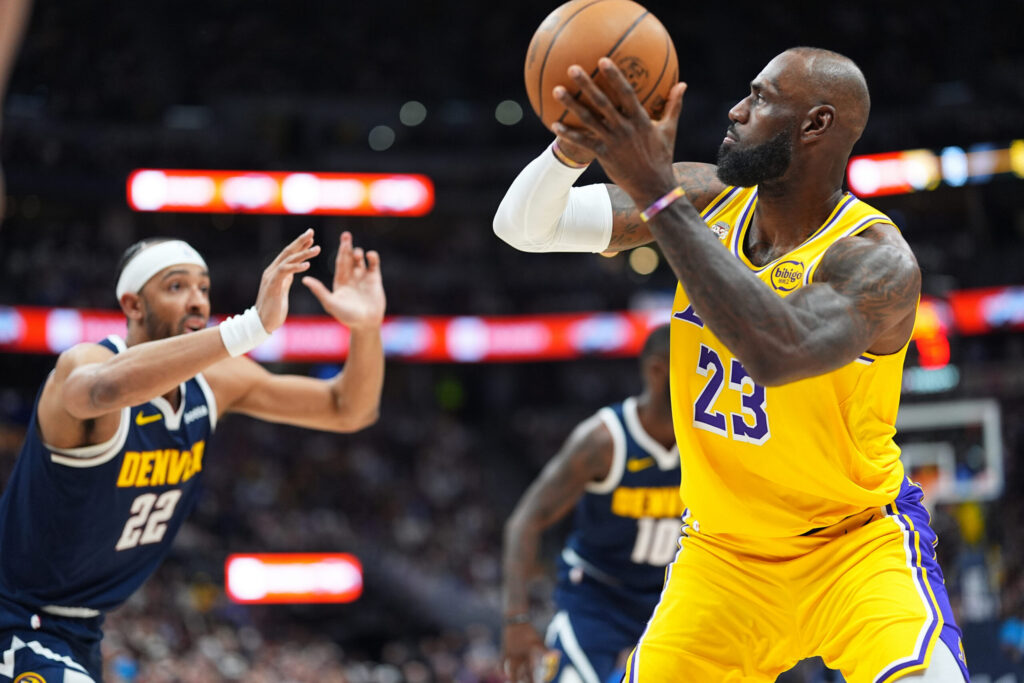
Nuggets top Lakers 120-113 as LeBron James sets NBA field goal record
Vinny Benedetto
vinny.benedetto@gazette.com
Updated 1 hour ago
There’s another jewel in King James’ crown, even if it came in another loss to the Nuggets. Lakers forward LeBron James became the NBA’s all-time leader in made field goals late in the first quarter of Denver’s 120-113 win on...

Vinny Benedetto
Reporter
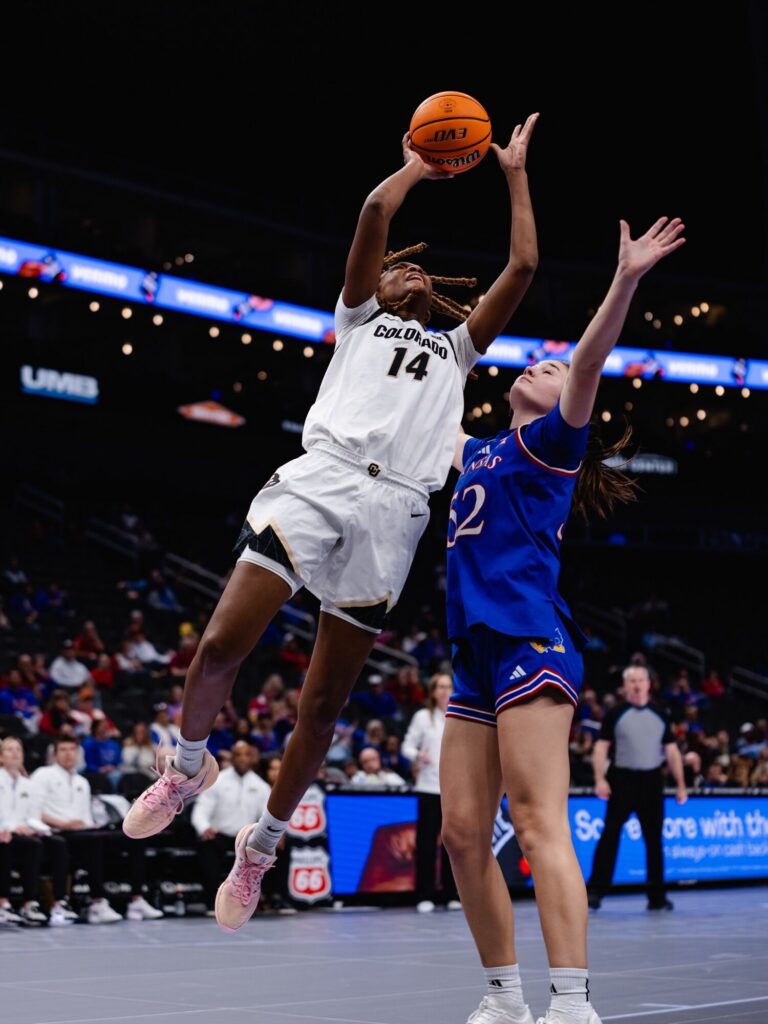
Colorado women’s basketball boosts NCAA Tournament resume with 55-48 win over Kansas
Paul Klee
paul.klee@gazette.com
Updated 3 hours ago
JR Payne’s first game with a shiny new contract extension was a success. And it could have clinched an at-large berth in the NCAA Tournament. Colorado beat Kansas 55-48 in the second round of the Big 12 tournament at T-Mobile...

Paul Klee
Reporter
U.S. House probes reports of fraud, waste in Colorado’s Medicaid program
Marianne Goodland
marianne.goodland@coloradopolitics.com
Updated 4 hours ago
A congressional committee is probing reports of waste, fraud and abuse in Colorado’s Medicaid program, citing recent stories outlining over-billing in transportation spending and alleged improper payments in autism services. The U.S. House Committee on Energy and Commerce has sent...

Marianne Goodland
Reporter

Colorado College ready for more close battles in playoffs, starting with No. 4 WMU
hugh-johnson
hugh.johnson@gazette.com
Updated 5 hours ago
The prospect of winning playoff games on the road might be daunting for any sports team, but don’t expect a timid Tigers hockey team to walk into Lawson Ice Arena in Kalamazoo, Mich. Colorado College hockey finished the regular season...

hugh-johnson
Reporter

Air Force springboards into AHA tourney after big weekend, looks to stay hot
hugh-johnson
hugh.johnson@gazette.com
Updated 5 hours ago
Air Force hockey coach Frank Serratore gave his players their flowers but left a note of caution beside them. The Falcons enter the postseason coming off perhaps their biggest weekend of the season, sweeping the defending Atlantic Hockey America champions...
hugh-johnson
Reporter
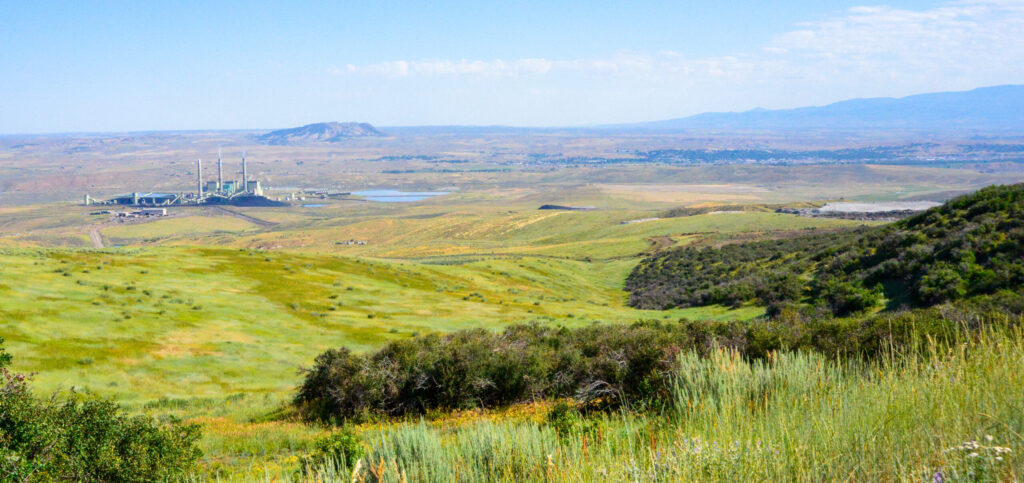
Colorado Attorney General, environmental groups challenge EPA rejection of the state’s regional haze plan
Scott Weiser
scott.weiser@gazette.com
Updated 8 hours ago
Colorado Attorney General Phil Weiser and several environmental organizations have filed separate petitions in the U.S. Court of Appeals for the Tenth Circuit challenging the U.S. Environmental Protection Agency’s decision to reject Colorado’s regional haze plan. The plan included proposals...

Scott Weiser
Reporter
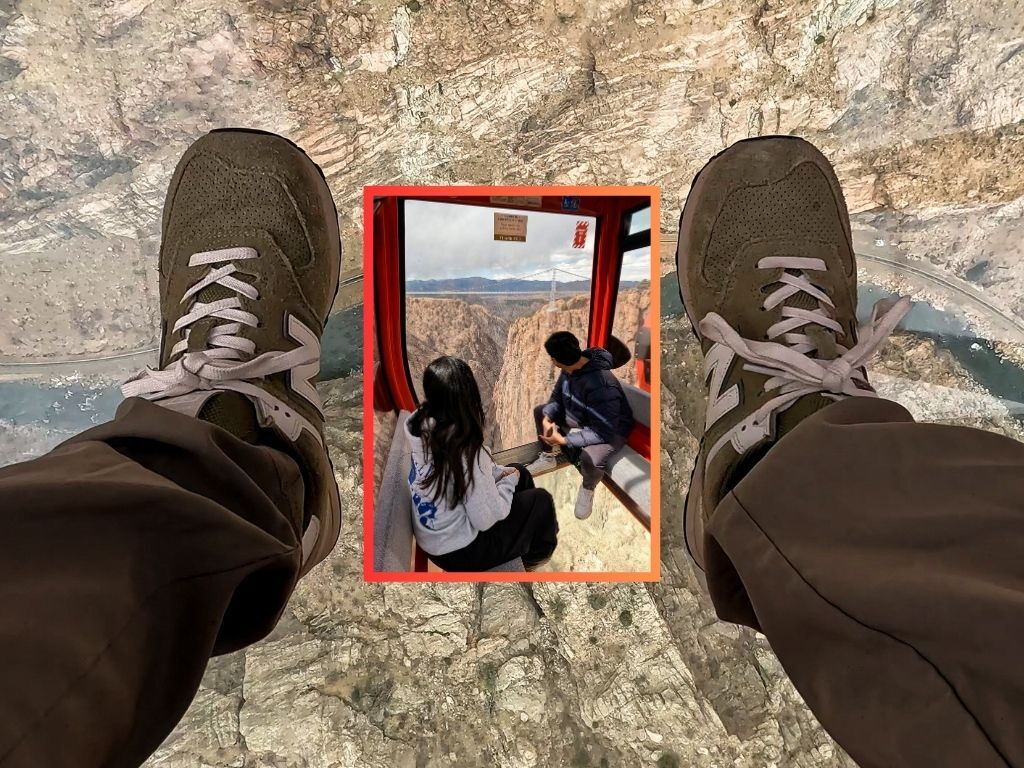
Colorado’s first ‘glass-floored’ gondola makes debut 1,200 feet above canyon floor
Spencer McKee
spencer@outtherecolorado.com
Updated 9 hours ago
Colorado’s first ‘clear-floor’ gondola is open for business – but you won’t find it at a ski resort. Suspended about 1,200 feet above the canyon floor, the clear floors of the Royal Gorge Bridge and Park gondola are designed to...

Spencer McKee
Reporter

Denver Restaurant Week is back with deals starting at $25
Bernadette Berdychowski
bernadette.berdychowski@denvergazette.com
Updated 7 hours ago
Denver Restaurant Week has returned. The 10-day celebration of the local restaurant industry begins this Friday. The annual event is in its 22nd year and usually occurs in March, a typically slower period for Denver’s restaurant industry. This year’s edition...

Bernadette Berdychowski
Reporter
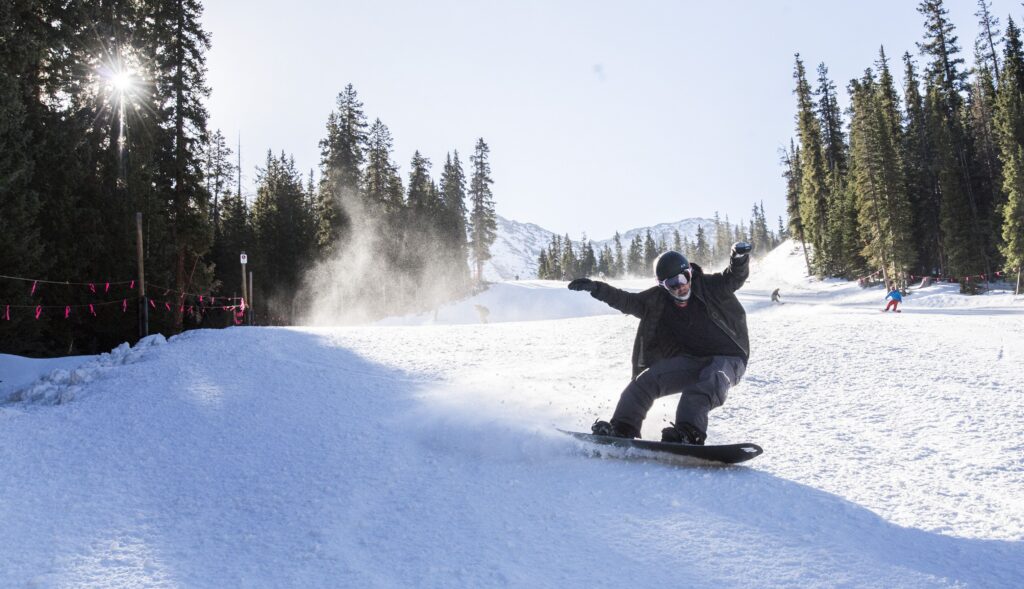
Colorado’s outdoor economy growth slowing
Bernadette Berdychowski
bernadette.berdychowski@denvergazette.com
Updated 8 hours ago
The post-pandemic boom in the outdoor recreation world appears to have slowed, according to new federal data. The industry is still growing nationwide, but it’s been slower than in past years. The trend is evident in Colorado, as well, though...
Bernadette Berdychowski
Reporter