




In Colorado and beyond, art therapy is a surprising route toward healing
When the words won’t come, therapist Tara Alexander has an idea for her patients.
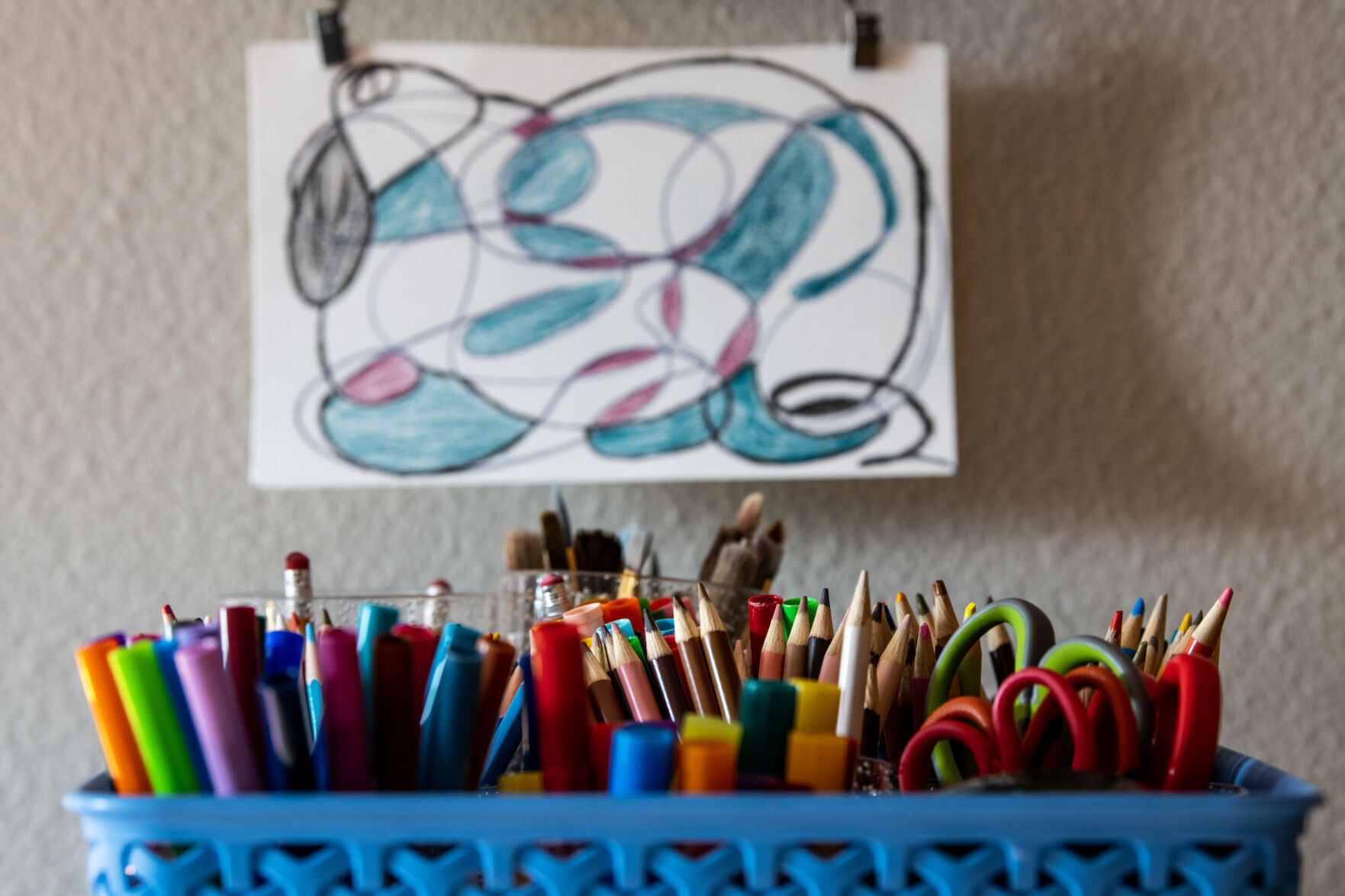
How about drawing? she might ask. Or painting? Or clay sculpting? The possibilities are endless from the cupboard in her Colorado Springs office, filled with markers, colored pencils, brushes, yarn, tinsel, pipe cleaners, bits of wood and textile, beads, confetti, googly eyes, jingle bells and on and on.
“Let’s create something,” Alexander might say.
“Some people are like, No way, this is too weird,” she says. “Maybe 10%.”
Most are willing to try anything to heal. Art has that power, Alexander insists, along with her fellow therapists certified to apply this particular practice.
Alexander is one of three dozen specialists listed by the Colorado Art Therapy Association. The group is an affiliate of the national organization committed to raising awareness of the profession, which, simply put, “uses the creative process to improve and enhance the physical, mental and emotional well-being of individuals of all ages,” according to the association’s website.
The association maintains art therapy is used to treat anxiety, depression, trauma, loss and victims of substance abuse and domestic violence, among others.
“The act itself is therapeutic in that it transports us away from our daily stresses,” the association states. And during the act, “we may inadvertently experience emotional expression, understanding of ourselves and moments of personal insight into problems.”
A therapist is meant to be a guide in those moments. But the treatment is believed to be deeply rooted in humanity, turned to long before clinics.
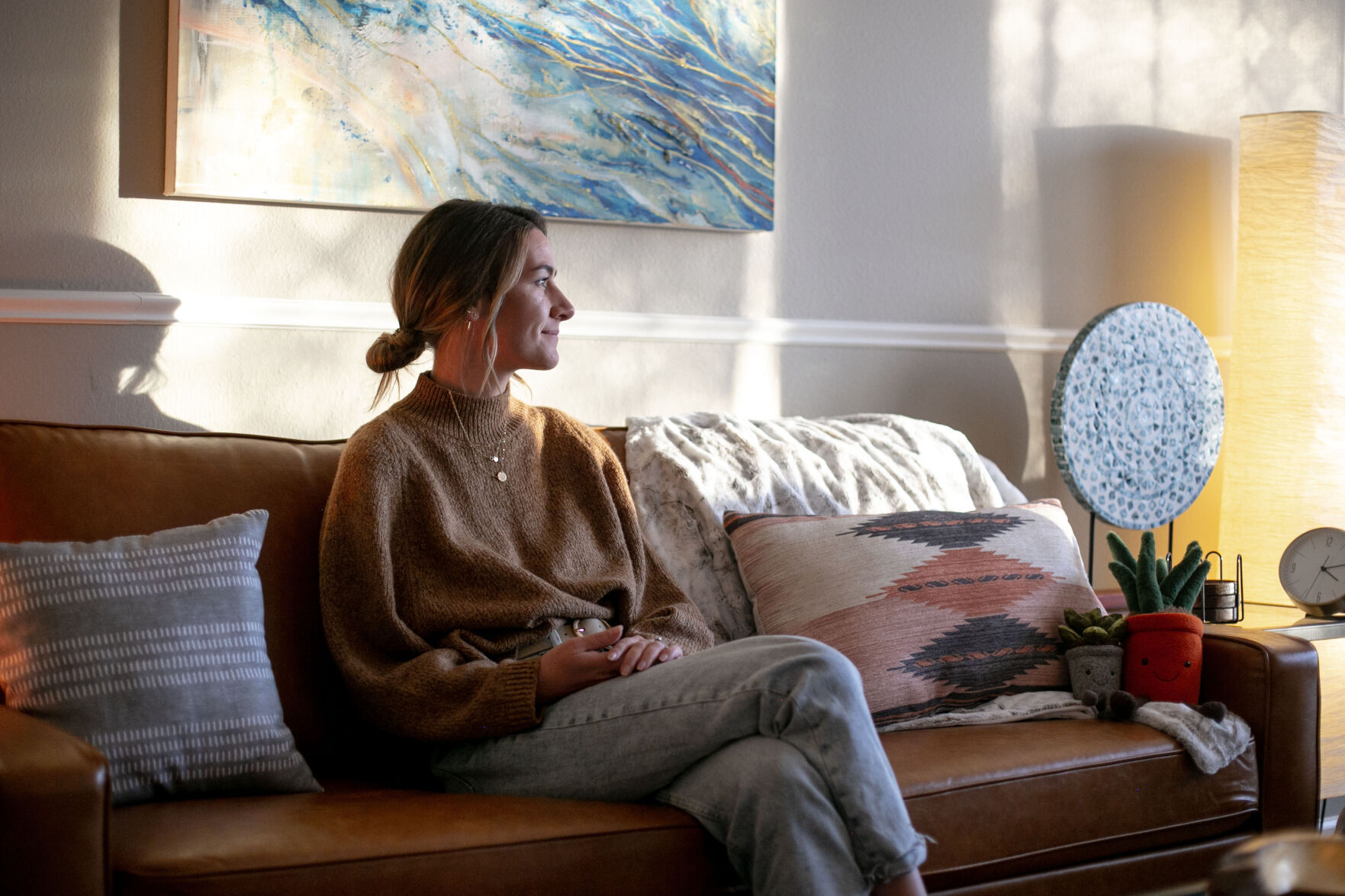
Research has focused on Indigenous cultures that have acknowledged the mental and emotional significance of art, dance, music and storytelling. In Western culture, art therapy emerged as a profession in the 1940s, around the time educators were increasingly connecting children’s artwork with their developmental growth.
By the mid-2000s, art therapy had entered the mainstream enough for a teenager in Colorado, Colleen Froehlich, to find it listed in a career book.
“It caught my attention,” she recalls now in her Colorado Springs office. “It seemed like this beautiful blend of creativity and working with people.”
Froehlich went on to earn a master’s degree and undergo two years of supervised work, as required to earn registered status. A lot of complex learning is involved — somewhat distilled, Froehlich says, in the Pixar movie “Inside Out,” a coming-of-age story about a girl and the characters inhabiting her: Joy, Sadness, Fear and Anger.
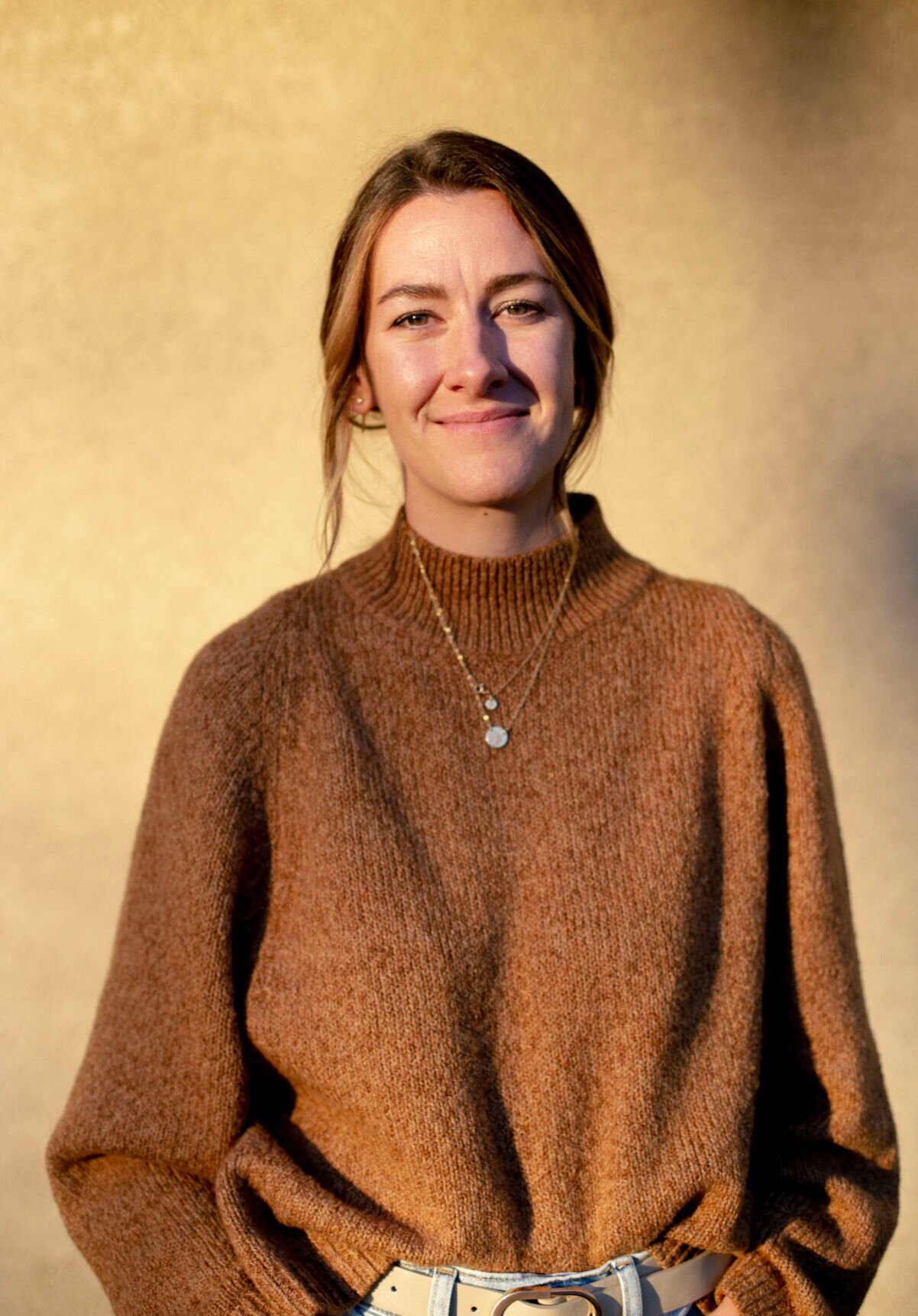
Art therapy is largely about externalizing, Froehlich explains. Art “gives (patients) distance,” she says. “Instead of saying, ‘I’m an angry person,’ they can kind of take this part of them, put it outside of themselves and say, ‘No, this is just an angry part of me. This is not all of who I am.’”
Nor are they all of their sadness and fear. Stephanie Williamson harbored this when she consulted Alexander.
“Art has been a way not only to express my feelings, but to improve myself,” she says. “It helps me feel better about myself, and it helped me discover where my issues were and to work through them in a visual process.”
While she went to therapy as a practicing artist, Jason Duffy went without as much experience. He suffers from depression and anxiety, which he’ll commonly treat by painting guitars.
“I notice when I got into an art therapy (session), it definitely calms me down,” he says. “I feel like it’s working a different part of the brain.”
Indeed it does, Alexander says.

“When you do talk therapy, you’re using the top part of your brain, that logical, top part,” she says. “There’s all these layers of the brain, and art therapy integrates all of it. Right, left, it integrates sight, smell, touch. It gets to the lower levels of your brain, where trauma is stored.”
She was reaching for it before she knew it as a child, drawing and coloring as she loved to do. She still draws, keeping her work in binders.
She shows one now: a fiery scene with a dark sky. “I was pretty mad about something,” she says.
The next scene is brighter. “The sky is clearing,” she says.
Get OutThere
Signup today for free and be the first to get notified on new updates.
PREV
PREVIOUS
In North Park Hill, residents utilizing former golf course for community building
A small group of residents and vendors in North Park Hill have been gathering on Thursdays at the former Park Hill golf course to sell clothing and food; often giving out meals and more to members of the community, which many residents say is lacking some basic infrastructure. Video by Tom Hellauer
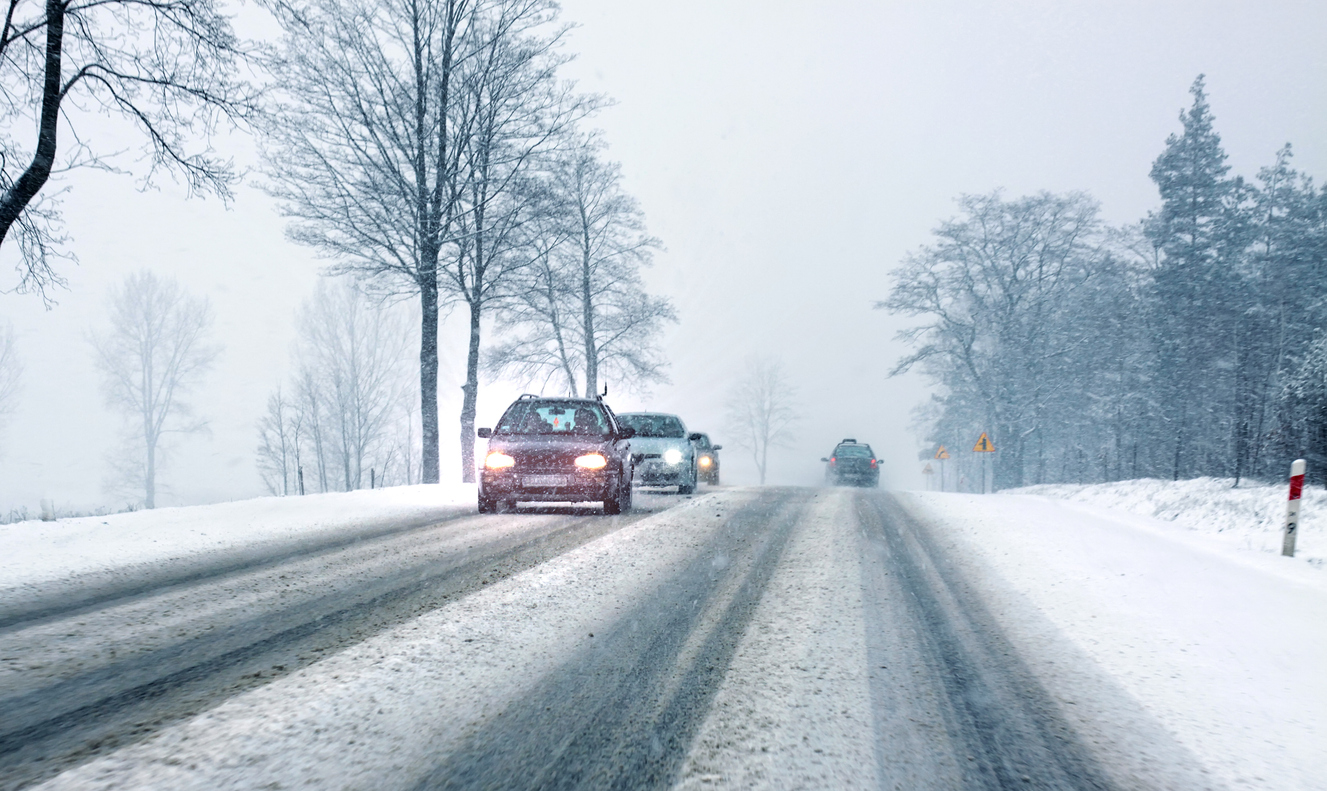
WARNING: Large snow squall moving through southern Colorado at 30 miles per hour
A large snow squall has been detected moving at approximately at approximately 30 miles per hour from six miles east of Rocky Ford to 20 miles west of Walsenburg. The National Weather Service warns of intense bursts of snow and strong winds that can create extremely dangerous and cold conditions, capable of severely limiting visibility […]