New Swansea park marks end to major construction on I-70
Sixty-one years ago, in 1961, construction of Interstate 70 through the heart of the Swansea-Elyria neighborhoods began, destroying 31 houses and further dividing a community that has existed since the late 1800s in the process.
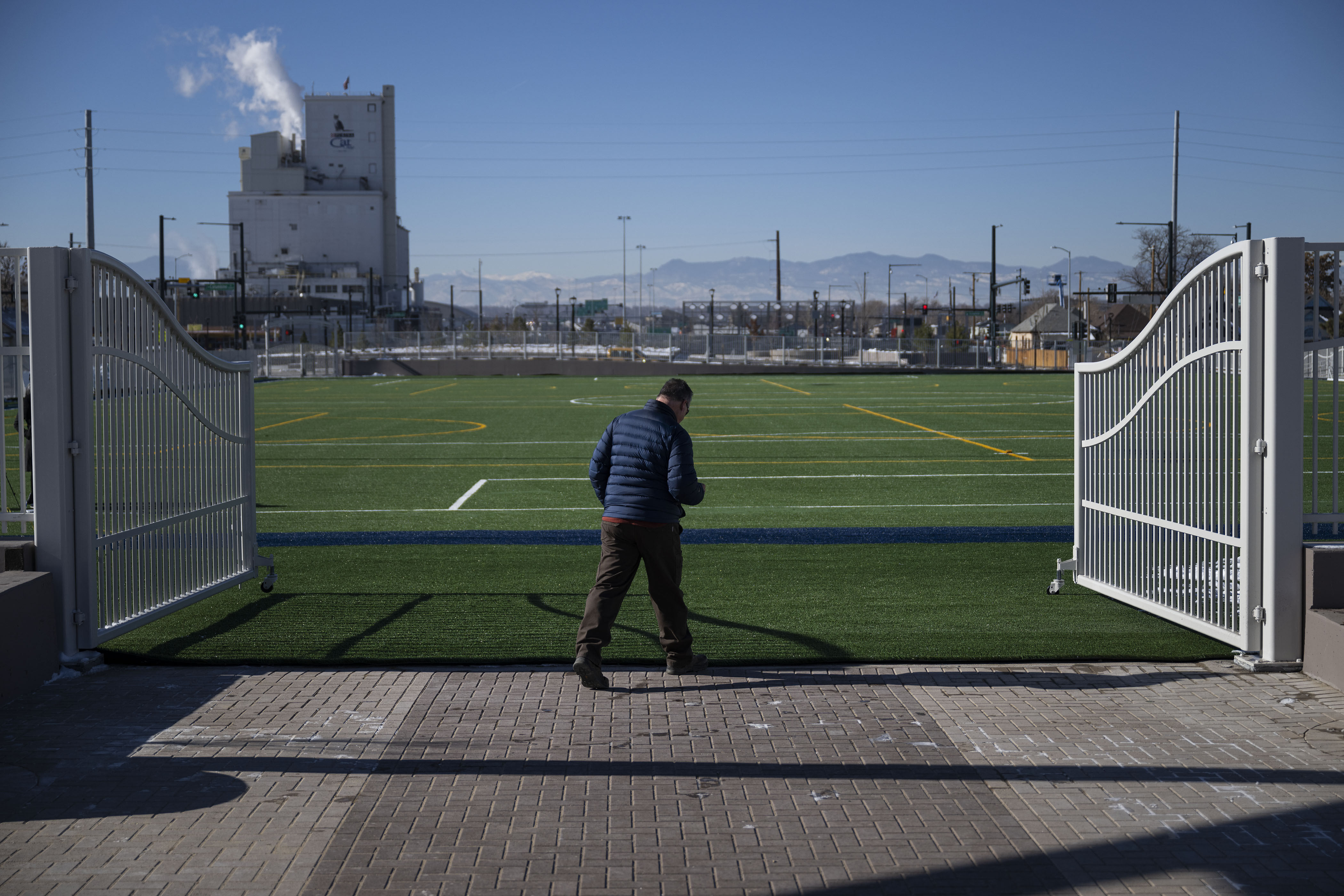
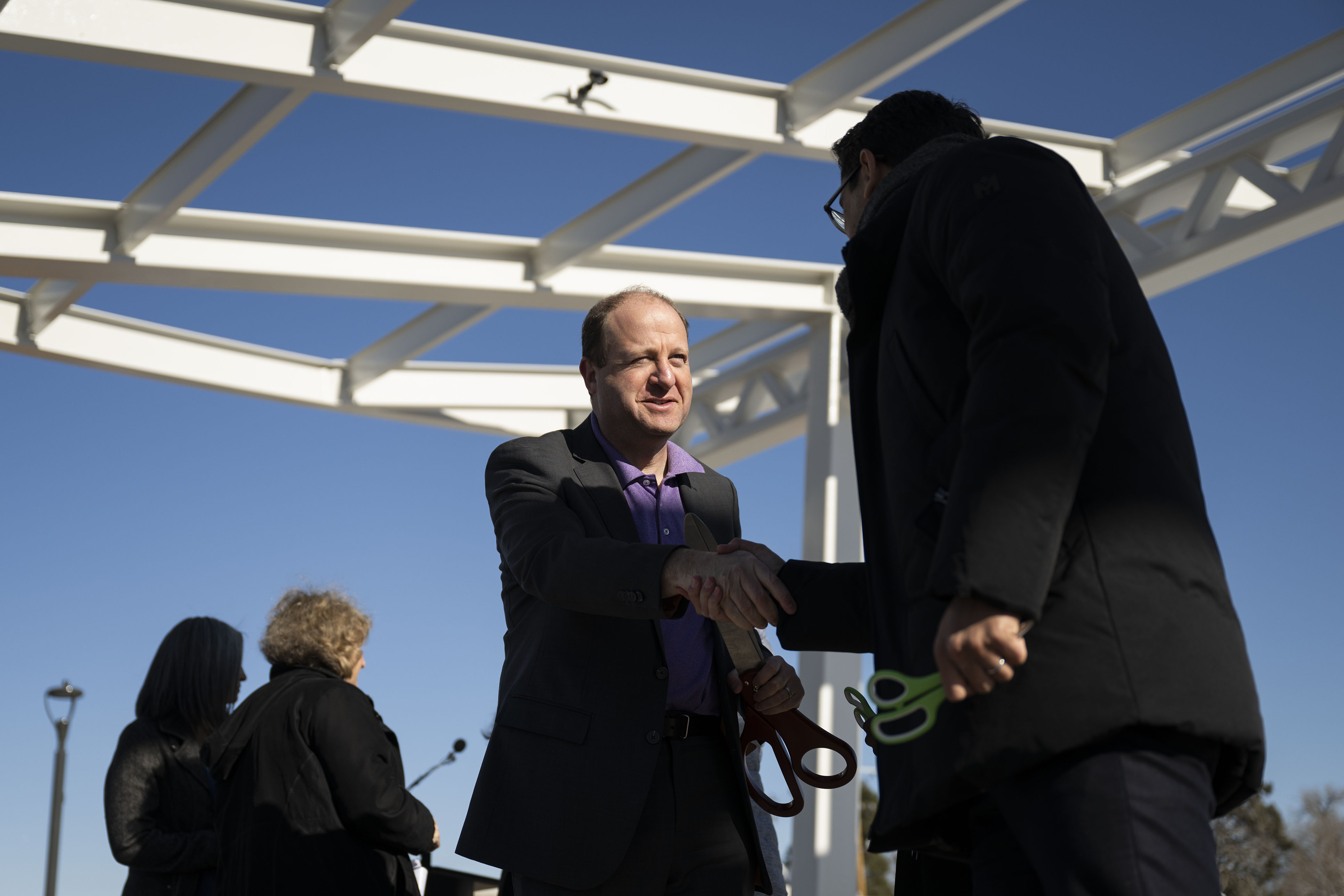
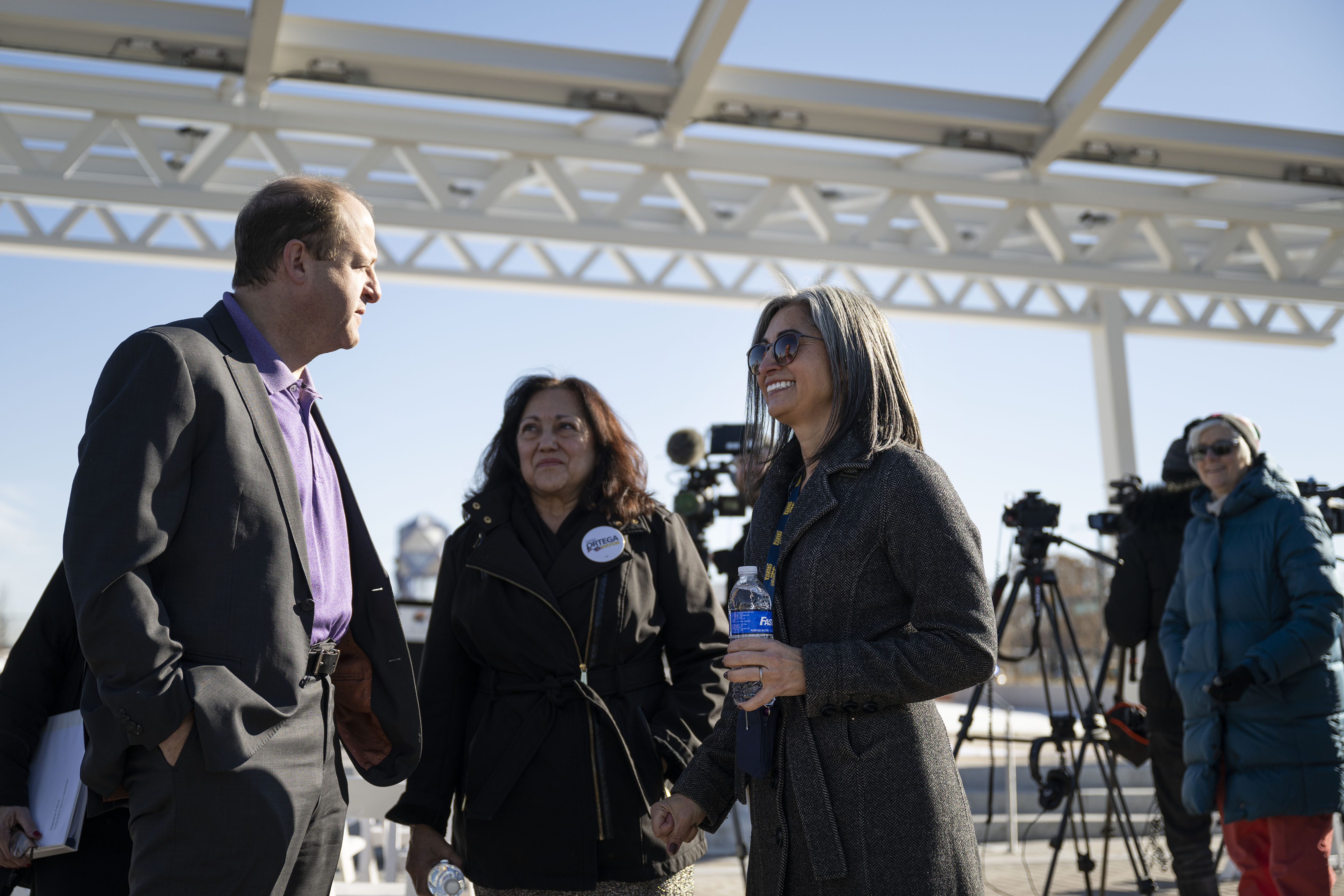
The Colorado Department of Transportation on Wednesday officially opened the 4-acre cover park over I-70, reuniting the north and south sides of the communities and completing major construction of the $1.3 billion Central 70 Project.
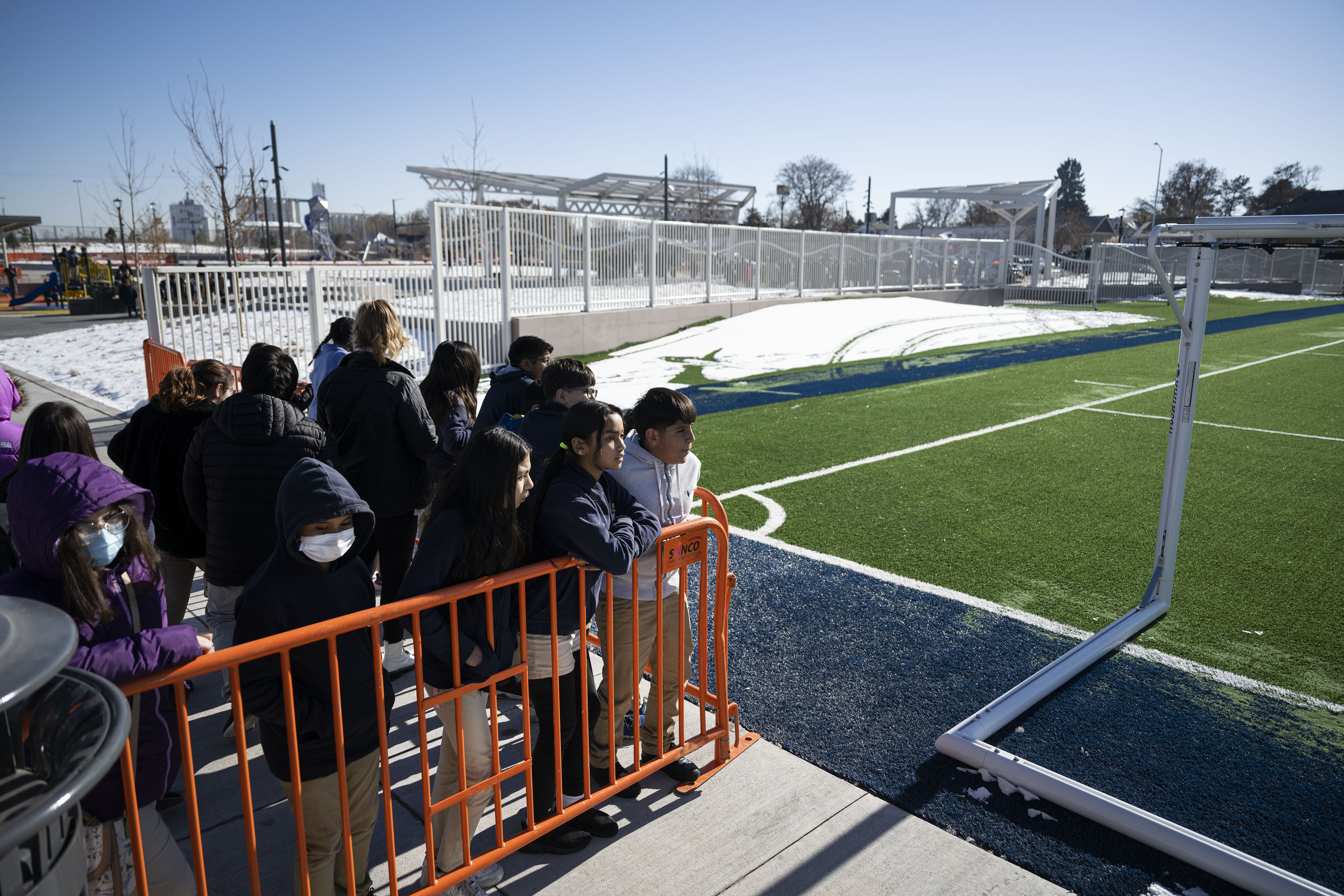
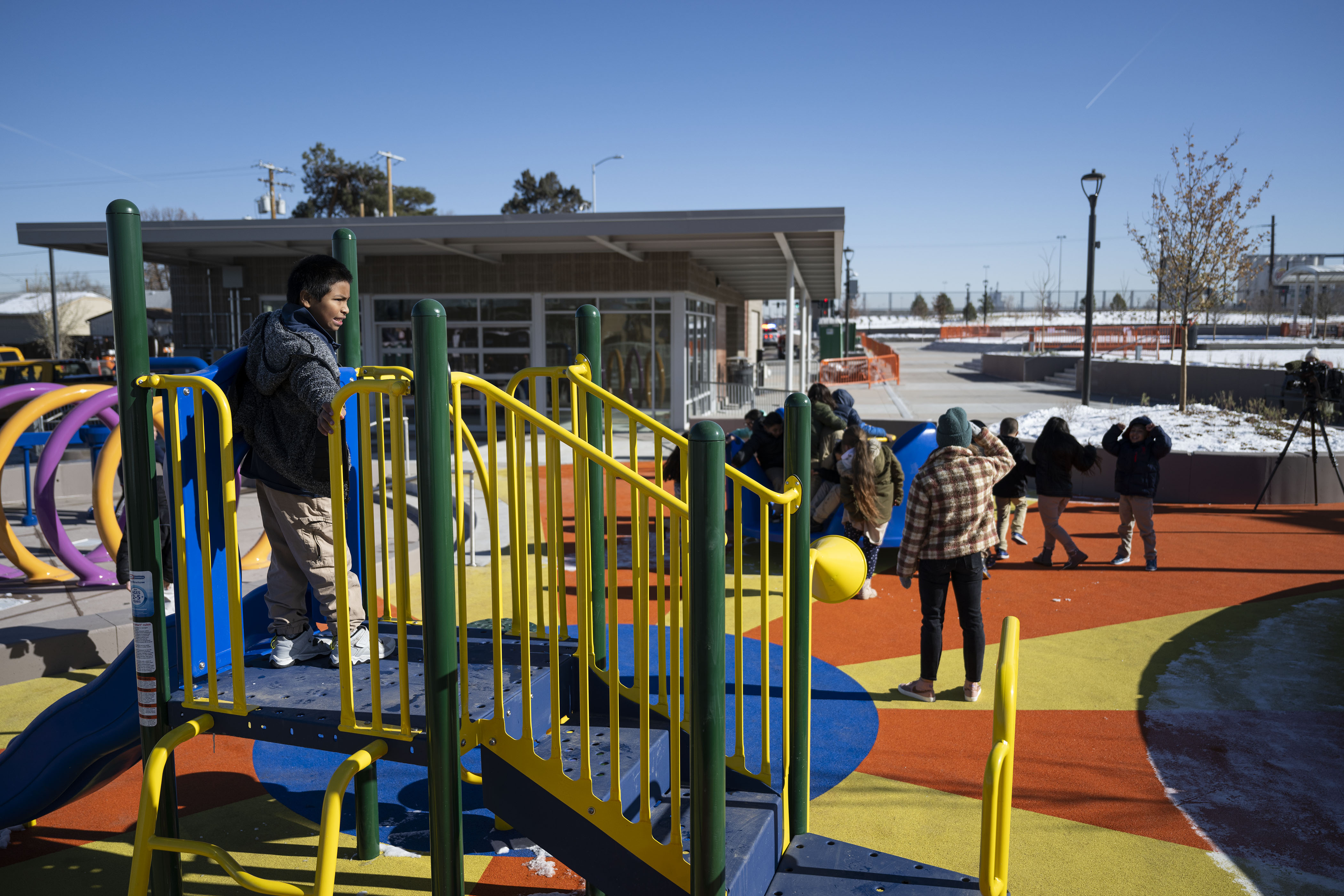
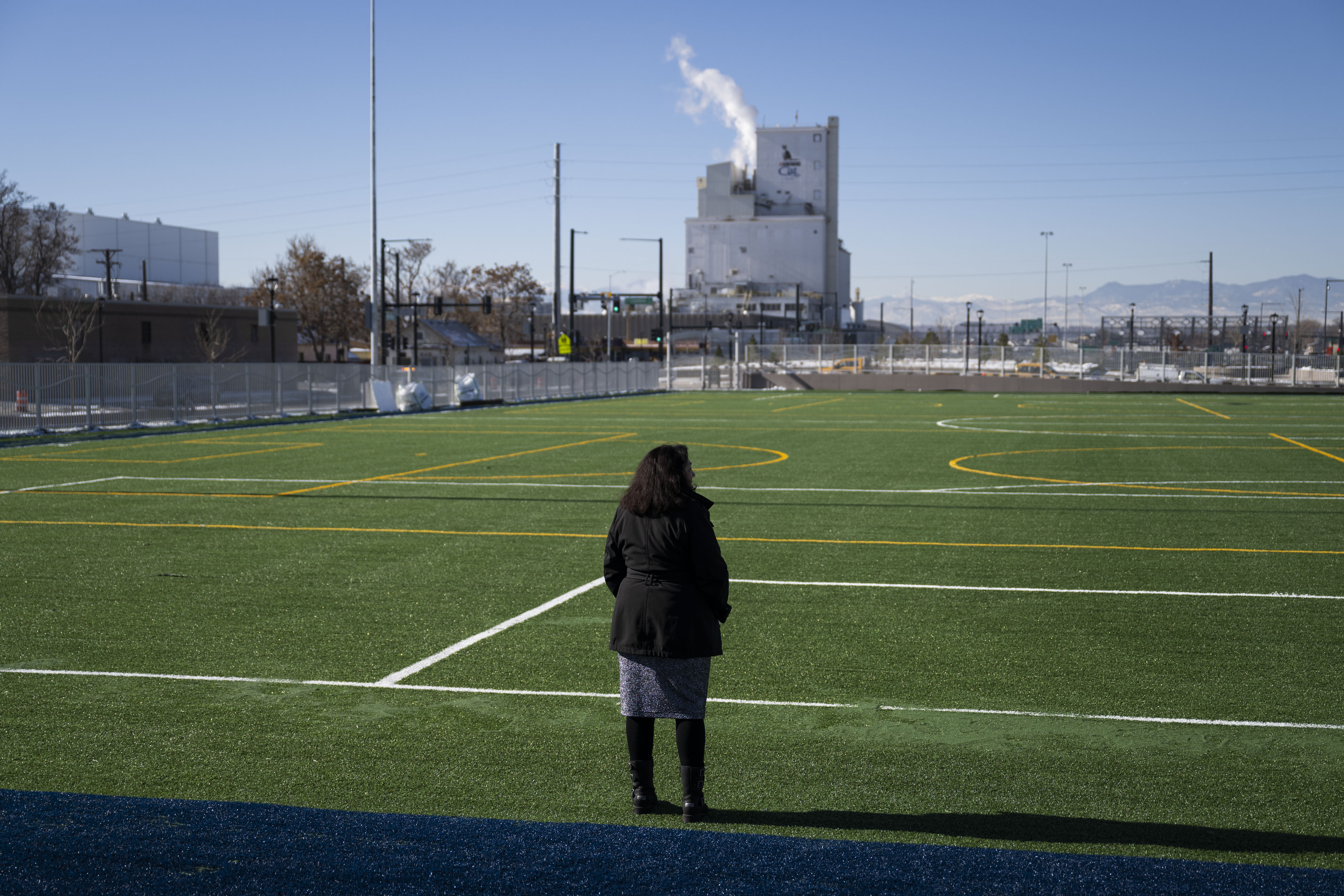
The park includes soccer fields, an amphitheater, and a new playground for Swansea Elementary School.
“It’s really one thing to have seen this drawn on paper years ago,” Gov. Jared Polis said during the ribbon-cutting ceremony. “It’s another to be standing here with a field on one side, an amphitheater, and a state of the art playground on the other side, really seeing the power of community and the power of connectivity.”
Originally populated largely by Eastern Europeans eager to work in the smelting and meatpacking industries that flourished along the South Platte River, the Swansea-Elyria-Globeville neighborhoods were divided long ago.
Barriers include the South Platte River, railroads, and industrial areas, including the Globeville Smelter, now an EPA Superfund site, and the Denver Union Stock Yard Company, which opened in 1886 and eventually became the home of the National Western Stock Show.
With the building of Interstates 25 and 70 in the 1960s, most descendants of the European immigrants sold their properties and the demographics changed.
Many of the new residents came from Latin American countries, bringing their own cultures and traditions, according to History Colorado.
In 2018, fifth-generation resident of Swansea, Denver Councilwoman Candi CdeBaca, sat down with History Colorado to speak of her experiences living in the area. The oldest of three children, CdeBaca remembered stories of resistance to the highway.
“The unfortunate part about it is that when this highway was put in, my grandpa recalls how the community fought against it. But at the time, there weren’t civil rights protections to be able to fight having it put it in,” CdeBaca said.
She still lives in the house first occupied by her great-grandparents, three blocks south of the new park.
Completed in 1964, the I-70 viaduct carried hundreds of thousands of vehicles per day overhead, while local traffic flowed underneath.
Pedestrians were given short shrift as far as access from one side of the viaduct to the other, with a lack of sidewalks that made crossing difficult and sometimes dangerous, according to CDOT.
“We used to jump the fence at Colonial Manor,” CdBaca told History Colorado. “We used to cross through there to get to the pool. The barbed wire wouldn’t stop us. We would layer our towels on it and jump over.”
The plan for removing the viaduct and lowering the highway below grade began more than a decade ago. An integral part of the project was to build a cap over the sunken highway and create both a park and a safe way to reunite the fractured north and south sides of the Elyria and Swansea neighborhoods.
“The overall project has reconstructed 10 miles of highway along a stretch of roadway that serves 200,000 cars a day and was previously described as one of the most dangerous highways in America,” said Federal Highway Administration Acting Administrator Stephanie Pollack.
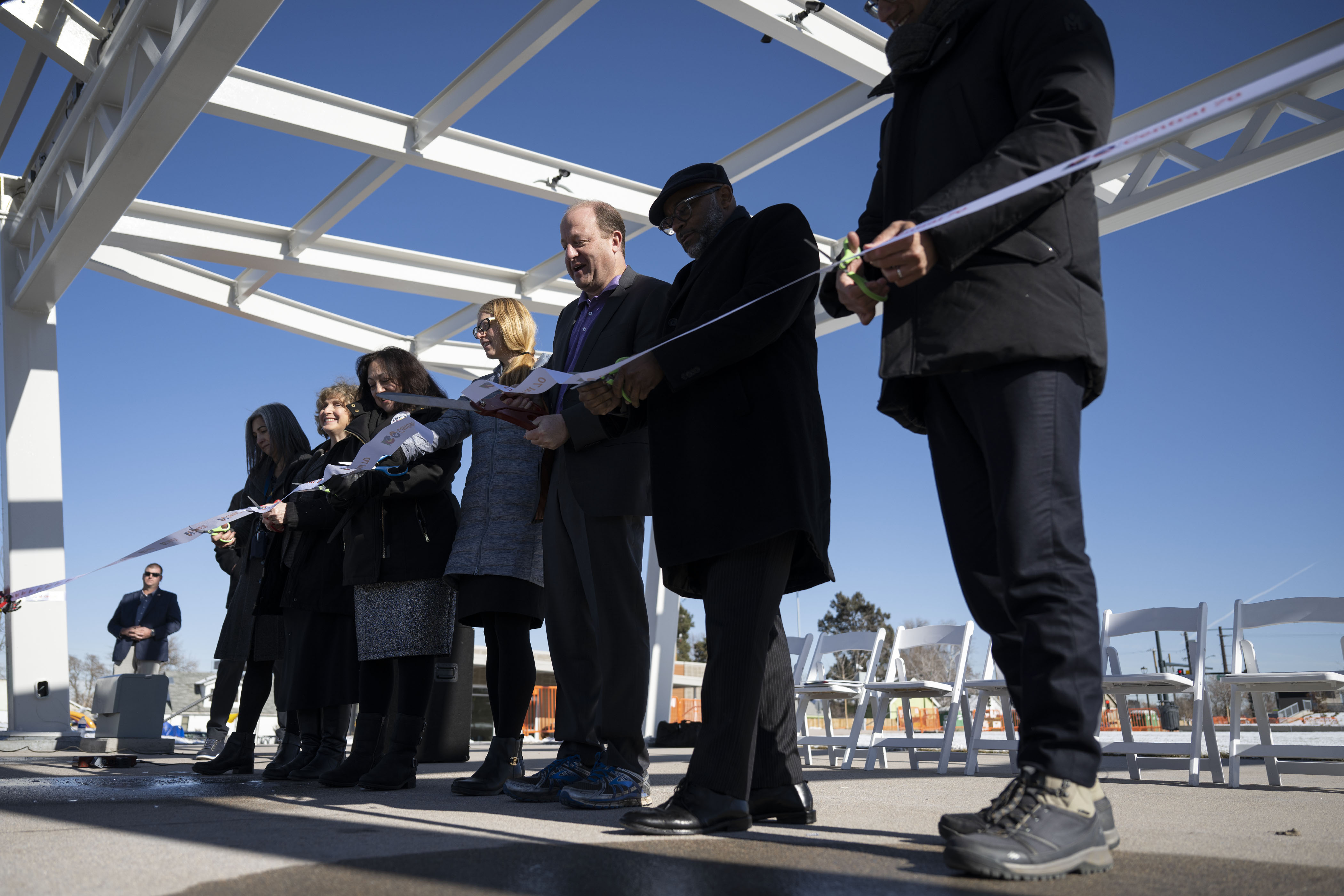
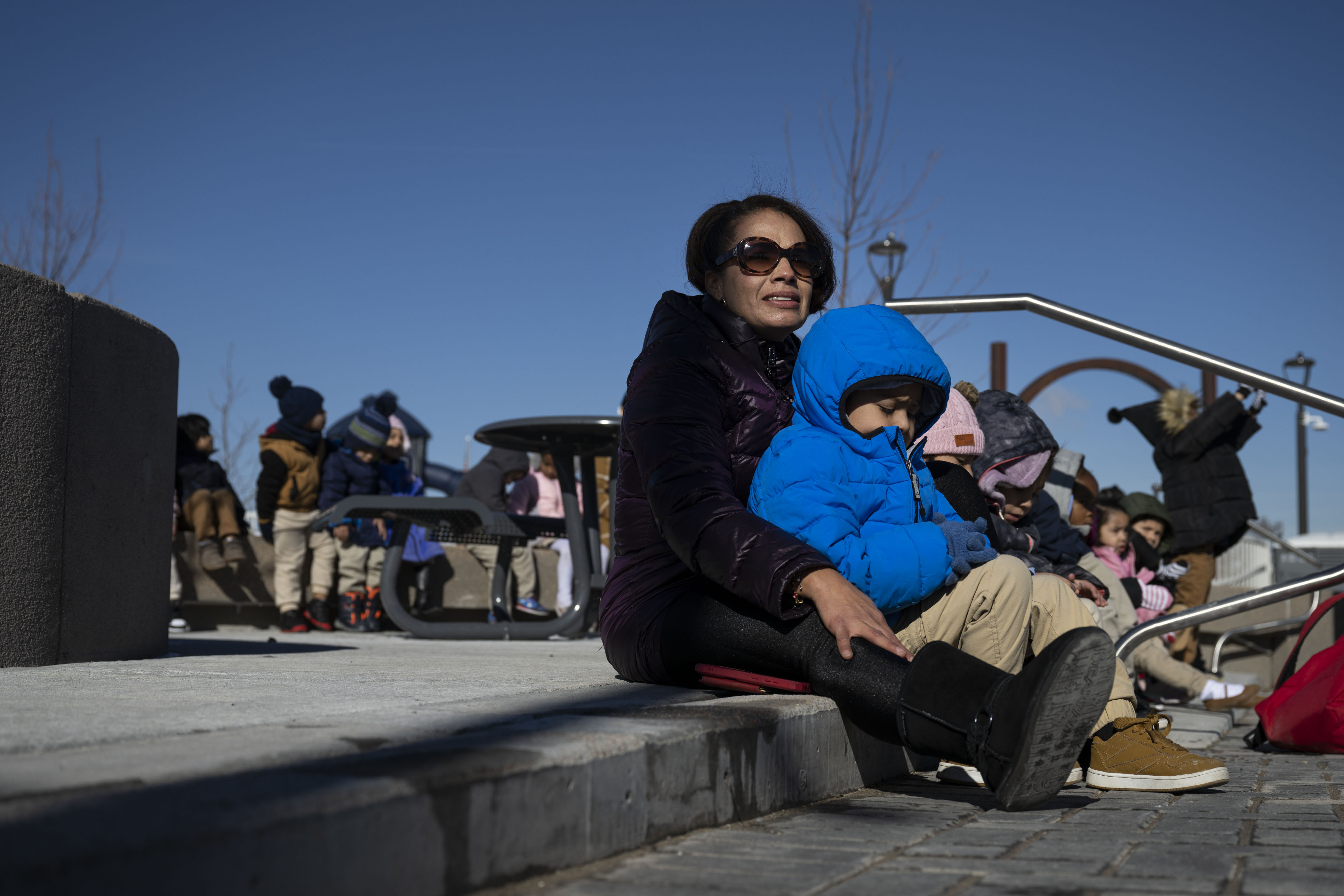
At the request of Shoshana Lew, the CDOT executive director, attendees at the ceremony stopped to listen to the barely perceptible sound of traffic below their feet that used to be a constant roar for residents.
“The negative impacts of health on the residents living near highways cannot be understated,” said Denver Councilwoman Debbie Ortega. “Working collaboratively with the state and local partners, we were able to achieve unprecedented commitments to the community, including the park that is opening here today.”