







Aurora History Museum to reopen after flooding damage
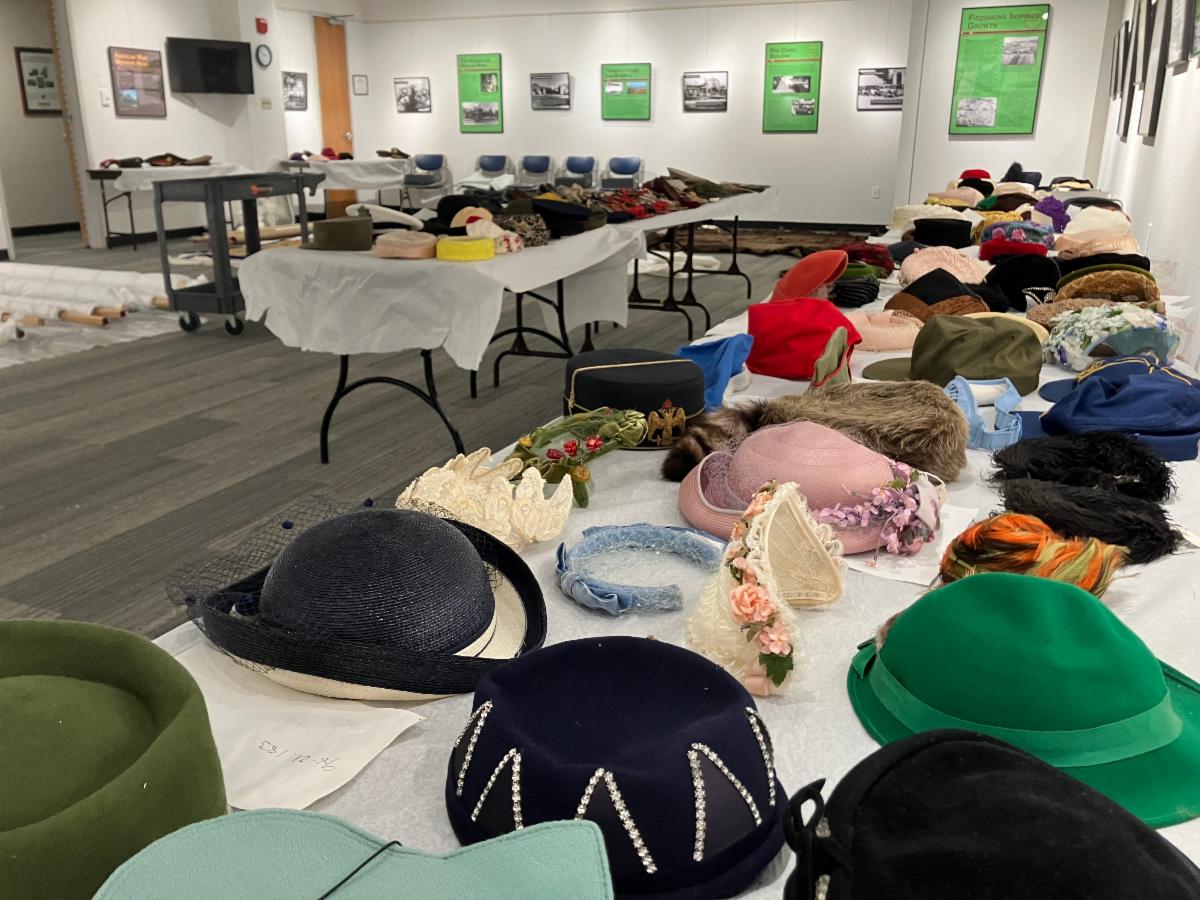
The Aurora History Museum is slated to reopen Tuesday after a pipe burst and flooded portions of the museum, closing the facility for several days.
The pipe burst some time between Dec. 24 and Dec. 27 on the museum’s second floor. Portions of the building flooded, according to an update the museum posted on social media. The incident affected the museum’s gift shop, offices and collection areas.
Although the flooding did not affect exhibits, some artifacts in the museum’s collections did get wet and slightly damaged, the museum said. The museum is a member of the Colorado Cultural and Historic Task Force, which responded to help inventory items and assess their damage.
The museum moved textiles including hats, shoes, clothing and other hanging objects into exhibit spaces while they dried.
The city did not know the cost of damages to the museum or artifacts as of Monday, a city spokesman said. None of the artifacts were a total loss. Textiles that were damaged, mainly hats, will need “minimal conservation treatments,” the spokesman said. Additional artifacts are still being evaluated.
When the museum doors open again, visitors will find multiple exhibits, such as the permanent Growing Home exhibit about the city’s historic trolley, and the “Mosaic of Cultures: Aurora’s Mexican Community” exhibit, which opened in May and runs through April. The most recent exhibit opened last month and explores the history of the former Fitzsimons hospital base.
The “Fitzsimons to Anschutz: The History of Army General Hospital No. 21” installment lays out how the Fitzsimons medical complex developed and delves into its century-long impact on the city.
“Fitzsimons Hospital is synonymous with the history of Aurora, and I hope that museum visitors will learn about the significance of the role that Fitzsimons Hospital has had in shaping the city’s growth and the nation’s armed forces history,” Aurora History Museum Director T. Scott Williams said in a news release.
The site opened during World War I as an army hospital and evolved into a state-of-the-art medical campus, boasting world-renowned respiratory treatment facilities and caring for famous patients such as President Dwight D. Eisenhower.
The hospital employed many city residents and spurred new neighborhood developments all around the base, according to the city website. The U.S. Army deactivated the center in 1999. The site today is home to the Anschutz Medical Campus, which employs 15,000 people. The exhibit opened last month and runs through March 12.
In May, the history museum and the Aurora Office of International and Immigrant Affairs unveiled the “Mosaic of Cultures: Aurora’s Mexican Community” exhibit in an effort to showcase the culture and traditions of Aurora’s Mexican community, according to the museum website.
The exhibit explores popular music, art, dance, clothing, food and religion, and was formed using feedback the city received while conducting community outreach in English and Spanish.
The exhibit strives to heighten awareness about the Mexican community’s contribution to city history, according to the museum. About 20% of the city’s population has family origins in Mexico, the 2020 census showed.
“This unique community tremendously impacts the cultural fabric of our city,” Williams wrote in a statement on the exhibit webpage. “The people of Mexican descent who call Aurora home come from all walks of life and have their own individual stories of immigration or a long family history that predates Colorado statehood.”
The museum’s permanent display Growing Home tells the story of Trolley Trailer No. 610, a fully restored 1913 trolley trailer, as well as 100 years of city history. Restoring the trailer took volunteers four years and more than 4,500 volunteer hours, according to the museum.