







What does Denver’s new building code mean for building residents, owners?
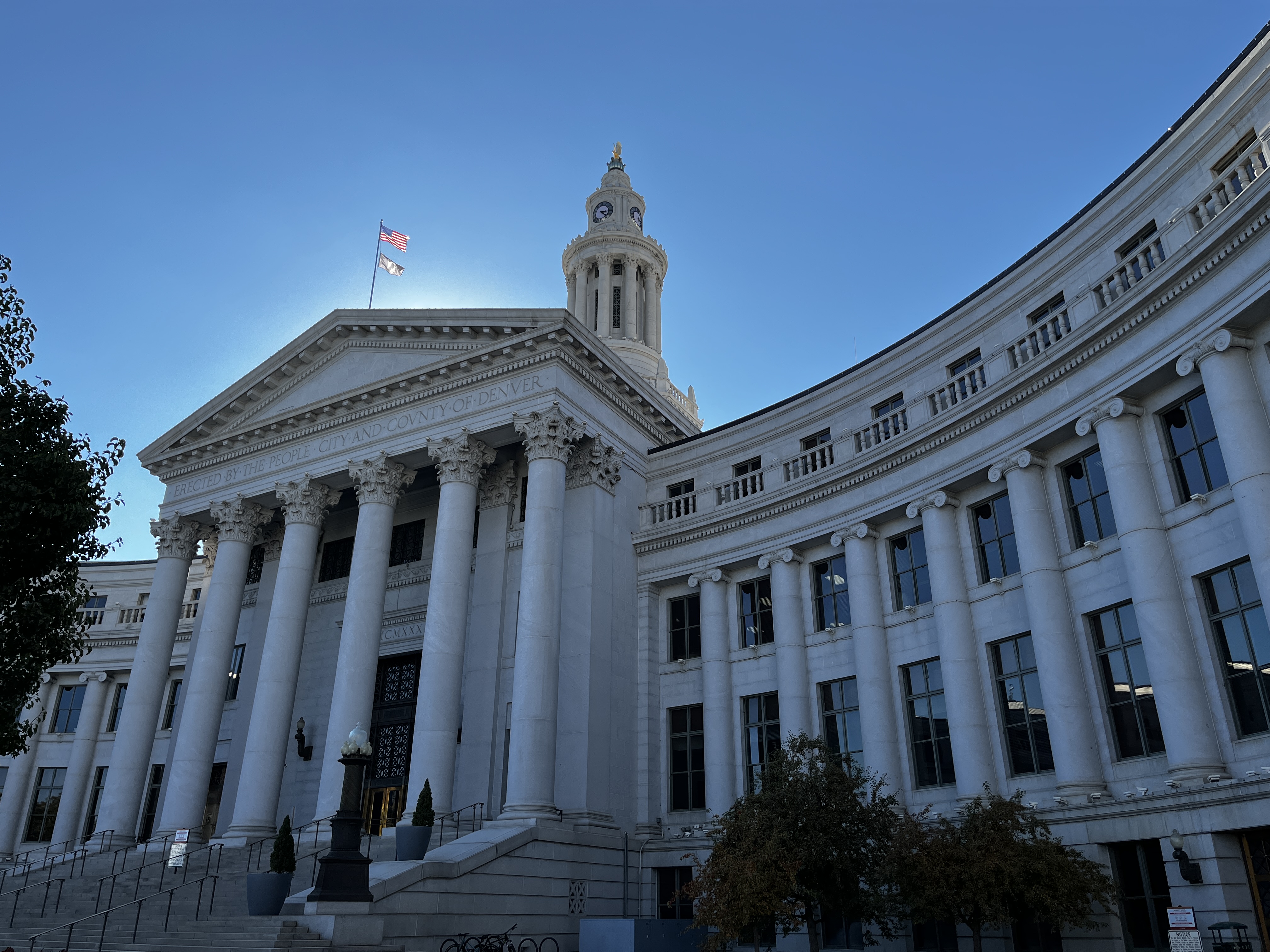
Despite a major push by foes of fossil-fired energy, Denver’s city council ultimately decided against requiring residents to electrify their homes under the newly adopted 2022 building, fire and green code.
Instead, the code changes — the first of three planned updates staggered through 2027 — will apply to commercial and multifamily buildings larger than 25,000 square feet.
Under the new rules, commercial and multifamily buildings can no longer receive a “quick permit” beginning in March for replacing specific equipment for gas-fired heating and cooling equipment.
A quick permit is trade-specific and can be issued without going through a plan review. The codes will require permitting for what’s referred to as like-for-like replacement to be the same as the process for heat pumps.
Supporters argue that electrification will improve health and safety, not to mention help Colorado transition away from fossil-fired energy. Critics counter that electrification is costly and that idea of “net zero” is unattainable — particularly because a significant part of the energy load that powers electrification also comes from natural gas. Supporters of natural gas also note that its use has, in fact, helped the U.S. cut down its greenhouse gas emissions, as natural gas combustion emits less carbon dioxide than coal or oil.
City Council voted to adopt the new codes on Monday night after the proposal cleared the land use, transportation and infrastructure committee in December.
Other changes are coming in 2025 and 2027, notably stricter requirements on gas-fired furnace replacement. In 2025, any replacement of a gas-fired, exterior furnace must be with an electrical system. By 2027, code updates will require 50% of heating needs to be generated by electrical systems when replacing a gas-fired unit.
The longer permitting time and preference for electrical systems could mean increased costs for new construction that must comply with the new codes.
While these changes only affect commercial and multifamily buildings, Laura Swartz, the communications director at Denver’s Department of Community Planning and Development, hinted the debate on residential electrification is far from over.
“That’s under consideration,” she said. “The reason we made the building code changes as we did last night was to actually implement a 2021 city ordinance called Energize Denver.”
Any changes to code for single family residences or duplexes will require “conversations with the public” and other stakeholders, Swartz said.
Swartz added the last thing the city wants people to do is rip out “perfectly good systems” to replace them with electric systems.
Incentives are available to Denver residents who wish to electrify their homes.
Denver’s Climate Action Rebate Program reopened to residents Monday, according to the city’s Climate Action, Sustainability and Resiliency department. City rebates can be stacked with other incentives available from Xcel Energy, which advocates say would ease the cost of transitioning away from gas heating.
“Any time you want to illicit a change, there’s multiple ways you can go about it: You can regulate it, or you can incentivize it,” Swartz said. “This is a ‘both, and’ approach. We are adjusting our codes and our laws … But then at the same time we’re incentivizing through the use of rebates.”
Electrification offers climate benefits, according to Katrina Managan, director of buildings and homes at CASR.
“Efficient electric heat using heat pumps is a high impact way to drive immediate climate benefits,” Managan said. “Methane, the primary component of natural gas, is released when we use natural gas and is 80 times more potent than carbon dioxide as a driver of climate change.”
CASR insisted that heat pumps proved their mettle during Denver’s historic cold snap a few weeks ago and that nearly a dozen residents who installed them in previous years told them they worked.
Managan said another benefit of electrification is improved health and safety.
“In 30% of income-qualified homes in Denver today, gas equipment fails carbon monoxide tests,” she said, citing Energy Outreach Colorado. “Electric heating also lowers exposure to indoor air pollutants.”
Energy Outreach Colorado is non-profit that raises money to help low-income Coloradans afford energy.
This exposure can exacerbate respiratory symptoms, such as asthma, according to the the Rocky Mountain Institute.
Electrifying a city of 700,000 residents will mean increased electrical consumption and high conversion costs.
Evelyn Lim, director of policy and research at the American Cornerstone Institute, in June produced a report for the Common Sense Institute examining the costs and benefits of converting to electric heating.
The results? Electrification could cost up to $68 billion statewide.
And it may not even result in true net zero emissions.
“It’s kind of like the same thing with electric vehicles,” Lim said. “Because you are actually using natural gas to power the grid that powers your car, you’re not really net zero.”
In its analysis of legislation that requires the adoption of “green” building codes, Lim’s report puts the incremental cost for each new residential build at between $6,450 and $22,352. Of more concern, the report said, are the economic effects of retrofitting existing housing stocks.
Lim also cited a report by Black Hills Energy that examined the potential costs of full electrification of Rocky Ford, a town famous for its watermelons and cantaloupe in the Arkansas River Valley in Otero County, in extrapolating the overall costs for statewide retrofit electrification.
The Black Hills Energy report says it would cost between $46.5 million and $53.8 million to electrify the town of fewer than 4,000 people.
“For new builds that need to comply with the new Denver code, I can only presume based on other research that the costs will increase,” Lim said. “And those costs would ultimately be passed to the tenant and renter.”
Buildings and homes are responsible for most of Denver’s emissions and in 2020 accounted for over two-thirds of them. Transportation made up the remaining one-third, according to data shared on the city website.
Electrification will help reduce that, Managan insisted. Denver’s data showed one-fourth of city emissions came from natural gas, most of which is used for heating homes according to the city.
“Transitioning to electric heating and cooling is the clear path to reducing emissions in our buildings and homes,” she said.
Utilities have already begun transitioning away from fossil-fired energy.
Xcel Energy plans to reduce carbon emissions from electricity generation by 80% by 2030 on the way to 100% carbon free energy by 2050.
Denver’s goals are more ambitious — eliminate greenhouse gas emissions by 2040. At the state level, the goal is a 90% reduction in greenhouse gas emissions by 2050 compared to 2005 levels.
This may be unattainable, according to Lim.
“They’re not going to meet their targets unless they retrofit all these old homes,” she said. “They can say, ‘We put these targets out there for 2027,’ but, in reality, it’s just making a very small dent.”