




Public invited to help shape vision for Pikes Peak region outdoors
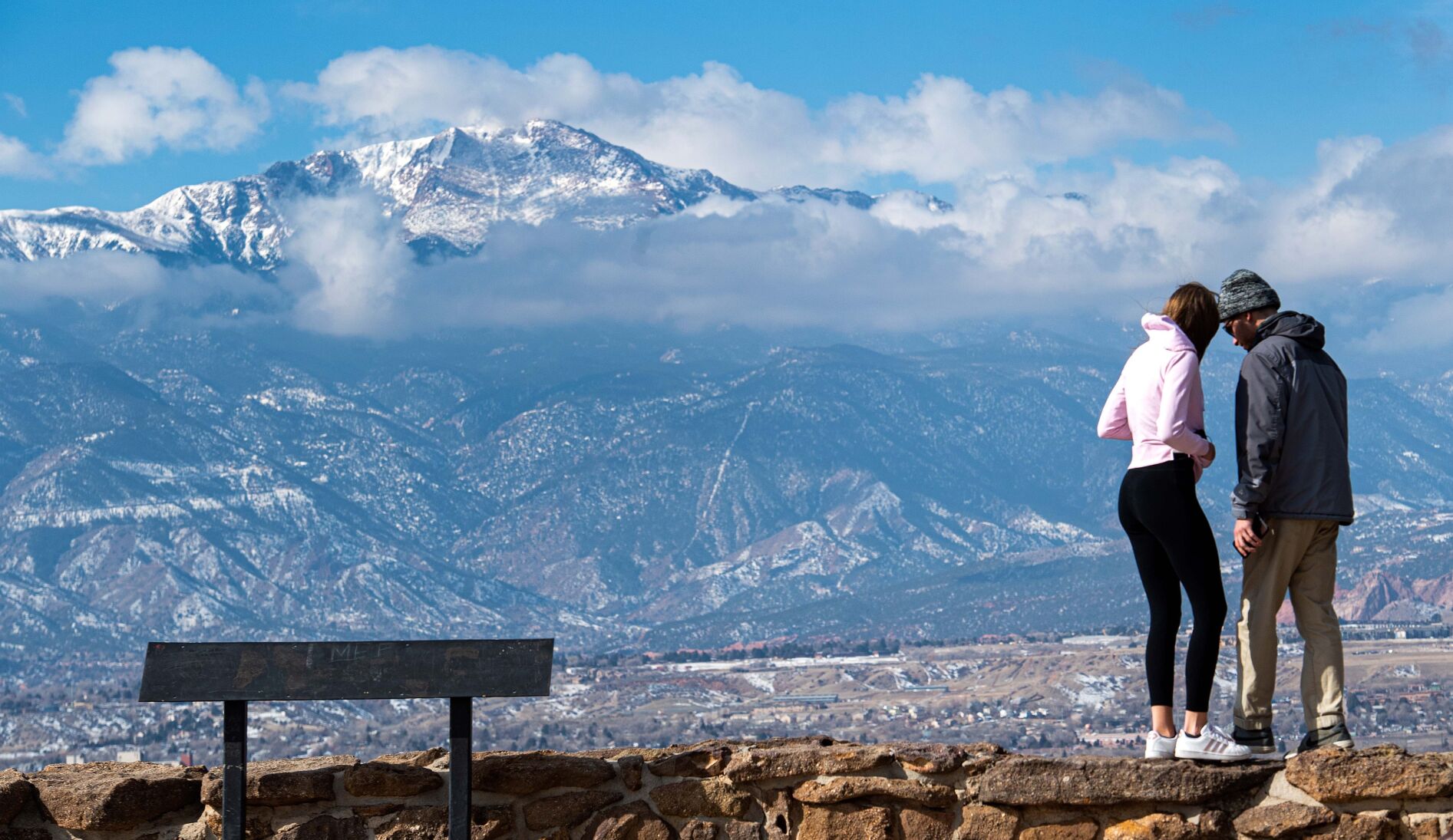
People concerned about the future of recreation and conservation across the Pikes Peak region are invited next week to make their voices heard during a series of sessions.
Meetings are set Monday through Saturday for areas of Colorado Springs, Woodland Park, Cripple Creek and around Cañon City. These are part of what’s being called the Outdoor Pikes Peak Initiative.
Land swap would grow Garden of the Gods, correct encroachment issue
The initiative has been years in the making under nonprofit Pikes Peak Outdoor Recreation Alliance (PPORA), which since 2017 has convened advocates, businesses and local, state and federal land managers. The expectation is for the effort to culminate in the summer of 2024 with a detailed document that envisions a broad, healthy landscape where people can play, animals can be protected and goals regarding water and fire can be met.
The initiative has been backed by the state; more than $200,000 in grants from Great Outdoors Colorado and Colorado Parks and Wildlife have funded PPORA to hire contractors, including landscape architects with Colorado Springs firm N.E.S. Inc. PPORA also has partnered with the University of Colorado at Colorado Springs to help build a database featuring an overlay map that depicts areas in the region for recreation and habitat concern.
“Taking this larger, landscape view just makes a lot of sense,” said Becky Leinweber, PPORA executive director. “Our funders are looking at it this way too. I think there’s been a little bit of a shift. … They have had to do projects and funding in a little bit of a whack-a-mole process, where they get these one-off project requests, and they don’t really know: Does this align to a larger vision that the region has?”
Nordic skiers celebrate new trails in western Colorado
The plan is anticipated to outline desired projects for land managers to consider prioritizing. In reviewing models around Colorado and beyond, the plan also figures to propose funding strategies to achieve those projects.
The Outdoor Pikes Peak Initiative counts Elevate the Peak as a “building block” — a similar regional review recently completed under Palmer Land Conservancy that suggested funding mechanisms in the region were too narrow or missing. Without a bigger, collaborative solution — perhaps one like the city of Colorado Springs’ sales tax-built Trails, Open Space and Parks (TOPS) program covering a broader base — Elevate the Peak suggested jurisdictions and land managers compete for higher-level funding.
That competition spans across types of trail users, conservationists and outfitters, Leinweber said.
“In the outdoor industry, we’ve all kind of operated in our own silos,” she said. “We haven’t always been known to play well in the sandbox.”
For more information on next week’s sessions, go to ppora.org/oppi
Classic Happy Trails: An ideal tour of North Cheyenne Canon in Colorado Springs
Get OutThere
Signup today for free and be the first to get notified on new updates.
PREV
PREVIOUS
Two Colorado zoos listed among best in United States in 2023
According to an article published by Travellers Worldwide, two of the best American zoos are located in Colorado. On a list of the country’s 14 best zoos for 2023, Cheyenne Mountain Zoo and Denver Zoo were included. It’s hard to argue that Cheyenne Mountain Zoo, located in Colorado Springs, is one of the most unique […]

Stimulus update: South Carolina deadline to claim one-time $800 check is 27 days away
South Carolina residents have a little less than four weeks to file their 2021 taxes and receive a rebate of up to $800 in the first quarter of the year. The amount of money that applicants will receive from this rebate will depend on their tax liability, which the department defines as the amount of […]