




Fungal disease wipes out trees in picturesque Colorado downtown
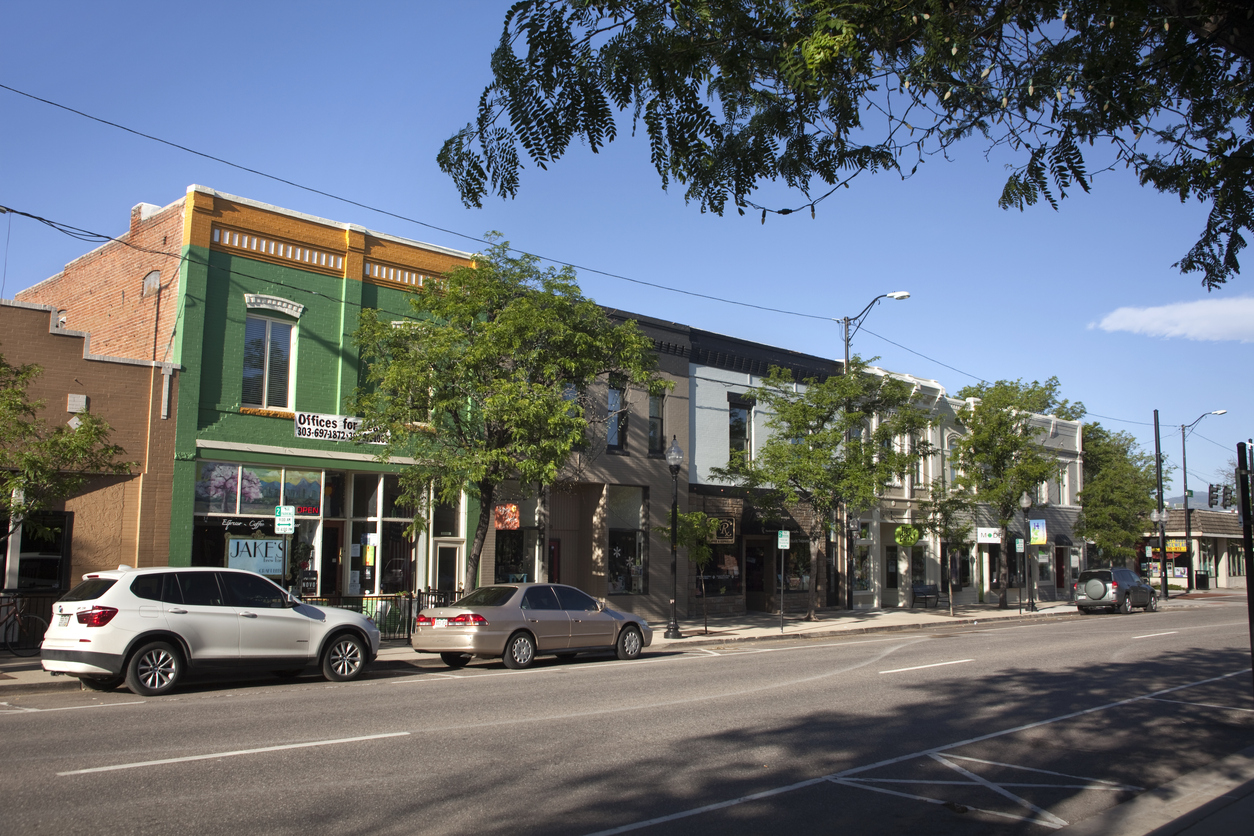
According to the City of Littleton, Colorado, a fungal disease called thyronectria canker has compromised the structural integrity of 64 thornless honey locust trees that flank Main Street in the downtown area.
Due to a risk of falling trees and limbs, all 64 honey locust trees in the area are slated for removal, which makes up about 80 percent of the trees over several city blocks. The other 17 trees in the area are not honey locusts and have not been impacted.
Instead of replacing the trees, the city is considering inviting artists to carve sculptures out of remaining trunks.
Thyronectria canker tends to grow on honey locusts during extended period of drought or stress. It’s often very noticeable in the form of limb death, yellowing leaves, and oval-shaped lesions on the branches and trunk.
Residents of Littleton who fear their honey locust trees may be infected are instructed to call a certified arborist listed on the city website.
STAY INFORMED: Get free Colorado news with our daily newsletter (Click here)
Get OutThere
Signup today for free and be the first to get notified on new updates.
PREV
PREVIOUS

Wild 'dome-shaped' home in Colorado featured on viral 'Zillow Gone Wild' page
A home in Colorado is getting quite a bit of attention after being featured on the popular ‘Zillow Gone Wild’ social media accounts. In less than 24 hours, more than 17,000 people have reacted to the posting of a dome-shaped home in Castle Rock that’s definitely capable of turning heads. With the official listing for […]

$40 million mansion rentable for $15,000 per night in Colorado ski country
Looking for a swanky place to stay for yourself and 27 of your best friends? The Chateau Grande at Casteel Creek might be just what you’re looking for. Featuring 35,000 square feet between two homes located on a stunning piece of land, this sprawling space comes with nearly any amenity you could want. Nestled in […]