







Speakers advocate for ownership diversity, supporting micro-businesses at “Made in Colorado” town hall
Courtesy of The Bliss Group
Giving “micro-business” owners more opportunities for mentorship and support from the community were just two ideas for growing the sector presented at the “Made in Colorado” small business town hall on Tuesday.
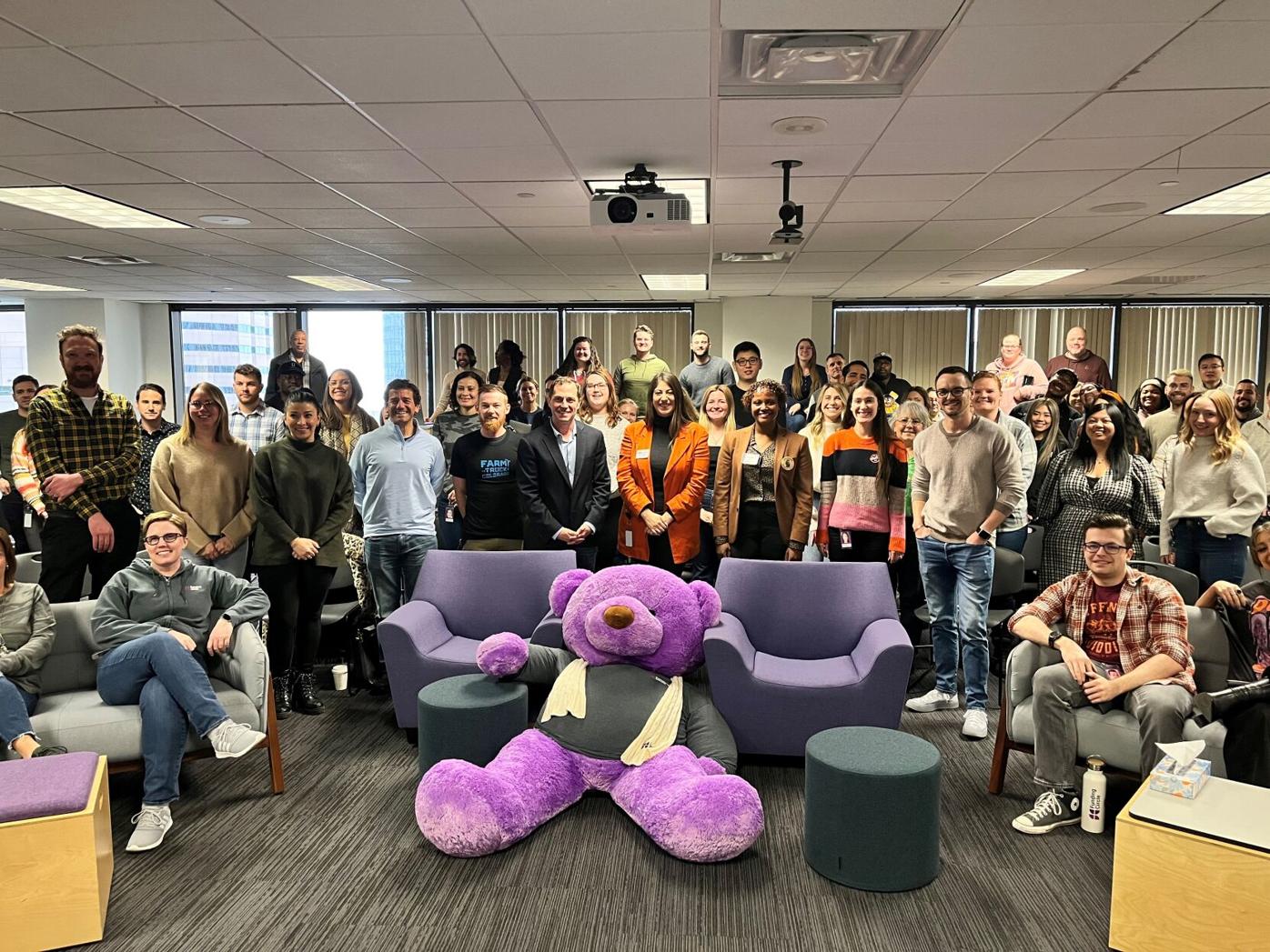
Denver small business owners and political representatives came together to discuss the difficulties of starting, and maintaining, a small business following the pandemic and working amidst inflation.
Small Business Majority’s Colorado Director Lindsey Vigoda moderated the conversation between Bronson Kandel, co-owner and general manager of Farm to Truck and Millette Birhanemaskel, owner of Whittier Cafe — Denver’s only African espresso bar. U.S. Rep. Jason Crow, a Democrat representing Colorado’s 6th Congressional District, rounded out the panel with Steve Allocca, managing director of the event sponsors Funding Circle US and Ryan Metcalf, director of Public Affairs for Funding Circle US.
A small business is typically classified as a company that has a revenue ranging from $1 million to over $40 million, and by employment ranging from 100 to over 1,500 employees, according to the U.S. Census Bureau.
Birhanemaskel advocated for the recognition of “micro-businesses” in Tuesday’s town hall, which has typically been defined as less than 25 employees, she said.
The Census Bureau’s 2018 County Business Patterns survey found that 54% of employer businesses that year had fewer than five employees, but accounted for 5.5% of total employment in all industries.
“There’s all of these incentives to bring this big businesses to town,” Birhanemaskel said. “And it’s great because they create a lot of jobs, but so do we. I mean, I have 12 employees at this point.”
One of the ways she found to survive amidst competition from big coffee shop chains is by engaging the community around of her shop, Birhanemaskel said.
“I think people think you can’t be community-centered and pro-business, but you actually can do both,” Birhanemaskel said.
Crow pointed to mentorship as a key factor in supporting diversity in business, especially for new entrepreneurs and small business owners.
“A lot of the folks in disadvantaged communities and underserved communities, they don’t have those support networks that a lot of other business owners and entrepreneurs might have,” Crow said.
There is currently a bipartisan and bicameral bill in Congress called the “Next Generation Entrepreneurship Core Act” which aims to support entrepreneurs in underserved communities throughout the country, Crow said. The program that stems from this act would provide healthcare, a living stipend, training and what Crow said is most important: Mentorship.
As someone who has worked as a small business owner for nearly 10 years, Kandel added that he would like to think of himself as a mentor to those who are coming into the market.
“I feel like the mentors are really just an arms length away,” Kandel said. “So people who are coming into the industry just need to be vocal and ask veterans how they can help.”
Women-owned and BIPOC (Black, Indigenous and people of color) owned businesses have faced a historic and systemic marginalization through something as simple as access to capital, according to Vigoda.
“Diverse entrepreneurship is really what makes our communities different,” Vigoda said. “We wouldn’t want the same business owners for all of the same businesses because that just means we have a saturated market… and we really want to honor the communities that we live and operate in.”