







EPA unveils ‘strongest-ever’ emission standards for cars and trucks
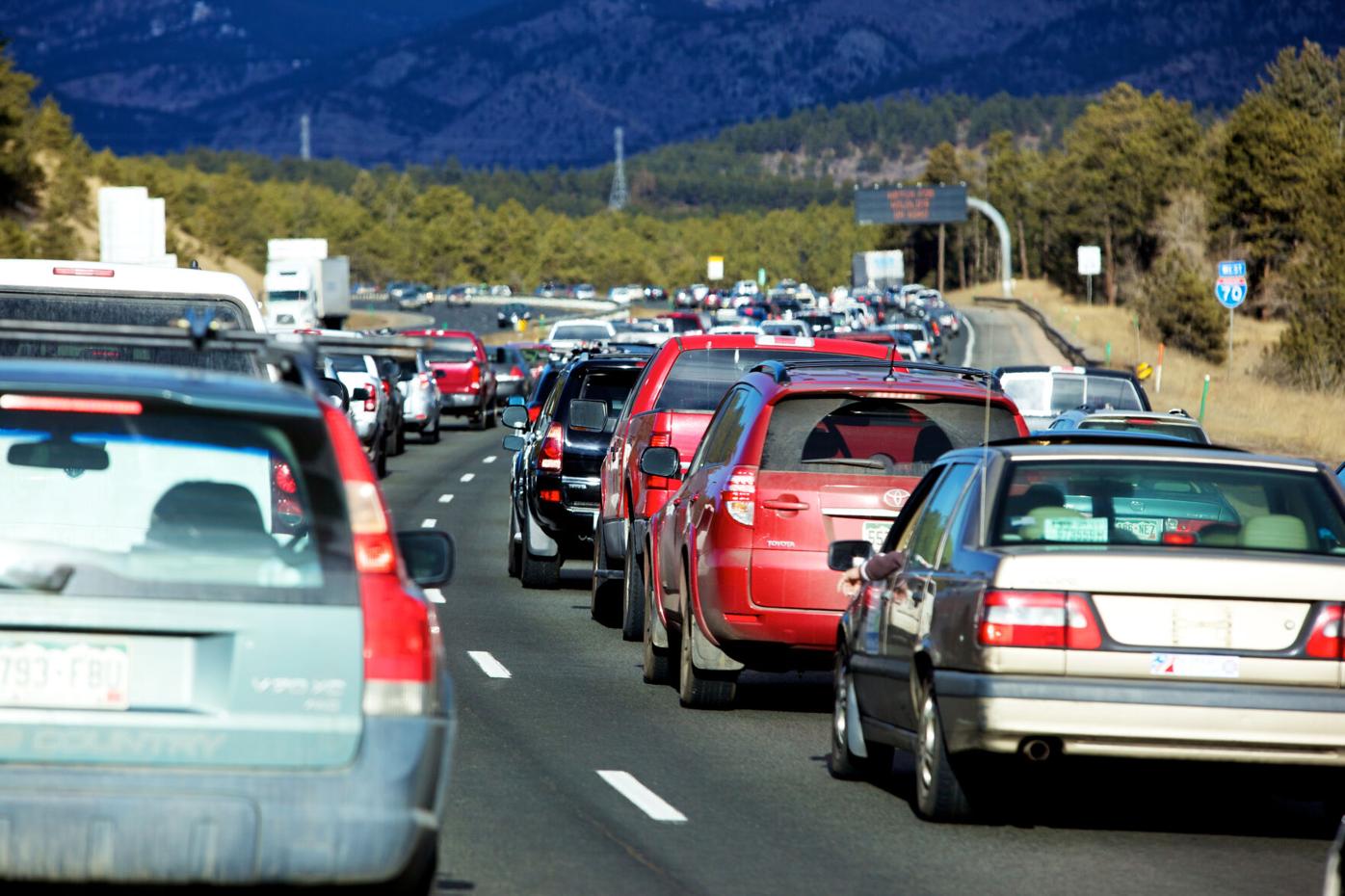
stock image
The Biden administration on Wednesday announced the most aggressive emissions standards yet for new cars and trucks through 2032, a key part of the federal government’s goals to reduce air pollution and advance electrification of America’s vehicle fleets.
EPA Administrator Michael S. Regan and White House National Climate Advisor Ali Zaidi said the plan would impose the “strongest-ever pollution standards” for vehicles.
While the EPA’s proposed standards are theoretically designed to allow automakers to meet them however they see fit, they are so stringent manufacturers will likely only meet them by significantly boosting their sale of electric vehicles.
“By proposing the most ambitious pollution standards ever for cars and trucks, we are delivering on the Biden-Harris Administration’s promise to protect people and the planet, securing critical reductions in dangerous air and climate pollution and ensuring significant economic benefits like lower fuel and maintenance costs for families,” Regan said at a press conference on Tuesday.
Indeed, the proposed standards are projected to accelerate the transition to electric vehicles.
Depending on the pathways manufacturers select to meet the standards, EPA projects that EVs could account for 67% of new light-duty vehicle sales and 46% of new medium-duty vehicle sales by 2032.
In comparison, only 5.8% of vehicles sold last year were EVs.
The proposed standards are intended to improve air quality for communities across the nation, especially communities that have borne the burden of polluted air, according to the EPA. The agency claimed they would avoid nearly 10 billion tons of CO2 emissions, “while saving thousands of dollars over the lives of the vehicles meeting the new standards.”
Under the proposal, the new emission standards for 2027-2032 model light and medium duty vehicles is set at 82 grams per mile, according to Alejandra Nunez, Deputy Assistant Administrator at the EPA’s Office of Air and Radiation.
Nunez estimates the market penetration of compliant vehicles from 64% to 69% by 2032, depending on which of several alternatives is approved.
Between 2027 and 2055, the EPA estimates a total projected net benefit of the emissions standards for light- and medium-duty proposal of between $850 billion to $1.6 trillion. The EPA says the proposal is expected to avoid 7.3 billion tons of CO2 emissions through 2055.
“EPA projects that, for the industry as a whole, the standards are expected to drive widespread use of filters to reduce gasoline particulate matter emissions and spur greater deployment of CO2-reducing technologies for gasoline-powered vehicles,” the EPA said in a news release.
The EPA also announced greenhouse gas standards for heavy-duty vocational vehicles, such as delivery trucks, refuse haulers, dump trucks, public utility trucks, transit, shuttle, and school buses, and tractor-trailers typically used to haul freight, according to the release.
The EPA projects net benefits of the heavy-duty proposal range from $180 billion to $320 billion.
A request to the EPA for the total cost of the program to taxpayers through 2055 was not immediately available.
“If you think about where we were just a little over two years ago, in the period since President Biden took office, the number of electric vehicle models that are available has doubled, the number of charging stations that line our highways has doubled, and the number of electric vehicles that are deployed on our roads has tripled,” Zaidi said at the press conference.
Biden, he added, “sees there’s a tremendous technological opportunity in the dramatically reducing cost of batteries and hydrogen fuel cells … and he’s harnessing the potential of that lower cost technology to deliver cleaner air, cleaner water, and a cleaner environment for the American people.”