




Efforts to remove incredibly invasive species from Colorado waters continue
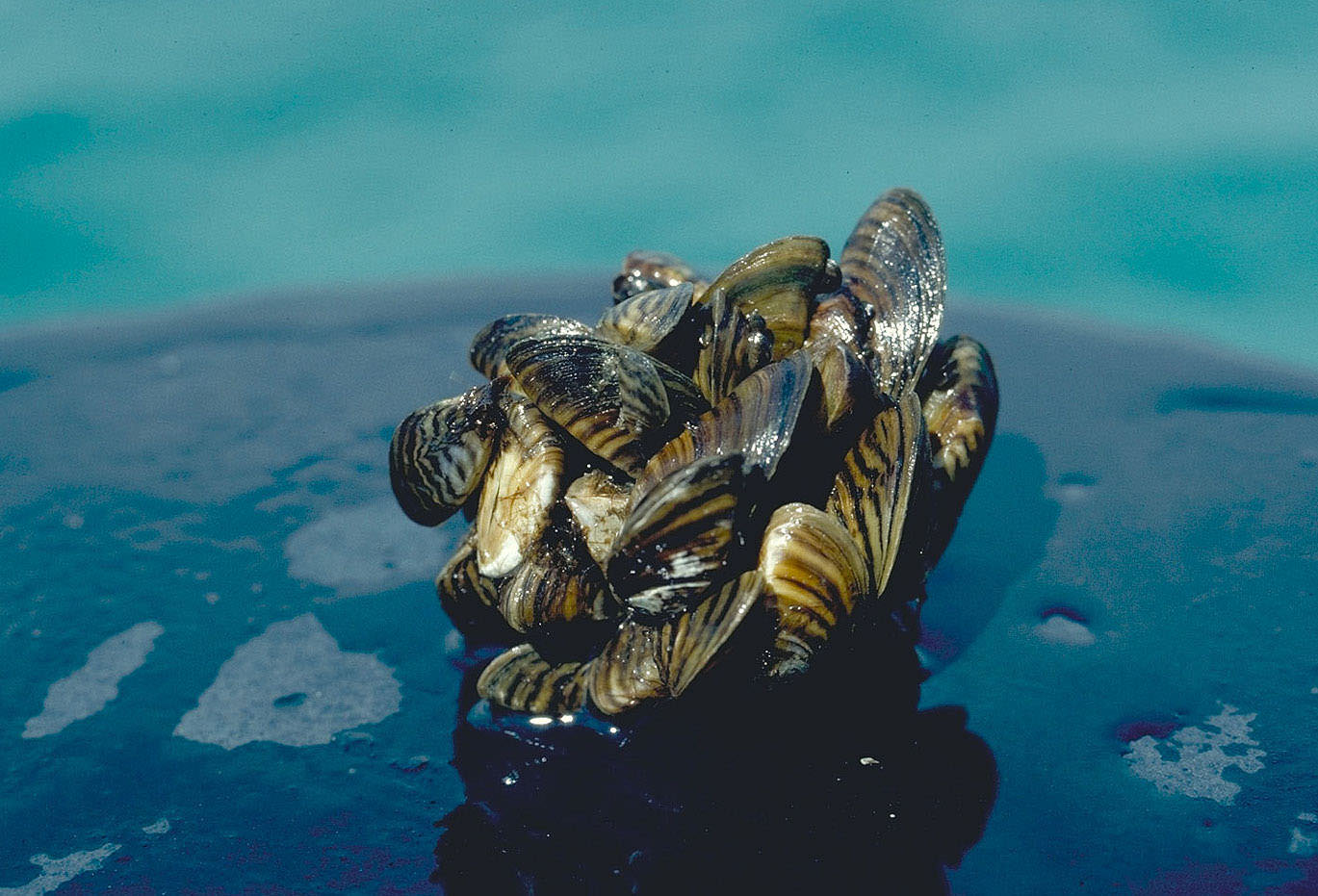
According to a recent news release from Colorado Parks and Wildlife (CPW), less boats attempting to enter Colorado lakes needed to be decontaminated of invasive mussels in 2022 than in previous years.
Teams reportedly conducted 446,663 inspections and decontaminated 27,003 boats that were suspected of carrying mussels last year. Data also shows that the number of boats that were confirmed to be “mussel-fouled” and attempting to enter Colorado lakes steadily increased for several years prior to 2022.
“In 2019, 86 boats were found to be fouled with invasive mussels. In 2020, that number jumped to 100. And in 2021 that skyrocketed to 181. In 2022, CPW found 148 boats entering the state with this highly destructive species in spite of a significant overall drop in boating at Lake Powell due to low water levels and lack of ramp access,” the release said.
Crews from CPW’s Aquatic Nuisance Species program (ANS) are still working to stop the spread of destructive zebra and quagga mussels.
Though small, zebra and quagga mussels are incredibly invasive, and can cause hundreds of thousands of dollars worth of damage to lakes and other water ways. They can also spread to new waters quickly by attaching to boats and equipment. They often arrive in Colorado from nearby states like Utah, Arizona, Kansas, Nebraska, Oklahoma, Texas and South Dakota, according to CPW.
For the first time in the state’s history, the presence of invasive mussels was confirmed in Colorado last year at Highline Lake. The team has since implemented a two-part plan to remove the mussels from the lake. Still, Highline Lake will keep its “infested” status for five years, even if there is no evidence of zebra mussels found.
“The discovery at Highline Lake emphasizes the need for CPW to continue to strive to meet the challenge of protecting the state’s waters and infrastructure from aquatic nuisance species,” said Robert Walters, CPW’s ANS program manager. “And as boating season approaches we continue to ask for help from boat owners to combat invasive species in the state.”
According to the release, a boat inspection is required if:
- it has been in any body of water that is positive, or suspect for ANS
- it has been in any body of water outside of Colorado
- it will be entering any water body where inspections are required
Boaters can also do their part by regularly cleaning their boats, allowing enough time for the vessel to dry before entering new waters and thoroughly draining all areas of the boat that could hold water from previous lakes.
“Mussels aren’t going away. However, by continuing our preventative watercraft inspection program Colorado can continue to set an example in the West and keep our waters clear of highly destructive invasive species,” release said.
STAY INFORMED: Sign-up for the daily OutThere Colorado newsletter here
Get OutThere
Signup today for free and be the first to get notified on new updates.
PREV
PREVIOUS
Tweet [Click if emebbed does not appear on device]
On Mar 12 the @SpaceX Crew-5 Dragon jettisoned its trunk section into a 300 x 410 km orbit. The trunk, object 55840, made an uncontrolled reentry last night at 0852 UTC = 0252 MDT = 0152 MST on a track from Phoenix to Colorado Springs. The reentry breakup was widely seen. pic.twitter.com/I1Ill9TNEP — Jonathan McDowell […]

49 top concerts in Denver this May
Old Dominion, Lil Wayne, Billy Strings and more coming to venues around the Denver metro area this May.