







The legend of Rooney Ranch, a Colorado landmark refusing to fade seven generations later
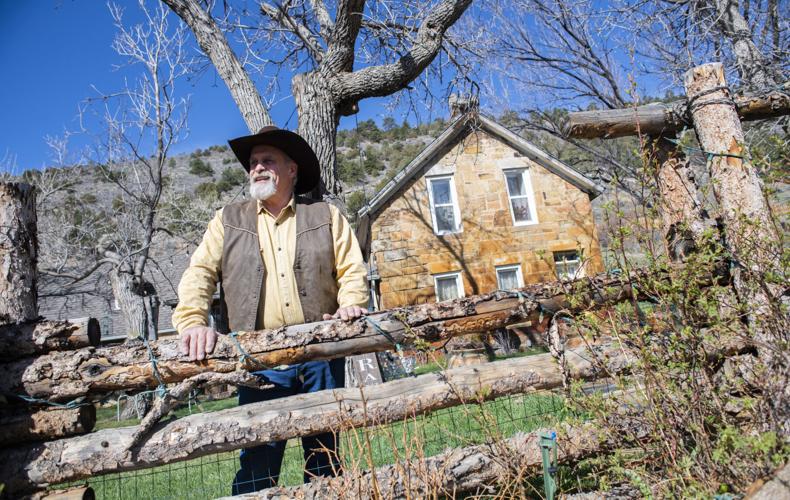
Fifth-generation rancher Randy Rooney stands outside the family’s original stone home. The home was built in the 1860s below Dinosaur Ridge near Morrison. Rooney and his wife, Sheila, now live in the house that is on the National Register of Historic Places.
Christian Murdock, The Gazette
MORRISON • In his cowboy boots and cowboy hat that refuses to budge against the fierce wind, Randy Rooney is making his way up a familiar hill when he stops at something else familiar.
“That’s elk,” he says at the evidence on the ground. “Before the highway, we’d get elk and deer through here all the time.”
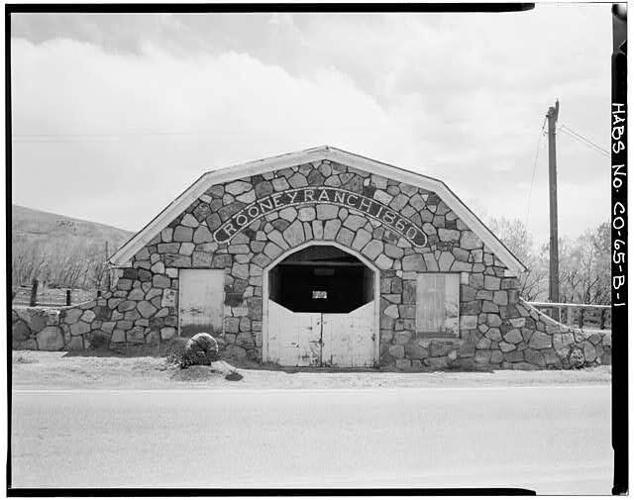
A lot of things were different before C-470 was built on Denver’s southwest edge. It finished in 1990, only the next major road construction that forever altered historic Rooney Ranch here against the unmistakable, rock-crowned hogback paralleling the highway.

A scene of Rooney Ranch prior to the 1940s. The road through the homestead was formerly trafficked before Alameda Parkway construction.
Photo courtesy Randy Rooney


A scene of Rooney Ranch prior to the 1940s. The road through the homestead was formerly trafficked before Alameda Parkway construction.
In the 1930s, Alameda Parkway crossed the ridge over to the red rocks the family always knew as “singing rocks.” The concert venue, it is said, could have once been Aunt Alice’s, but she declined the land with a famous line: “Calves don’t eat rocks.”
Back then, Grandma Christine would count the cars from her rocking chair. A grandboy, Otis, once recalled her counting 37. “She didn’t think there were that many cars in the whole world,” he told a documentary team.
As a fifth-generation youngster, Randy recalled how lush and green it all was before construction had its way with the creeks and gullies.
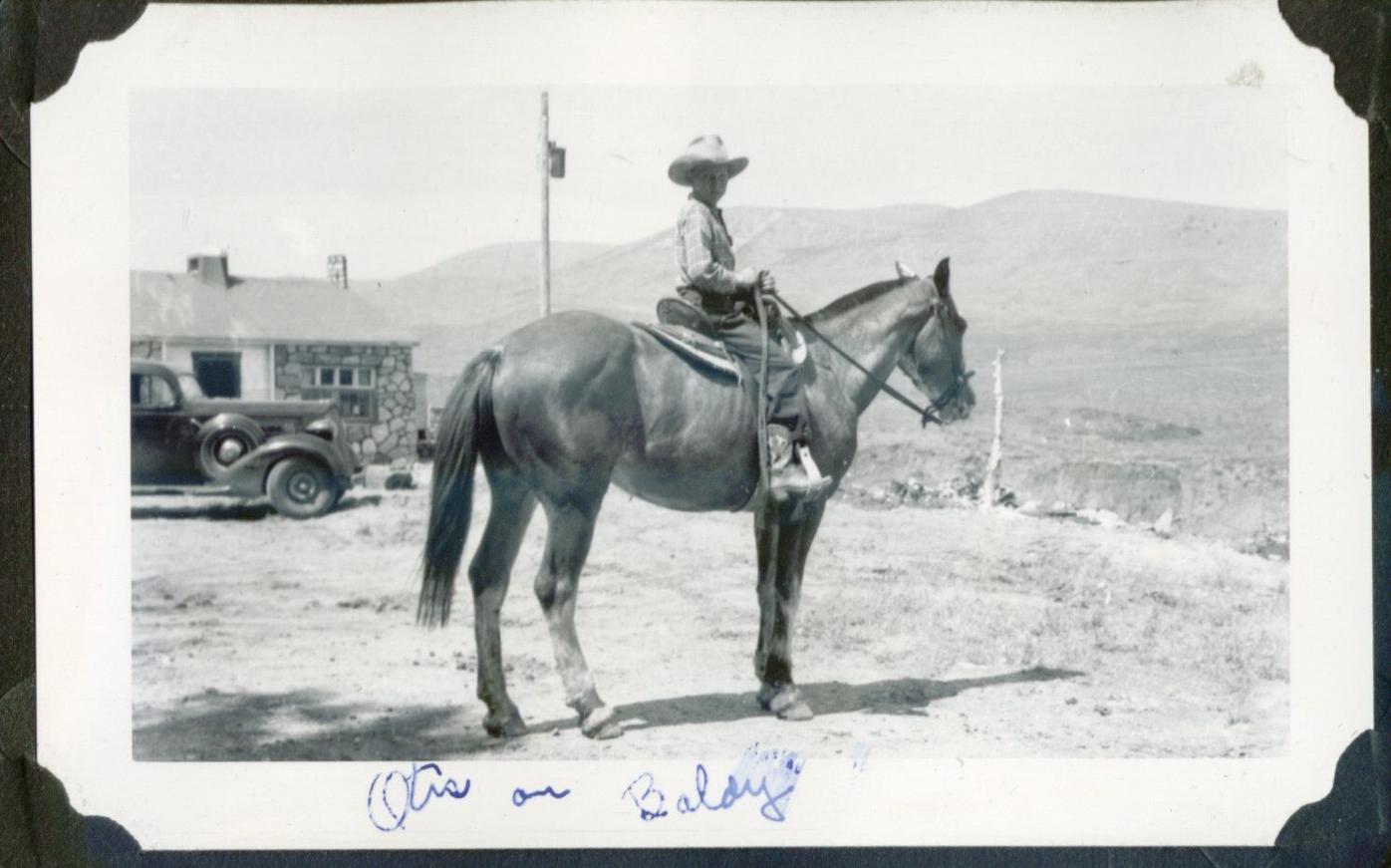
Young Otis Rooney, of the Colorado family’s fourth generation, on his horse, Badly. Outside Denver, Rooney Ranch now spans seven generations and is known as the state’s longest-going ranch still under the originating family.
courtesy Randy Rooney


Young Otis Rooney, of the Colorado family’s fourth generation, on his horse, Badly. Outside Denver, Rooney Ranch now spans seven generations and is known as the state’s longest-going ranch still under the originating family.
“All the grasses were maybe that high,” Randy says, motioning to his knee. “Dad would talk about when he was a kid, he could walk in ‘em and get lost.”
Now from the hill Randy sees rooftops marching toward him. He sees traffic zooming up and down, the incessant din that drowned out the birdsong his ancestors knew. Still, he sees cows grazing. These are the few pastures left of Rooney Ranch — a small fraction of the 4,000-plus acres that Alexander Rooney grew in the 1860s.
Now the pastures are leased. Not long ago, Randy called it a career in the cattle business. That ended a family tradition more than 150 years old.
It was time, he says. “It was hard,” he says.
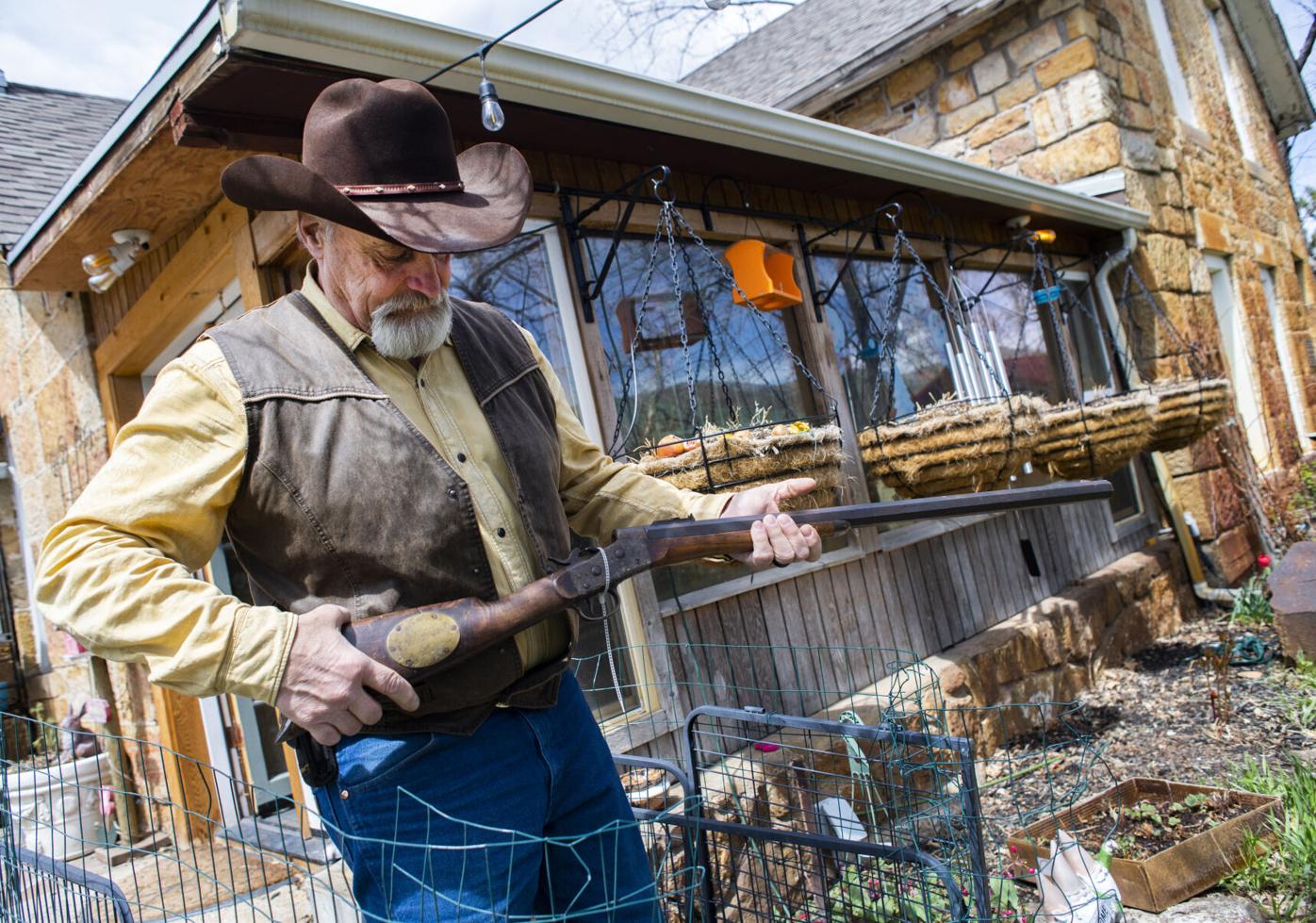
Randy Rooney hold the family’s buffalo gun ( a 1864 Remington 45-70) outside the stone home Alexander Rooney built in the 1860s.
Christian Murdock, The Gazette


Randy Rooney hold the family’s buffalo gun ( a 1864 Remington 45-70) outside the stone home Alexander Rooney built in the 1860s.
But he maintains everything else left of Rooney Ranch, this idyllic slice of pioneer life nestled against the hogback.
Today the hogback is known as Dinosaur Ridge. Just below is a slim, dirt road “hardly noticed by the thousands of cars that pass it every day,” said the narrator from that documentary years ago, “Rooney Ranch: The Stories and the Legacies.” C-470, he noted, “bypasses one of the most historic places in the Denver metro area, possibly in much of Colorado.”
‘A connection across time’: Colorado attraction is home to world-famous dinosaur discoveries
Randy and his wife, Sheila, live along the ranch road in the house Alexander Rooney built with the stone he cut beginning in the early 1860s. Alexander and his wife, Emeline, came here from Iowa via ox-drawn wagon. The wagon remains outside the house.
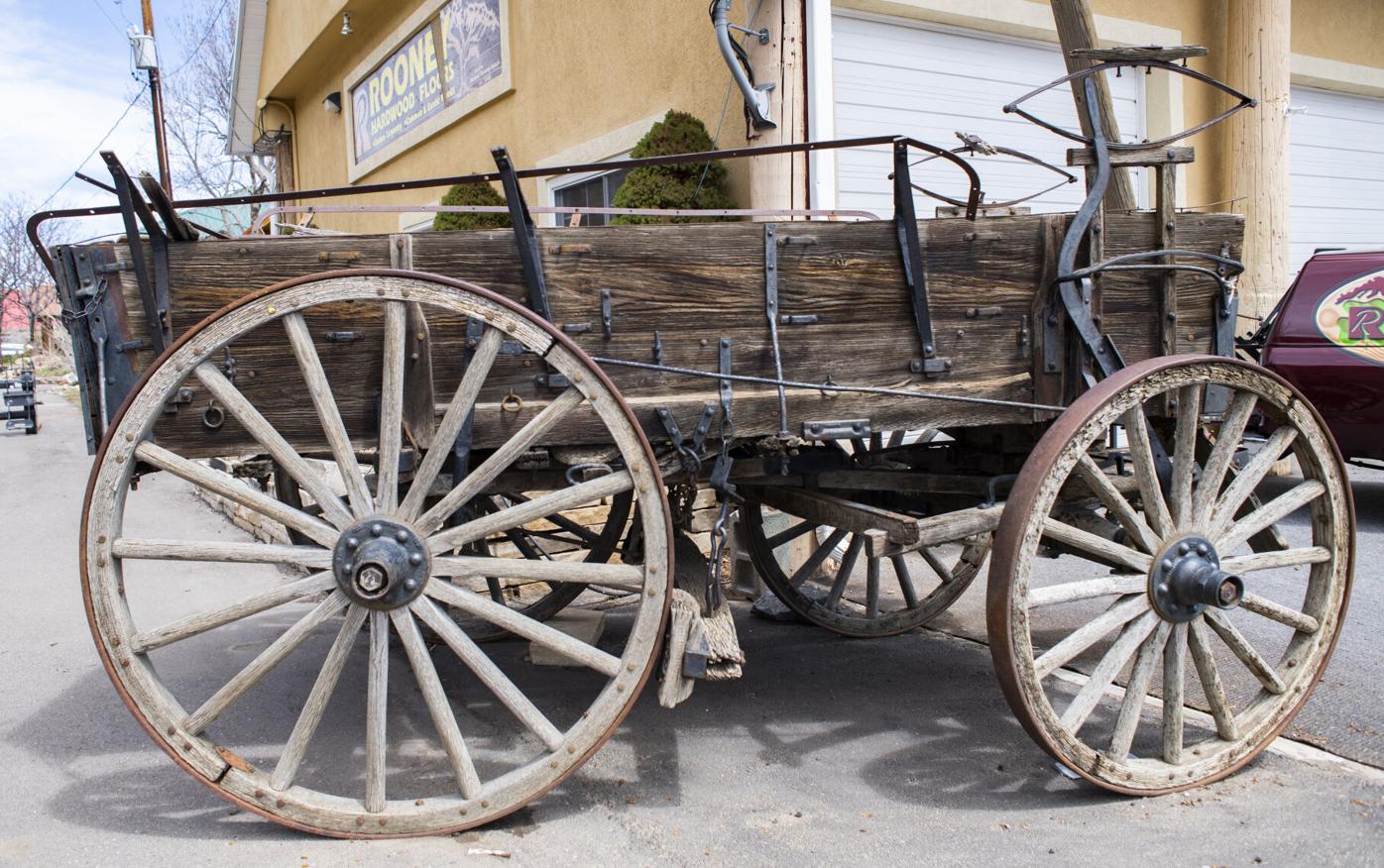
One of the wagons Alexander Rooney and his wife, Emeline, used on their journey to Colorado from Iowa in the1860s still stands on the family’s ranch below Dinosaur Ridge near Morrison, Colo. (The Gazette, Christian Murdock)
Christian Murdock/The Gazette


One of the wagons Alexander Rooney and his wife, Emeline, used on their journey to Colorado from Iowa in the1860s still stands on the family’s ranch below Dinosaur Ridge near Morrison, Colo. (The Gazette, Christian Murdock)
Nearby is the site of the old, muddy spring said to be frequented by Ute Chief Colorow and his people. It is said the chief also frequented Emeline’s kitchen for biscuits and stew.
Now another home is found outside the kitchen: Randy’s and Sheila’s son is raising the seventh generation of the family known as Jefferson County’s “first family.” Rooney Ranch is known as Colorado’s oldest ranch still being carried on by its founding family.
Legend rooted in love
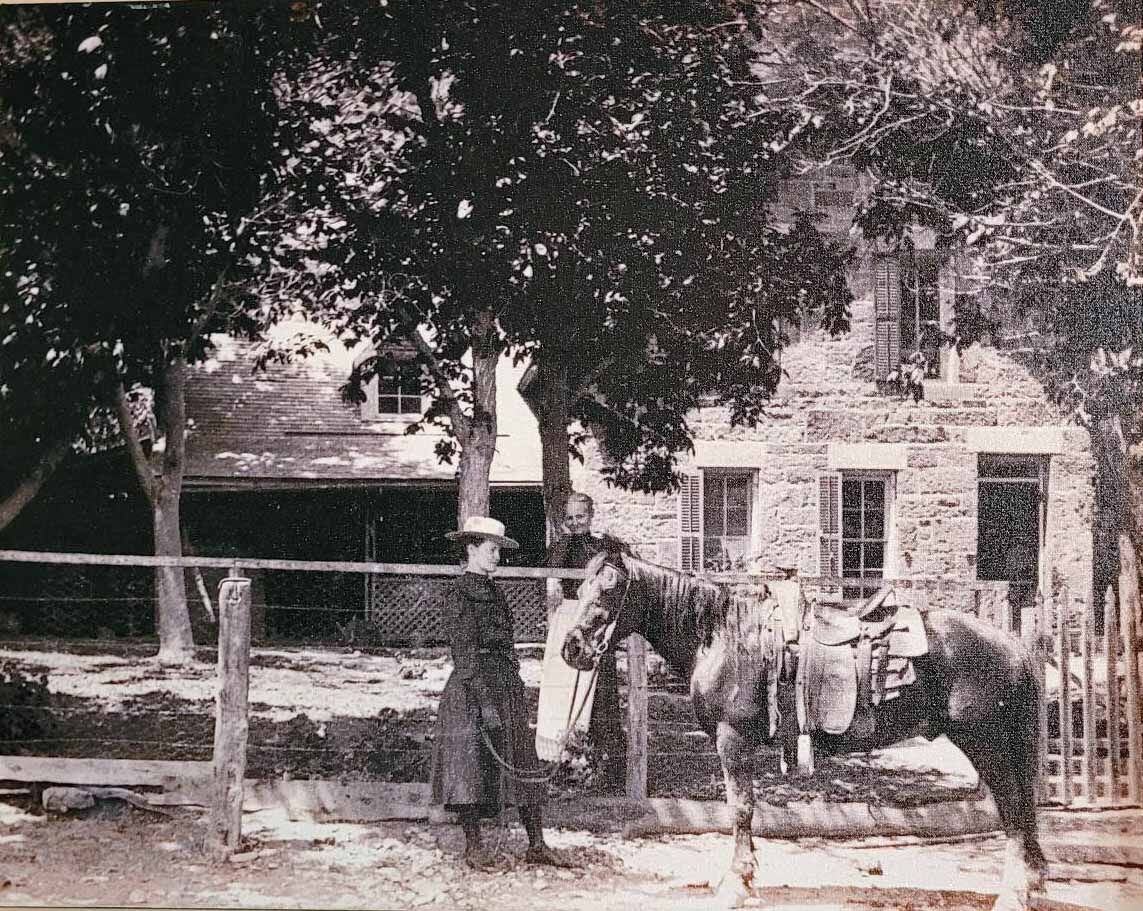
Emeline Rooney with her horse outside the family homestead, which was established by Alexander Rooney in the 1860s.
Photo courtesy Randy Rooney


Emeline Rooney with her horse outside the family homestead, which was established by Alexander Rooney in the 1860s.
It is a family of “pioneer stalwart stock,” wrote the authors of a historic book published in 2010 by neighboring Friends of Dinosaur Ridge.
The reputation was well known by the turn of the last century. Wrote The Colorado Transcript in 1900: “Colorado, though neither old nor populus, is famous throughout the civilized world because her founders were such people as Mr. and Mrs. Rooney.”
Colorado gained statehood in 1876. That decade saw the “bone wars” erupt on the hogback; warring paleontologists went to great, dire lengths to acquire fame and fortune from the fossils.
It was but another clash in the Wild West that Alexander and Emeline Rooney saw play out across their valley. Stories would be passed through generations — stories surely embellished, true and untrue as any in the western mythos.
At its core, it was a love story.
It was love professed by Alexander in the many letters he wrote to Emeline back in Iowa while he scoured the mountains for their new destiny. He traveled and toiled for the better part of two years.
“Even with the days so busy,” he wrote from the mines, “my thoughts turn to you and I find peace in knowing the great distance between us will fall away.”
It fell away in 1862, when they reunited for marriage. They went on to settle the green, spring-fed patch under the hogback that Alexander found ideal for his cattle enterprise.
Their home land was torn by war; Emeline wrote of the “poison” of the Confederacy, and Alexander wrote of his wish “to see the end of that cursed institution of slavery.” There was peace to be attained in their new land, too — peace that would never prevail beyond.
“The way the family got along with the Indians was (that) they asked permission to live on their land,” Otis Rooney, of the fourth generation, said in the “Rooney Ranch” documentary. “They left our family alone, because they had an agreement with each other.”
The agreement, family lore maintains, was that Alexander Rooney could build his stone home while Chief Colorow and company could continue to rejuvenate in the spring oozing nearby.

Alex Rooney, of the third generation of the pioneer family in Colorado, built this picnic ground to mark the tree that Ute Chief Colorow knew as his "Inspiration Tree." The landmark is in the National Register of Historic Places. Photo courtesy Randy Rooney


Alex Rooney, of the third generation of the pioneer family in Colorado, built this picnic ground to mark the tree that Ute Chief Colorow knew as his “Inspiration Tree.” The landmark is in the National Register of Historic Places. Photo courtesy Randy Rooney
The Ute would soak after a stop up the hill at a big ponderosa pine, according to documents placing the tree in the National Register of Historic Places. According to that research, Colorow knew this as his “Inspiration Tree.”
Sturdy as the rock
Randy Rooney’s grandfather, Alex, built a stone platform marking the site. Under the tree, the family would get together for picnics and special occasions. They would treat visitors and dignitaries to performances complete with native regalia and dancing — obscene by today’s standards.
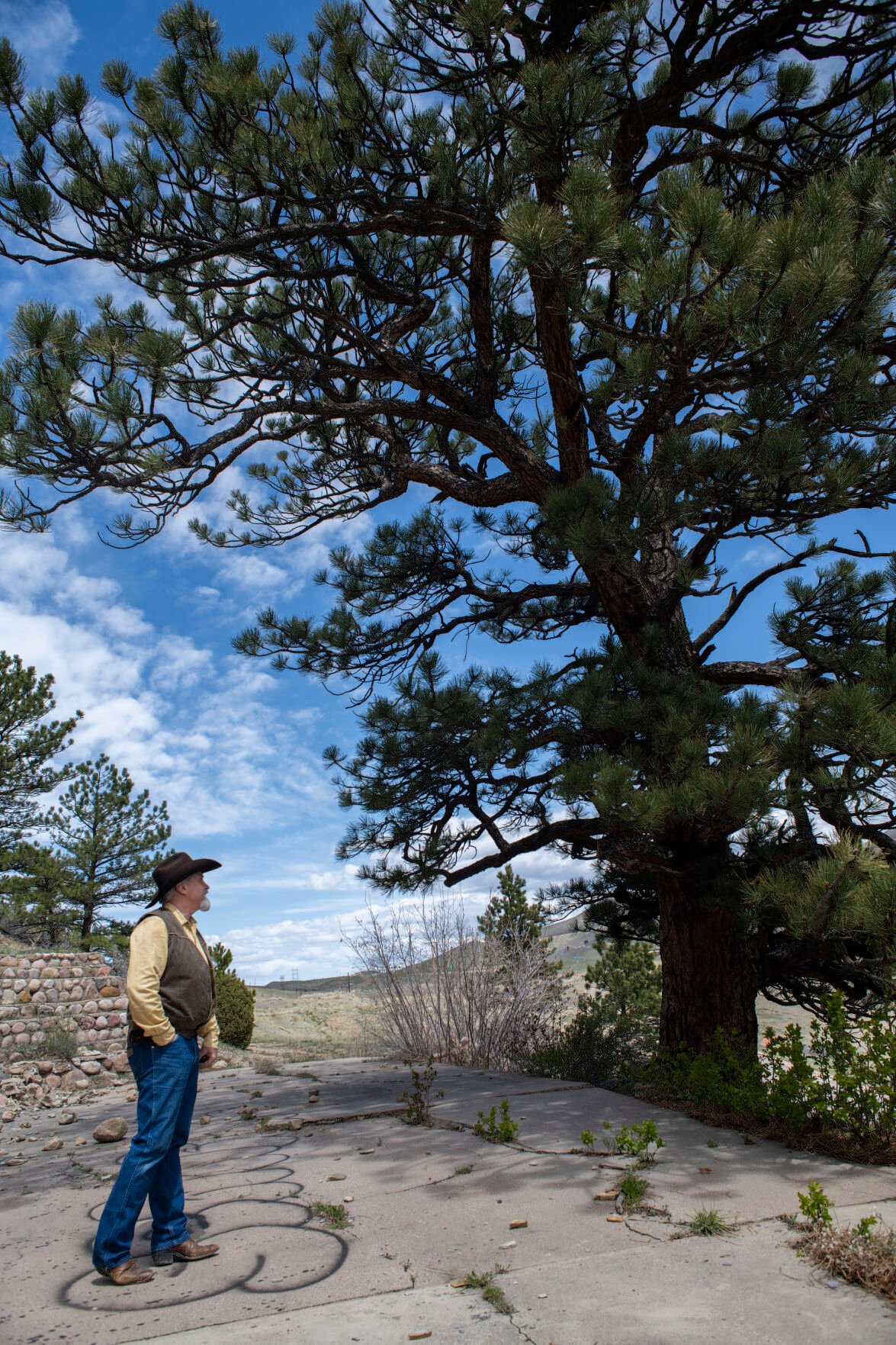
Randy Rooney stands under the big ponderosa pine tree that was known as “Inspiration Tree” by Chief Colorow and the Ute people.
Christian Murdock, The Gazette


Randy Rooney stands under the big ponderosa pine tree that was known as “Inspiration Tree” by Chief Colorow and the Ute people.
But his grandfather’s heart was in the right place, Randy says. Grandpa Alex, he says, sought to demonstrate the significance of history at a time the ranch was rapidly shrinking. Cattle and land were being sold off as the Great Depression bore down.
“That third generation, they were getting squeezed,” says Randy, who was born two generations later in 1963.
The original home stood sturdy as the rock that built it. Randy grew up to see it protected under the National Register of Historic Places. He grew up to see his grandfather as “the one who was really big on preservation,” he says. “He was kind of the generation that started that.”
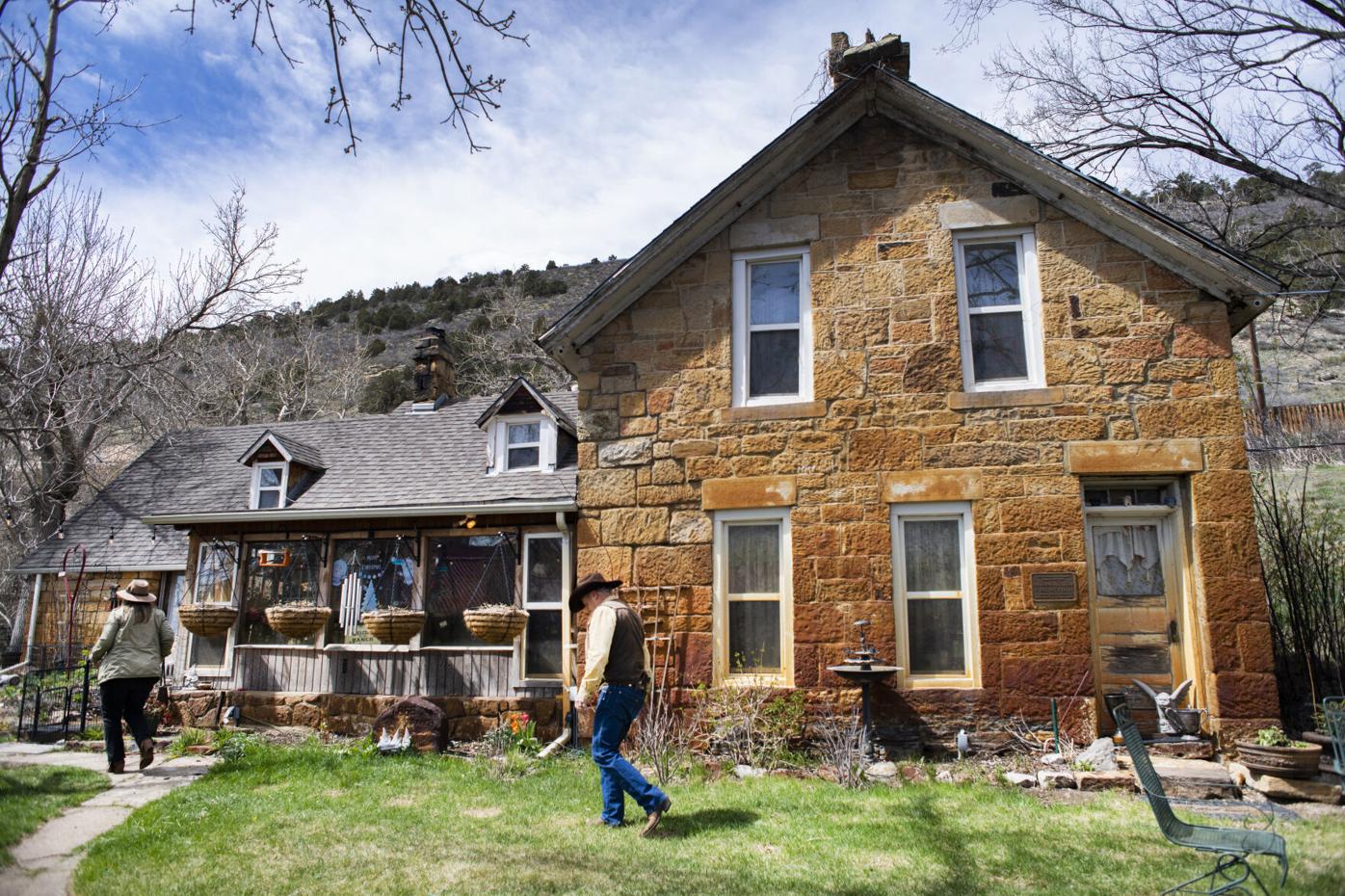
Sheila and Randy Rooney walk into the 1860s family home where they now live on the Rooney Ranch, below Dinosaur Ridge near Morrison. The home is on the National Register of Historic Places and the Rooney Ranch is Colorado’s oldest ranch still being carried on by its founding family.
Christian Murdock, The Gazette


Sheila and Randy Rooney walk into the 1860s family home where they now live on the Rooney Ranch, below Dinosaur Ridge near Morrison. The home is on the National Register of Historic Places and the Rooney Ranch is Colorado’s oldest ranch still being carried on by its founding family.
The old man told family stories wherever he could. As hippies descended on the ranch during Grateful Dead runs at Red Rocks Amphitheatre across the hogback, he’d charge them to camp and, of course, gather them around for stories.
Now Randy shares them to anyone who will listen.
There’s one of Alice Rooney trading her annoying, crying baby sister to natives without telling her mother; Emeline chased them down on horseback, the story goes. Another has Teddy Roosevelt stopping by the ranch to hunt buffalo. Another has second-generation Otis Rooney declining Buffalo Bill’s attempts to court his young daughter, Edna Belle, a champion on horseback.
Edna Belle died young amid a string of family tragedies. In 1899 around the mines of Creede, the marshal shot and killed Alexander’s and Emeline’s son, Charles Rooney, in what some believe to be a case of mistaken identity. The next year another son, William Rooney, was killed by escaping prisoners while on guard in Cañon City. In 1964, a thief murdered the homesteaders’ 91-year-old daughter, Emma Nora Rooney, in her barn.
Some speak of ghosts around the ranch. Not Randy. Though, he does often feel a strange sensation in the old house.
“I think it might have to do with the stone work,” he says. “Even coming in from a hot day, you come into a cool house. I don’t know. I’ve always had a good feeling going into the house.”
Things that last
He feels conflicted about the future. A decade ago, a historic account painted progress in a rosy light: “Civilization encroaches upon the ranch compound, ever squeezing the family closer together.”
That’s not totally true. There has been “strife,” Randy says. He worries he and his wife might be the last of their stewarding kind.
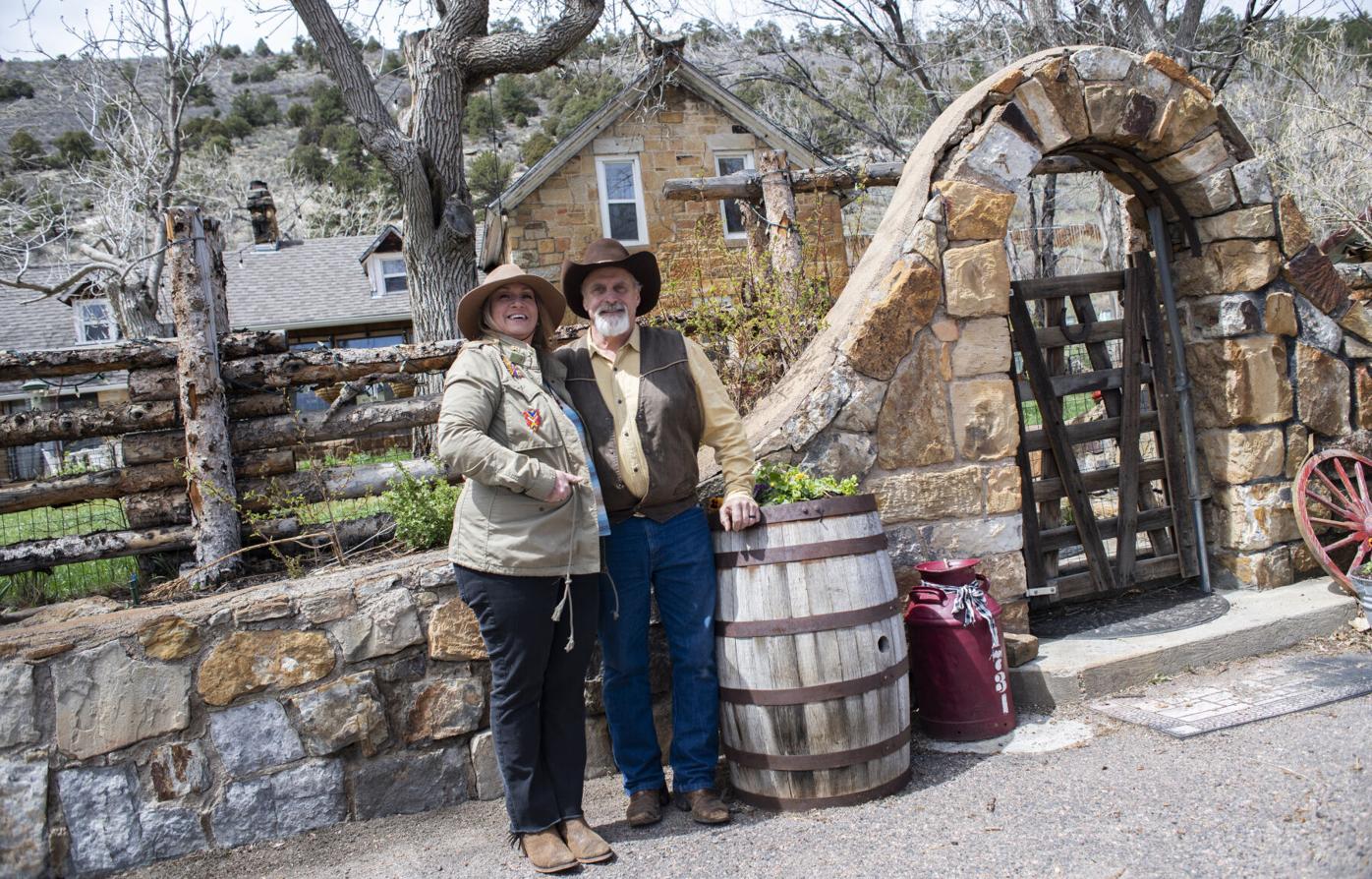
Randy and Sheila Rooney stands outside the family’s original stone home Thursday, April 27, 2023. The home was built in the 1860s below Dinosaur Ridge near Morrison, Colo. The fifth generation Rooney and his wife now live in the house that is on the National Register of Historic Places and is known as Colorado’s oldest ranch still operated by the original family. (The Gazette, Christian Murdock)
Christian Murdock/The Gazette


Randy and Sheila Rooney stands outside the family’s original stone home Thursday, April 27, 2023. The home was built in the 1860s below Dinosaur Ridge near Morrison, Colo. The fifth generation Rooney and his wife now live in the house that is on the National Register of Historic Places and is known as Colorado’s oldest ranch still operated by the original family. (The Gazette, Christian Murdock)
“Who’s gonna preserve it? Who’s gonna take care of it?” he asks. “Even in my immediate family, they’re not interested in going to the extent needed to maintain this place.”
For years, the prospect of close-by development has loomed. Water and other logistics have delayed any commercial movement.
“There’s what I hope for and what the reality is,” Randy says. “What I hope is that it stays like it is.” But as soon as those logistics are worked out, he says, “there will be who knows what right at the edge of our gully right there.”
So he’s enjoying the open view while he can. He’s hiking up a familiar hill, remembering the elk and deer, the green grass of his childhood.
He comes to a familiar place, another place dealt by family over the generations. It’s now gated, county-owned property: The Inspiration Tree. The stone platform Randy’s grandfather built.
Randy grimaces. “This is new,” he mutters.
Vandals have sprayed paint across the walls and ground. Randy mutters something else. “I’m gonna contact the county.”
He’s quiet for a while, letting his anger pass, letting himself accept the fact that some things he can’t control. Things like time and progress and the fierce wind that blows.
The wind is notorious here. And yet the tree stands firm, along with the house below.