







Aurora City Council debates youth violence grant funding
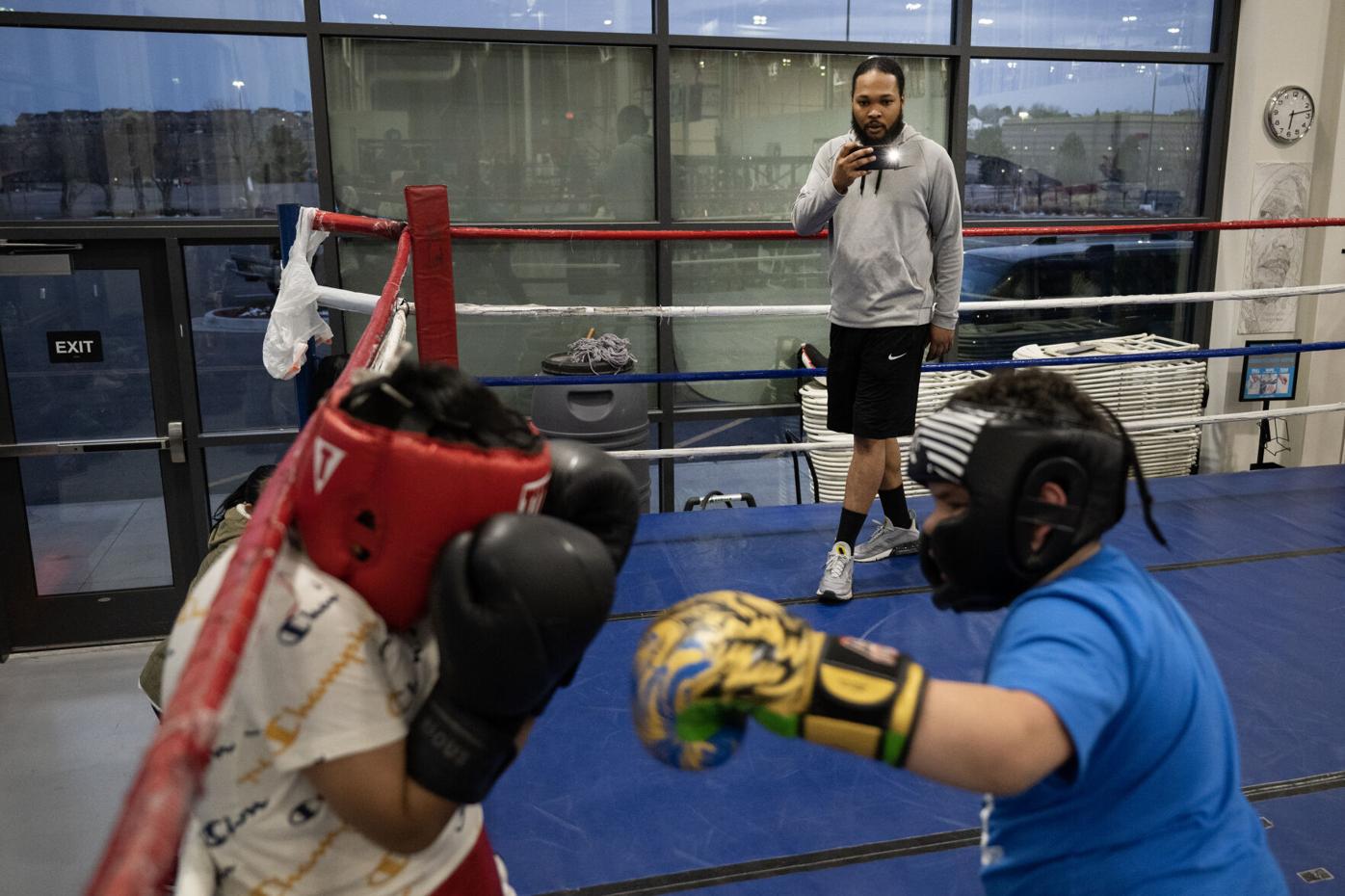
Timothy Hurst/Denver Gazette
The city of Aurora’s program designed to reduce youth violence has put forward recommendations to award more than $500,000 in grant dollars this year to organizations working in prevention and intervention.
Discussion about the proposed grants, which took place at the city council’s Monday night study session, grew strained at times as some councilmembers voiced disappointment with the proposal and one applicant asked the elected officials to “calm down” while debating the recommendations.
Joseph DeHerrera, who oversees the Youth Violence Prevention Program, is recommending the program award $652,500 to agencies providing youth violence prevention and intervention services this year.
The city received 35 applications in total — with 22 organizations seeking grants to perform prevention work and 13 applicants proposing intervention work. That’s up from 29 applicants for 2022 grants. Last year the city program awarded $259,600 in grant funding from a $500,000 pot of money, leaving $240,400 in unallocated 2022 funds.
DeHerrera is also proposing the program use some of the unallocated funding from last year — about $152,500 — to bolster the amount of funding provided to organizations in 2023.
Some councilmembers pushed back against DeHerrera’s suggestion that the program should put most of its funding toward grants.
Mayor Mike Coffman urged using some of the YVPP funding to work more closely with the local school districts and augment programs in schools. The mayor helped facilitate presentations from the Boys and Girls Clubs of Metro Denver and Aurora Public Schools earlier in the meeting, to highlight violence prevention efforts in schools.
Councilmembers Angela Lawson and Francoise Bergan also pushed for keeping more program funding set aside for partnerships that could come about in the future.
“Why do we have to spend every penny,” Bergan said.
Councilmember Alison Coombs had a different perspective, saying she has heard frustrations from constituents who feel the city should be doing more with the money the program has available. There is something to be said about remaining fiscally responsible, she said, but added “there is also something to be said for using the funds that we already set aside to do the job that we told people we were going to do with it.”
Lawson and Bergan clarified they want to use all of the money, but not exclusively on the recommended grants presented on Monday. Lawson’s constituents tell her they also have concerns about the quality of programming funded by the city, she said.
Lawson scrutinized the makeup of a panel that helped score grant applicants and recommend grant winners. The panel lacked representation from the judicial districts, Lawson said. DeHerrera said that because a program within the 18th Judicial District had applied for a grant, they were not included on the panel to maintain objectivity. Lawson said the panel still could have included judicial system representation that was not involved in the program seeking grant funding.
Bergan voiced concern about the inclusion of a Denver Youth Violence Prevention program employee on the panel, saying that could foster bias in judging Aurora’s applicants.
Information about applicants who were reapplying or received grants last year was also lacking, Lawson said, requesting DeHerrera provide more in-depth information about their results from 2022. Bergan said the council specifically requested it be provided with performance measures for any agencies that received 2022 grants.
DeHerrera pointed to a December presentation he offered the city council about how 2022 grant winners spent their funding, which Bergan said was a high-level presentation – and told Lawson one reason he has sought to hire a data analyst for the YVPP was so the program could compile monthly reports about grant recipients.
Councilmember Danielle Jurinsky also took issue with some of the recommended grant recipients and the selection panel.
She held a showcase event that all of the applicants were invited to attend alongside judges, probation officers, prosecutors and public defenders, she said, but was frustrated all but three of the applicants did not attend.
“I have a real problem with some of these other organizations that didn’t show up,” she said.
Jurinsky held the event to work on streamlining the process of enrolling at-risk young people into programming, she said. Judges and the probation department have already been able to refer youth to the organization that attended the event, she said.
Jurinksy raised further criticism about low scores for the three organizations that attended the showcase, how much some applicants work in Aurora versus other communities, and of agencies that reapplied after being denied last year.
“I have a lot of concerns about this (proposal) and quite frankly I am very let down,” she said.
Joel Hodge, founder and program director at the Struggle of Love Foundation, asked to speak about his organization’s work, saying he’d been prepared to offer councilmembers a presentation about the foundation’s application. He asked the elected officials to “calm down a little bit” as the conversation became tense, and at one point asked Jurinsky why she was so upset during the conversation.
Schools are urgently requesting his organization’s assistance, it receives referrals from the 18th Judicial District, it has held events regarding youth violence at the city’s Martin Luther King, Jr. Library branch, and it has posted anti-violence billboards along Colfax Avenue in Denver, he said. The foundation has worked in Aurora for more than five years, he said.
The issue crosses city borders, he said, calling for better collaboration and less infighting among metro area communities so that they can learn from one another.
“I’m boots on the ground, burying children every day,” he said.
The proposal will come back to council for debate and final approval at a regular council meeting. Here is a full list of the recommended grant recipients.
Intervention grant funding:
Struggle of Love Foundation: $75,000.00
Collaborative Healing Initiative within Communities (CHIC): $50,000.00
Rebuild Our Community (The Road Called STRATE): $75,000.00
Fully Liberated Youth (F.L.Y): $50,000.00
Denver Area Youth For Christ: $75,000.00
18th Judicial Assessment Center (JAC): $75,000
Colorado UpLift: $50,000.00
Total $450,000.00
Prevention grant funding:
Boys and Girls Clubs of Metro Denver: $20,000.00
Sims-Fayola Foundation: $20,000.00
Youth Mentoring (Big Brothers Big Sisters): $20,000.00
Aurora Housing Authority: $17,000.00
Junior Achievement-Rocky Mountain, Inc.: $20,000.00
SOAR- Seeing Our Adolescents Rise: $12,000.00
Compound of Compassion: $10,000.00
Empowering BIPOC Girls Through Entrepreneurship (Wezesha Dada Center): $13,500.00
African Chamber Youth Engagement for Success: $10,000.00
Aurora Sister Cities International: $20,000.00
A1boxing Academy: $20,000.00
Urban Nature Impact: $20,000.00
Total: $202,500.00