







Year-round gardening: Incorporating yuccas in your Colorado landscape
Debra Stinton Othitis,
As global warming causes temperatures to rise and water supplies dwindle, many people are turning to water-wise plants for their gardens. Yuccas can contribute to a beautiful and usable landscape that adds value to your home in our semiarid climate.
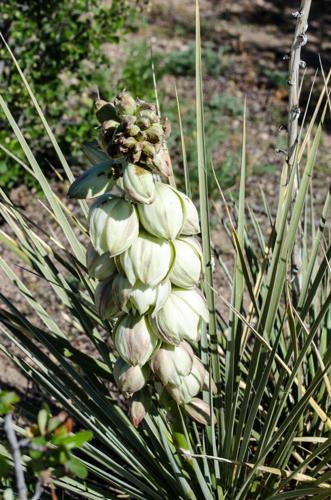
Coming in several shapes and sizes, yuccas are interesting and attractive when used in landscapes. Larger yuccas should be used as accent plants, whereas smaller types work well in combination with cactus and succulents. The benefits of yuccas are many; they are highly drought tolerant, deer resistant, provide winter interest and are long-lived. The showy, creamy white flower spikes in spring are a dramatic addition to the garden. Yuccas, like many low-water garden plants, prefer full sun and sandy, well-drained soil to avoid root rot.
There are more than 40 species of yucca. All are New World natives and several species are native to the southwestern United States, as they can tolerate harsh winter temperatures. Before planting yuccas in landscapes, consider the size of the mature plant and amount of pedestrian traffic that will be in the area. Most yuccas have sharp spines at the ends of the leaves that can easily pierce the skin and cause painful wounds, so they should not be placed where people are likely to be injured.
For native plant purists on Colorado’s Front Range, the Soapweed Yucca (Y. glauca) is a good choice. It is distributed widely across the high plains and foothills of Colorado, and is found from Canada to Texas. It is the most cold-hardy Yucca species available. Y. glauca grows 2-4 feet tall and 2-4 feet wide.
The Yucca filamentosa is also good for Colorado gardens. Unlike most other yuccas, this variety can tolerate some filtered shade. Despite its sharp tips, its softer leaves can fold over toward the end, making it a better choice for gardeners who might be concerned about getting “stabbed.”
Yucca thompsoniana, native to New Mexico, Texas, and northern Mexico, offers terrific architectural drama. Under the right conditions, it might reach up to 10 feet tall. Its stems can even sometimes branch off, giving a similar look to the famous Joshua Tree Yuccas (Yucca brevifolia). Flowers are borne on 3- to 5-foot spikes, further increasing the drama of these beauties. These can be seen at the Denver Botanic Gardens.
The Banana Yucca, Y. baccata, has long, stiff bluish-green leaves that often curl back toward the base, with course curled fibers along the edges that look striking in afternoon backlight. Banana Yucca can reach a height of 4 feet and width of 5 feet, so give it a good, dry space to thrive. This variety was a source of food for Native Americans of the Southwest.
Before you say “yuck” to yuccas, consider their many attributes given today’s climate changes and tomorrow’s certain continued water restrictions.
Submit gardening questions to csumg2@elpasoco.com or call 719-520-7684. The help desk is open 9 a.m. to noon and 1 to 4 p.m. Mondays and Wednesdays at 17 N. Spruce St. Find us on Facebook at Colorado Master Gardeners – El Paso County.

‘A major accomplishment’: Poudre River Trail nears completion, touring 45 miles in northern Colorado
Seth Boster
seth-boster@denvergazette.com
Updated 1 hour ago
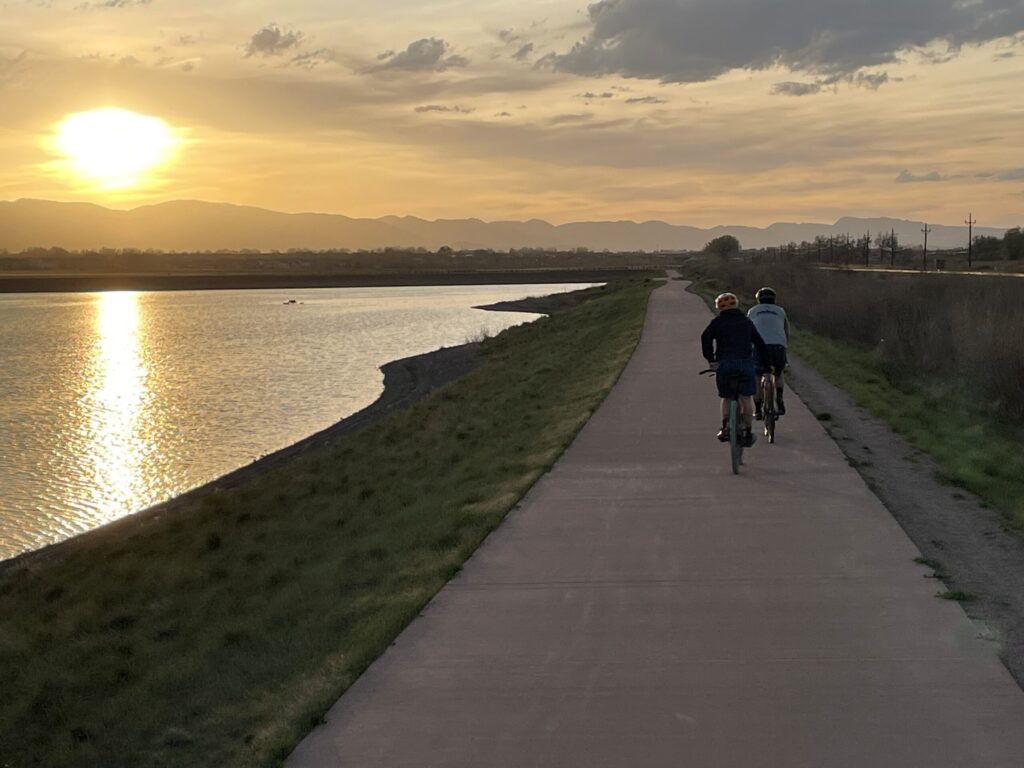
In northern Colorado, around a leafy preserve fed by the Poudre River and old farmland left between ever-growing neighborhoods, crews have been building a trail that will stretch about a mile. Only about a mile ー fairly small in one...

Seth Boster
Reporter
Why two widows who loved the same man married each other
John Moore
john.moore@denvergazette.com
Updated 12 minutes ago
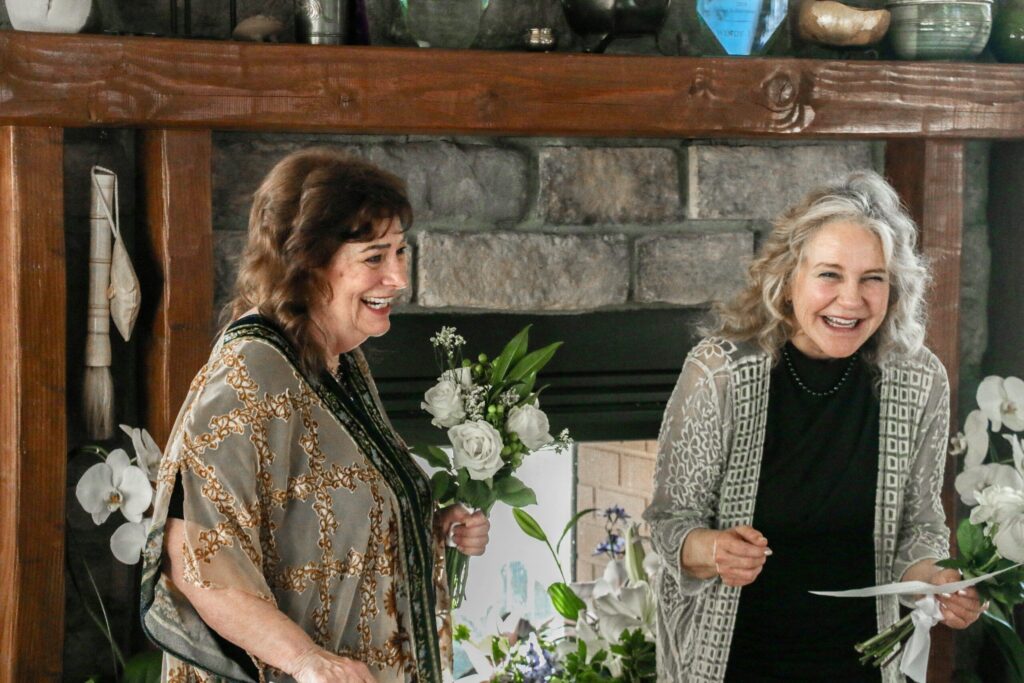
The marriage of Wendy Ishii and Bo Dimon is the story of creative conflict resolution, forgiveness and financial pragmatism LAPORTE – When Bo Dimon learned that Wendy Ishii keeps a voodoo doll of her on her fireplace mantle – and she...

John Moore
Reporter
Rockmount — maker of Western wear for rock stars and truckers — turns 80 this year
Bernadette Berdychowski
bernadette.berdychowski@denvergazette.com
Updated 1 day ago
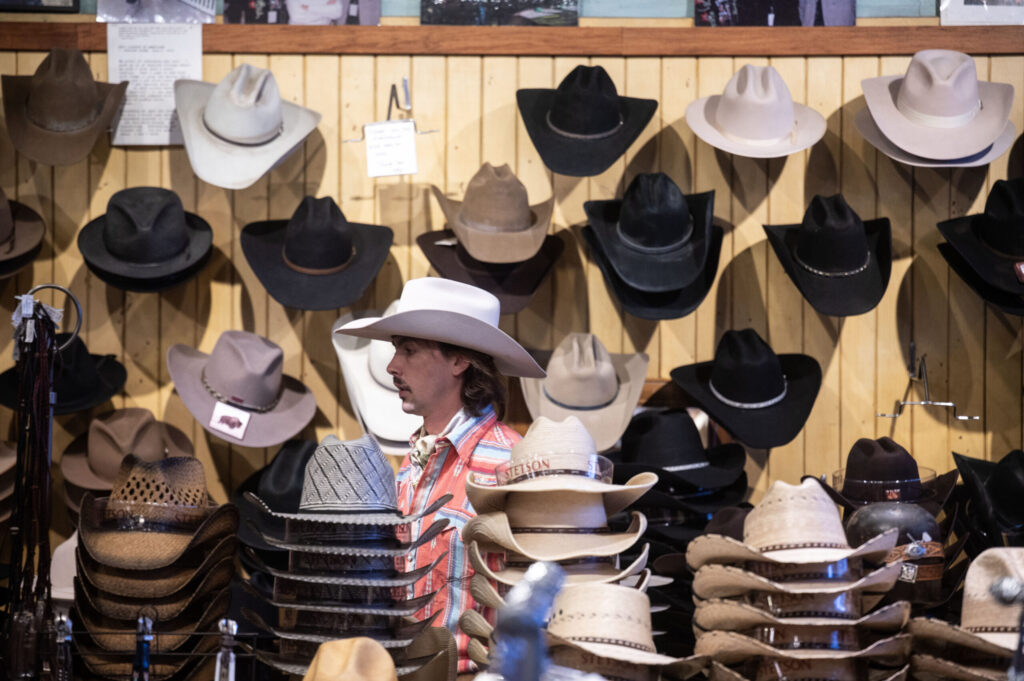
While most clothing labels follow the latest trends or aim to make new ones, Rockmount Ranch Wear is content with the Western style it fashioned nearly 80 years ago. Its Lower Downtown shop — showcasing the Western wear it spread...

Bernadette Berdychowski
Reporter

This winter, treat yourself to theater with music, mirth or meat on its bones
John Moore
john.moore@denvergazette.com
Updated 4 days ago
The top 2026 trend in local theater: Companies are moving their plays from city to city staged for your enjoyment and convenience There is an embarrassment of riches on Colorado theater stages this winter. And, to a growing degree, you...
John Moore
Reporter

U.S. overdose deaths fell through most of 2025, federal data reveals
The Associated Press
the-associated-press@denvergazette.com
Updated 5 days ago
NEW YORK — U.S. overdose deaths fell through most of last year, suggesting a lasting improvement in an epidemic that had been worsening for decades. Federal data released Wednesday showed that overdose deaths have been falling for more than two...

The Associated Press
Reporter

Doctors: Changes to U.S. vaccine recommendations are confusing parents
Bob Smith
bob.smith@gazette.com
Updated 6 days ago
Dr. Molly O’Shea has noticed growing skepticism about vaccines at both of her Michigan pediatric offices and says this week’s unprecedented and confusing changes to federal vaccine guidance will only make things worse. One of her offices is in a...

Bob Smith
Reporter
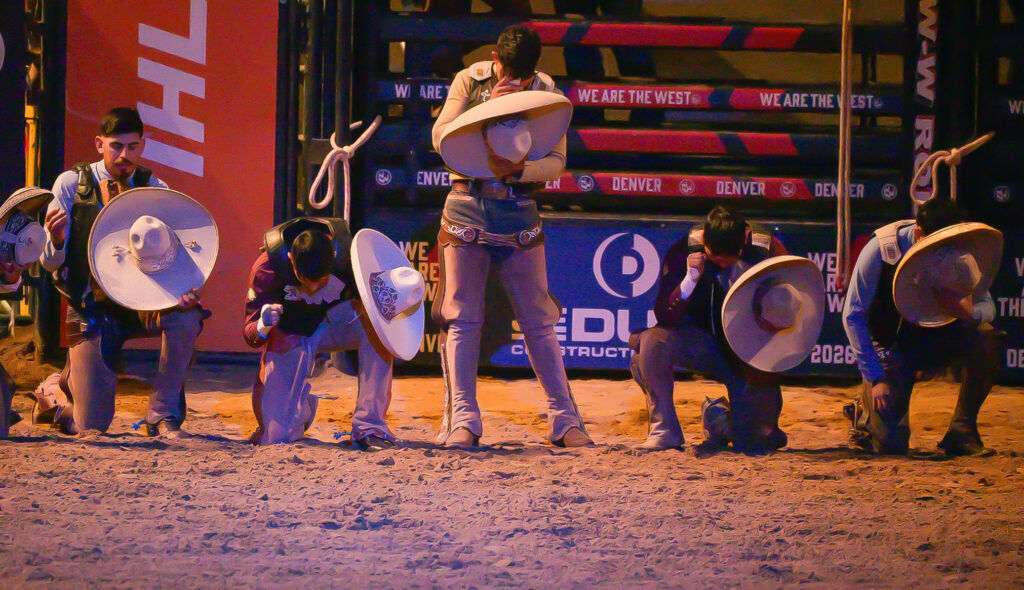
PHOTOS: Mexican Rodeo Extravaganza
Jerilee Bennett
jerilee-bennett@denvergazette.com
Updated 6 days ago

Jerilee Bennett
Reporter

Grateful Dead founding member Bob Weir dies at 78
The Associated Press
the-associated-press@denvergazette.com
Updated 7 days ago
LOS ANGELES — Bob Weir, the guitarist and singer who as an essential member of the Grateful Dead helped found the sound of the San Francisco counterculture of the 1960s and kept it alive through decades of endless tours and...
The Associated Press
Reporter

Snow farming: How some Colorado ski areas combat a dry winter
Seth Boster
seth-boster@denvergazette.com
Updated 7 days ago
When the snow isn’t falling at some Colorado ski areas, the directive is simple. Go find it. “We gotta do what we gotta do,” said Tim Kerrigan, vice president of mountain maintenance at Ski Cooper. And it might sound simple,...
Seth Boster
Reporter

AROUND TOWN: Holiday Debutante Ball has 58-year tradition
Linda Navarro
linda-navarro@denvergazette.com
Updated 2 weeks ago
Ten young women in traditional formal white gowns, long gloves and pearls were presented as the 2025 Colorado Springs Debutantes in a sparkling December ball in Broadmoor International Center. The evening’s floral theme was “Velvet and Vines” and special flowers...

Linda Navarro
Reporter