







Year-round gardening: Tips for top tomatoes
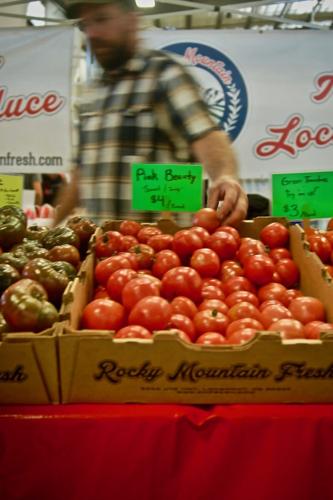
Rocky Mountain Fresh tomatoes are mostly grown in greenhouses, which help extend the ripening period, making for a juicier, more nutritious piece of fruit (yes, it’s true: tomatoes are a fruit). Photo Credit: Emma Murray


“You say to-may-tow, I say to-maw-tow, you say po-tay-tow, I say po-taw-tow.” Aah, you can close your eyes and join Luis Armstrong and Ella Fitzgerald finishing the lyrics to that catchy Ira Gershwin tune.
Tomato, however you pronounce it, is the No. 1 plant grown in North American gardens. Ask any gardener, and they will agree there are no better-tasting tomatoes than those grown in your own backyard.
Year-round gardening: Incorporating yuccas in your Colorado landscape
A few popular varieties for this region include Early Girl, Big Boy, Better Boy, Sweet 100, Sweet Million and Sungold. Beefsteak tomatoes are good for slicing, while cherry and grape tomatoes are popular in salads and for snacking. Sweet 100 is the most popular home garden cherry tomato; if you haven’t tried one, you should. They are better than candy.
Select short, sturdy plants, avoiding those that are tall and leggy. There are two basic types of tomatoes. Determinate varieties are bushlike with fruit that ripens over a four- to six-week period, while indeterminate varieties are vinelike and continue to grow and produce tomatoes until the end of the season.
Possibly the most important selection criteria is days to maturity. For tomatoes, that is measured from transplant to ripe tomatoes. Avoid varieties that take more than 100 days to mature.
When planting, choose a site that receives a minimum of 6 hours of sun per day. Raised beds or gardens next to a south-facing wall are good choices. Work amendments into the soil prior to planting. To encourage root development and a healthier plant, bury up to 6 inches of the stem as you plant the tomato.
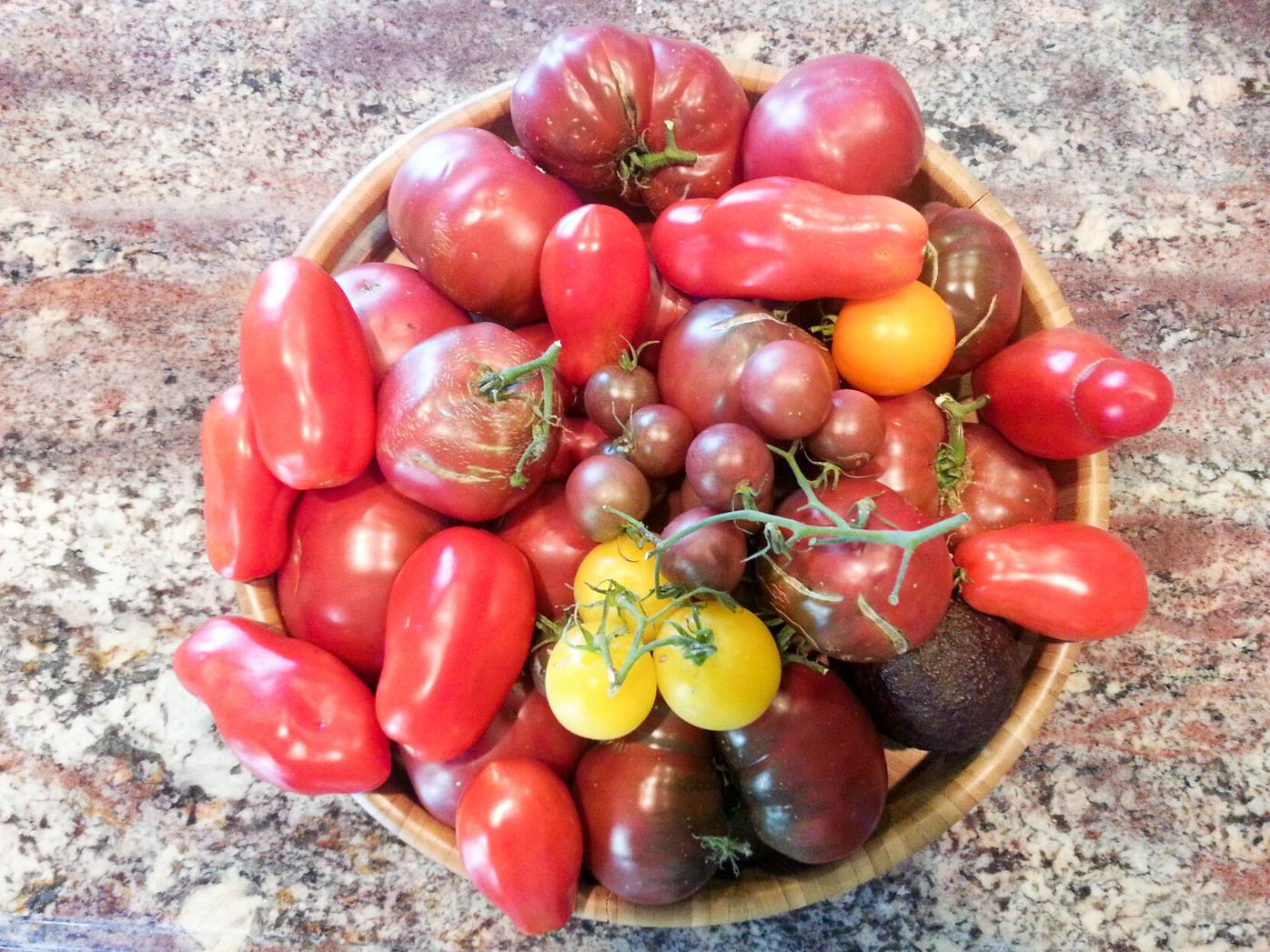
Tomatoes require warm weather to survive.
Debra Stinton Othitis, Colorado Master Gardener


Tomatoes require warm weather to survive.
Year-round gardening: The ancient art of peony planting
Taller plants can be trenched by removing the leaves on the lower two-thirds of the plant and placing the transplant on its side in a 3-inch trench. Water thoroughly after planting. Plants must be spaced well to enable harvesting and to avoid disease.
Tomatoes require warm temperatures to survive. Seedlings should be planted outside when nighttime temperatures are above 52 degrees and daytime temps are above 60 degrees. A cool week will stunt growth and reduce yields. Planting time for this region is typically late May.
Mulch is recommended to conserve soil moisture, manage weeds and disease by minimizing splashing of Early Blight fungal spores from the soil to the leaves. Avoid overhead watering. Watering in the morning at the base of the plant is best.
Use a balanced fertilizer to encourage fruit production. High-nitrogen products such as lawn fertilizers will cause the vines to grow excessively and can diminish fruit production. Fertilize tomatoes lightly as the first fruits reach 2 inches in diameter. Use a water-soluble fertilizer (according to the label) every two to four weeks.
After the harvest has ended, remove all debris. Dispose in the trash and do not compost unless the pile heats up to the 145 degrees required to kill pathogens.
Submit gardening questions to [email protected] or call 719-520-7684. The help desk is open 9 a.m. to noon and 1 to 4 p.m. Mondays and Wednesdays at 17 N. Spruce St. Find us on Facebook at Colorado Master Gardeners – El Paso County.
Submit gardening questions to [email protected] or call 719-520-7684. The help desk is open 9 a.m. to noon and 1 to 4 p.m. Mondays and Wednesdays at 17 N. Spruce St. Find us on Facebook at Colorado Master Gardeners – El Paso County.