







Wilbur Lin: Rethinking the American orchestra
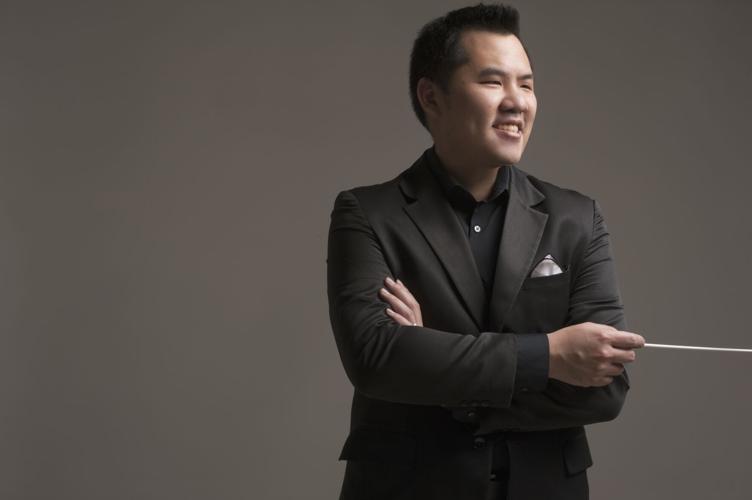
'Many orchestras around the country are rethinking what's our role in the community,' says Wilbur Lin, 34, the new music director of the Denver Young Artists Orchestra.
Photo by Lai Yueh-Chung via Colorado Symphony

Wilbur Lin is no revolutionary. The newly arrived music director of the Denver Young Artists Orchestra chuckles at the suggestion. Yet he admits he’s anxious to help make some big changes in the new world of the American symphony. And, he insists, he’s not alone.
“Many orchestras around the country are rethinking what’s our role in the community,” the 34-year-old conductor said.
COVID had a lot to do with inspiring this new view of life in the concert hall, after entire symphony seasons were suddenly canceled. In a New York Times article, Deborah Borda, CEO of the New York Philharmonic, spoke about her orchestra returning to concerts in 2021 after a forced 18-month absence.
“We must question ourselves,” she said. “How have we changed, in light of the internal and external journey our nation has been on?”
Similarly, music organizations have recently been re-examining programming, marketing, reaching out to minority communities, expanding education possibilities, etc.
It’s a changing world. Music organizations are responding, Lin said, “and the DYAO is one of them. We want to be a trendsetter. For starters, we’re changing how we dress onstage.”
OK, so that doesn’t sound like a big deal. But old-world traditions, such as the use of 19th-century tuxedos, have symbolized the stuffy image of classical music. Lin, who has also been named assistant conductor of the Colorado Symphony, is anxious to shake off the dust that’s long settled on the concert world.
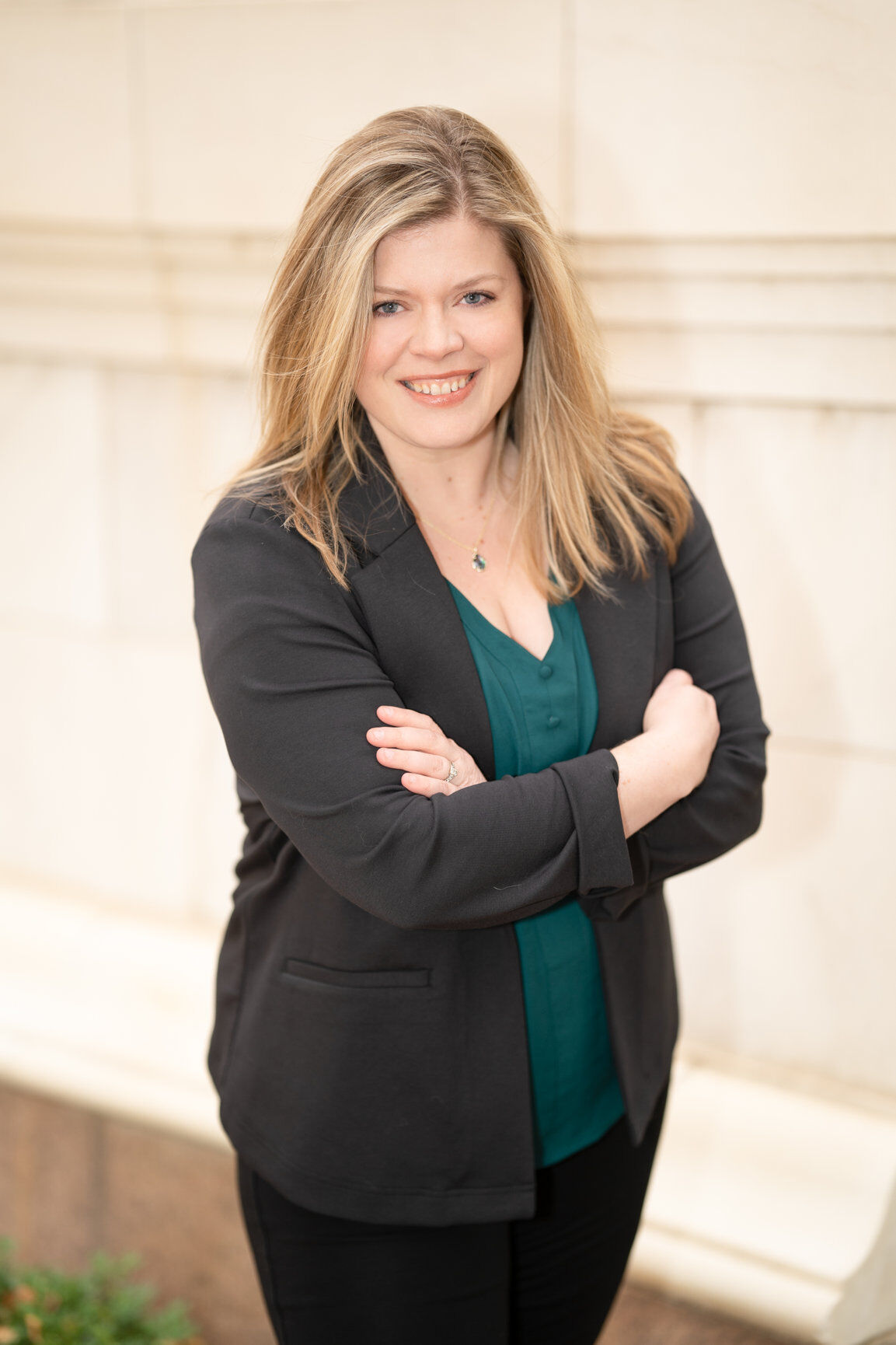
Wilbur Lin 'is anxious to break down barriers; to bring our orchestra into the 21st century,' has a fresh approach,” says Kelly Waltrip, executive director of the Denver Young Artists Orchestra.
Photo by Peggy Tio, lightboxphotographer.com


Wilbur Lin ‘is anxious to break down barriers; to bring our orchestra into the 21st century,’ has a fresh approach,” says Kelly Waltrip, executive director of the Denver Young Artists Orchestra.
DYAO administrators are happily standing by their new music director. “Wilbur has a fresh approach,” said executive director Kelly Waltrip. “He’s anxious to break down barriers, to bring our orchestra into the 21st century.”
Founded in 1977, the DYAO offers many opportunities to talented young musicians of all ages. Admission to the organization is gained through an audition process, resulting in a roster of more than 200 musicians, who gain admission to one of three orchestras.
The String Ensemble, led by Robert Stahly, is open to ages 7-13 and the Conservatory Orchestra, led by Ingrid Larragoity-Martin, is for players ages 10-18. The senior Young Artists Orchestra (ages 12-23), to be conducted by Lin starting this fall, has long enjoyed a national performing reputation. Many of its alumni have joined the Colorado Symphony and orchestras across the country.
The Young Artists Orchestra has toured the U.S. and as far away as Moscow. The ensemble will perform three concerts in Los Angeles June 9-14, including a visit to Walt Disney Concert Hall, home of the L.A. Philharmonic.
Over the past decade, the DYAO has been led by music director Wes Kenney, who had also served as orchestra director at Colorado State, while holding no official position with the Colorado Symphony. During his tenure, the DYAO and Colorado Symphony maintained “an alliance,” according to Waltrip, who felt that their relationship could have been deeper than one limited to occasional master classes independently given by senior musicians to younger players.
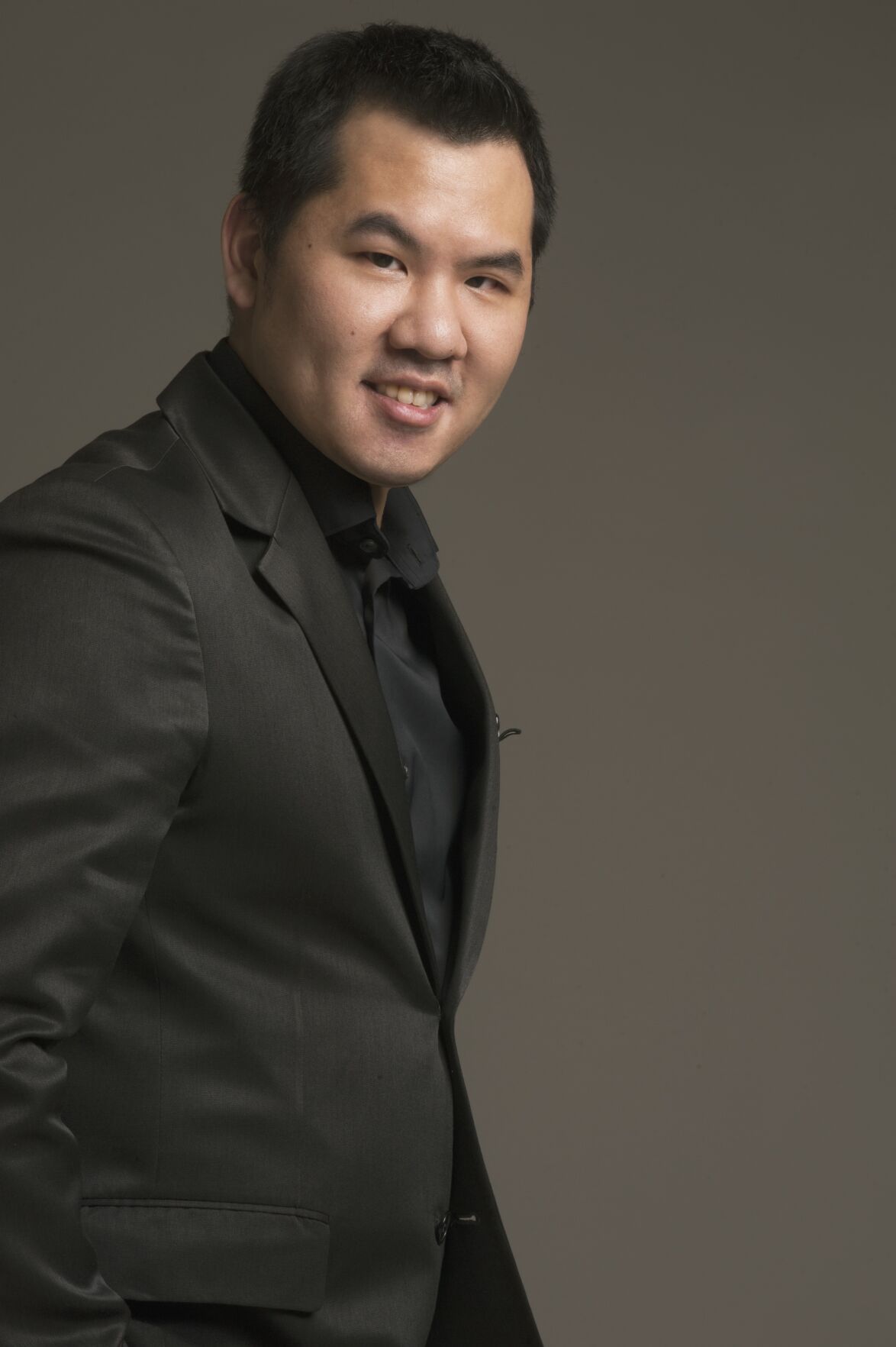
Wilbur Lin will make his debut Sept. 24 with a Denver Young Artists Orchestra concert at Boettcher Hall.
Photo by Lai Yueh-Chung via Colorado Symphony


Wilbur Lin will make his debut Sept. 24 with a Denver Young Artists Orchestra concert at Boettcher Hall.
With Kenney’s recent retirement from CSU and Lin’s upcoming debut – on Sept. 24 in a DYAO concert at Boettcher Concert Hall – the torch will officially pass, and a renewed relationship between the youthful and professional orchestras will be cemented.
In addition to long-standing annual side-by-side concerts in Boettcher Concert Hall concerts, the two groups had shared music directors in years past, but that connection had gradually faded away, Waltrip said.
Thoughts of a reborn marriage bubbled up with a meeting in 2018, but when the pandemic hit in 2020, further talks were “stunted,” she added.
“Up to then, there were no specific plans to share our music director with (the Colorado Symphony’s) assistant conductor,” Waltrip said. “It was just an idea. But then they approached us and wondered if this was a good time.
“When we hired Wilbur, we knew this could work. With us, he’d be going into the schools, he’d be more integral in the community, representing both orchestras. We’d be using Boettcher Hall for concerts more often – three or four times a year. There would be more work with the (Colorado Symphony) staff and with its education department, more opportunities for master classes with guest artists. There’s more possibility for money going back and forth from more sources. DYAO students can access tickets to Symphony concerts. We’re building a culture here.”
All along, Colorado Symphony conductors Peter Oundjian and Christopher Dragon have worked with DYAO musicians, and will continue to do so, Waltrip said. Oundjian, who was appointed principal conductor with the senior orchestra in February 2022, had been involved in the search that led to Lin’s hire and has stated his willingness to attend DYAO rehearsals, she added.
Lin brings more than youthful energy and big plans to his twin role with two of the Front Range’s most prominent orchestras. He brings an impressive résumé, boasting lengthy study with world-renowned conductor Riccardo Muti and with such renowned maestros as Yannick Nézet-Séguin, Sir Mark Elder and Helmuth Rilling. He’s led operas and symphonies around the world, and has developed valuable experience sharing his knowledge and enthusiasm with audiences of all ages.
“I know how to address an audience, how to hold their attention, particularly young listeners,” he said. “I want to eliminate their fear of the music – to keep them engaged. I’ve always admired how Leonard Bernstein was so successful with his Young People’s Concerts. Last week I did a concert for kindergartners. Beforehand, I watched a YouTube video on how to talk to kids that age. We played ‘Flight of the Bumblebee’ and they loved it.”
But back to that dress code change he mentioned earlier. Let’s not get carried away, he said with a laugh.
“We’ll start by eliminating neck-wear and go without the ties.” Hey, it’s a start. Then he brought up a more significant change that will occur beyond view of DYAO audiences.
“I want to do away with (player) competitions,” Lin said. Those behind-the-scenes challenges test musicians seated one chair behind in a quest to move forward. Traditionally, since those tension-filled contests have winners and losers, they often result in bruised egos (and bad memories of my childhood orchestra nightmares).
“Making music is about collaboration,” Lin said. “What I’d rather do is institute regular seat rotation. Having static seat placement doesn’t encourage (musical) growth. The principal players will stay, of course. There, they learn to be leaders.”
Marc Shulgold has had a 33-year career as a fine-arts journalist, including a long stint at the Rocky Mountain News.