Story of a broken heart: Metro Denver’s youth violence claimed one mother’s son

The wail of alarms woke her up.
Lisa Phillips’ 15-year-old son Jayden had been home from detention for a couple of months after striking a plea agreement for car theft charges. Two years of probation. Work with a mentor. Stay out of trouble.
Phillips had installed a security system in hopes it would deter Jayden from sneaking out, her latest strategy after a year of hiding her car keys or sleeping on the couch in hopes her son could not get past her. So, when the security system started screaming somewhere between 1 a.m. and 2 a.m., Phillips knew it was Jayden slipping out the door. She sprinted downstairs. He’d already disappeared.
In a note he left on his bed, Jayden wanted his mom to know he did not want to hurt her but needed to be with friends to help him cope with the stress of his case. She recalled him writing, “I’m sorry for putting you through this.”
Soon after, Phillips walked into a familiar scene: a somber Jayden sitting in a police station. Officers told her he and two friends were allegedly shoplifting and driving a stolen vehicle. The new case landed him back in detention for one more month – another pitstop in Jayden’s winding road through the juvenile justice system that failed to divert him from a trajectory that three years later would claim his life.
Aurora police found his body riddled with bullets October 18, 2021 in a parking lot, his black and silver Smith & Wesson containing no ammunition near his side, one more teen dead amid a surge in youth violence in metro Denver.
He became part of a sobering statistic. The Aurora Police Department saw an 800% increase in juvenile homicides from 2018 to 2022, with one such homicide tallied in 2018 and nine last year. Last year, 14 of the 52 homicides in Aurora, or roughly one in four victims, were under the age of 25.
To Phillips her son was more than just a statistic. He was once her toddler who woke up from nap time to run to the window to laugh and point out when trash trucks came rumbling through their neighborhood. He was the son who wrote poetry and dreamed of one day being a father.
Along the way, she recalls pleading for help and calling police when she found a Glock handgun with ammunition in the bottom drawer of his dresser, begging for authorities to crack down on him when he violated pre-trial conditions. In the end, none of it worked. She wants her story told in hopes maybe just one other son out there won’t continue straying until he leaves another mother’s heart broken.
“I wouldn’t wish it on anybody,” Phillips said. “To see your child going down the wrong path, and you are trying to do everything you can to help, and you are not getting help, Phillips said.
Lisa Phillip’s losing battle is an all-too real, all-too-common part of the layered, complicated story of gun violence impacting youth in metro Denver. Sometimes even a parent’s mightiest efforts to shield a child from bad influences, hold them accountable, and get them help are not enough. With so many outside forces pressing in on children that parents can’t control, some causes just stay lost.
A mentor remembers
Phillips’ son struggled, from his days as a preschooler, through earning his GED while locked behind bars. His teen years became a slow burn of increasingly escalating behavior that shuffled him from detention centers to group homes and eventually landed him in a two-year juvenile commitment.
Along the way, people fell in love with Jayden – a boy slow to trust others, who harbored emotional scars, but boasted an infectious sense of humor and deep loyalty to those he cared for. They fought to save him, his friends and family said.
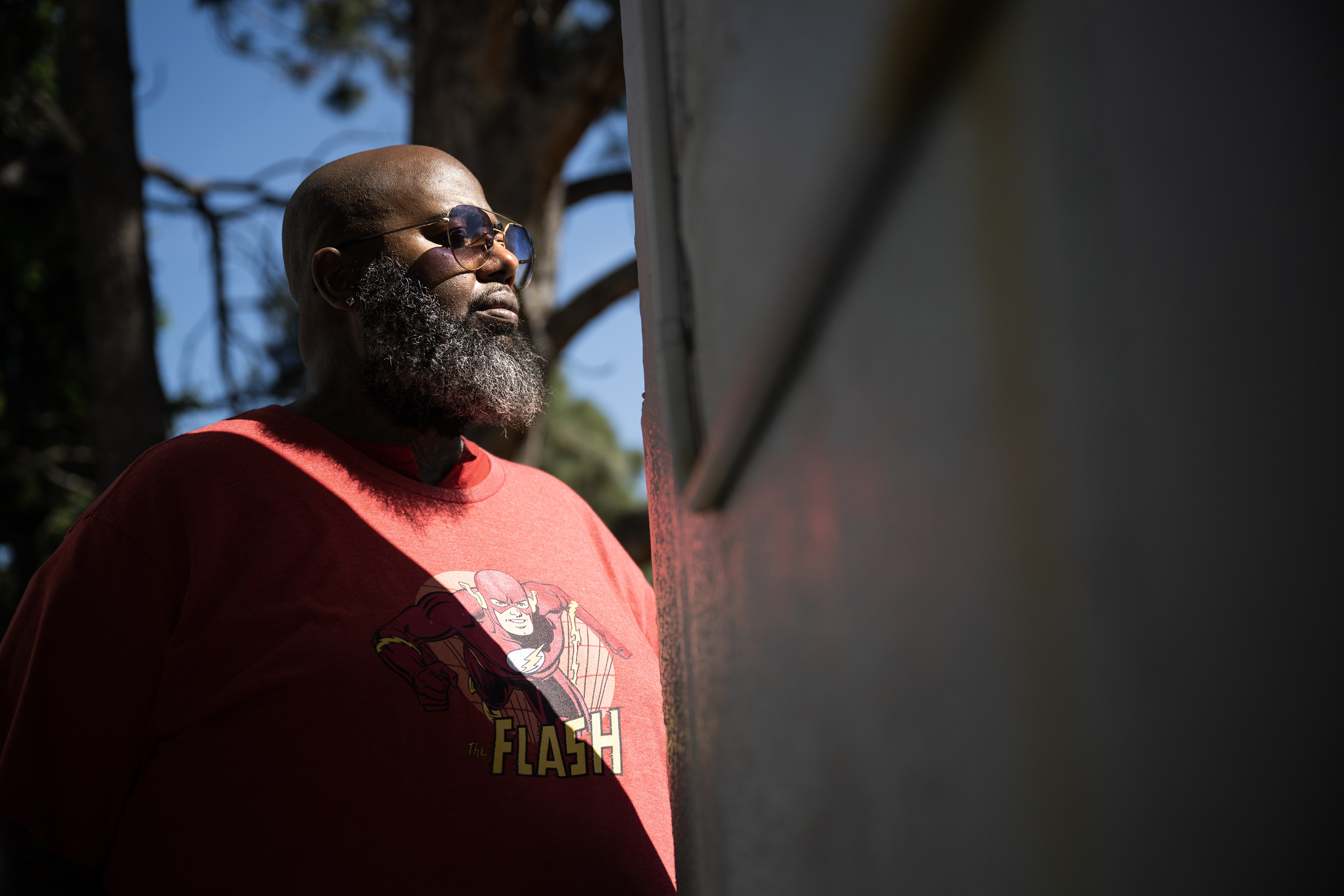
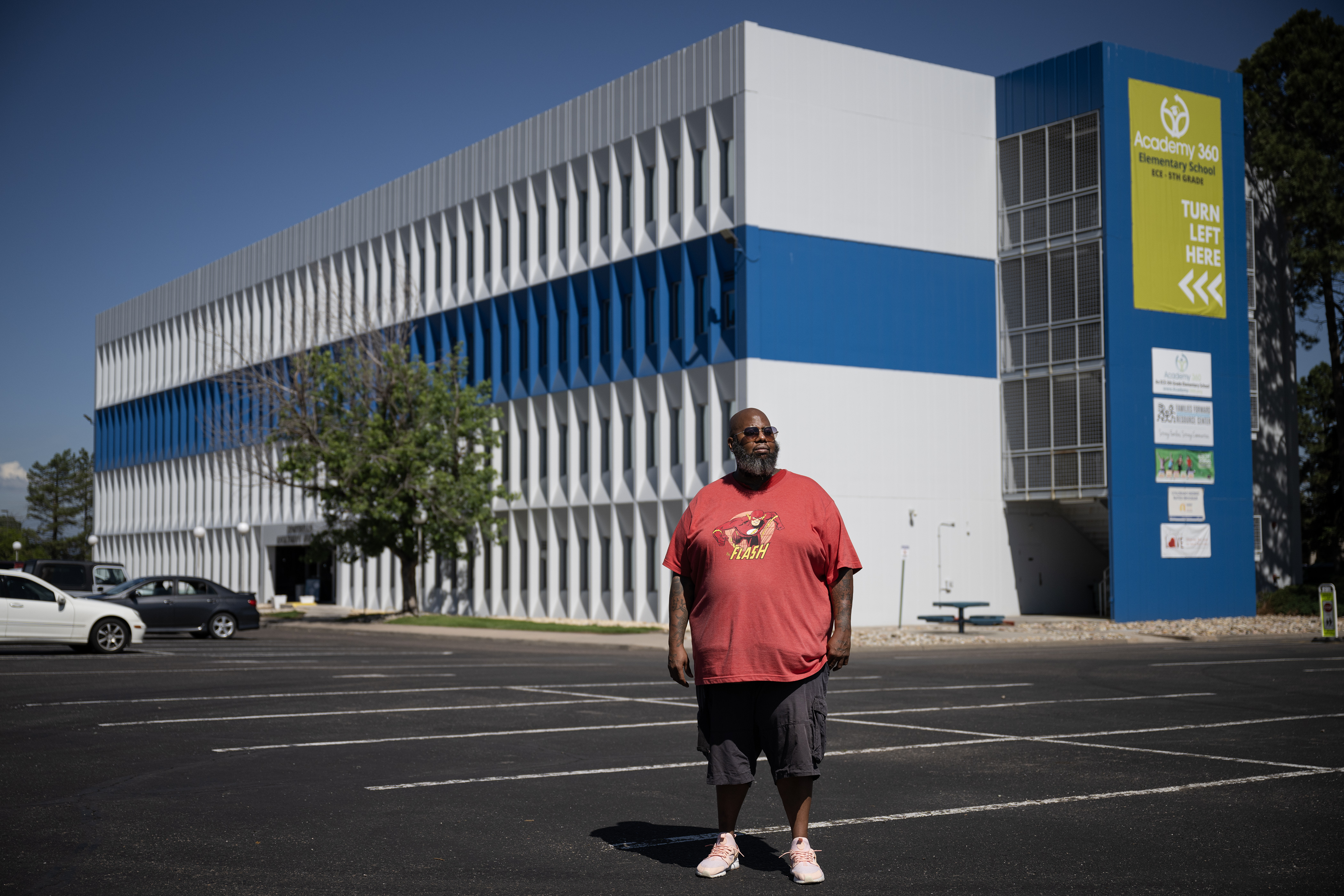
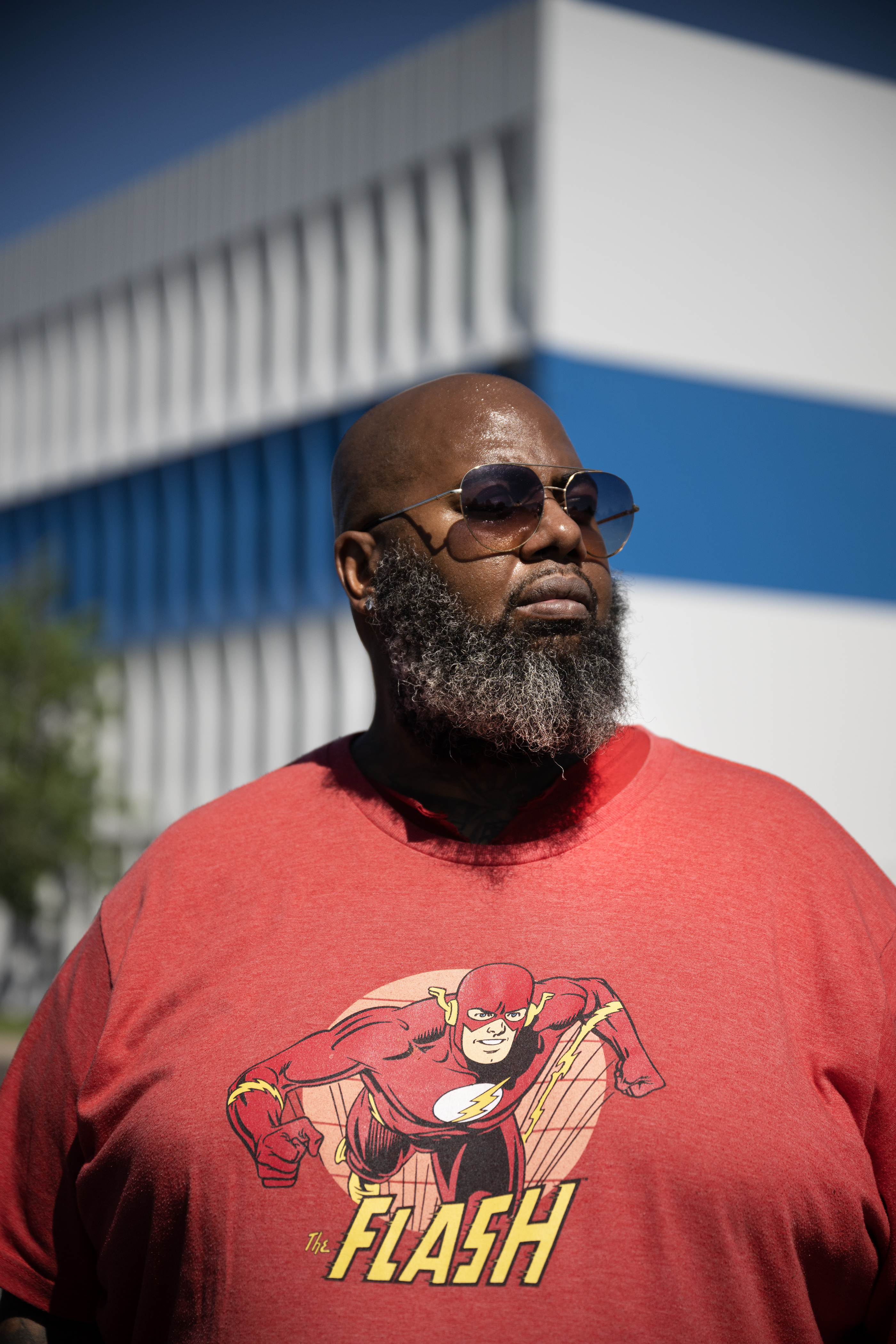
Among them was Jason McBride, a longtime youth advocate working in the Denver metro area, currently for the Struggle of Love Foundation. He was referred to mentor Jayden during one of Jayden’s stints in detention, when McBride worked for a gang-reduction organization called GRASP (Gang Rescue and Support Project) that has long conducted intervention work for at-risk youth.
Jayden sat down across a table from McBride and studied him during their first meeting. When McBride got up to leave, he told Jayden he would be back. Jayden did little to hide his skepticism. He was used to meeting “a lot of people who couldn’t deal with him and would just leave him,” McBride said.
McBride kept up a relationship with Jayden even as the teen was shuttled to multiple detention facilities, visiting him twice a week, sometimes driving from metro Denver down to Colorado Springs in hopes of a breakthrough.
“As a society, we are not putting up nearly enough obstacles on the path that leads to their destruction,” he said.
“These kids can get guns faster than they can probably eat in some cases,” he said.
Gangs are one driver behind youth gun violence, he said, estimating that while guns at school used to be a rarity, today there could be between five and 10 guns at some metro schools on any given day.
“It’s devastating the community,” he said.
Jayden became the 12th child McBride has mentored and lost.
The list has since grown to 16 children. McBride said he knows it won’t stop at 16.
“I think (Jayden) is the epitome of what these kids are going through. And it’s scary. And it’s sad. It’s out of control. But we let it get to this point,” said McBride. He called for a solution that focuses on identifying and addressing the needs of families, which he said can range from socio-economic problems to mental health issues.
‘Toughen Jayden up’
As a mother, Phillips recalled a feeling of desperation as she tried all the parenting strategies she knew to keep her son out of trouble.
“If people knew I did everything besides chain him to his bed to try to keep him in the house and keep him safe,” she said.
Jayden began acting out around the ages of 4 and 5. Defiant. Disruptive at school. By and large, the behavior was a mystery to Phillips.
When his little brother Donnie was born, 7-year-old Jayden was ecstatic. He thanked his mom, over and over, for giving him a brother.
By first grade, Jayden was already in therapy. Seeking help for him revealed Jayden had been shouldering a trauma alone, Phillips said. A person close to the family had molested Jayden during his preschool years. Years later, in-between stays at detention centers, Jayden would confide in his mother another secret. Jayden’s father, who he last saw at about the age of 5, had also been instructing an older boy to “toughen Jayden up.”
Fighting, he told his mom, was the only thing his father taught him. She thinks Jayden would hold on to that for years to come, because it was the only thing he had left of his father.
Jayden’s legal troubles began in middle school when he was caught blasting music and joyriding on a golf cart with friends — a funny stunt in the eyes of her 13-year-old, Phillips said.
At 14, Jayden posted a selfie holding a gun. When Phillips confronted Jayden about the photo, he swore to his mother it was a BB gun and that a friend took it home. Then one day as Phillips did laundry, she noticed something had pierced through her washer, dented her dryer, and left a hole in the door.
“I knew it right then, it was a bullet hole,” she said.
Jayden finally confessed the gun had been real, but insisted he did not have the weapon. She found no gun when she searched their home.
Clashes between Phillips and her son became more frequent as his behavioral challenges persisted, and Phillips hoped sending Jayden to his grandparents’ home during the summer would ease the tension. She decided to clean her sons’ rooms while Jayden was away, but when he told her not to worry about his bottom dresser drawer, she grew suspicious.
Phillips rummaged through the drawer and unearthed a case lined with foam. She dug up bullets. Wrapped inside a blue t-shirt, a Glock 19.
Aurora police officers collected the gun and confirmed it was reported stolen, she said. They questioned Jayden by phone and told Phillips they would be forwarding the matter to an investigator. Phillips never heard from the police department about the gun again, she said. She was not relieved, Phillips said. She was angry with police. Her son could have shot himself, and she felt as though he faced no consequences for the gun.
A string of law enforcement encounters followed.
Jayden once led police on a foot chase beginning near the Aurora Mall after officers attempted to pull him over for driving a stolen vehicle, Phillips said. The incident led to Jayden’s first stay in a detention center – roughly one week at the Marvin W. Foote Youth Services Center.
Phillips did not want her son to go to detention, but she hoped a tangible consequence would show Jayden he did not like getting in trouble.
He’d taken to sneaking out that year. Phillips did not know how many times he left home during the night and came back without her knowing. She caught on when a neighbor told her he’d gone out for a late-night smoke break and had seen Jayden driving home in her Jeep.
She started sleeping with her keys. When the sneaking out persisted, she began sleeping on the couch every night hoping he would not get past her, until she realized he was scaling out windows to avoid her.
Phillips pleaded with Jayden’s case manager for help, she said, reporting each violation of his pre-trial release conditions, but was frustrated by what she felt was a lackluster response to her concerns. The case manager eventually agreed to seek a warrant for Jayden’s arrest.
Then, Phillips said, she was told it would be her responsibility to call police to carry out the warrant.
The best time, she thought, would be in the car on her way to run errands. Tears filled her eyes as she recounted Jayden asking her to bring home pasta salad, oblivious to the call his mom was preparing to make.
With Jayden’s younger brother at school, and Jayden taking a nap, officers arrived mid-afternoon on a weekday in March 2018 to arrest him. He spent another month at the Foote center.
When he came home, Phillips installed the security system.
A mother watches police apprehend her son
Police called Phillips with news that rattled her in a way past calls had not.
A man had discovered Jayden and one of his friends inside his garage, police told her. Phillips begged her son to recognize the danger he put himself in.
“That man could have shot you guys,” she told him. “I could have came and saw you laying there,” she recalled saying to Jayden.
“It’s like he didn’t care what happened to him. I really don’t think he did,” she said clutching a tissue.
It was not the first call from police that Phillips received that week. Police had also identified Jayden as the suspect in the robbery of a 7-Eleven, she said, in which the store employee alleged the suspect threatened them with a knife as they tried to grab the person on their way out.
One day before his 16th birthday, Jayden arrived at his first group home. A new cycle of running away began.
During one of Jayden’s stints on the run, Phillips spent two days as a “nervous wreck” after Jayden was accused of stabbing a man. She worried about where he was, what else he might do, and most of all, whether police now considered him a dangerous suspect and might use more force when apprehending him.
With Jayden gone for more than two days, Phillips texted him, urging her son to turn himself in. She then loaded her other son Donnie into the car and headed to the dentist.
When the appointment ended early, it turned into a stroke of fate, Phillips said.
On the drive home, there was Jayden, walking along Havana Street.
Phillips called a police officer working on Jayden’s case and pulled into a nearby parking lot. She watched as officers arrived, desperate to know what would happen as they took Jayden into custody.
Relief washed over her as Jayden went with the police calmly. Then the guilt rushed in. There in the parking lot, with Donnie in the backseat, the mother weary of calling police on her own son sat in her car and sobbed.
Jayden comes home
Jayden spent the next two years in commitment.
His time incarcerated was not easy. He fought constantly and could not be left alone in the general population, Phillips said. A prolific songwriter, Jayden penned a poem while away that his mother keeps framed on her nightstand.
He spoke about finding love, hoping it would “fill this void that’s inside of me,” wondering if it could “absorb this darkness within me.”
I think to myself, ‘Finally, an escape from all the darkness and terror I have endured.’
McBride had sat down with Jayden for a hard talk the January before his release. Being in jail fostered paranoia within Jayden, who constantly worried about being a target and fought – often unnecessarily – to defend himself, McBride said.
Jayden had always relied on being a good fighter because “his willingness to do that impressed his crew,” McBride said. It had to change now, McBride told Jayden, pushing him to get his diploma before coming home too.
In the six months before his release, Jayden agreed for the first time to try family therapy. The tension that had built up for years, between a mother grappling to keep her son off a dangerous path and a boy who she believes got lost trying to become a man, began to ease.
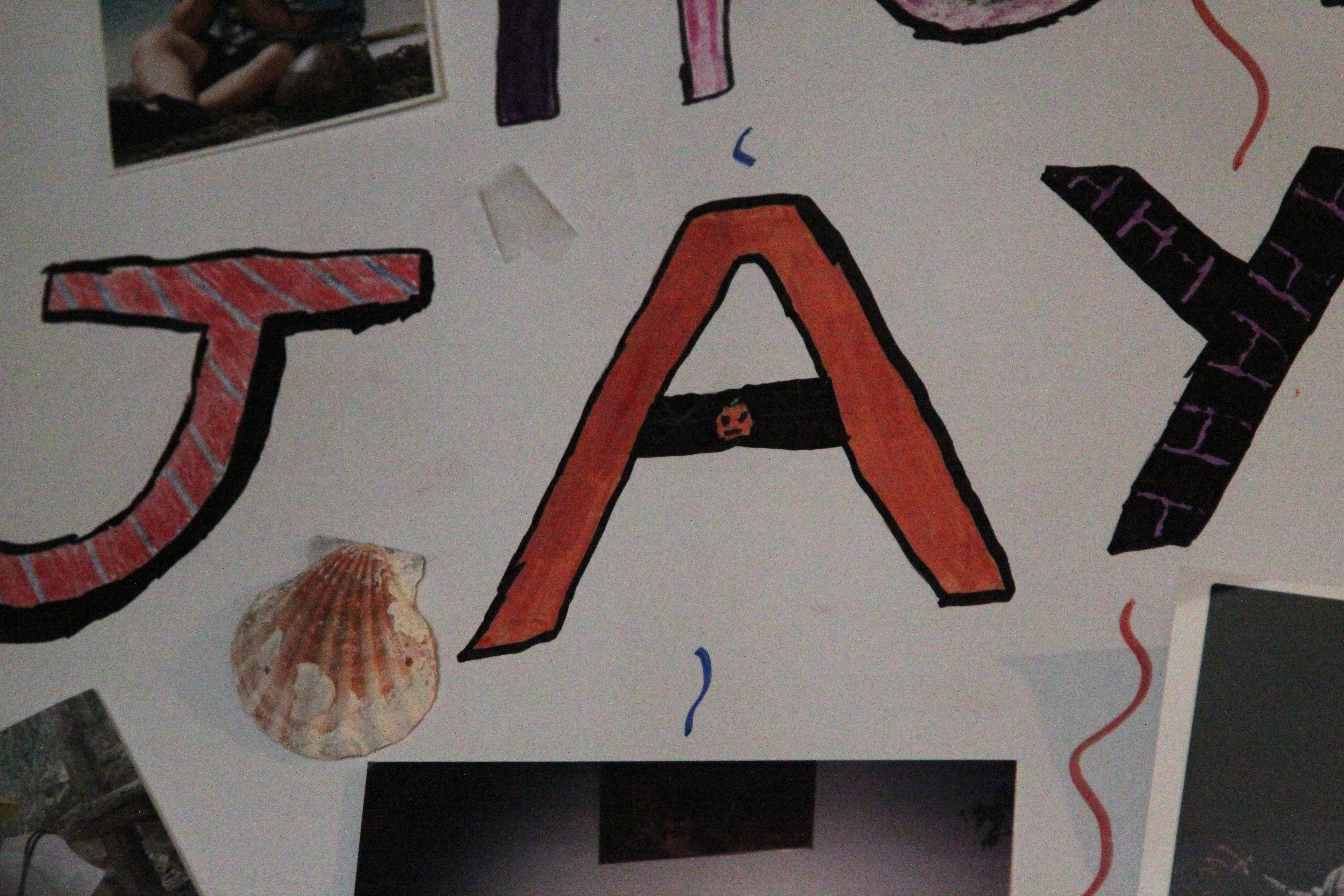
In September 2021, it was finally time for Jayden to come home. An 11-year-old Donnie made Jayden a sign bursting with color, decorated with seashells, flowers and declaring “Welcome home Jayden!”
The trio left Jayden’s detention center, grabbed some McDonald’s and got Jayden settled back at home. Phillips and Donnie still giggle thinking about Jayden trying on a new pair of pants, craning to see himself in a mirror too short for his towering frame.
Jayden planned to get a job and was on a mission to find a girlfriend after his release, Phillips said. He desperately wanted to be a father.
Jayden felt abandoned by people in his life, and she thinks he saw a baby as someone he’d always have in his corner, Phillips said.
The weekend after Jayden came home, the family threw a barbeque. Phillips’ snapped a photo of Jayden talking with his 88-year-old great-grandmother. She wanted to capture the moment, knowing because of her grandmother’s age the family might not have her much longer.
She did not know it would be the last photo she took of Jayden.
A deadly mistake
Less than three weeks after being released from commitment, Jayden was shot to death.
First responders found him lying in an Aurora parking lot suffering cardiac arrest and three gunshot wounds to his head, chest and arm, according to the autopsy report.
He was 18 years old.
Phillips first saw a news story reporting an 18-year-old was shot near a complex where they once lived, and where Jayden still had friends. She called Jayden’s phone, but could not get an answer. Intuition told her to drive to the scene of the shooting.
She found his Jeep parked inside yellow police tape, but instead of answers from officers on scene, she was met with questions.
Another news update popped up on Phillips’ phone. The 18-year-old had died. Phillips tried to calm herself as she waited in the parking lot, stifling tears, reminding herself she still did not know if Jayden was involved.
Later, back at home, Phillips caught a glimpse through the cracks of her patio fence of a uniformed officer and woman approaching her house. She opened the door before they could knock. She knew why they had come.
Phillips had wondered how she might react if this moment arrived. She imagined breaking down and losing all control, but as the officer and victim’s advocate told her Jayden was gone, the tears would not come.
Phillips called Donnie inside from playing with friends. He dropped his bag of Hot Cheetos as she told him his brother was dead. “And then I just sat there and cried on the couch,” he said, remembering his feelings dissolving from sad, to numb.
Five staff members from detention facilities attended Jayden’s memorial service. Another who could not attend but was struggling to cope with his death asked to visit a tree that Phillips planted in his memory.
McBride, the youth advocate, still reels when he thinks about Jayden’s death.
Jayden visited McBride at the Struggle of Love office about a week after he came home from commitment. They talked about the foundation’s new music studio, and what equipment Jayden would need to start recording a pile of songs he’d written while away.
“I knew he still was a fighter, so my whole thing was just getting him over here to where I knew he was going to be safe. And it just didn’t work. We just ran out of time, and that’s one thing you can’t get back in this game,” he said.
His death roughly one week later “took a lot of wind out of me.”
“I was ready to quit this work,” McBride said. “I still haven’t recovered from that.”
The circumstance surrounding Jayden’s shooting is the most difficult part of his life story for Phillips to broach.
In October 2021, Jayden died attempting to rob a 19-year-old man at gunpoint, according to a police report. Police decided the man, who in an unrelated incident two months earlier had been the victim of a carjacking at gun point, acted in self-defense.
In life and in death, Phillips wants to protect her son. She told him, no matter what choices he made in life, “he was my baby,” Phillips said as her face crumpled. She knows how wrong his final decision was, she said, but she neither believes Jayden intended to shoot the other man or that he expected the man to defend himself.
The world changed while Jayden was away and a pandemic raged, McBride said. “Kids got more violent. Not only kids, but people became more violent. I think he underestimated that,” McBride said.
Donnie is his mother’s rock. Phillips doesn’t tell him that, because she doesn’t want to burden her son, but he is a constant, happy force in her life, she said. He’s busy raising his baby leopard gecko, which he named Butter, playing the clarinet in band, and keeping up with wrestling practice.
Now 13, Donnie hears kids talk about getting into trouble. He thinks more recreation centers outside of wealthy parts of town might help, and encouraging kids to find activities that they love in order to stay busy. He sees news about “12-year-olds, 13-year-olds, 14-year-olds, getting shot, shooting people, stealing cars,” he said. He worries his friends who play on athletic courts could get hurt because of nearby shootings.
“It just kind of makes me sad,” he said.
‘Until I die’
Grieving Jayden is like “carrying a heavy weight around” at all times, “and your heart, literally it hurts,” Phillips said.
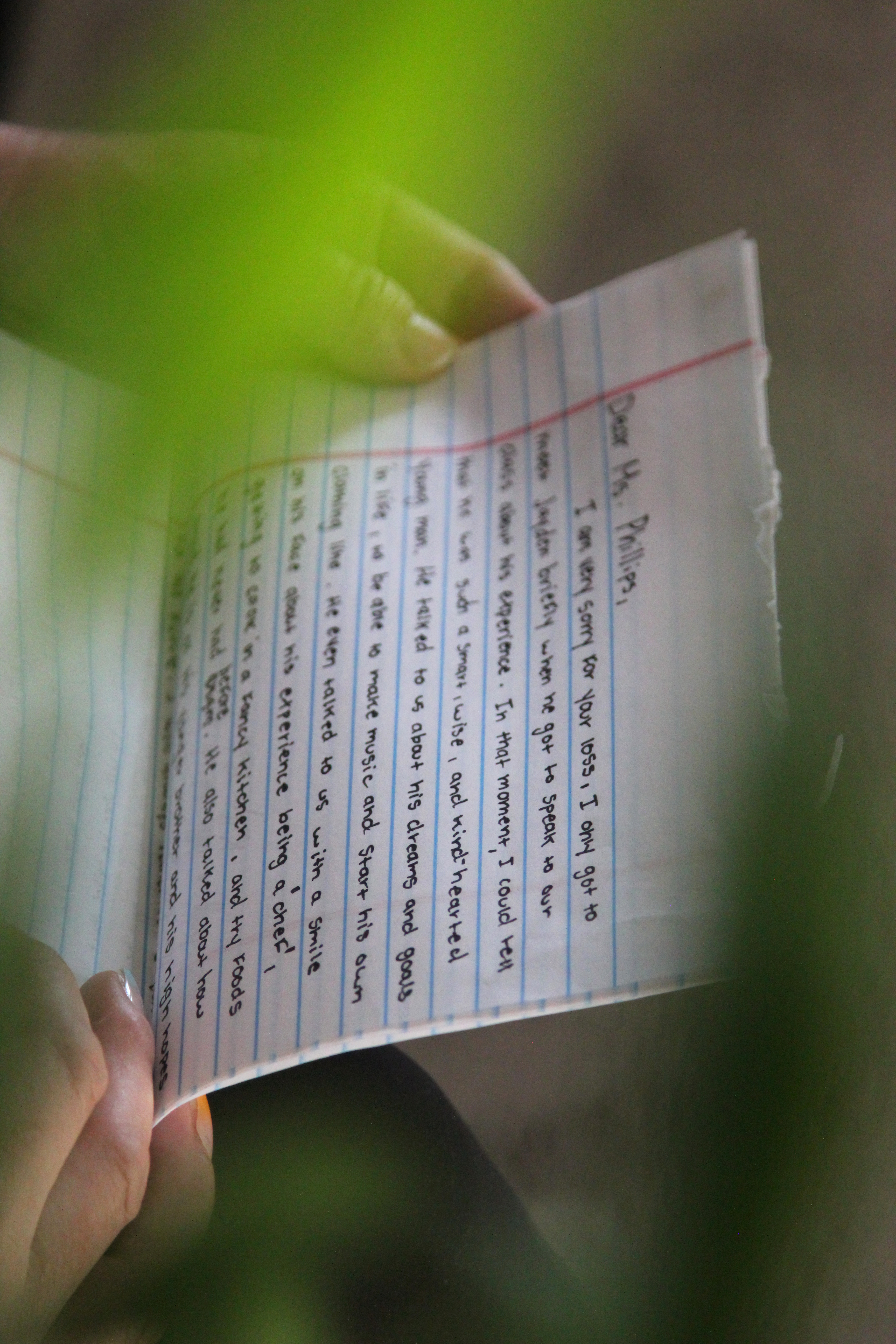
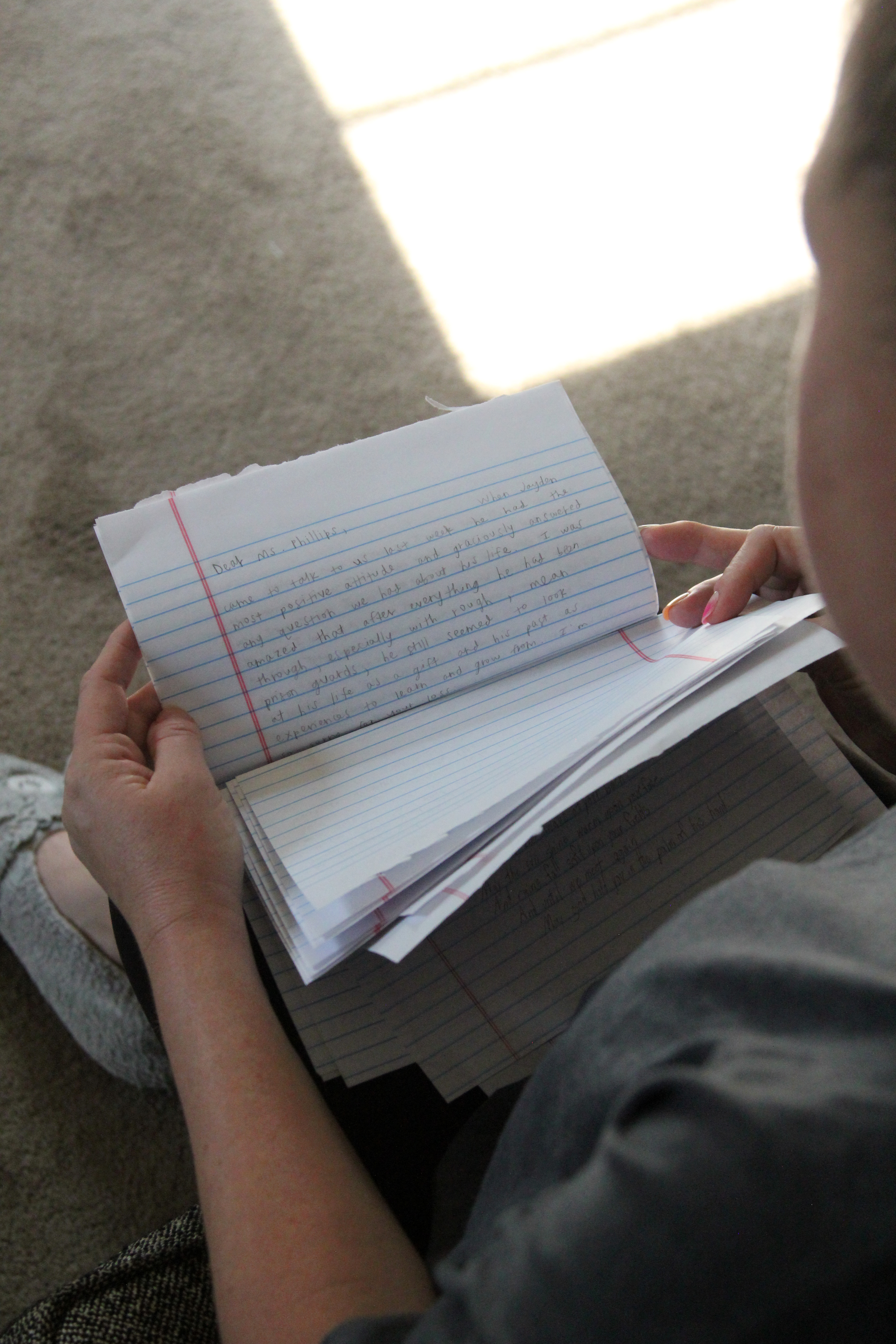
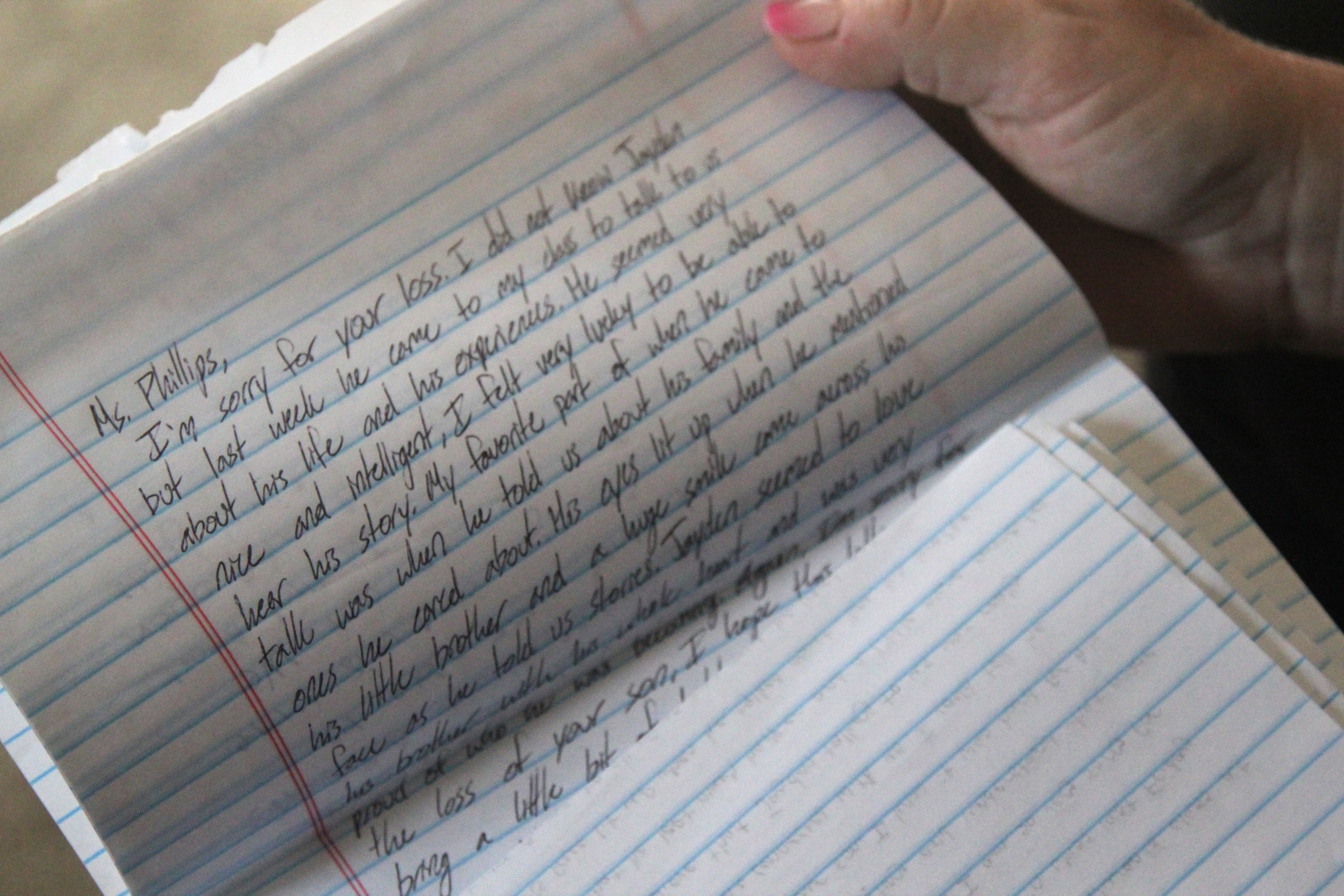
Shortly before his death, Jayden spoke to a criminal justice class about his life and wanting to become a better example for Donnie. After his death, the class wrote Phillips letters about the impression Jayden left on them, which Phillips has tucked away for when Donnie is ready to read them.
She hears about local young people making reckless choices, she said, and wishes she knew how to reach them. Their life, and the wake losing them would leave, is not worth the risk, she said. “This is never going to go away. This is how I’m going to feel until I die,” she said, “and I don’t think the kids understand that.”
Phillips misses the sound of her son’s voice the most. Donnie misses his big brother’s laugh.
The family home bears Jayden’s memory in photographs on almost every wall, and in frames perched on tables.
Hanging above the staircase, Donnie’s “Welcome home” sign for Jayden remains, unmoved.