Colorado Highway 7 opened after rock slide
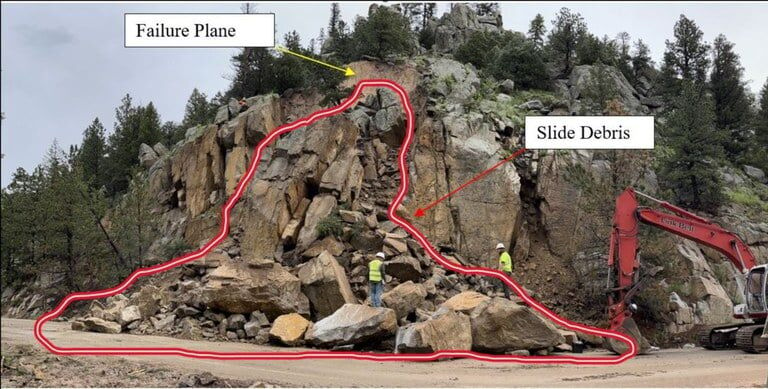
Colorado Highway 7 re-opened Saturday morning after a rock slide closed it for almost two weeks.
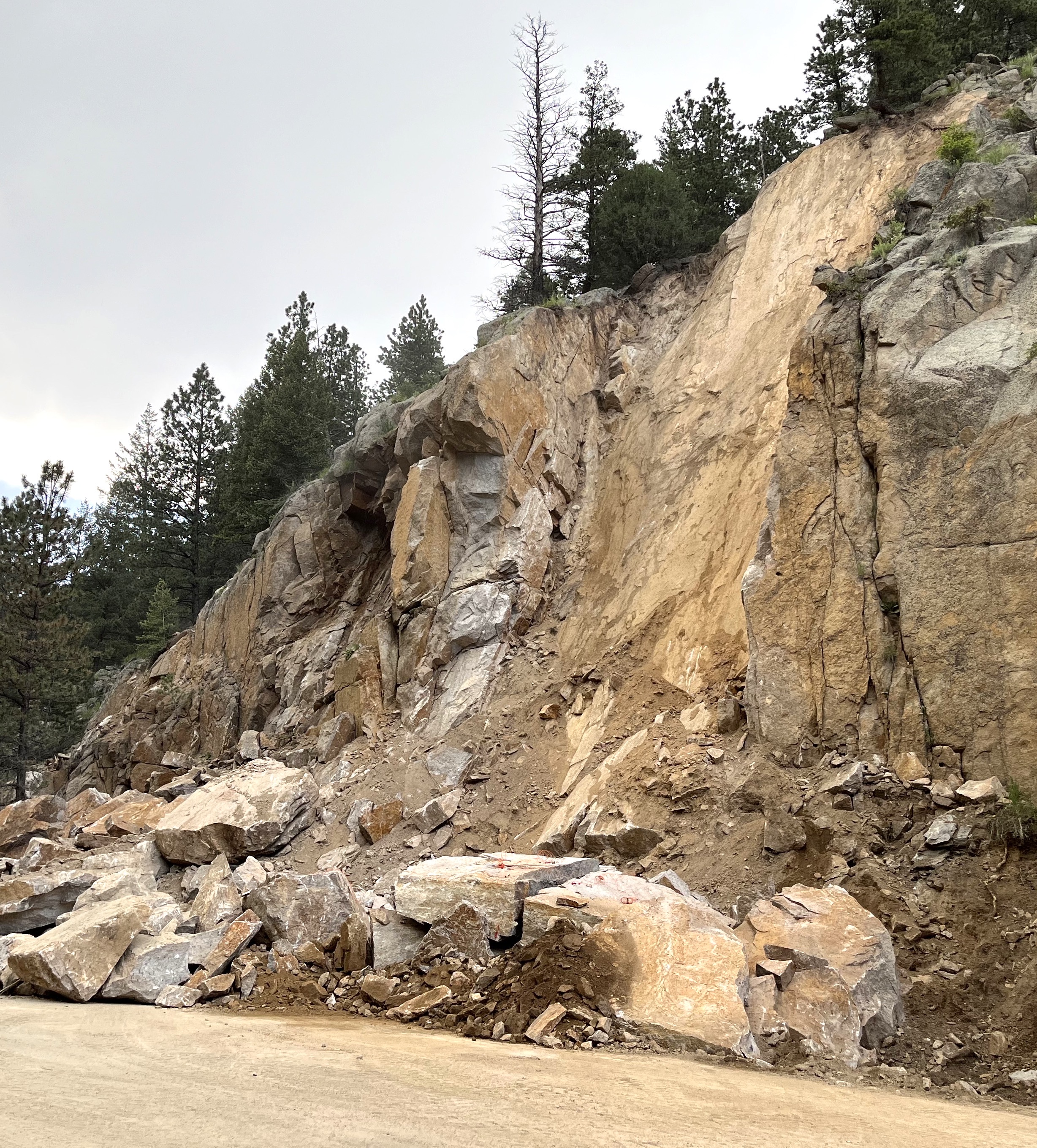
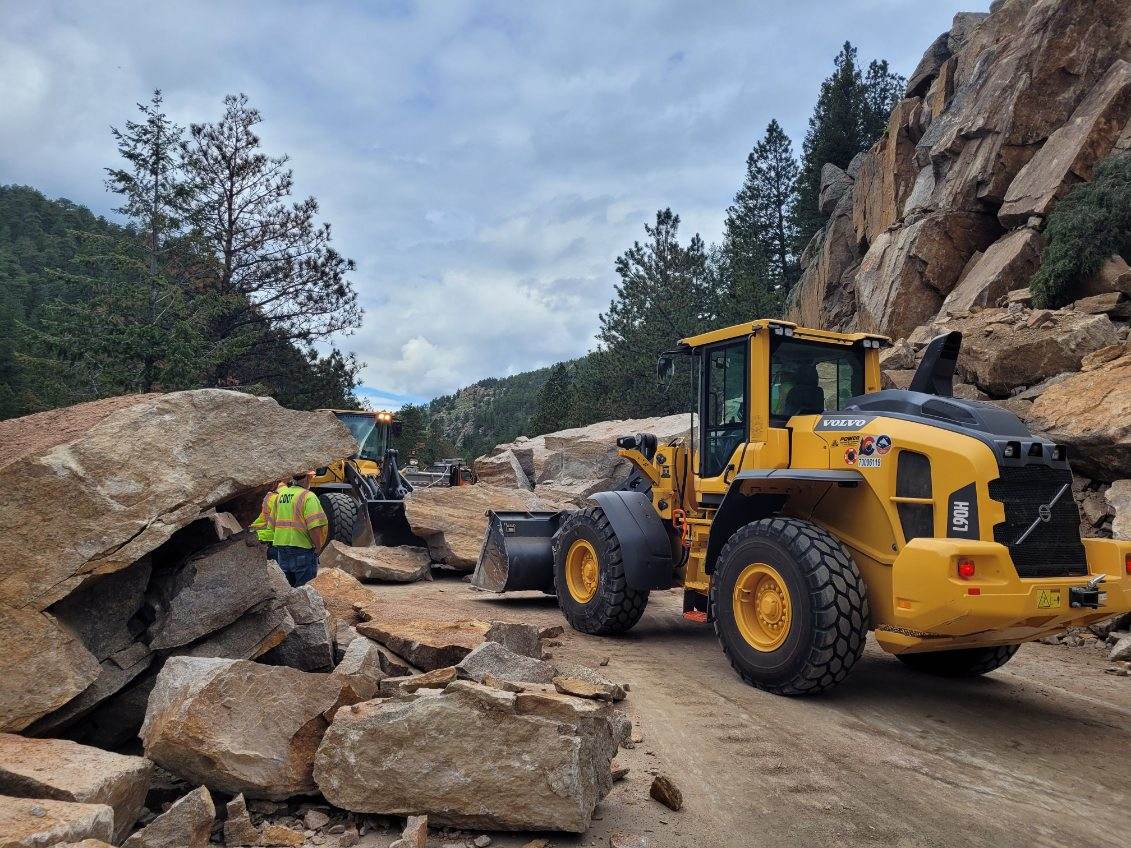
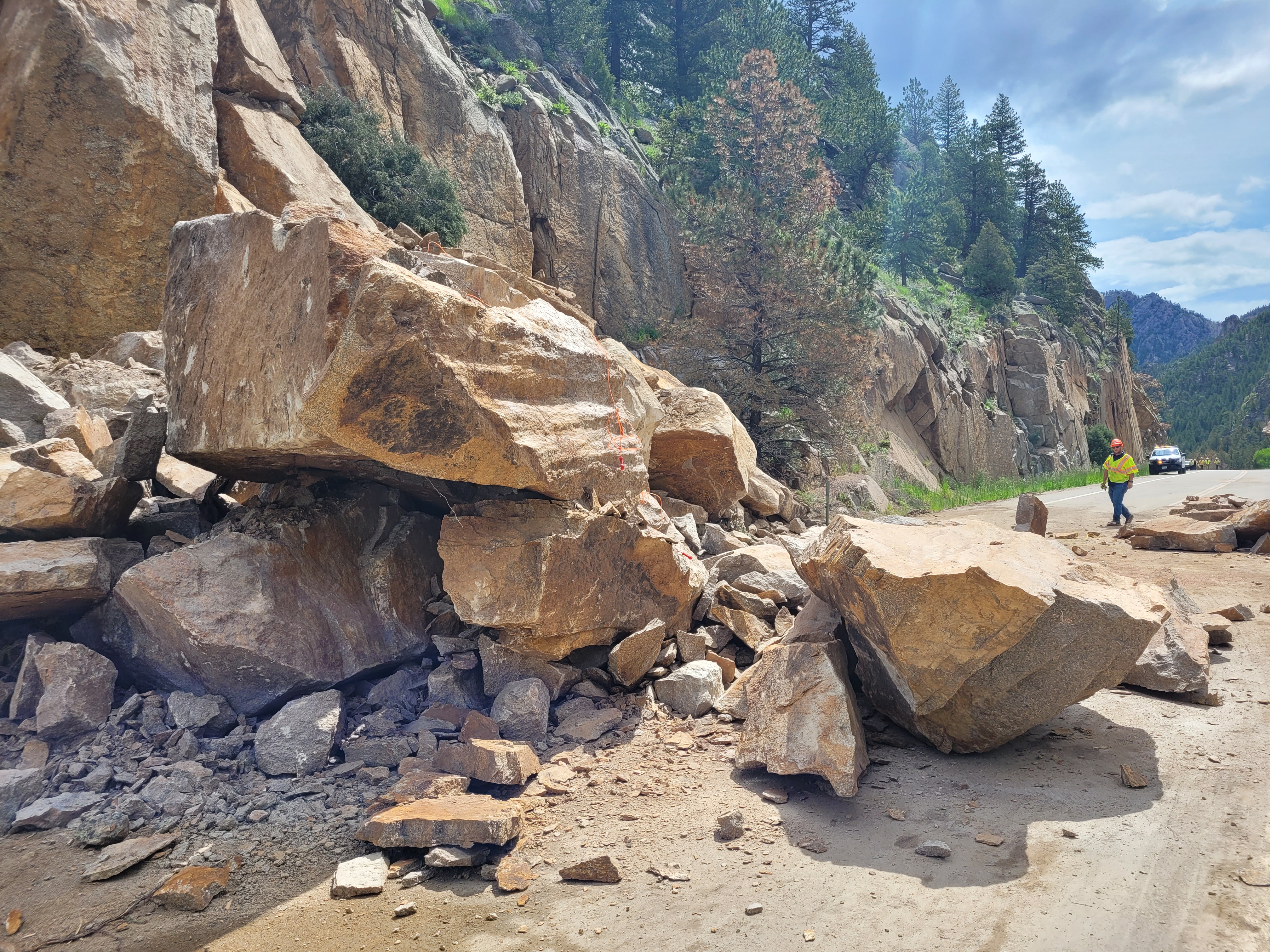
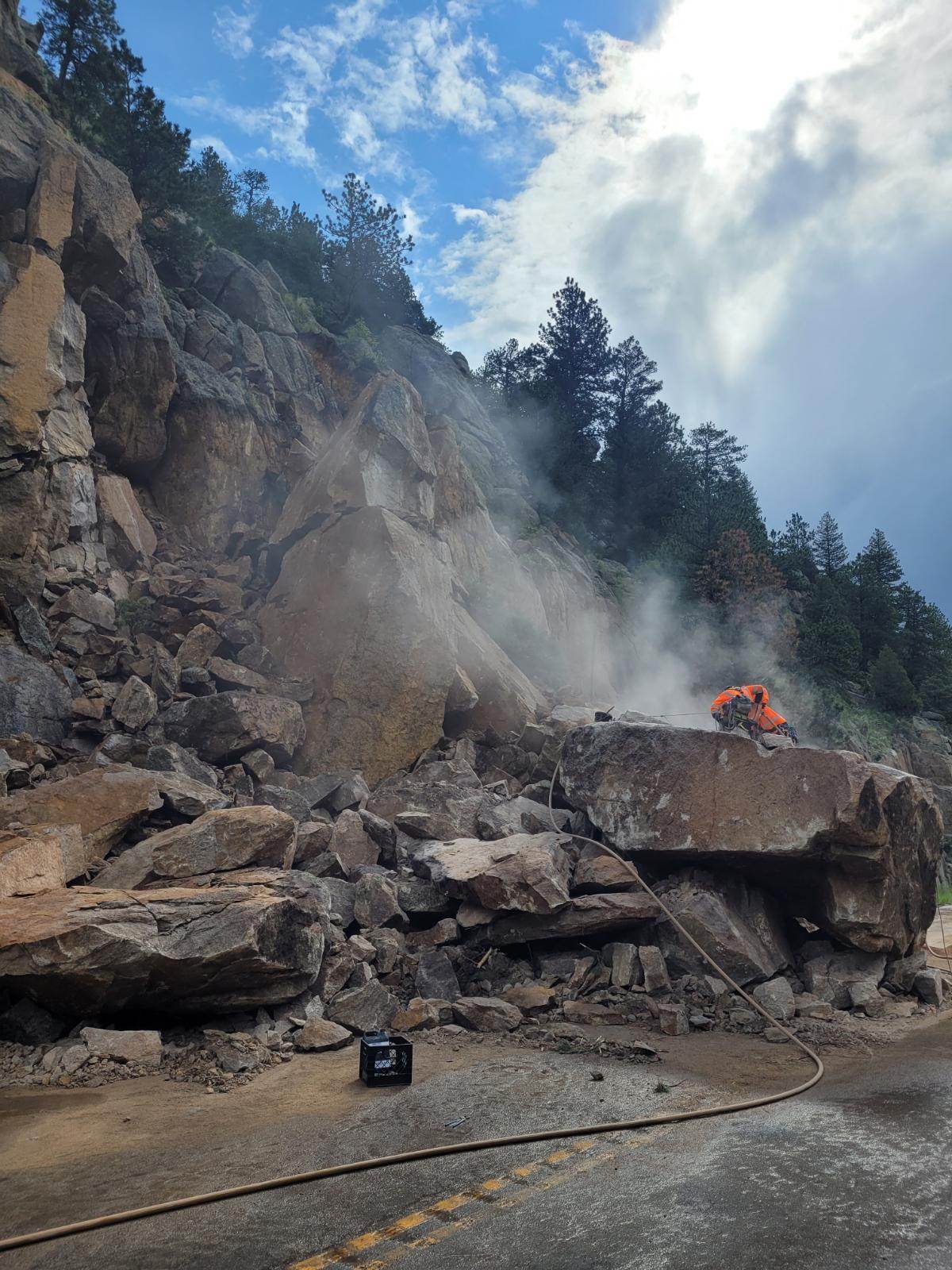
A massive rock slide at mile marker 23 between Lyons and Allenspark early on June 14 blocked road with rocks and boulders — some the size of a fire truck.
Clean up was expected to last through June 28, according to a Colorado Department of Transportation press release sent last week, after a “deeper fracture are on the mountain” was discovered. CDOT posted an update on Sunday morning that the highway was open again.
The slide occurred sometime between 6:05 and 6:15 a.m. on Wednesday. There were no reported injuries or damage to vehicles.
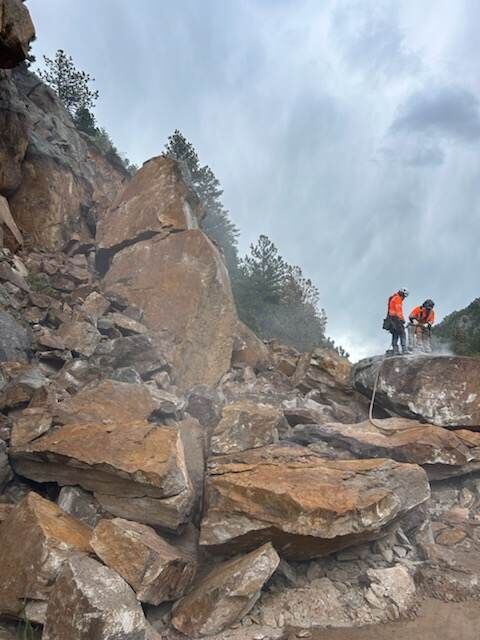
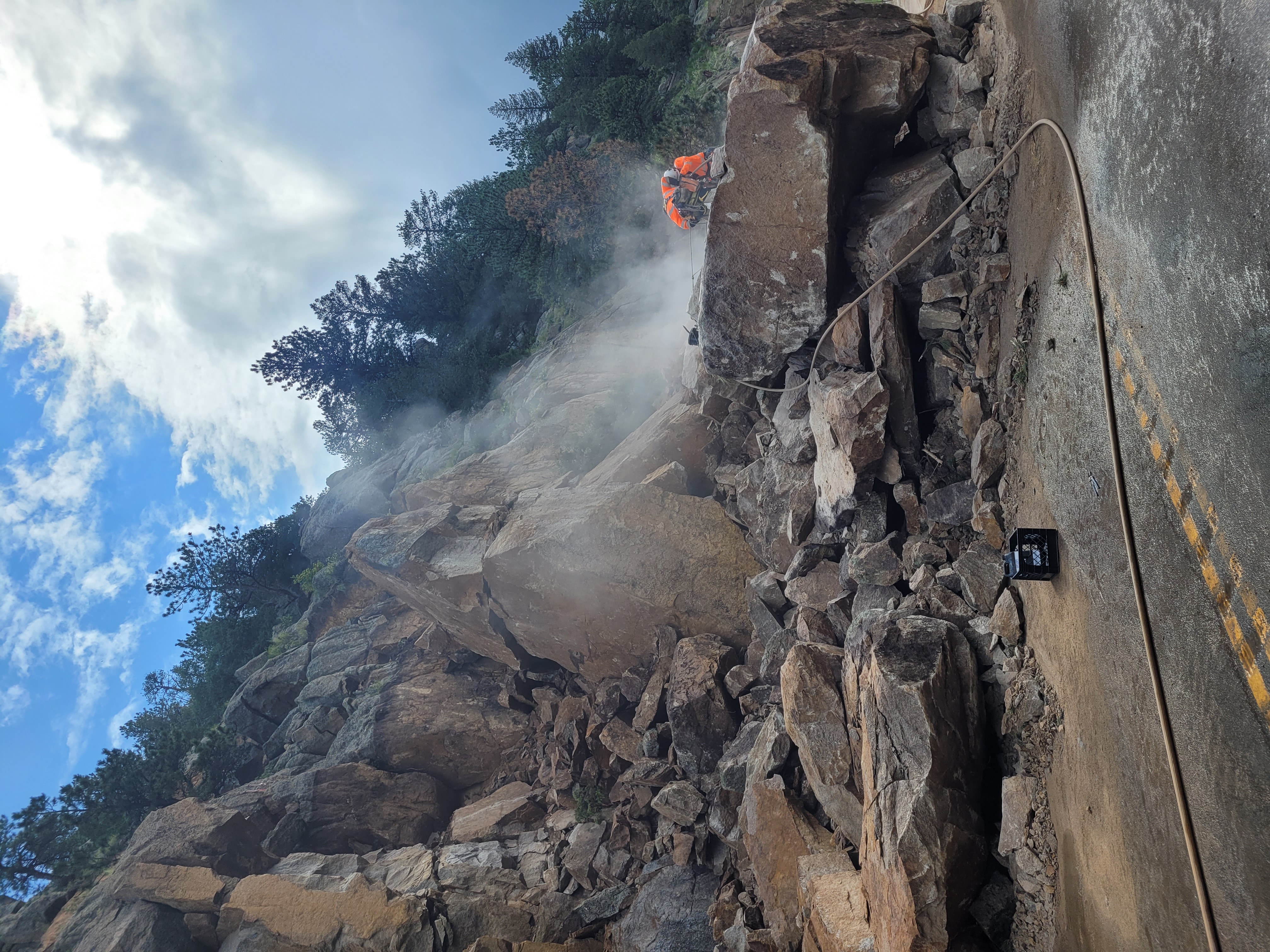
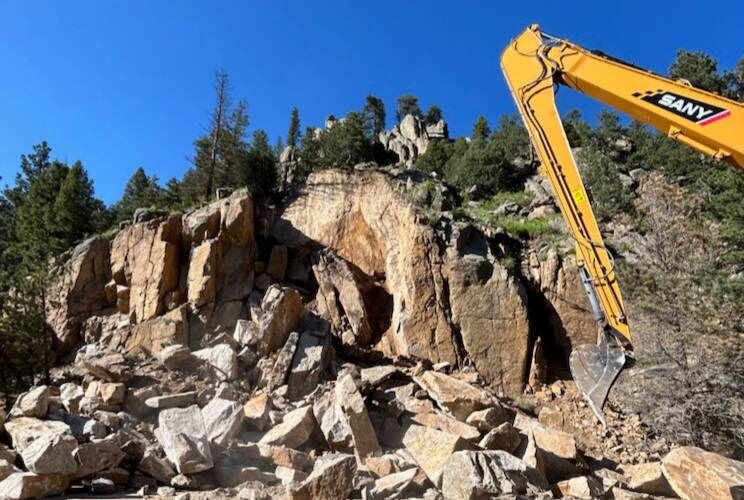
Tons of loose rock on the mountainside where the slide occurred were pulled down to stabilize the wall. Crews then blasted boulders the size of fire trucks into smaller chunks and hauled them away in more than 180 truckloads of debris, Fiel said.
“We realize the inconvenience this has caused for the residents of the canyon,” said Regional Transportation Director Heather Paddock in the release last week. “But this slide has loosened a lot more rock in this area and we need to get all of that down, so it is safe for the traveling public when we reopen.”
Only residents living above and below the rock slide were allowed past the highway during the closure, but no one was permitted to drive through the work location, said Fiel.
“One of the hardest parts for residents is planning for the longer detours with their regular commutes, so we wanted to give this Friday as our best estimate for when the road will be open, knowing that we have a few days of rain in the forecast this week as well,” Paddock said.
As to the expense, Feil said emergency funds are covering the costs, but a total will not be known for some time.
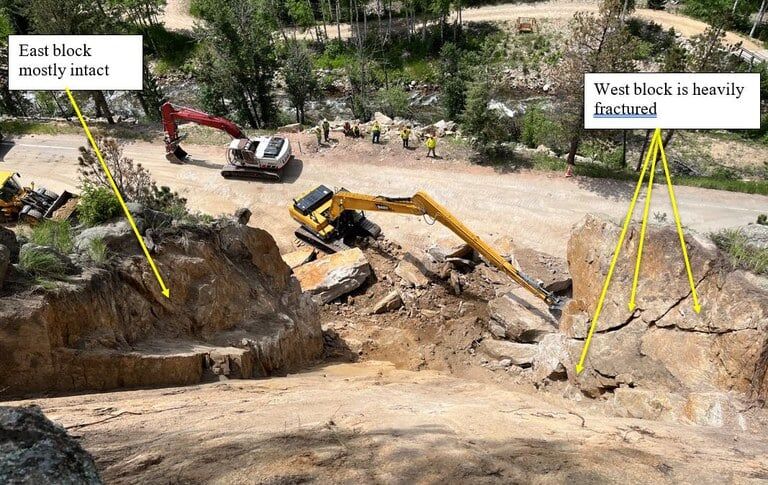
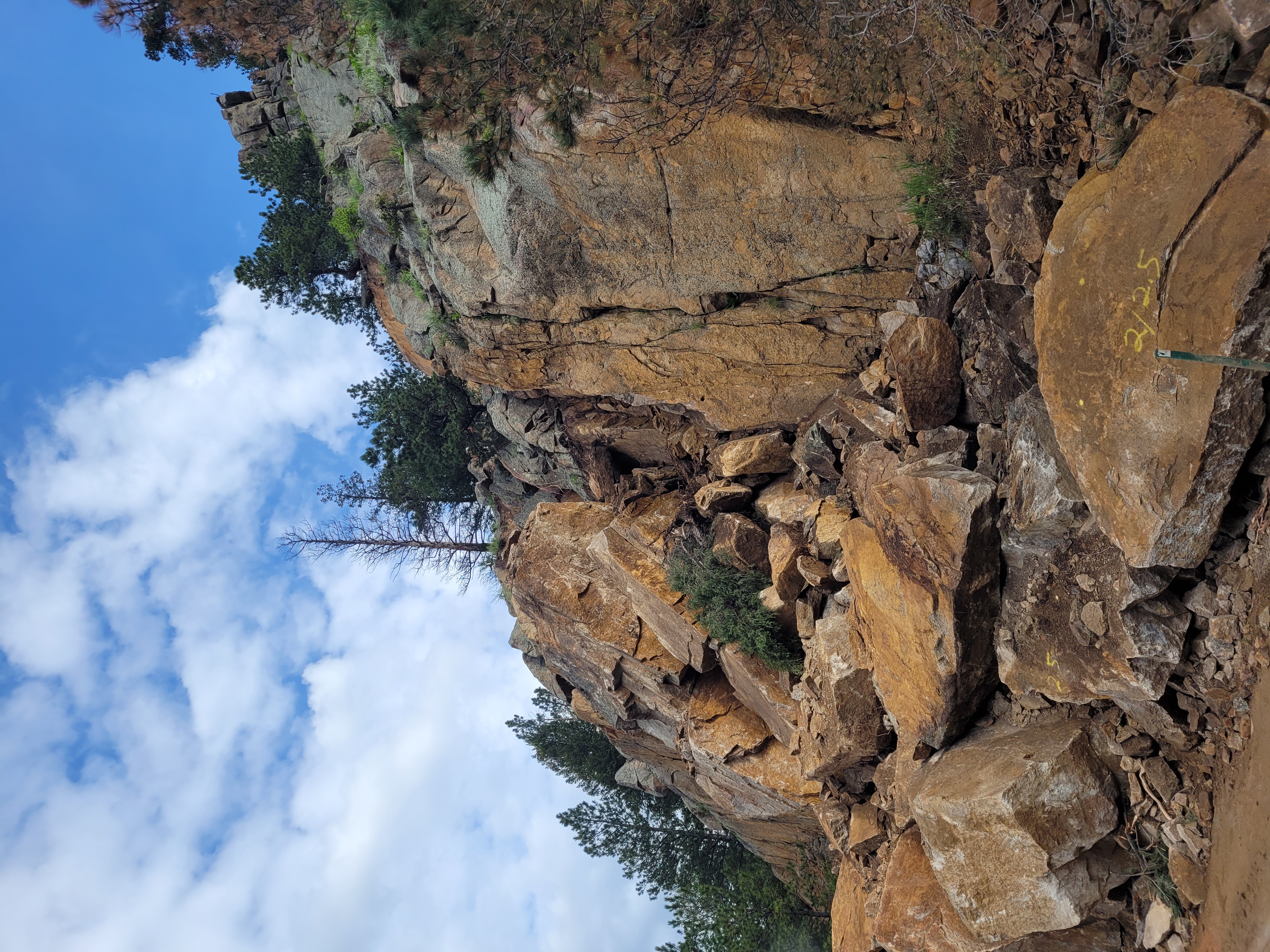
“Understanding the geology of rock formations is a true science. Predicting when failures occur requires modern technology to measure movement as well as visual inspection. Once the massive rocks were cleared away from the initial slide area, additional fracture lines were exposed,” said Regional Transportation Director Heather Paddock.
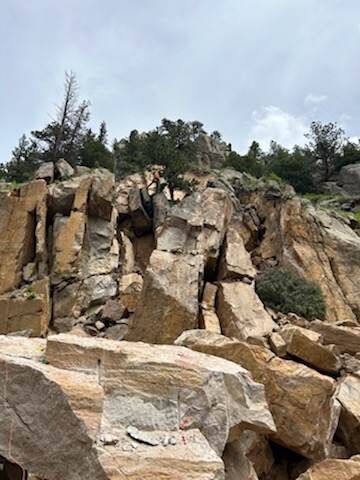
“These fracture lines have been monitored visually over the past few days and movement is occurring. Geotechnical experts know these rocks will come down naturally in the near future.
Using airbags inserted into cracks in the remaining rocks rather than explosives, workers pried loose the large fractured blocks on the west side (left in photo) of the fracture plane, or “chute” as CDOT describes it.