




Sand dunes, swamps and seas: A prehistoric timeline of Garden of the Gods
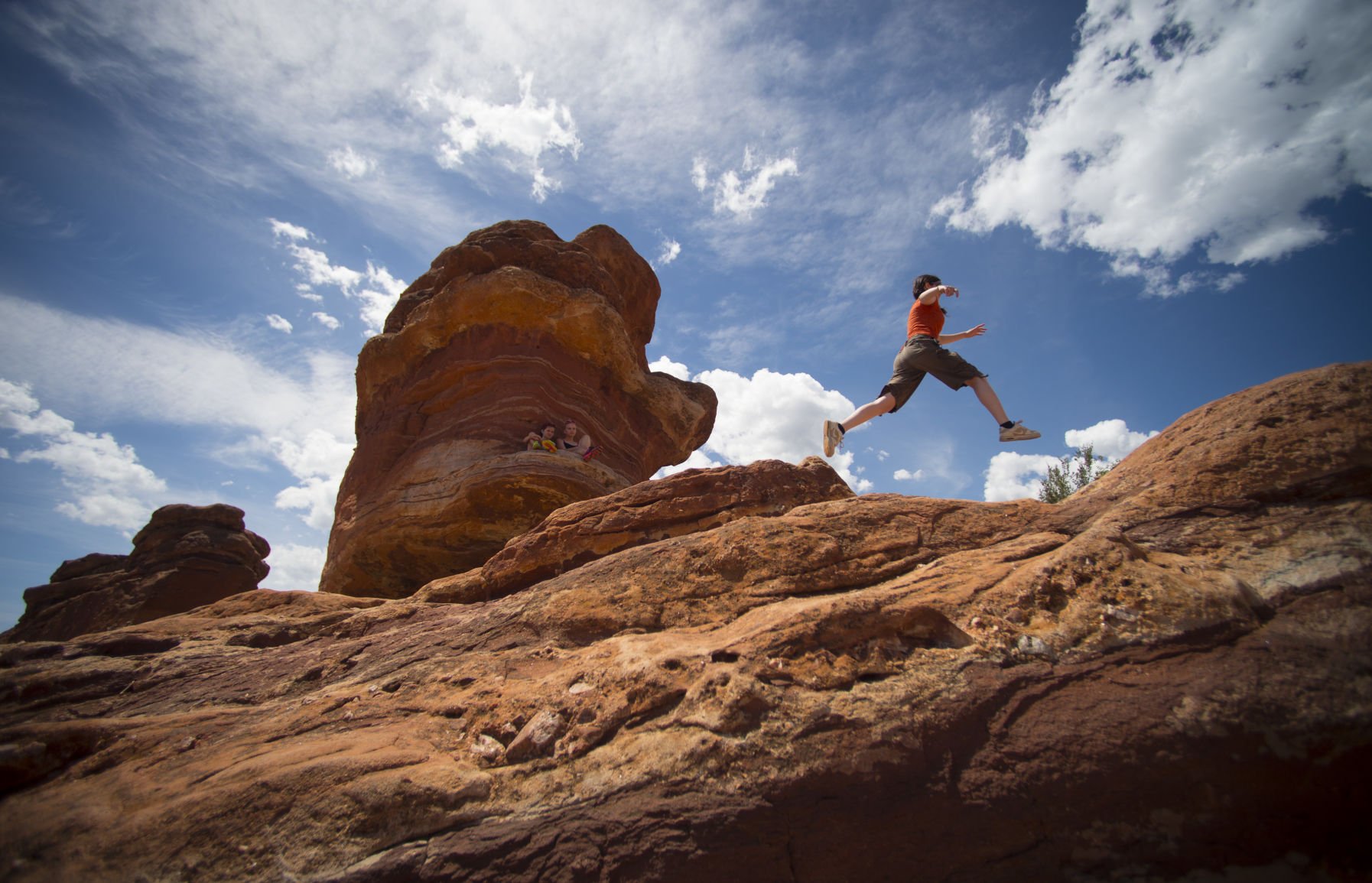
One pivotal year in the history of Garden of the Gods: 1909. That’s when Charles Elliott Perkins, through his children, donated the property to the city of Colorado Springs on the premise that it “be kept forever free to the public.”
Now it is a postcard destination, a wondrous domain of red rocks. It would not be that were it not for more pivotal years that saw Mother Nature slowly morph the landscape into what it is today.
The slabs, spires and ridges tell of those years. With knowledge and a careful eye, “one can tell if the rock was once part of a stream, a sand dune, a swamp or an underwater sea floor,” wrote a park naturalist, Melissa Walker, in a guide to the Garden. Here’s a prehistoric timeline:
~320-300 million years ago: A mountain range is eroding. Streams send rock, sand and silt down steep slopes. The sediment is cemented into a mixture of sandstone to be called the Fountain Formation, to later be uplifted and sculpted by wind and water. The Fountain Formation accounts for rocks on the west side of Garden of the Gods, including Balanced Rock and Siamese Twins.
~300-260 million years ago: Winds are swirling at the edge of the mountains and giant sand dunes are building. These harden and form Lyons sandstone. Time and erosion eventually shape these into what are the most prominent outcrops at the Garden: the central Gateway rocks, Sleeping Giant, Gray Rock and White Rock.
~260-250 million years ago: A shallow sea moves in, bringing with it minerals to be contained in limestone. Once lifted and exposed, this Lykins Formation will show wavy lines recalling this aquatic era. These can be seen today on gray faces along Ridge Trail.
~155-148 million years ago: The shallow sea retreats and a swampy landscape prevails. The Stegosaurus is among creatures foraging around. These are creatures of the Jurassic period. Their remains will be found in the Morrison Formation.
~112-100 million years ago: A Cretaceous sea advances. Bulky herbivores walk along the shores. A unique type of Iguanodon will be discovered at Garden of the Gods within rock of the Dakota Group, which also reveals ripples reminiscent of waves during that time. These can be seen in the grayish outcrops at the south side of the park near Rock Ledge Ranch.
~100-88 million years ago: Volcanoes erupt far west; ash settles on the sea bed. This creates the dark rock to be called Benton shale. It forms the area of the park west of Niobrara Ridge. Niobrara refers to a later formation, when more sediment and lifeforms settled on a deeper ocean floor.
~80-70 million years ago: A mountain building event is underway. The uplift bends, breaks and thrusts layers of rock upward, through the sea that will fade away. The cataclysmic era is known as the Larimide orogeny, responsible for delivering the Rocky Mountains as we know them.
~2 million-10,000 years ago: Ice Age animals roam around the red rocks to be called Garden of the Gods, backdropped by the mountain to be called Pikes Peak. Glaciers move across the highest elevations, carving alpine valleys.
Source: “Geology: Rock Remnants of Ancient Lands, Life and Seas,” Garden of the Gods official guide
Get OutThere
Signup today for free and be the first to get notified on new updates.
PREV
PREVIOUS
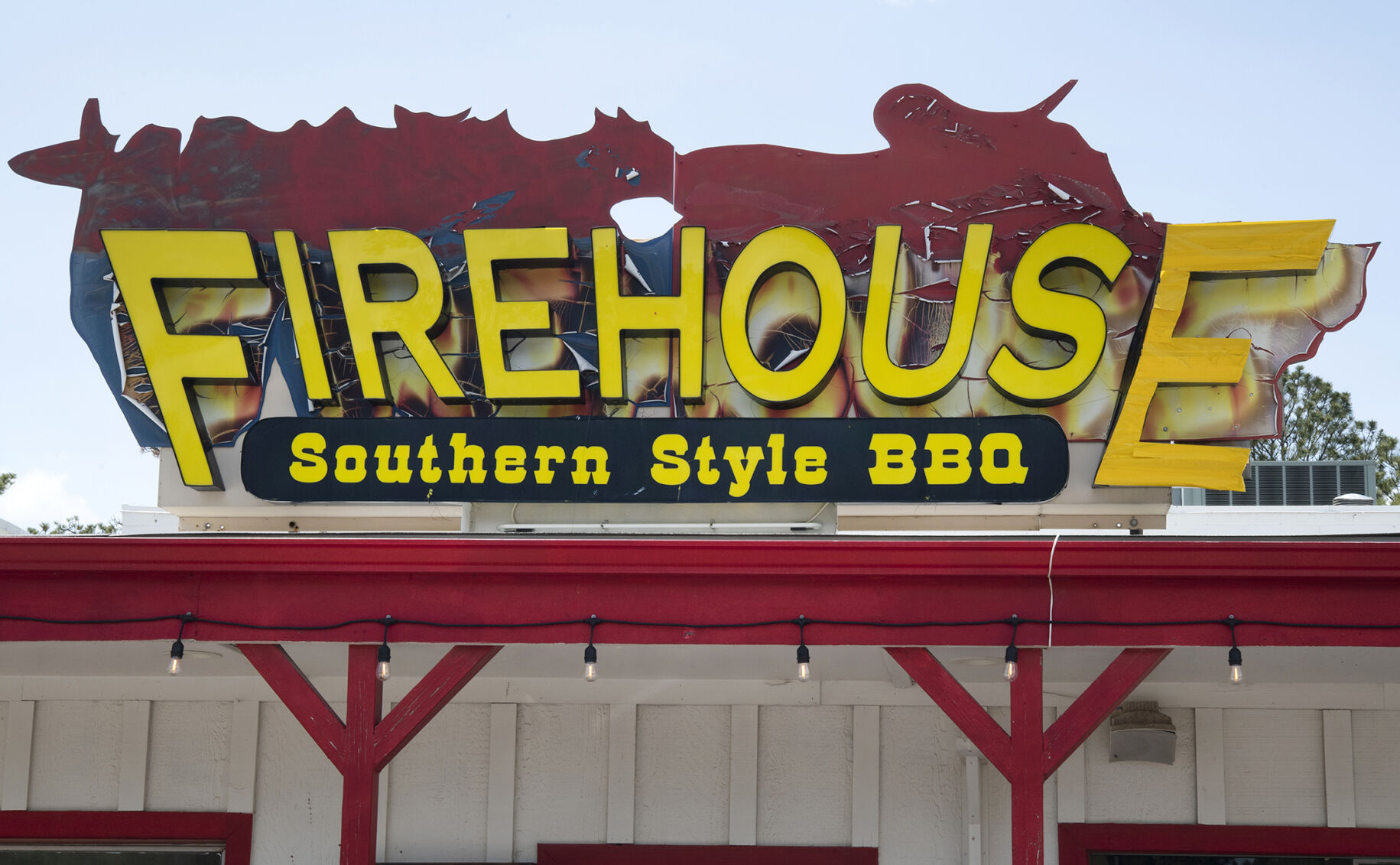
Firehouse on the Run for smokin’ barbecue
Don’t be confused by the gas pumps outside; Firehouse on the Run is a different kind of filling station: It’s a barbecue joint. First, you have to walk through the convenience store, past the cashier and an extensive display of Hostess packaged baked goods, among other convenience store merchandise. Near the back, the nose-tickling aroma […]

Social Security update: Direct payment worth $914 arrives in two days
There are two days until recipients of the Social Security Administration’s Supplemental Security Income program will receive a second payment in June, worth up to $914 for individual filers, due to a scheduling kink in the SSA’s calendar. The payment will go out on June 30 and will be the second of two checks for […]