





On this July Fourth, signs of an American renaissance | Vince Bzdek

Getty Images. American flags at Larimer Square in Denver.
yongyuan

The New York Times pulled together a fascinating collection of essays in anticipation of our country’s 247th birthday. For “America is …” the paper asked 17 different columnists to pick the one piece of culture that best explains America. They came back with a wide range of answers, from the 1956 horror movie “Invasion of the Body Snatchers” to a 1979 rap song by the Sugarhill Gang.
The trouble for me, nearly all of the choices and essays expressed a dark, negative or critical vision of the country in which we live.
We’ve been through a rough patch lately, yes, but I’m seeing something very different in our country right now.
American federalism: States veer far left or far right | Cronin and Loevy
I’m seeing the beginning of an American renaissance.
The COVID-19 pandemic disrupted American lives in a million ways, but it also cleared the way for an economic and social revival. A New Yorker essayist wrote recently that “Like wars and depressions, a pandemic offers an X-ray of society, allowing us to see all the broken places. When people confront their failures, they have the opportunity to mend them.”
It seems to me we gathered our forces during our COVID-induced confinement. Our brush with the worst of times and the chilling prospect of losing our democracy during the Jan. 6 takeover of the Capitol have fired up an American drive for reinvention and reconnection.
I see Americans reprioritizing what’s best about our country right now, trying to pull themselves up by their bootstraps and improve their economics, politics and themselves in a hundred ways. I see people shifting the balance of their work lives and personal lives to better address common problems of community and meaning in their lives.
Take our economy right now.
“America remains the world’s richest, most productive and most innovative big economy. By an impressive number of measures, it is leaving its peers ever further in the dust,” according to a remarkable recent article in the Economist.
According to data from the U.S. Census Bureau, Americans started 5.4 million new businesses in 2021, which is the highest of any year on record and a 53% increase from 2019. We did it again in 2022, starting another 5 million new businesses.
Those new businesses are a good indicator of American dynamism. “Starting a business is easy in America, as is restructuring it through bankruptcy,” the Economist noted.
Census statistics also show a wider range of Americans starting new businesses now: In 2021, 49% of new business owners were women, up from 29% before the pandemic. The share of Black entrepreneurs has increased from 3% in 2019 to 9% in 2021.
Looking long term on this July Fourth weekend, America’s overperforming economy means Americans’ wealth is growing more than the wealth of people in other countries, too. Income was 24% higher than in Western Europe in 1990 according to “purchasing power parity” (PPP) data cited by the Economist. Today, it is 30% higher. It was 17% higher than Japan in 1990; today, it is 54% higher. Residents in Mississippi have higher average incomes than those in France.
Investment in America trumps all other nations as well right now: About half of the world’s venture capital goes to firms in America.
And though our grade schools and high schools need drastic improvement, the U.S. still boasts 11 of the world’s 15 top-ranked universities, which serve as important pathways for the world’s smartest young people to come here and contribute.
If you look at the big picture on climate change, there’s even good news to be found there. America’s industrial carbon-dioxide emissions are 18% below their mid-2000s peak, the Economist also noted. Huge American investments in solar power and wind power and electric cars should only accelerate that trend.
That doesn’t mean we’re without problems, of course. Too many of our young people are dying from an epidemic of addiction and rising gun violence, which together have actually reduced our average life expectancy in this country below other rich countries. And we are suffering a mental health crisis in this country.
The Economist also pointed out that the middle class isn’t doing as well in income rise as the poorest and the richest among us. And for some reason, the percentage of prime-age American men who are not working is climbing and is higher than in Britain, France and Germany.
What worries me more is self-sabotage by what Spiro Agnew once memorably identified as the “nattering nabobs of negativism.”
Our economy is chugging along in spite of our politics, rather than thanks to them, I would argue. And our toxic politics actually threaten this renaissance.
“Highly polarized state governments are starting to endanger the country’s vast unified market, forcing companies to face new choices,” the Economist points out. “Texas, for instance, has banned financial firms from doing business with the state if it deems them unfriendly to the oil industry. … California is attacking from the opposite end, with a new law that could force oil firms to cap their profits.”
And the more politicians think they need to dramatically overhaul our roaring economy, the more likely they are to mess it up. Immigration, for example, has always been one of America’s great strengths when it comes to replenishing its workforce and renewing its yearning spirit, but the politics of immigration right now have turned toxic, threatening to overcorrect and strangle that dynamism.
At the moment, the most remarkable thing about America is that our problems have not noticeably slowed down our growth.
“The diagnoses are that China is getting ahead, or that immigrants are a menace, that large corporations are bastions of woke power and free trade a form of treachery,” notes the Economist. “Their folly is all the more striking because it betrays a lack of appreciation for the bigger economic picture, and just how good America has it.”
Another piece of journalism I saw recently that made me think the time is ripe for a true American renaissance compared our emergence from this pandemic with Florence’s in the 1400s. That’s when Florence became the driving force of the Renaissance of all renaissances, thanks to a impassioned embrace of economic mobility, literacy and widespread participation in the city’s civic life after the ravages of the Black Death.
“What really enabled the Renaissance was a deep dive into humane learning,” historian Jacob Soll observed in Politico. “People from all walks of life read about the ancient past, studying books in the hope of recreating Cicero’s ideal of a civic regeneration through education.”
The key to a new renaissance is making sure the opportunities created by this disruption are spread more widely than ever among rich, middle and poor; Black, White and Brown.
“America has done this right (or, at least, partially right) before: After the disruption of World War II, the GI bill allowed young men to study the arts and sciences so they could dream, and achieve, things their parents hadn’t been able to,” Soll continued. “It didn’t solve all of America’s inequities; the beneficiaries were mostly White, and Black GIs benefited far less. But we can learn something from the impulse behind it. It was by mixing the humanities writ large with practical, artisanal skills — and a society ready to use them — that Florence produced Donatello and da Vinci. Ours, too, are out there, of all races and creeds. All they need is a chance.”


Mayo Clinic scientists create tool to predict Alzheimer’s risk years before symptoms begin
Mayo Clinic News Network
mayo-clinic-news-network@gazette.com
Updated 2 hours ago
ROCHESTER, Minn. — Mayo Clinic researchers have developed a new tool that can estimate a person’s risk of developing memory and thinking problems associated with Alzheimer’s disease years before symptoms appear. The research, published in The Lancet Neurology, builds on...

Mayo Clinic News Network
Reporter

Savvy Senior: How to locate an age-friendly doctor
Miller Jim Miller, Special to The Gazette
jim-miller@gazette.com
Updated 1 week ago
Dear Savvy Senior, My husband and I are relocating to a nearby state to be closer to our daughter and will need to find a new primary care physician when we arrive. We are both in our late 70s and...

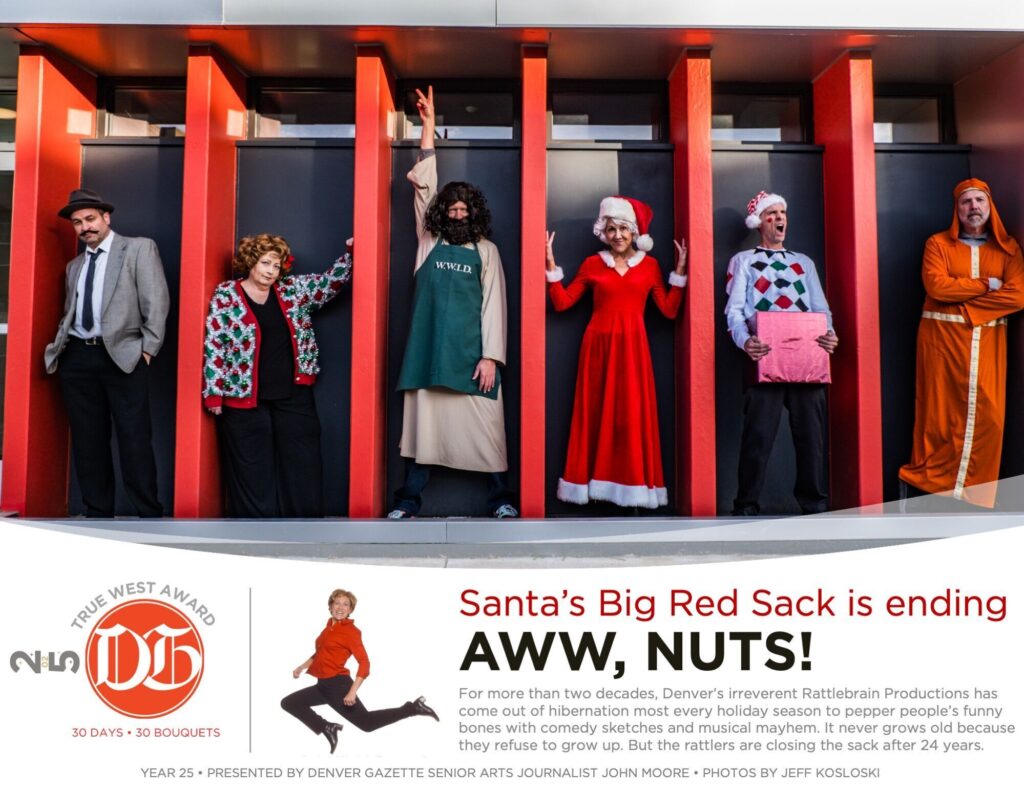
Red alert: After 24 years, Rattlebrain is tying Santa’s ‘Sack’
John Moore
john.moore@denvergazette.com
Updated 1 hour ago
2025 DENVER GAZETTE TRUE WEST AWARDS: DAY 2 More than 35,000 have enjoyed Dave and Jane Shirley’s irreverent seasonal sketch comedy When funnyman Dave Shirley told me his venerable if itinerant Rattlebrain Productions will be opening up its smirkily-titled seasonal...

John Moore
Reporter
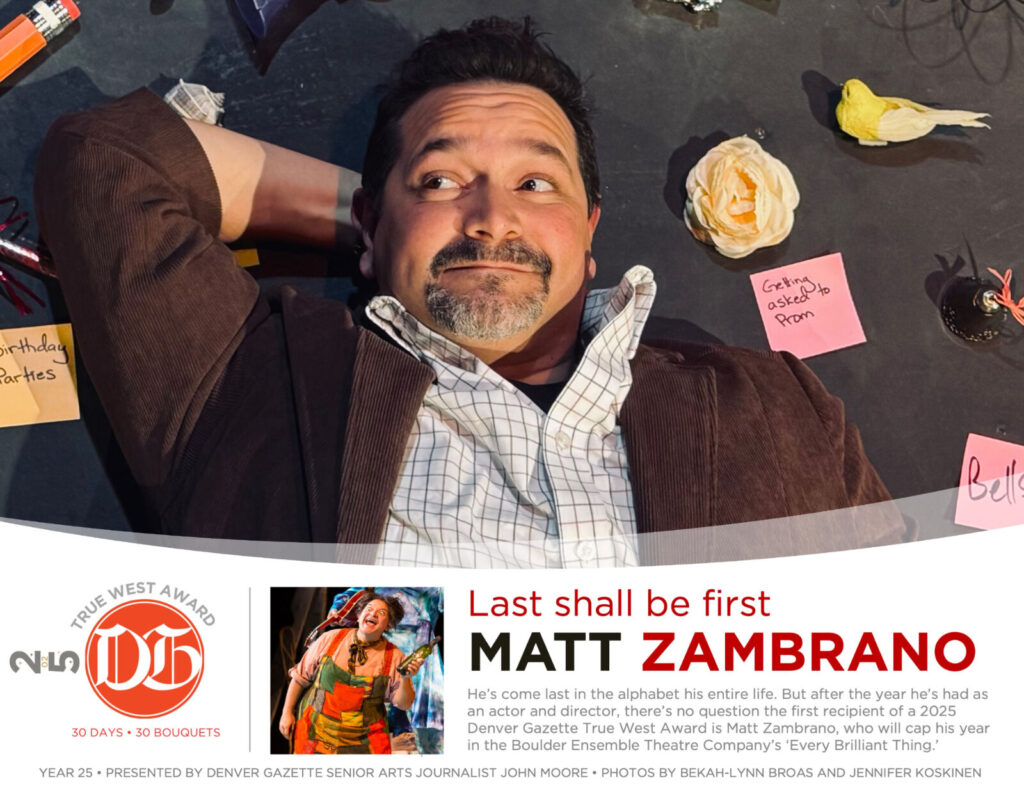
Matt Zambrano: Last by letter, first by feats
John Moore
john.moore@denvergazette.com
Updated 9 hours ago
2025 DENVER GAZETTE TRUE WEST AWARDS: DAY 1 Here’s every brilliant thing busy and beloved actor and director did this year Matt Zambrano is such a nice guy, he will give you the shirt off his back – and the words...
John Moore
Reporter
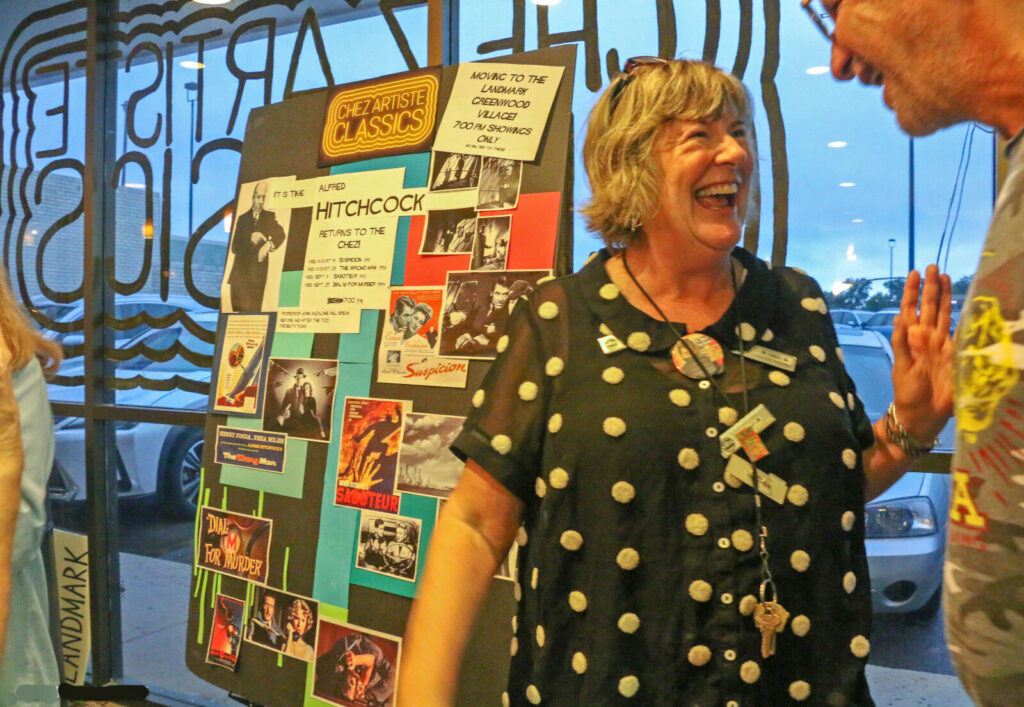
Roll credits: ‘The Chez Lady’ is leaving Landmark’s Mayan Theatre
John Moore
john.moore@denvergazette.com
Updated 2 days ago
The face of Denver arthouse film for the past 27 years has popped her last corn and seen her last cinematic Colorado sunset When I walked into the Mayan Theatre on Wednesday and asked the young woman behind the concessions...
John Moore
Reporter
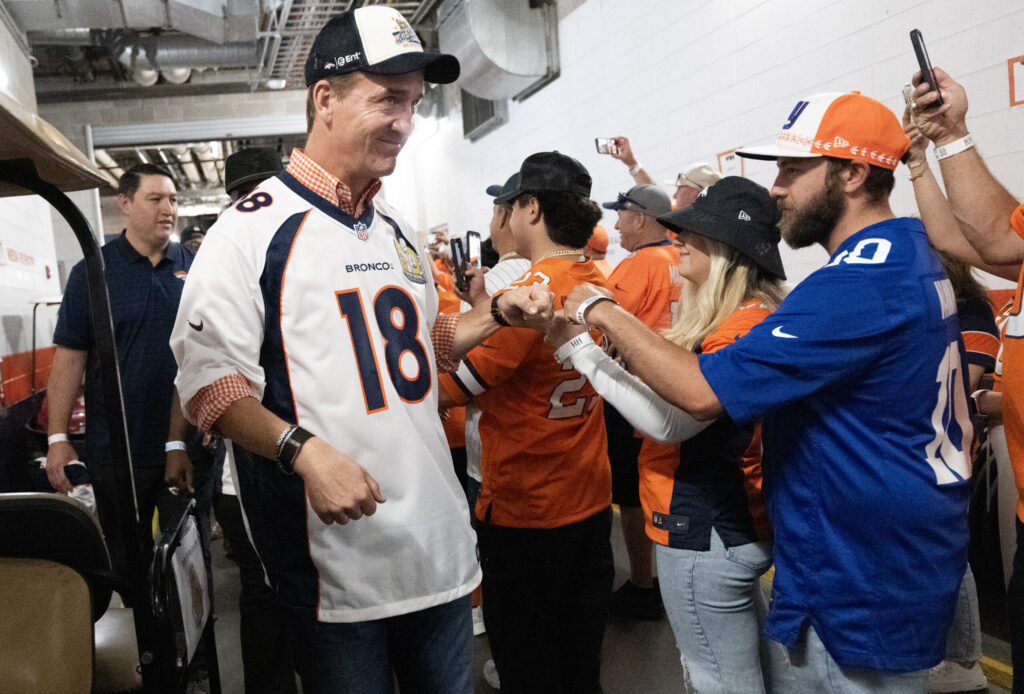
Peyton Manning drops the mic as an actor in Bradley Cooper’s new stand-up film
John Moore
john.moore@denvergazette.com
Updated 5 days ago
Plus: NFL QB’s five greatest on-screen moments Casting announcements can be funny. Take the press release from April that announced the A-list cast of the (quite good) new Bradley Cooper-directed film, “Is This Thing On?” It’s a story inspired by...
John Moore
Reporter

Savvy Senior: What are the early signs of Parkinson’s disease?
Miller Jim Miller, Special to The Gazette
jim-miller@gazette.com
Updated 2 weeks ago
Dear Savvy Senior, What are the early signs of Parkinson’s disease? My husband was recently diagnosed after noticing a slight thumb tremor but we’re wondering if we missed any other early warning signs. — Curious Wife Dear Curious, Recognizing the...
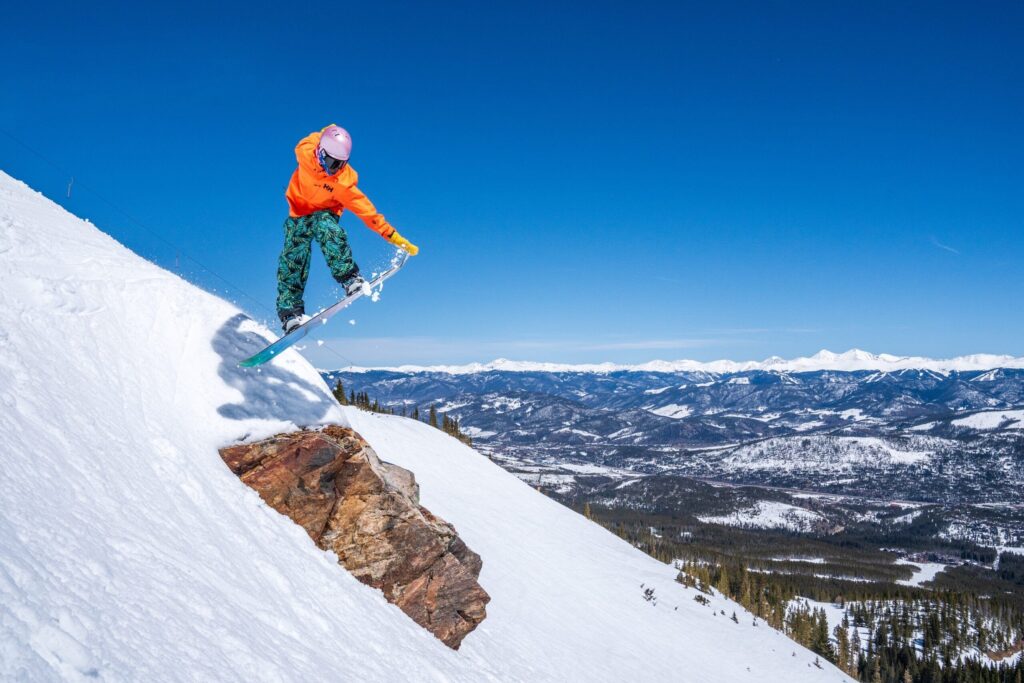
Getting to know Summit County on and off the slopes
Seth Boster
seth-boster@denvergazette.com
Updated 5 days ago
Colorado is home to names synonymous with skiing — the likes of Vail, Aspen, Steamboat and Telluride known around the world. But the greatest showcase of skiing in the state? We propose a locale that can’t be defined by one...

Seth Boster
Reporter
Putting things together in a jumbled world
The Foundation for a Better Life
the-foundation-for-a-better-life@denvergazette.com
Updated 1 week ago
Many who are aware that Ingvar Kamprad has dyslexia like to joke that he had a brilliant “idea” for a furniture company and misspelled it “ikea.” The delightful and humble Ingvar would be amused. After all, he accepted the condition...

The Foundation for a Better Life
Reporter
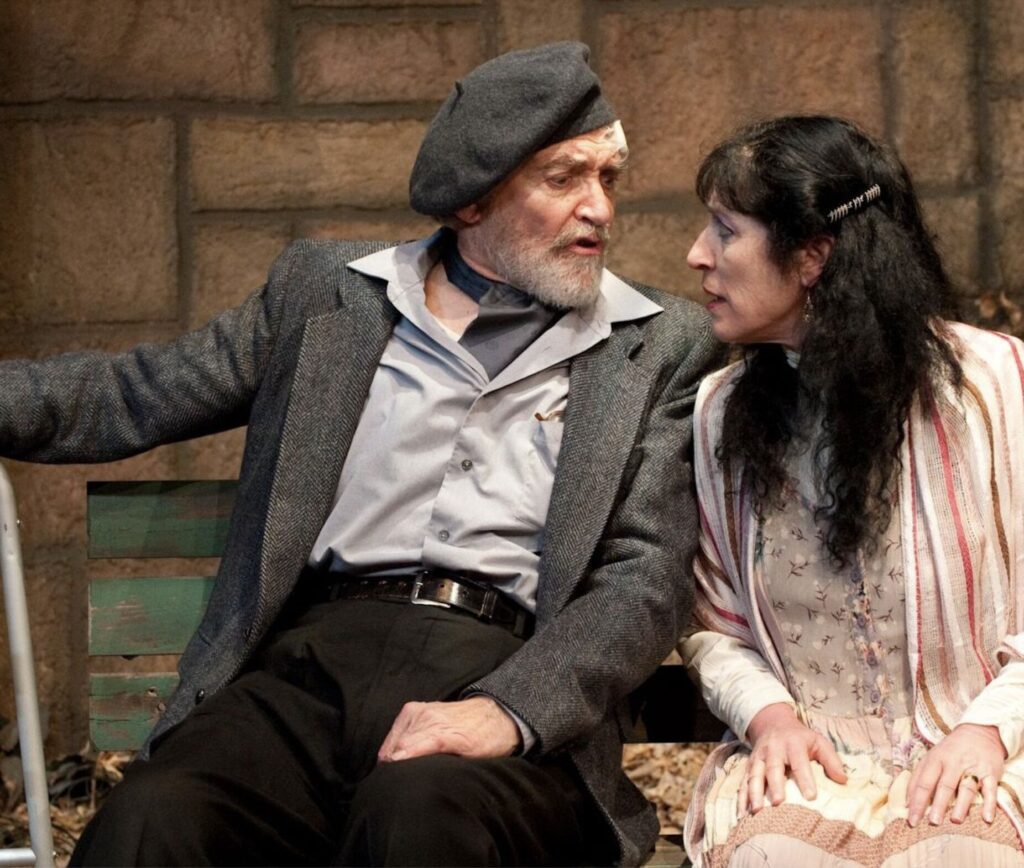
Farewell, Farwell: True gentleman of the Fort Collins stage has died at 93
John Moore
john.moore@denvergazette.com
Updated 7 days ago
A Colorado Life: Actor Jonathan Farwell leaves a stage legacy of more than 60 years Jonathan Farwell is really gone. There’s no understudy for a man like him. Farwell, a true gentleman of the American theater, performed a remarkable array...
John Moore
Reporter
PREV
PREVIOUS
Lillies of the Colorado field: The curious life of Colorado's cloistered nuns
Facebook Twitter WhatsApp SMS Email Print Copy article link Save Sister Assunta rejoiced over the anomaly of a single egg laid in the heat of the afternoon. “Look! It’s a miracle! One straggler just for you!” The 33-year-old North Face cap and rubber-boot wearing Benedictine nun was a “success” story in another life. The Baylor […]

Taming of the West: It's time to give cowgirls their due.
Imagine growing up in New York City, dreaming of open ranges and taming wild horses. That’s exactly what Kitty Canutt did. At 17 years old, young Kitty competed in the Wild West Celebration Rodeo in Miles City, Mont. The year was 1916. The Western states were still populated with mavericks, roustabouts, gamblers and cowboys … […]