




“Unprecedented” risk of West Nile virus present in Colorado
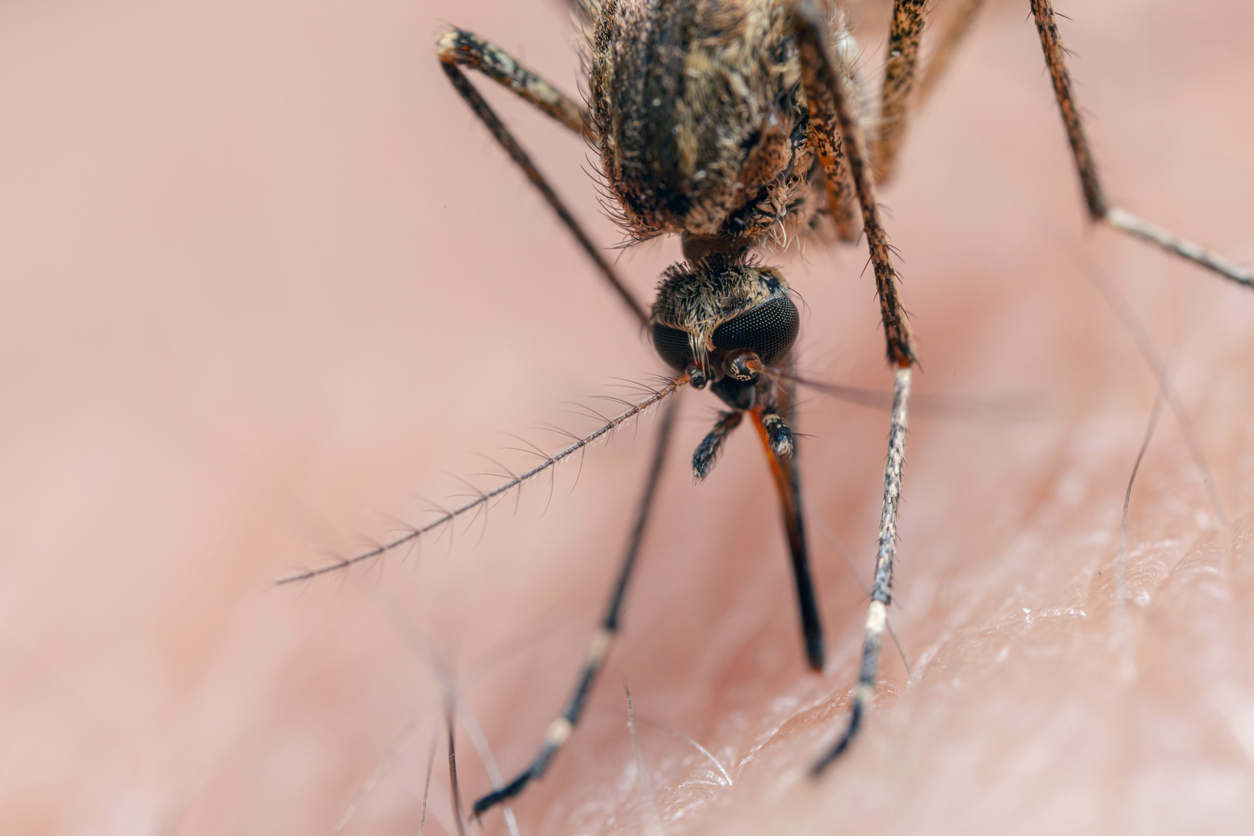
Public health officials are warning residents of an “unprecedented risk” of West Nile virus in Larimer County after its first human case was confirmed in Fort Collins this month.
“The reported case comes one month earlier than the first reported case last year, likely due to the extremely high abundance of the mosquitoes that carry West Nile virus early in the season,” Larimer County Department of Health and Environment (LCHDE) said in a news release on Thursday.
According to a news release from the LCDHE, the Vector Index (VI) in municipalities throughout Larimer County is high.
“The VI measures the level of risk of West Nile Virus (WNV) in an area. A VI above 0.5 predicts cases of WNV will occur in humans and a VI above 1.0 is strongly correlated with increased human cases,” the release said,
Some areas of Larimer County have recorded a VI ranging between 1.2 and 3.029, the release said.
“The situation presents a significant health risk for those living in or visiting the area. While many people that get West Nile virus recover quickly, some experience severe illness, with symptoms lasting months or even years,” says Dr. Paul Mayer, Larimer County Medical Director.
West Nile virus is a mosquito-borne virus that can be passed to humans that are bitten by infected mosquitos. According to LCDHE, there were 206 confirmed cases of West Nile virus in Colorado last year including 20 that were fatal. This year, the virus has been found in mosquitos in Arapahoe, Boulder, Delta, Denver, Larimer, Pueblo, and Weld counties.
According to the CDC, symptoms of WNV include high fever, headache, neck stiffness, stupor, disorientation, coma, tremors, convulsions, muscle weakness, vision loss, numbness, and paralysis. Still, only one in every 150 people that contract West Nile virus will experience serious symptoms. Many times, cases go unreported due to less severe symptoms.
LCDPHE offers the following tips to protect yourself from WNV:
- Use mosquito repellant when outside
- Limit outdoor activities during dusk and dawn
- Wear long sleeves and pants to keep mosquitoes from biting
- Remove standing water in your yard or garden
STAY INFORMED: Get free Colorado news with our daily newsletter (Click here)
Get OutThere
Signup today for free and be the first to get notified on new updates.
PREV
PREVIOUS

Police negotiate with man that climbed radio tower in Colorado
Crews from the Thornton Police Department are working to help a man that climbed up a radio tower near 104th Avenue and Riverdale Road on Friday morning. According to police, Riverdale Road is closed in both directions while police try get the man down. “Power to the radio tower has been shut off, and crisis […]
U.S. Marshals tweet
The #Colorado Violent Offender Task Force is looking for #fugitive Mark FOX, who escaped from the Bent County Jail earlier this week. FOX should be considered armed & dangerous. Anyone with info can submit an anonymous tip to https://t.co/Mr44o8NSKG or call 1-877-926-8332. pic.twitter.com/MGwv07xXSY — U.S. Marshals Service Denver (@USMSDenver) July 28, 2023