





Guitarist Joe Bonamassa keeps the blues alive at Red Rocks this Sunday

Fresh off his 26th stop atop Billboard’s blues album chart — and back from an international tour in Europe — blues guitarist Joe Bonamassa takes the iconic Red Rocks stage for the 12th time this Sunday, Aug. 6.
Born and raised in Utica, N.Y., Bonamassa first met and played with the “King of the Blues,” B.B. King, when he was only 12 years old. Now 46, the two-time Grammy nominee now plays Red Rocks once a year.
With its majestic setting and natural acoustics, “You’re not too far off (in saying) that it is the best outdoor amphitheater in the world,” Bonamassa said. “It’s a special place.”
For Bonamassa, each performance at the historic site is a poignant reminder of the late John Wayne Catt, the visionary founder of the Grand County Blues Society, which played a pivotal role in establishing Bonamassa’s presence in Colorado.
“It’s just one of those things where it takes one person to believe in you, and that was John with me,” the guitarist said, fondly recalling his journey from gigging at small clubs in Denver to sold-out shows at the Mission Ballroom and, by 2014, at Red Rocks — fulfilling one of Catt’s dreams.
Catt died in 2017, but his legacy continues through Blues from the Top, an annual Winter Park festival that Bonamassa performed in twice in the 2000s. “He was so instrumental in supporting the blues in Colorado,” Bonamassa said.
“It’s nice to be coming back to Red Rocks,” he added. “That’s gonna be a big week.” After Red Rocks, his band will perform at the legendary Hollywood Bowl with the full L.A. Philharmonic Orchestra. “We’re going to have some of the orchestra arrangements in our back pocket (at Red Rocks),” the musician teased, promising “some really nice orchestrations of songs that people haven’t heard before.”
Bonamassa is known for pushing boundaries with his unique blend of blues and rock — weaving an eclectic array of musical styles into his repertoire. “Blues is related to jazz, jazz is related to rock and roll, Latin music, North African music — it’s all very much related if you look at it from the point of, ‘What is it trying to do?’” he said. “It’s just trying to convey emotion through song. When you start getting into that, you find a lot of cool stuff that relates to each other and you can put different styles together.”
This versatility can stimulate unique arrangements, such the Latin-influenced “Questions and Answers” from his Billboard-hit 2022 “Time Clocks” album — an original tune he covered at last year’s Colorado concert for his live DVD, “Tales of Time.”
That performance — the second of a two-night stint — had idyllic weather. The night before, though, was a different story: It was nearly rained out. “Over the course of the decade, you do experience the many faces and weather patterns of Red Rocks,” Bonamassa said. “You are subject to nature — but when the weather is perfect, there’s no better.”
Still, no music venue is good enough without a real connection between the audience and the band, which is central to any Bonamassa show.
“The crowd is about 30% of the show,” he said. “If the crowd’s not into it, or if the crowd’s quiet, the band’s not going to play with the same intensity.” While studio recording demands finite decision-making, a live setting offers musicians the opportunity to adapt, react and forge a powerful connection with the audience. “There are many things that go through your mind when you’re on stage that don’t occur to you in the studio,” he said.
That’s why Bonamassa is excited or his forthcoming studio album, “Blues Deluxe Vol. 2,” and he’s ready to share new material with concertgoers. The new album is a sequel to the successful “Blues Deluxe” two decades ago, a project he thought “was my last shot,” he said. “At that point, if it didn’t sell, my career was over. So, the fact that we survived another 20 years is a miracle.”
Bonamassa’s Keeping the Blues Alive Foundation has given millions of dollars in scholarships and support for music-education programs in schools across all 50 states. “I’ve been very, very lucky in my life,” he said. “To me, you have to give back. You just have to give back.”
Bonamassa’s yearning to “give back” comes from a deep appreciation for the greats who helped shape his own career. “My background in the blues is real simple: I learned from the British before I was conscious of the original masters,” he said, citing guitarists Eric Clapton, Jimmy Page and Jeff Beck — and American blues legends Buddy Guy, Robert Johnson and Stevie Ray Vaughan.
Reese Wynans, Vaughan’s Hall of Fame keyboardist, has played in Bonamassa’s band for almost a decade. “He’s a living legend, and honestly, he’s playing as good as he’s ever played for his career,” Bonamassa said. “He gets the biggest applause of the night, deservedly so. He’s just one-of-a kind.”


Denver area events for Dec. 1
Carlotta Olson
carlotta-olson@denvergazette.com
Updated 16 hours ago
If you have an event taking place in the Denver area, email information to carlotta.olson@gazette.com at least two weeks in advance. All events are listed in the calendar on space availability. Monday RiNo Arts District Food Tour — 1-4 p.m., Denver, $60...

Carlotta Olson
Reporter
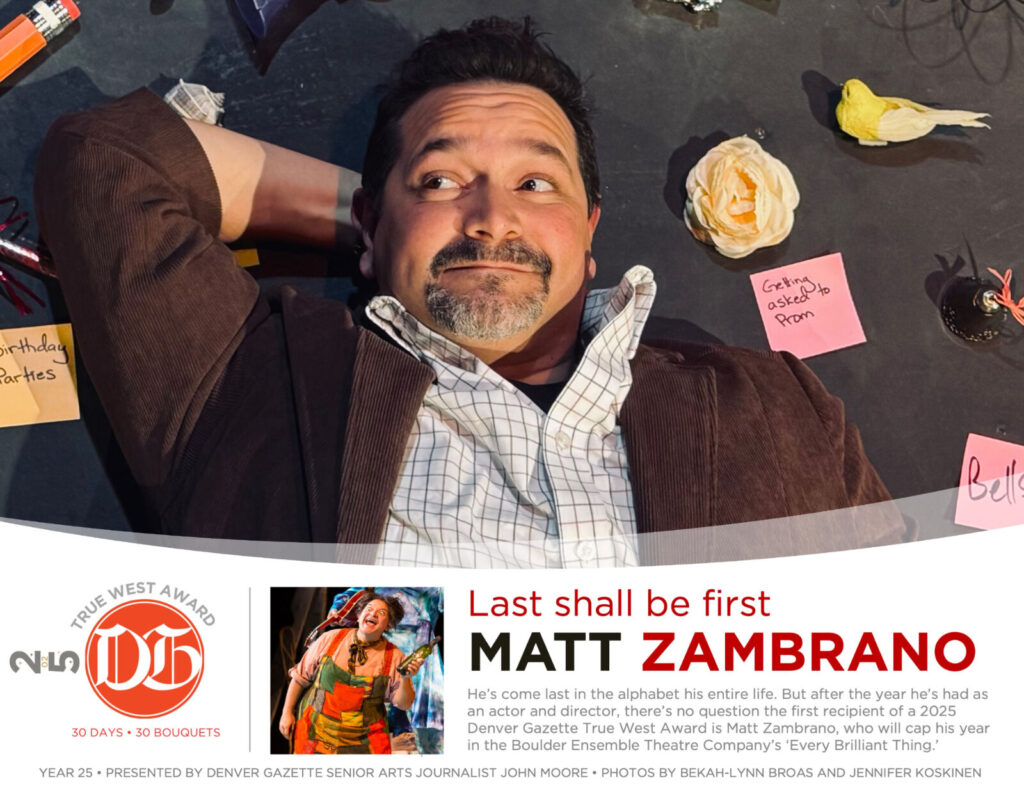
Matt Zambrano: Last by letter, first by feats
John Moore
john.moore@denvergazette.com
Updated 9 hours ago
2025 DENVER GAZETTE TRUE WEST AWARDS: DAY 1 Here’s every brilliant thing busy and beloved actor and director did this year Matt Zambrano is such a nice guy, he will give you the shirt off his back – and the words...

John Moore
Reporter
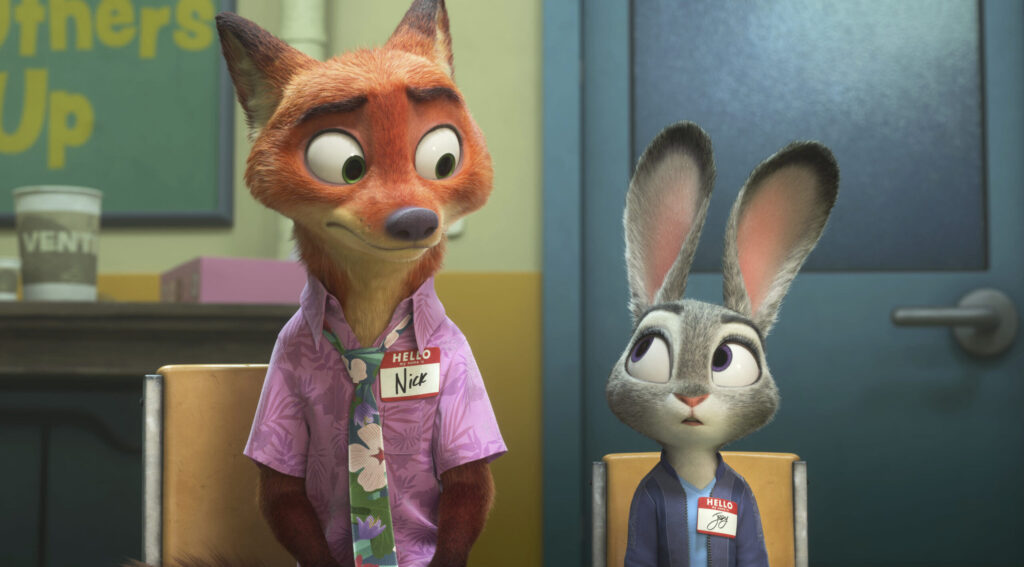
‘Zootopia 2’ roars to record-setting global box office with $556M opening
The Associated Press
the-associated-press@denvergazette.com
Updated 14 hours ago
“Zootopia 2” had a roaring, record-setting opening at the box office. The animal city sequel from the Walt Disney Company brought in $96 million in North America over the weekend, earned $156 million over the five-day Thanksgiving frame, and scored...

The Associated Press
Reporter
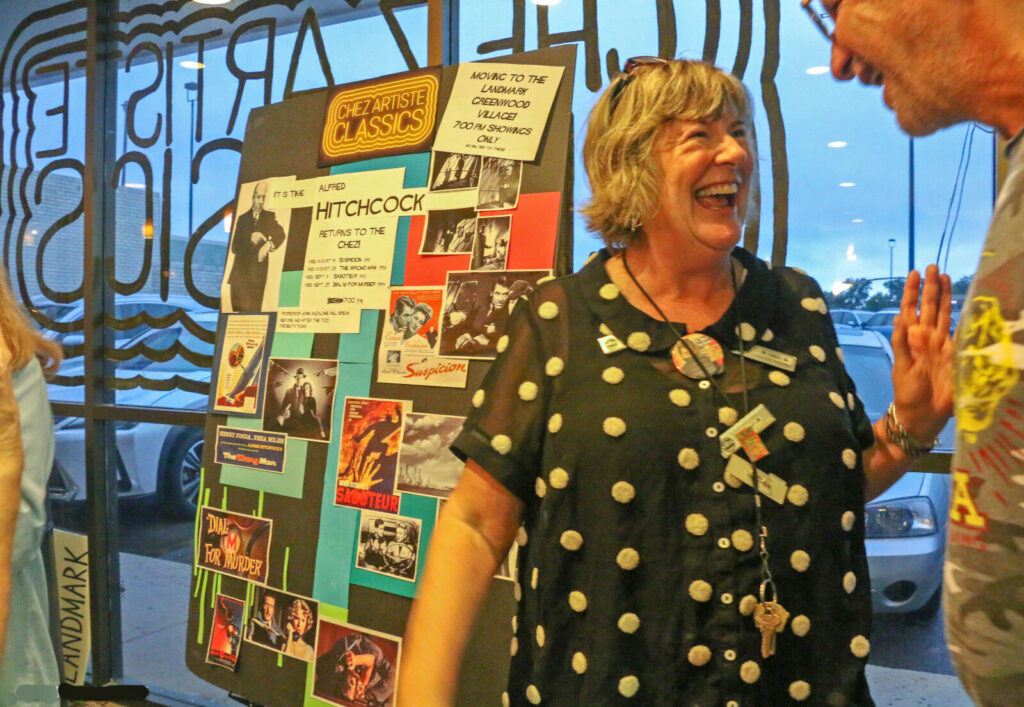
Roll credits: ‘The Chez Lady’ is leaving Landmark’s Mayan Theatre
John Moore
john.moore@denvergazette.com
Updated 16 hours ago
The face of Denver arthouse film for the past 27 years has popped her last corn and seen her last cinematic Colorado sunset When I walked into the Mayan Theatre on Wednesday and asked the young woman behind the concessions...
John Moore
Reporter
Denver area events for Nov. 30
Carlotta Olson
carlotta-olson@denvergazette.com
Updated 1 day ago
If you have an event taking place in the Denver area, email information to carlotta.olson@gazette.com at least two weeks in advance. All events are listed in the calendar on space availability. Sunday Denver Bazaar – RiNo Holiday Market — 11 a.m.-5 p.m,...
Carlotta Olson
Reporter
Denver area events for Nov. 29
Carlotta Olson
carlotta-olson@denvergazette.com
Updated 3 days ago
If you have an event taking place in the Denver area, email information to carlotta.olson@gazette.com at least two weeks in advance. All events are listed in the calendar on space availability. Saturday Photos with the Grinch —11 a.m.-1 p.m., Orchard Town Center,...
Carlotta Olson
Reporter

Denver area events for Nov. 28
Carlotta Olson
carlotta-olson@denvergazette.com
Updated 4 days ago
If you have an event taking place in the Denver area, email information to carlotta.olson@gazette.com at least two weeks in advance. All events are listed in the calendar on space availability. Friday Street Fair and Artisan Market — 11 am.-6 p.m., The...
Carlotta Olson
Reporter

50 Cent’s long-awaited Sean ‘Diddy’ Combs docuseries finally has a Netflix release date
The Associated Press
the-associated-press@denvergazette.com
Updated 4 days ago
LOS ANGELES — Curtis “50 Cent” Jackson’s documentary about Sean Combs finally has a release date. Netflix announced Tuesday that it would release “Sean Combs: The Reckoning,” a four-part docuseries about the disgraced mogul directed by Alexandria Stapleton, on Dec....
The Associated Press
Reporter
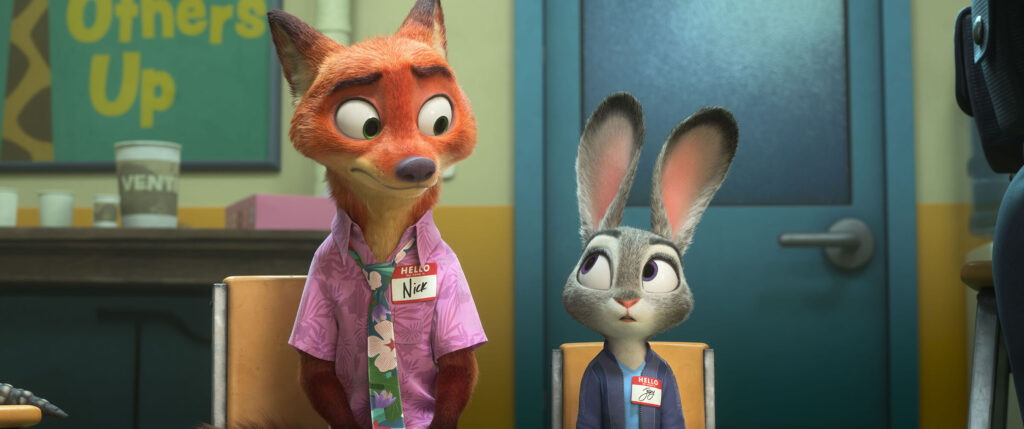
‘Zootopia 2’ delivers wit and charm of original and then some
Katie Walsh, Tribune News Service
katie-walsh@gazette.com
Updated 4 days ago
That “Zootopia 2” is as fresh, funny and densely packed as the first film feels like a miracle, but the truth is that there’s nothing miraculous about it: it’s just made by humans who put a lot of heart, humor...

Katie Walsh, Tribune News Service
Reporter

Denver area events for Nov. 27
Carlotta Olson
carlotta-olson@denvergazette.com
Updated 5 days ago
If you have an event taking place in the Denver area, email information to carlotta.olson@gazette.com at least two weeks in advance. All events are listed in the calendar on space availability. CARLOTTA OLSON, The Denver Gazette Thursday Marine Corps Reserve Toys for...
Carlotta Olson
Reporter
PREV
PREVIOUS
New book: 'Bearly' believable tales from minor-league baseball lore
Colorado’s rich minor-league baseball history is represented in a new book called “Tales from the Dugout: 1,001 Humorous, Inspirational and Wild Anecdotes from Minor League Baseball” by veteran broadcaster Tim Hagerty. Before the Colorado Rockies there were the Denver Zephyrs, and before that there were the Denver Bears, and before that there were the Denver […]
A look back at Denver's storied roster of TV sports broadcasters | John Moore
Growing up in my house, you could roll off the names of Denver’s sports broadcasting legends like players on a championship roster: Starr Yelland, Lynn Sanner, Bob Kurtz, Gary Cruz, Ron Zappolo, Jim Conrad, Mike Nolan, and eventually Les Shapiro, Tom Green, Gary Miller, Steve Harms, Vic Lombardi and one of my own personal heroes: […]