




19 people hospitalized with West Nile virus in Colorado as 2023 outpaces norm
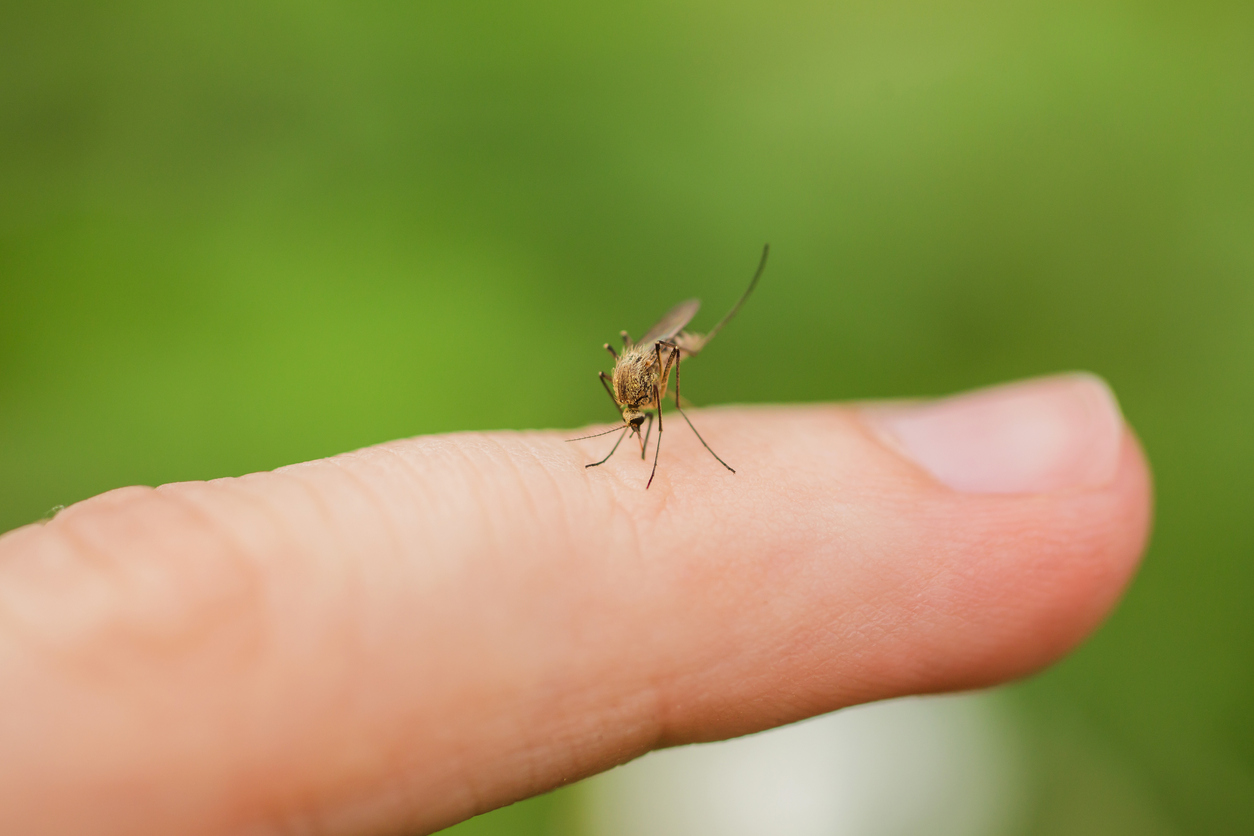
The state of Colorado is starting to see the results of a year of “unprecedented” West Nile virus risk.
According to the Colorado Department of Public Health and Environment, 19 people have been hospitalized so far this year of 36 people affected with West Nile virus. Nineteen of those 36 people have exhibited serious neurologic symptoms and one person has died after contracting the virus.
While a few dozen people affected with West Nile virus midway through summer might not seem like a lot, it’s worth noting that these cases are happening well ahead of the typical peak. By the point that 36 people were reported to have been affected this year, the five-year to-date average of cases was just 8.2, with cases generally peaking in mid-September. Throughout all of 2022, there were 206 cases, resulting in 143 hospitalizations and 20 deaths.
Based on this data, it would seem as if 2023 is likely to surpass the recent norm in terms of cases, though it may still be unlikely to set a new record.
Historical data reveals that 2003 was the deadliest year on-record (with data going back to 2003) for West Nile virus in Colorado, killing 66 people with a total of 2,948 cases. It’s worth noting that this year proved to be an outlier in terms of both cases and deaths, with 2022 being the second-deadliest year on-record at 20 deaths and 2007 having the second-highest number of cases, at 578.
The lowest presence of West Nile virus in Colorado took place in 2011, with eight cases, four hospitalizations, and no deaths. This is the only year on-record where no West Nile virus deaths occurred in the Centennial State, with 177 deaths attributed to the virus between 2003 and 2022.
There is no human vaccination for West Nile virus and there is no specific treatment. The only way to prevent contracting the virus is to reduce the risk of mosquito bites through use of bug spray, protective clothing, and avoiding areas that may have mosquitos during times the species is most active, typically dusk and dawn. Most cases of West Nile virus are so minor that they go unnoticed, but the virus still has deadly potential.
Explore more data related to West Nile virus in Colorado here.
STAY INFORMED: Get free Colorado news with our daily newsletter (Click here)
Get OutThere
Signup today for free and be the first to get notified on new updates.
PREV
PREVIOUS

Energy Secretary Jennifer Granholm pressured to resign over 'repeated ethical lapses'
Over a dozen conservative groups are demanding that Jennifer Granholm resign over her “repeated ethical lapses” as energy secretary under President Joe Biden. Granholm has faced significant scrutiny since assuming office in 2021 as the top official in the Energy Department from Republicans, who have alleged the former Democratic Michigan governor has failed to follow […]

Conservatives launch $2 million ad campaign urging GOP to back Biden request for Ukraine aid
A prominent conservative political group is launching a $2 million ad campaign urging Republicans in Congress to provide additional military aid to Ukraine despite the party remaining split on whether to continue supporting the war-torn country. The Defending Democracy Together group will begin airing ads related to the campaign on Tuesday, which are expected to […]