







Year-round gardening: Let worms wiggle their way into your life
“The message is not so much that the worms will inherit the Earth, but that all things play a role in nature, even the lowly worm.” — Gary Larson
Have you considered raising worms? While not a usual choice for pets, they are a great way of recycling food scraps to produce a really good soil amendment.
Works require little care — no walks or vet trips. They make no noise, are not allergenic and don’t smell. Vermiculture, aka growing worms, might be a good autumn and winter garden project.
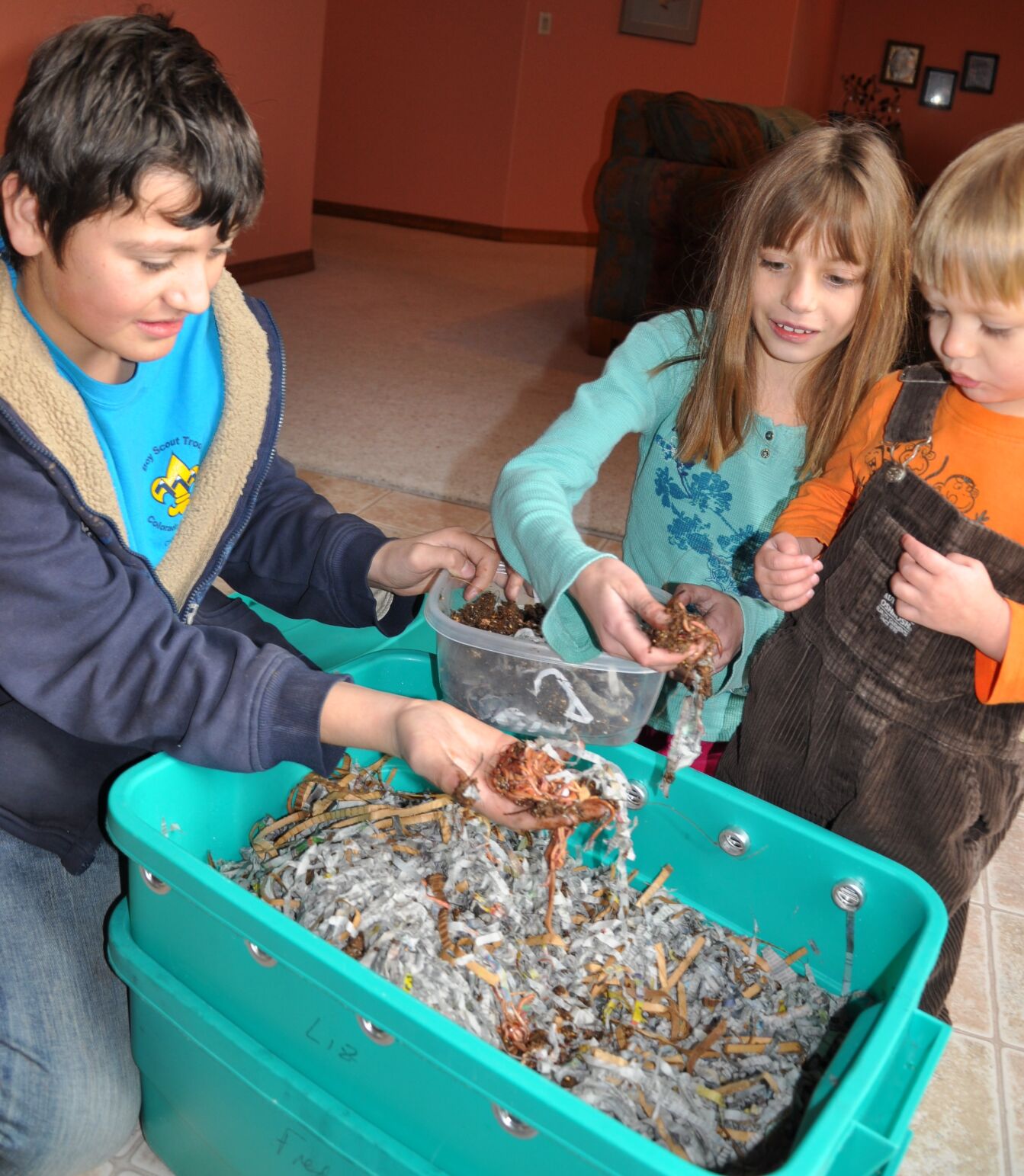
Worms are natural soil builders, and vermicomposting is a clean, efficient method to recycle otherwise wasted food. It requires nominal space and equipment. This is a great project for children, perhaps even suitable for a classroom.
The worms to use for vermicomposting are Red Wigglers (Eisenia feteda). Local garden centers sell the worms or they can be ordered online. Do not use earthworms, as they are not suited to the confined environment.
The compost produced is the worm castings. It has a nitrogen content of about 2-3%, a potassium and phosphorous content of around 2%. Worm compost is suitable for indoor and outdoor plants.
To raise worms, you will need a worm bin which will provide a dark, well-ventilated container with good drainage. You can find numerous diy tutorials online. Bins can be constructed from used or very inexpensive materials, or you can purchase a bin. The bin should be placed in a room with a temperature range between 50 degrees and 80 degrees.
Once you have the bin set up, add moist shredded newspaper, paper towels, or paper egg cartons, a few inches deep, for bedding. Do not use shiny paper. The bedding material provides a place for the worms to burrow, and eat the food.
You also will use the bedding to cover the food when you put it in the bin. Covering the food will reduce the probability of fruit fly attraction to the bin. You will add to the bedding as needed. It is better to have a bit more than you need, than to skimp on bedding.
Food can be added weekly, and should consist of fruit and vegetable scraps (raw only). Do not add dairy, oils, fat, meat, or bones. Anything with fat in it can go rancid and create an unhealthy environment. Citrus scraps should be used very sparingly, they can be too acidic for a healthy environment. If you have purchased a pound of worms, add about 1 pound of food per week to start. Chop, but do not puree the food. Clean egg shells, and coffee grounds are good additives. Do not let the food run out.
The worms will reproduce once the colony establishes, probably after 3 months or so. If the bin becomes too crowded, you will have worms to share with a friend! These worms do no survive our winters so placing them in an outdoor compost pile or garden will only have temporary benefit.
Here are some great resources to learn more:
Vermicomposting for Households
Submit gardening questions to [email protected] or call 719-520-7684. The help desk is open 9 a.m. to noon and 1 to 4 p.m. Mondays and Wednesdays at 17 N. Spruce St. Find us on Facebook at Colorado Master Gardeners – El Paso County.