







In Colorado schools, post-pandemic performance gaps widen; boys are bouncing back quicker than girls
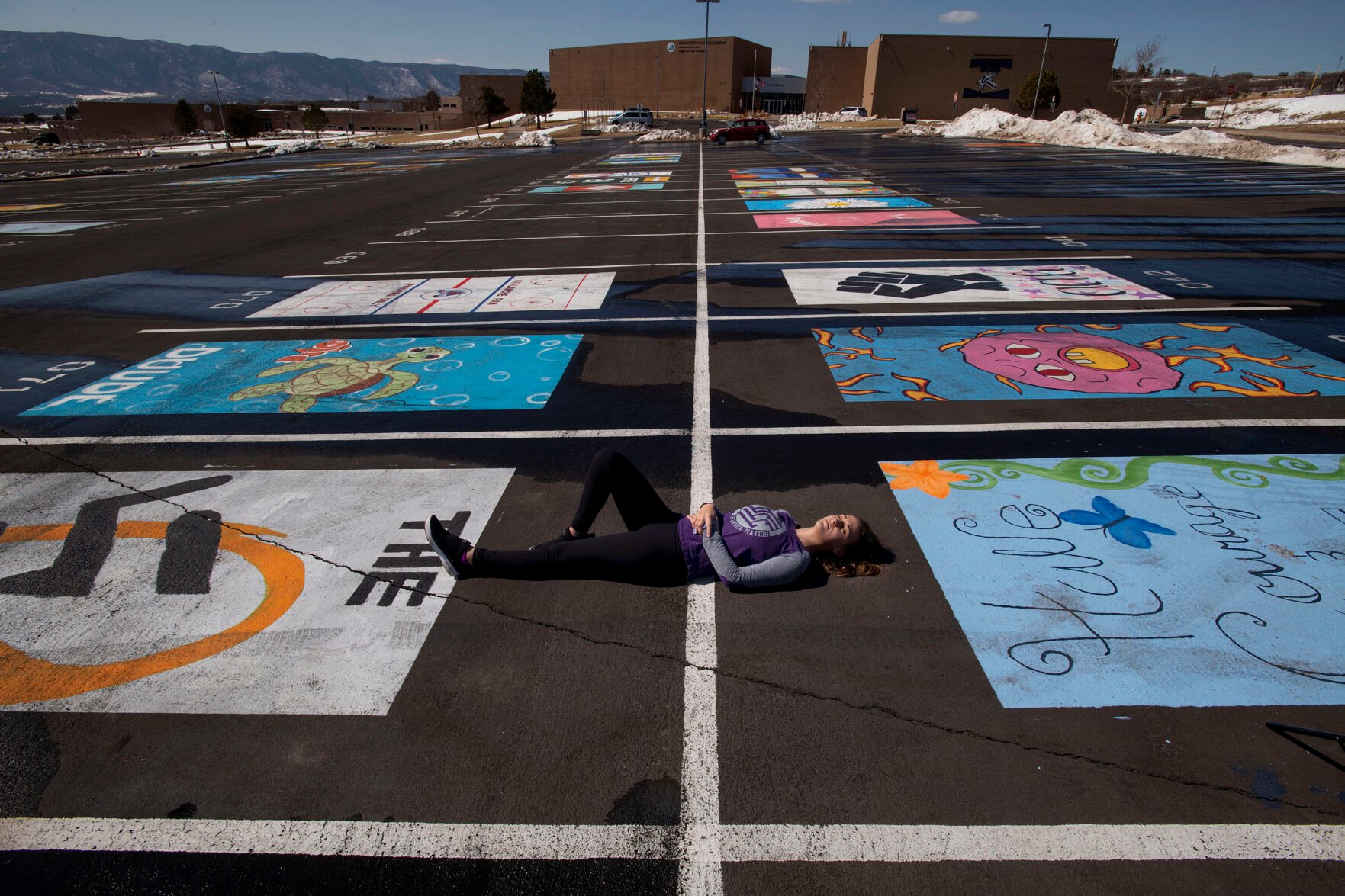
Results from standardized testing that Colorado public school students took in April show that, statewide, male students “provided more signals of recovery than females,” Colorado’s Chief Assessment Officer Joyce Zurkowski told the state Board of Education, in publicly releasing the data last week.
She’s referring to students’ ability to bounce back from the learning loss that began affecting students with the onset of the COVID-19 pandemic in March 2020 and continued with disruptions in the educational system throughout 2021.
Initial school closures gave way to at-home online learning for all, followed by sporadic interruptions in education due to outbreaks of the virus.
Mandatory social distancing, mask requirements, halted and then truncated sports and other activities such as prom and graduation ceremonies, and new models of learning such as small cohorts in classrooms also adversely affected students.
Marked disparities in test results also appear among racial and ethnic subgroups of students, English language learners and students from low-income families, which had been an issue since before the pandemic but now have widened.
“There were very significant differences between White groups and Black and Hispanic groups,” Zurkowski said while addressing the media.
Reasons for the gender gaps are only guesses, officials said.
“National research shows young women have struggled more with anxiety and depression,” Education Commissioner Susana Córdova noted in speaking with media representatives.
“It’s hard to say if that’s the reason we’re seeing lower performance with young women than young men,” she added.
Research also points to improved school performance when kids are more engaged in co-curricular and extra-curricular activities, Cordova said, qualifying that she couldn’t give a concrete statement “without a better sense of what the connection might be.”
Students’ physical and mental health can affect academic performance, said Katie Blickenderfer, chief medical officer at Diversus Health, the Pikes Peak region’s primary community mental health center.
But she hesitates to draw a causal relationship to differences in academic performance between genders.
Girls have always had a higher level of anxiety than boys, said Margaret Sabin, strategic advisor and past president of Children’s Hospital Colorado Southern Region in Colorado Springs.
“It’s not new, it’s just gotten a little worse,” she said.
Studies from Building Resilience for Healthy Kids, a school-based mental health coaching intervention program of Children’s Hospital, show that girls and young women are more susceptible to social anxiety, concerns over body image, relationship turmoil, social media angst, pressures at school and other challenges, Sabin said.
“We have seen that consistently in our data,” she said. “The bottom line is that girls are more social creatures and the loss of that environment during COVID is exacerbating the difference and having lasting impact.”
The resiliency program is active in 37 local schools and at Colorado College this school year.
“You can’t shield kids from adversity, but what you can do is prepare them to handle it in a better and healthy manner,” Sabin said.
That’s what resiliency coaching does, and research shows it’s working, she said.
“What we do know is when children are given that one-on-one attention and focus, we see a stronger resiliency,” Sabin said. “It’s a real path to saying we’ve got to spend more time with them.”
This year’s testing data also shows performance gaps widening between ethnic subgroups and multilingual students.
Academic performance statewide was between 24 and 31 percentage points lower for Black students who met or exceeded expectations in reading, writing and math, compared to performance of White students, Zurkowski said.
Hispanic students scored between 25 and 31 percentage points lower in meeting or exceeding state expectations than their White peers, she said.
However, Asian students outperformed White students on 11 out of the 12 tests in English language arts and mathematics.
Students from low-income families that qualify for the federal government’s free and reduced lunch program saw even larger discrepancies in outcomes, anywhere from 27 to 35 percentage points lower than their classmates who do not receive free and reduced-cost meals.
Students with limited English proficiency also lagged substantially when compared with White students, as much as 46 percentage points in some grades.
Zurkowski said gaps in education have been “persistent” and areas of gains aren’t yet cause for celebration, since achievement levels for the most part are not where education officials want them to be for students to move into what’s considered recovery.
She estimates that will take one year to several years.
Performance gaps are the result of “numerous and complex factors,” according to the National Assessment of Educational Progress, which issued its annual The Nation’s Report Card in June for the 2022-23 school year.
The organization lists gender, socioeconomic status, students’ attitudes toward learning and parental education levels as among the considerations that influence academic performance.
Minority groups tended to be more heavily impacted by COVID, as they often did not have access to the same resources as other families — such as adequate electronic devices and internet availability for students to attend classes and do homework — and they were more stressed, Sabin said.
“Also, the stigma around mental health and public displays of bigotry have escalated, impacting this segment of society,” she said.
The resiliency program in schools has positively helped close gaps in diverse students, Sabin said.
“We saw that before COVID, that when we work with these kids we see that gap close equitably,” she said.
Why?
“I think it’s when a certain plant needs more water and you give it more water, it becomes as healthy as other plants,” Sabin answers. “The impact of mental health work in diverse settings can be substantial.”
Some children may need treatment for mental health problems such as anxiety or depression, which can include counseling and medication, Blickenderfer said.
Prevention is key, she added. Providing education on the importance of mental health, recognizing changes in behavior that may suggest a student is having a challenging time, supporting youth in healthy relationships and appropriate boundary setting, and teaching coping skills are among the strategies she mentions to help students improve their mental health.
Colorado Board of Education member Steve Durham, a Republican from Monument who represents the 5th Congressional District, said during Thursday’s meeting that he’d like to see the causes of poor academic performance treated rather than focusing on addressing the symptoms.
While he said such solutions might be unpopular, banning cell phones or eliminating access to social media during school could be among the solutions.
“It’s time in the broad picture for us to look at causation and start trying to deal with causation,” Durham said.
Schools are not the cause, he said, but rather reflect the symptoms of societal problems.