




Surviving the deluge: Tales from Colorado’s devastating 2013 floods
The 1,000-year flood killed 8 people, destroyed 1,850 homes and caused more than $4 billion in damages

Rainbow Schultz woke to the sound of boulders rumbling down James Creek and knew something bad was happening. The drumming of the rocks and the rain coincided with someone urgently pounding on her front door.
When she opened it, what she saw was a neighbor who had been thrown from a window by a crushing mudslide.
“You don’t want to hear this but Joey is already dead and you need to get out,” he said.
Minutes before, rocks and mud, loosened by continuous rain, came roaring down a burn-scarred slope into Joey Howlett’s home, splintering it into a pile of pick-up sticks. Howlett, 72, was the village patriarch, longtime owner of the Jamestown Mercantile Café, erstwhile town Santa Claus and likely the first of eight people who were killed in the 2013 Flood.
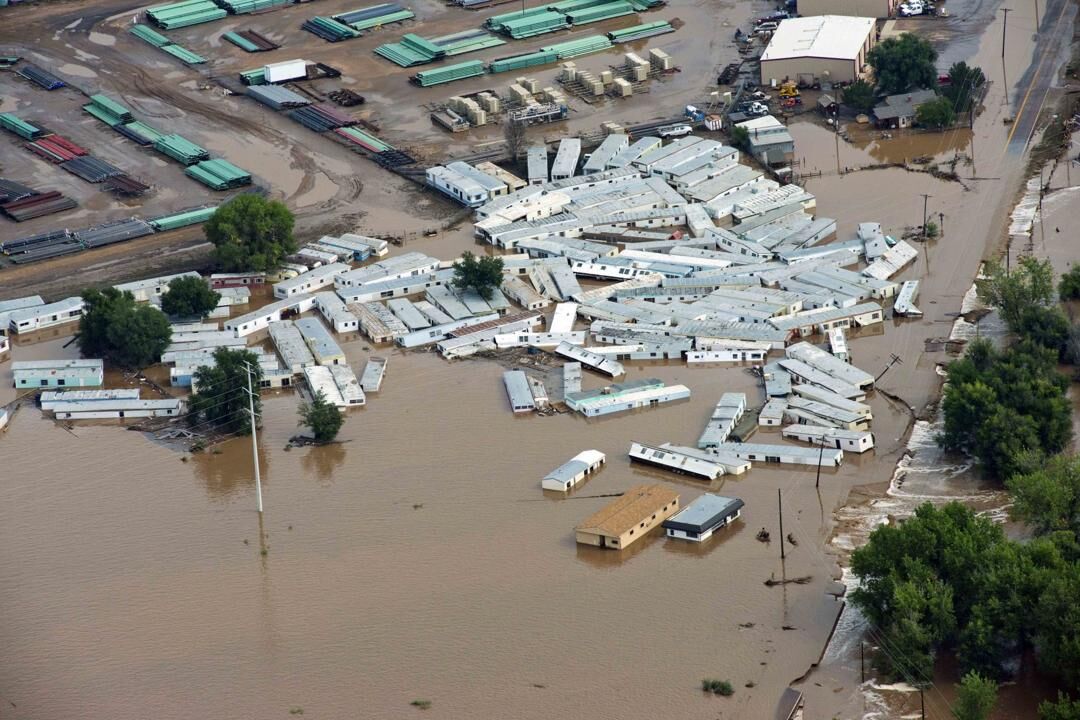
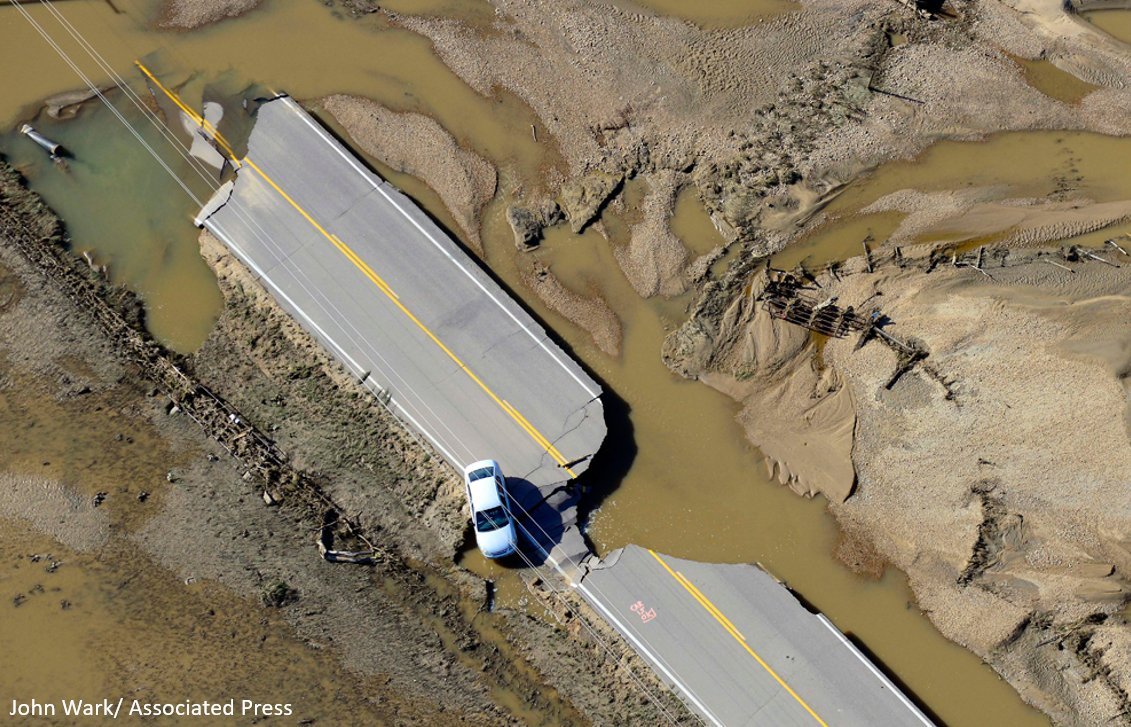
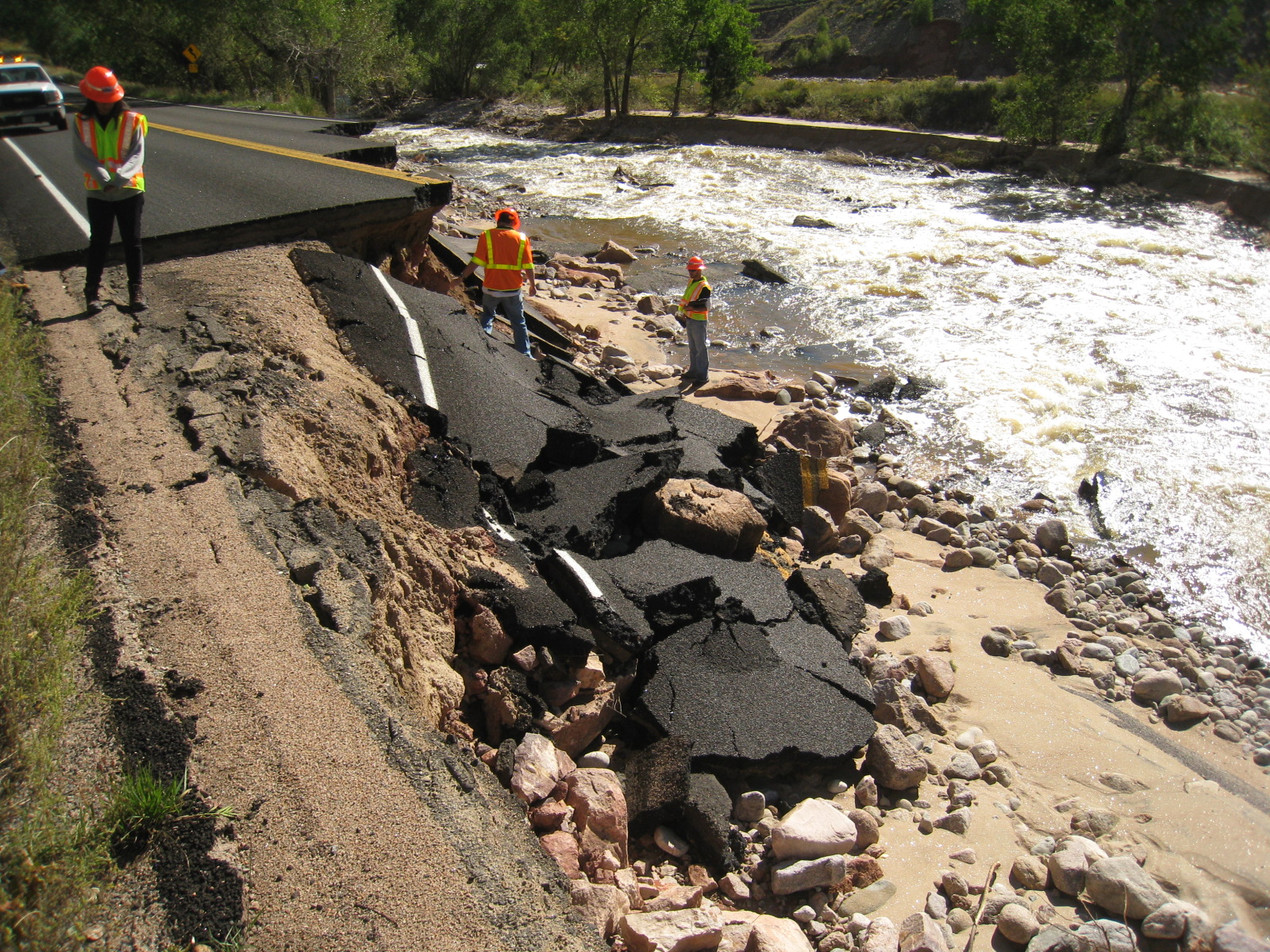
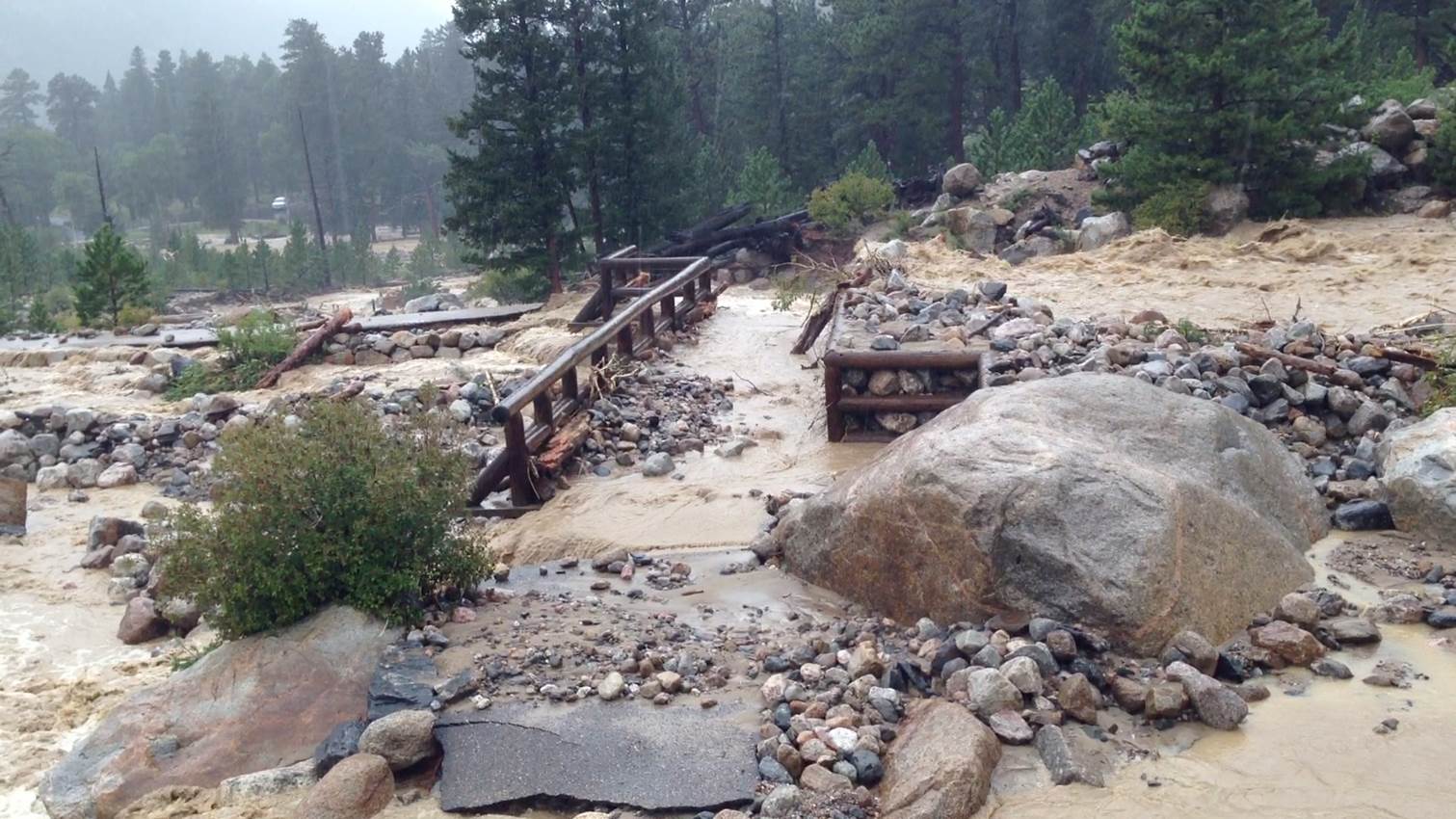
The monstrous 2013 Flood destroyed 1,850 homes, caused more than $4 billion in damages and forced 11,000 people to evacuate, including Schultz and the entire town of Jamestown. Sections of Highway 34, US Highway 36 and many county roads were washed away.
Slow moving drench
On Sept. 9, 2013, after a summer of drought and heat, the rain started on the Eastern Plains, moved to the Colorado Front Range and sat there until Sept. 16.
The area experienced a year’s worth of rain in a week.
The National Weather Service issued flash flood warnings in Boulder, El Paso and Larimer counties on Sept. 11. Rivers and tributaries overflowed, flooding downstream and stranding people in Estes Park, Fort Collins and Greeley.
When it was over, 18 Colorado counties were declared federal disaster areas and the National Weather Service dubbed the 2013 flood a 1,000-year flood event. It was the most significant weather event of the 2010-2019 decade.
“We knew we were going to get a lot of rain but we had no idea the systems would collide over Jamestown,” said former Boulder Sheriff Joe Pelle, who got the first call at 3 a.m. on Sept. 11, 2013 — a Wednesday — and did not see the back of his eyelids for two days.
“Once bad things started happening, I went to the emergency operations center. It was terrible,” he said. “We were getting 911 calls from people who were trapped. One man was having a heart attack and his wife was on the phone. Mud was going through people’s houses.”
Pelle said the rapidly-rising water isolated the Jamestown area. That, compounded by the low, unmoving clouds hindered visibility so much the fleet of helicopters waiting at the ready couldn’t fly. Houses wrenched from their foundations were hanging from chunks of broken ground over rushing water, propane tanks floated on the raging currents and dams were pushed to their limits.
Pelle had been sheriff for 10 years. He was responsible for coordinating search and rescue in Boulder County, which he had done plenty of times during natural disaster events. But flood conditions were so bad and so widespread the national guard couldn’t access the area, and neighboring sheriffs were too busy to assist, attending to nightmares of their own.
As the situation became increasingly grim, he spoke with the Boulder County coroner to develop a plan for the dead, “certain we would be finding bodies for weeks.” They arranged for refrigerator trailers to standby.
A ‘Lifebridge’ in the storm
With national agencies unable to connect, Pelle was desperate for a place large enough and with the resources to welcome hundreds of people in a short amount of time.
Enter Lifebridge Church and Pastor Rick Rusaw.
“Joe called me. He said it was ugly and could we use the church as an evacuation center? We said absolutely,” Rusaw said.
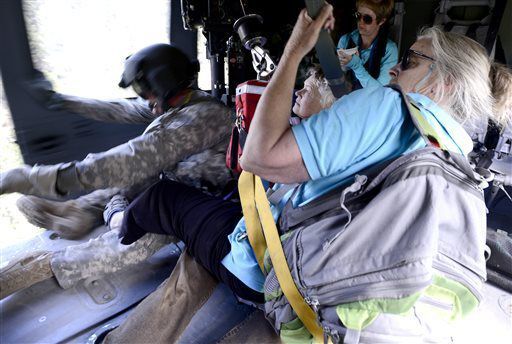
That day, the congregation opened its doors to the first of what would be hundreds of emotionally overwhelmed evacuees — many of whom were driven to the Longmont faith facility in law enforcement vehicles. Later, they were airlifted to the church parking lot by chopper during opportune moments when the skies cleared.
“When we put the word out we needed help the congregation showed up in droves,” remembered Rusaw.
The second day, Lifebridge volunteers turned to social media in a shout out for supplies. Six hours later, they had to ask people to stop bringing things.
Church staff lived in the building for days. But Rusaw said the effort literally took a village, including the entire Longmont community and areas surrounding it.
Sprung from a single overnight phone call between friends, Lifebridge became ground zero for crucial connections whether it was flood survivors, law enforcement, or the media.
Rescue in the Big Thompson
Northwest of Lyons roads immediately started closing, according to Bob Coleman, then a captain with the Larimer’s County Sheriff’s Office.
“I was on the sheriff’s command staff and was dispatched to the Big Thompson Canyon and Drake area to start evacuation,” he said. It was catastrophic. Many houses were lost on the Highway 34 corridor, while Estes Park itself was cut off and supplies were difficult to get in.
“I think the sheriff’s department saved the whole (population of the) Canyon,” Loveland Police Chief Jan Burreson said of the rescue.
The most memorable moment for Burreson came on that Thursday, Sept. 12, when the incident command center took control of the SS Lake Dam in Estes Park.
“The dam itself was getting more water than it could take,” Burreson said. “The person who was sitting next to me in the incident command center told me that they were going to release more water and more water out of the dam, which would eventually increase the flooding in Loveland. And I asked him, ‘How much water are you releasing?’ He said it’s going to be over 9,000 cubic feet, and that’s going to be well more than the Big Thompson Flood.”
The Big Thompson Flood is the historic 1976 flash flood on the river that killed 144 people.
“So, we did a little bit more evacuation that night, but again in the morning, no loss of life,” Burreson said. “That one caused me a lot of apprehension that night.”
Burreson thinks that, even 10 years later, there are still “some aspects of our cities like Loveland or Longmont where they are still rebuilding from this flood.”
The city of Longmont is on St. Vrain Creek and boasts of its lakes and waterways. All that water from the mountains to the west came pounding through.
“A couple days turned into three days, three days turned into four days and the flooding kept piling up,” Matt Bush said, at the time a campus supervisor for the Saint Vrain Valley School District. “School ended up being closed for a whole week.”
“I remember going to a friend’s parents house and spending two days scooping out water,” Bush said, adding that many other family and friends ended up being stranded in Lyons.
A little farm story
During the 2013 Flood, many Front Range streams and rivers — including Boulder Creek, St. Vrain Creek, Left Hand Creek, and the Big Thompson River — recorded their highest flows on record.
The relentless rains swelled waterways and coursed mainly east, flooding Weld County, where the South Platte and the Cache la Poudre rivers poured into low-lying areas of Evans and Greeley.
The Little Thompson River, normally 6 feet wide and 6 inches deep, grew to ten times its size, swallowing up Desiderata Farm, a 23-acre enterprise between Longmont and Berthoud. On Desiderata Farm, Doug and Pam Spence woke up to a force of rain at 1 a.m., as the river spilled out into their pasture and then licked at their windowsills.
“It was a huge amount of water. Our ancient cottonwoods were uprooted and were floating down the yard,” said Doug Spence, who lost his barn, his sheds, his topsoil and farm equipment to the flood.
Everything was swept away except for one survivor — a compact tractor, which he tracked down because its exhaust stack was sticking out of a pile of silt like a white flag.
How much water did that particular area receive?
The Colorado Division of Dams did a study on the amount of water that came down the Little Thompson River from Sept. 10-16 during the flash flood and figured it to be 52,000 acre-feet. In laymen’s terms, Spence suggested envisioning an acre field.
“Then stack water in that acre ten miles high. That’s how much rain we had,” he said.
Small town, huge dollar damage
Lyons, a small town some 17 miles north of Boulder, was heavily damaged. The 1.4 square mile town has totaled $36.5 million in main recovery flood projects, according to Lyons officials, who said recovery efforts from the flood continue today.
So far, the town has completed 34 federally funded projects of a total of 104. Lyons’ Lavern Johnson Park, which is nestled in a bend in North Saint Vrain Creek, alone suffered $9.6 million in damages, town officials said. Planet Bluegrass, the popular bluegrass festival and events venue, was covered over by flood waters.
Other big projects in Lyons included rebuilt bridges, homes and businesses, such as one of the town’s main market’s, the St. Vrain Market.
On Sept. 13, the rain let up enough for the National Guard to access the area. It was the first time Pelle allowed himself to get choked up.
“I felt like the cavalry had arrived. That’s when I thought, ‘We’re going to be okay.’”
But even with help from federal troops the rain did not let up. The deluge would soon continue.
10 years gone by
It’s as if James Taylor wrote the song for Joe Pelle.
He retired this year, weary from a miserable chain of natural disasters that brought extreme fire and rain to his county. He’s definitely seen them both. Nine years after the 2013 Flood, Colorado’s most destructive wildfire struck unincorporated Boulder County, Louisville and Superior, and it was Pelle who, again, engineered the Marshall Fire’s front line response.
Rick Rusaw, still living in Longmont, left Lifebridge for a tech platform called Gloo, which he describes as a group that connects the “global Christian ecosystem.”
The Little Thompson is back to pre-flood size on the Desiderata Farm and Ranch. The farm is producing vegetables again, and, on Oct. 7, Doug and Pam Spence will host a harvest festival and farm-to-table dinner.
“It took a long time but we’re happy to be making good progress,” said Doug Spence.
Rainbow Schultz still chokes up when she envisions how the Baptist Texans, strangers in yellow hazmat suits, shoveled dark, stinky mud from her home, which was saved. She moved back in a year after the flood and is the owner of the local hangout, the Jamestown Mercantile. She bought the restaurant from Joey Howlett, a couple of years before his death. She credits her best friend for helping save the town because it was his home and his life, which beaconed the warning for everyone else to escape for higher ground.
“A lot of people think of it as Joey’s final act, saving all of us,” she said.


Get OutThere
Signup today for free and be the first to get notified on new updates.
PREV
PREVIOUS

'Change environment': Voters ready for 'new direction' as Denver Public Schools election looms
Survey conducted by nonpartisan Colorado Polling Institute finds voters view Mayor Mike Johnston favorably, like ranked-choice voting

At Home: Good organization helps set students up for success
Tardy bells. Locker combinations. Yellow buses. Sack lunches. Shoes that give you blisters. School has officially started. And in households across America, the cries are sounding: “Where’s my homework? Have you seen my soccer shoes? You stole my charger! Hurry, we’ll be late!” But not at Lynn Stone’s house. Two weeks before school started this […]