
COLUMN: Health-care workers’ strikes are avoidable | Pius Kamau

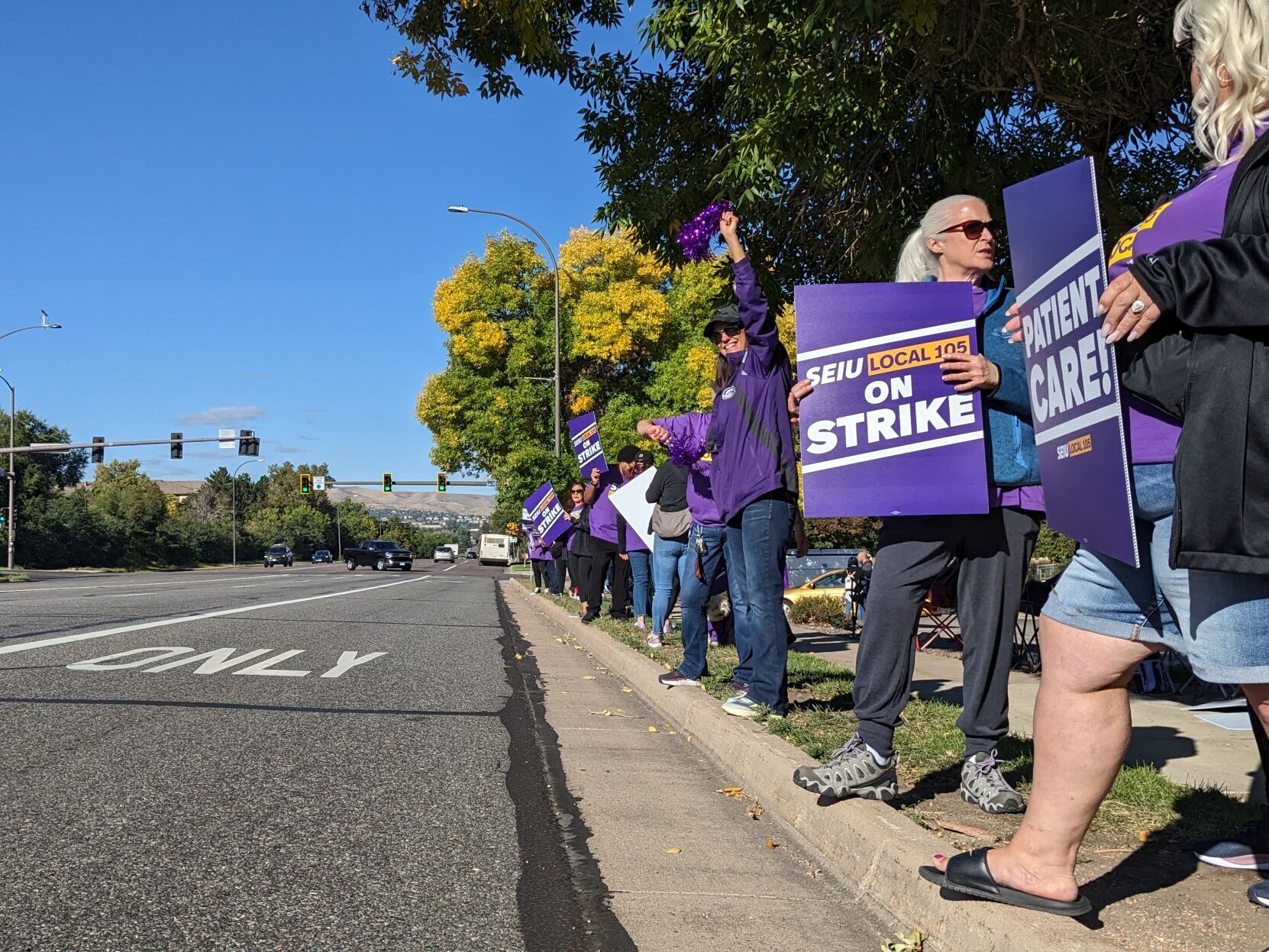
In a span of 12 months, Kaiser Permanente workers walked out of their work stations twice. Although the majority of the company’s workforce is in California, recently some Coloradoans drove by large numbers of Kaiser employees walking the picket lines. Their latest strike reminded me of the cicadas that emerge every 13-17 years; only these picket lines appear more frequently. It’s sad that nurses and other ancillary staff have to resort to strikes before their employers concede to contract negotiations.
As people honked their approval as they had done some months earlier, a too frequent thought rose up again in my head. Surely Kaiser administrators must have known a strike was coming? If so, why didn’t they act sooner to avoid it? And who do months’ long strikes really help?
My point is, companies like Kaiser Permanente should not wait until employees threaten to strike before they consider what conditions of employment need improvement. To me hospitals function efficiently as units made up of groups of people, each doing their best. And imagining that hospital managers know this, it seems logical that workers and administrators would have ongoing discussions about workers’ welfare. In other words, workers’ representatives and administrators meeting regularly to negotiate reasonable pay and working conditions.
I believe that workers and management share the same objective — the well-being of the firm, the public they serve, investors, administrators and workers. If reason and fairness were the guiding principles in a workplace where there’s communication, a lot of unnecessary turmoil would be avoided.
Oftentimes hospital and healthcare administrators act as if they are blind to reality. Consider, hospitals not adequately remunerating their regular nursing staff, which leads to nurses leaving hospital employment to become “travelers.” This impermanent, peripatetic nursing group with a much higher income points to the height of today’s healthcare absurdity. Many “traveler” nurses move from hospital to hospital, often within the same city, and sometimes, “travel” to their own original hospitals. It is a dangerous and inefficient practice that brings strangers to new locales. They often have no idea where different tools and equipment are located, which is not an ideal state of affairs in emergency situations.
There was once a desire to have health-care providers, familiar with the functioning of a hospital and community, stay in the same place for many years. Their knowledge of how and where complemented their knowledge of who and when. It’s sadly been replaced by a mélange of procedures and personnel.
My idea of workers and administrators working together as a team, presumes that the workers would be privy to what their bosses are paid. But then, some managers would be hard pressed to justify their eye-popping incomes. An example would be United Healthcare’s Dr. William Maguire whose retirement stock option was $1.6 billion, which made many hard-working mortals like me wonder about the fairness of the system. Where does one squeeze that kind of money from a healthcare insurance company’s coffers, we wondered.
Managers of hospitals and other companies should be well compensated. Sadly though, in the American workplace and industry, CEOs’ to workers’ compensation ratios have skyrocketed by 1,322% since 1978. GM’s Mary Barra makes $29 millions annually, something that the UAW is focusing on, justifiably in my opinion, as their members strike against American auto manufacturers.
A great deal is expected of physicians. And even as their incomes continue to slide, many toil inordinately long hours, at work that carries malpractice among other many risks, often carrying large medical school student debts. They are not unionized and therefore cannot strike. But a moment is coming when most will be employed by HMOs, hospitals, firms like Amazon, Walmart and other deep-pocketed entrepreneurs. I suspect they’ll all want to belong to unions if they hope to be compensated anywhere near the salaries of administrators.
Which brings me round to my original thought. The best way of delivering service — be it medical, manufacturing, writing for TV or radio — is for administrators, managers and workers to work together for a fair share of the pie. You best do that by foretelling strikes; by discussing and acknowledging workers’ welfare as everyone’s concern. It is really not much to ask, and it sure beats long weeks of workers’ picket lines and the uncertainty and heart ache of workers’ families. In the case of health-care workers, we must also consider their patients’ welfare, care and concerns.
Pius Kamau, M.D., a retired general surgeon, is president of the Aurora-based Africa America Higher Education Partnerships (AAHEP); co-founder of the Africa Enterprise Group and an activist for minority students ’STEM education. He is a National Public Radio commentator, Huffington Post blogger, and past columnist for Denver dailies.