




All the usual spoils, plus peace and quiet, during winter at Rocky Mountain National Park
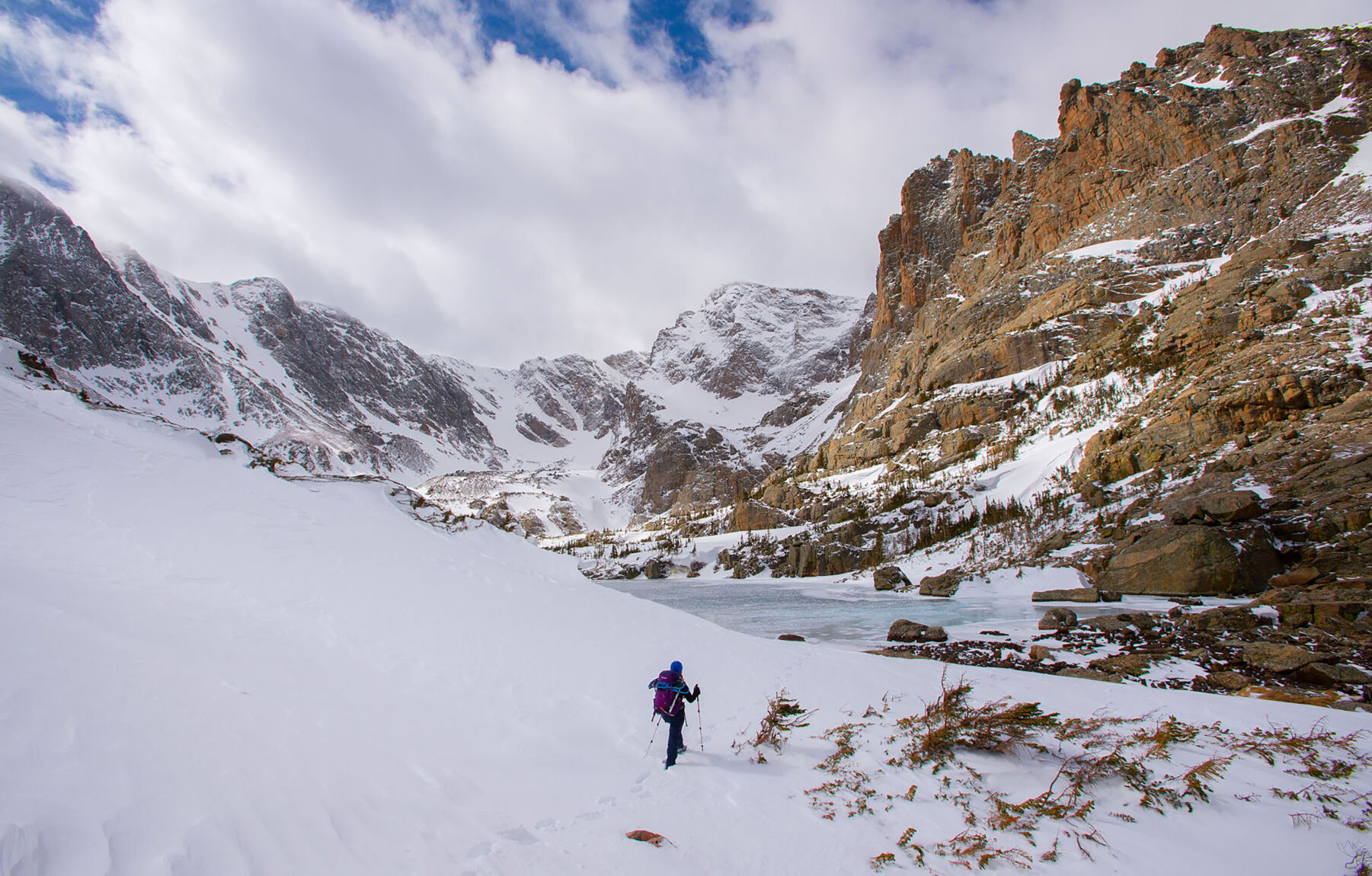
If you haven’t ever visited in winter, you might not recognize Rocky Mountain National Park.
That’s not only because of how it looks: snow covering the once-gray faces of the high peaks; frozen lakes and waterfalls. But you’ll also notice other things.
The cold, yes. But also the silence. The lack of cars. The lack of people.
Compared with summer, a much smaller portion of the park’s annual 4.5 million visitors come during winter. More solitude for you. And less hassle. The benefits go on from there.
SleddingHidden Valley is not so hidden. Since ski area plans were ditched in 1991, families have flocked to the old bunny hill now open to sledding — the only site where it’s allowed in the park.
The hill is not far from Estes Park via the Beaver Meadows or Fall River entrances. Without any lift or tow, you’ll have to walk up your sled, saucer or tube. Skiers and snowboarders also share the space.
Be prepared for wind.
Snowshoeing and cross-country skiingThose are your modes of travel on the trails, which pile up with snow. It’s generally deeper on the park’s west side, from Grand Lake.
While Trail Ridge Road is closed to vehicles over the top, the highway from Grand Lake becomes a go-to for snowshoeing and cross-country skiing. Others pick trails ranging in difficulty across the Kawuneeche Valley.
On the east side, areas popular in the summer remain so in the winter: Bear Lake and Wild Basin.
The park warns of avalanches and fast-changing conditions that demand proper clothing and gear as well as vehicle preparedness. If you’re new to winter recreation, the park has offered ranger-led, reservation-only snowshoe tours from Estes Park and Grand Lake.
Wildlife watchingYour chances for spotting elk and deer might be even better in the winter, when the animals roam lower elevations closer to roads.
According to the park, the season is “an especially good time” to look for snowshoe hare and ptarmigan. The ptarmigan is a particular treat; the bird changes color in the winter to match the snow. Steller’s jays are common, along with Clark’s nutcrackers and black-billed magpies.
The west side is the best side for moose. Grand Lake locals know to keep their eyes out along Grand Avenue.
Stay the nightMoraine Park is the only campground open during the winter, but not for the winter of 2023-24. Construction is slated to keep sites closed through early June.
So, if you want to camp, you really want to camp. Backcountry sites are plentiful and available for those who pick up permits at wilderness offices at Beaver Meadows Visitor Center (Estes Park side) or Kawuneeche Visitor Center (Grand Lake side).
If camping in the snow isn’t for you, you might book a night at The Stanley, Estes Park’s famed, historic hotel. Rates are cheaper in the winter.

Get OutThere
Signup today for free and be the first to get notified on new updates.
PREV
PREVIOUS
11 weekend things to do around Colorado Springs: Festival of Lights Parade, Jingle Jog 5k and more
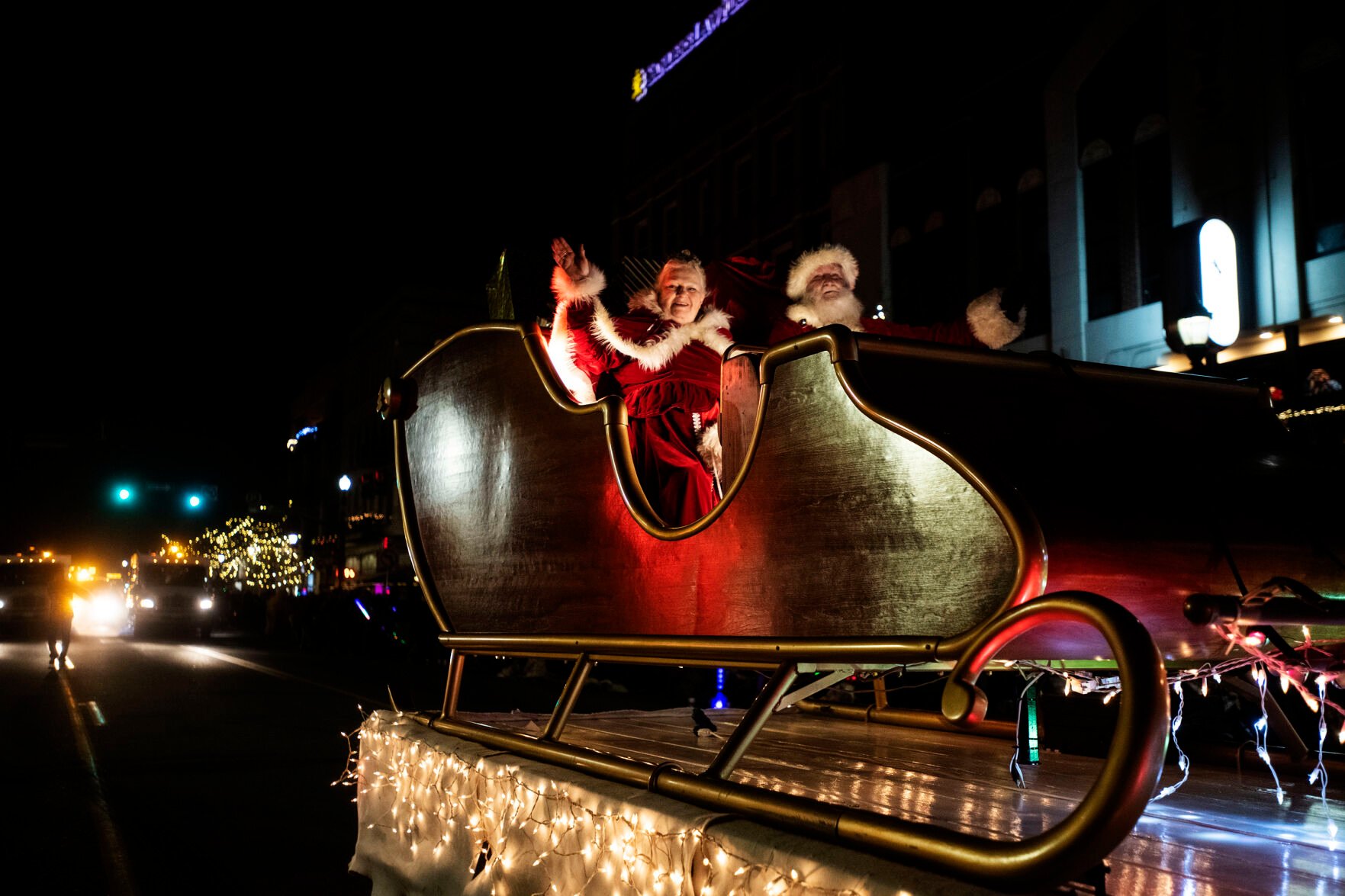
SATURDAY Enjoy a beautiful, lighted downtown with thousands of other cheering folks for the 40th Festival of Lights Parade, starting at 5:50 p.m. Saturday down Tejon Street from St. Vrain to Vermijo. City parking garages free, see downtowncs.com/holidays. Pre-parade open house 2-6 p.m., Pioneers Museum Annex, 121 S. Tejon St., Suite 100, Plaza of the Rockies. Hot chocolate […]

RFK Jr. commemorates Utah's postponed 'unconstitutional' ballot deadline
Utah has delayed its ballot access deadline to appease 2024 candidate Robert F. Kennedy Jr., who had a pending lawsuit against the state. Previously, the deadline was Jan. 8, which is the earliest deadline in the nation, but it has since been moved back to March 5. The next earliest deadline is Texas, where independent […]