
Physician: No medical reason for ketamine injection
Elijah McClain had no medical need for the injection of ketamine he received from Aurora paramedics in August 2019, an expert for the Colorado attorney general’s office testified Tuesday.
In the trial of the two paramedics facing criminal charges in connection with McClain’s death, attorneys questioned Damon Robinson, an anesthesiologist hired by prosecutors. Judge Mark Warner allowed him to give expert opinions about anesthesiology, excited delirium, hypoxia, acidosis, aspiration and ketamine.
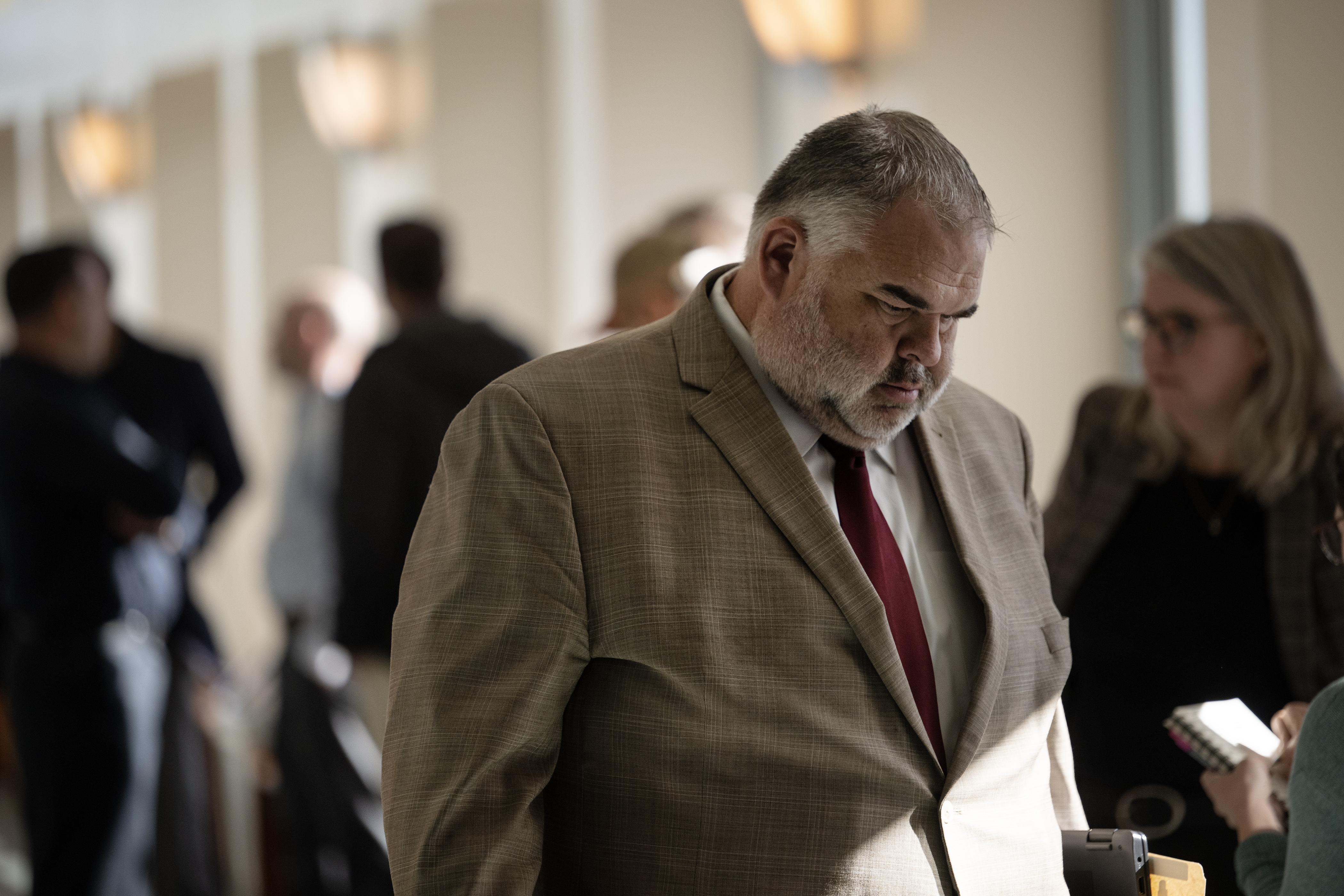
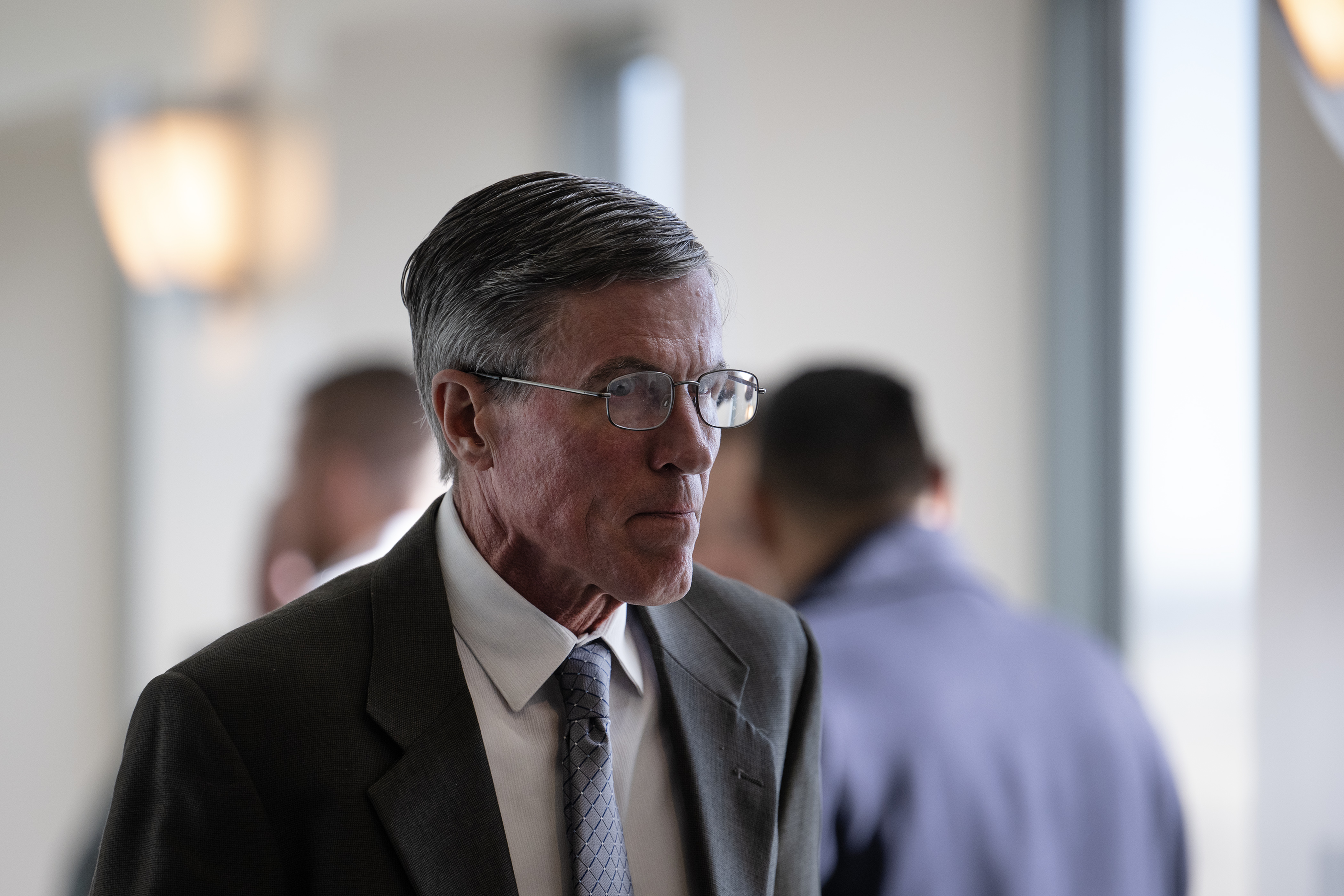
McClain died a few days after three Aurora police officers stopped him as he walked home from a convenience store the night of Aug. 24, 2019. During a struggle they took McClain to the ground, handcuffed him and one used a neck hold that restricts oxygen flow to the brain. The paramedics at the scene now facing trial, Jeremy Cooper and Lt. Peter Cichuniec, later decided to give McClain a 500-milligram dose of the sedative ketamine.
He went into cardiac arrest and stopped breathing within a few minutes of receiving the injection. Prosecutors argue there was no reason to administer the ketamine to McClain, who had largely gone unresponsive by that point. Prosecutors say Cooper and Cichuniec made the decision without speaking to the victim or assessing him themselves, only asking an officer if the young man spoke English.
“Based on your review of all the materials, did you form an opinion to a reasonable degree of medical certainty whether or not the paramedics’ administration of ketamine to Elijah McClain caused him serious bodily injury?” Assistant Attorney General Ann Joyce asked Robinson.
“Yes,” Robinson said.
“Did you form an opinion, to a reasonable degree of medical certainty, whether or not there was a medical or therapeutic reason to give ketamine to Elijah McClain on August 24, 2019?”
“I didn’t see a medical reason to give ketamine to Elijah McClain,” Robinson replied.
Prosecutors have presented experts who believe McClain’s struggle with police led to a cycle of low oxygen, increased acid in his blood and vomiting, which he inhaled. The struggle made him more vulnerable to the ketamine, doctors have said.
Cooper and Cichuniec each face charges of reckless manslaughter, criminally negligent homicide and three counts each of second-degree assault. They have pleaded not guilty.
The assault charges include assault causing serious bodily injury, assault with a deadly weapon (ketamine) and illegally administering the sedative without consent.
At the time, Aurora paramedics were trained to administer ketamine to patients believed to be suffering from “excited delirium,” typically described as an onset of characteristics such as extreme strength, aggression and paranoia. Medics were trained the condition could lead to sudden exhaustion and death of the person without intervention.
The police officers who stopped McClain described him as having extreme strength, that he was “on something,” and one officer said he tried to grab another’s gun.
Robinson said he saw no evidence McClain suffered from excited delirium, which is a controversial diagnosis and not recognized by several major medical societies.
In particular, Robinson said, video footage of McClain buying iced tea at a Shell convenience store near his home right before the encounter showed the 23-year-old behaving normally.
The tone in the courtroom grew tense late in the morning as Joyce’s questioning started to veer into what could have been done at the scene to intervene. The paramedics’ defense attorneys objected, since Robinson was allowed in as an expert in “pre-hospital” care.
“He doesn’t have any training or experience of this subject, Your Honor,” Michael Lowe, one of Cichuniec’s attorneys, said angrily.
“But he does have training and experiences when patients have been affected by a sedative,” Joyce replied.
“We’re going to take a recess; let everybody settle down a little bit. We’re getting off track,” Warner said.
The paramedics’ defense attorneys had also objected to Robinson’s qualifications as an expert in excited delirium and cause of death. Court records show Robinson testified to the grand jury that indicted the paramedics they contributed to McClain’s death by failing to properly assess and monitor him.
But Cooper and Cichuniec’s defense attorneys got a small victory when Warner agreed not to allow Robinson to testify to the jury Tuesday about McClain’s cause of death, given that Robinson’s medical work has not included making that kind of determination since an internship about 20 years ago.
Mike Pellow, one of Cooper’s defense attorneys, zeroed in on the fact that Robinson has not worked as an emergency medical technician since his experience in college. He also pressed Robinson to confirm findings in a study he reviewed that the amount of a ketamine dose has a low correlation with respiratory depression.
“I think you testified during direct there’s a weak correlation between dosage and respiratory depression. Did I understand you right?” Pellow asked.
“Yes, you did understand correctly,” Robinson said.
However, Robinson clarified the study focused on young children and on a lower per-unit dose than McClain received, and didn’t believe it’s applicable to McClain’s situation. There is no “ceiling effect” for ketamine’s side effects, he said.
Cooper and Cichuniec’s trial will resume Wednesday morning with testimony by Roger Mitchell, a Washington, D.C.-based forensic pathologist who has previously testified he believes McClain’s death was a homicide.
The paramedics are the last two of the five men indicted in McClain’s death to go to trial. In the first trial, a jury returned a split verdict for Aurora officers Randy Roedema and Jason Rosenblatt. Roedema was found guilty of criminally negligent homicide and third-degree assault and will be sentenced in January. That same jury acquitted Rosenblatt of all charges.
A separate jury acquitted Aurora officer Nathan Woodyard.