







Denver dog trainers share winter safety tips for pet owners

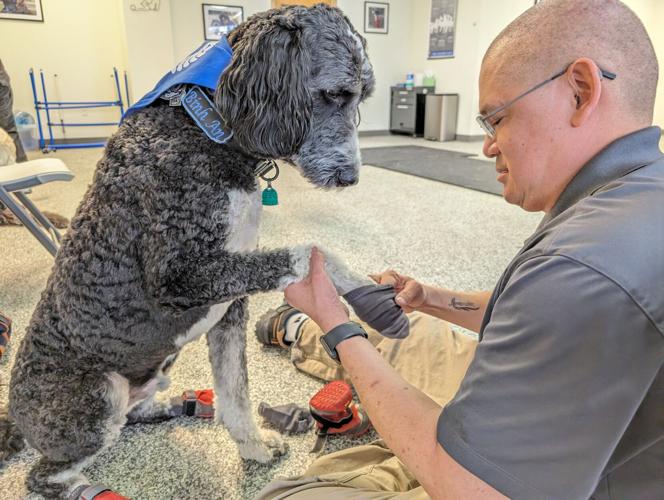
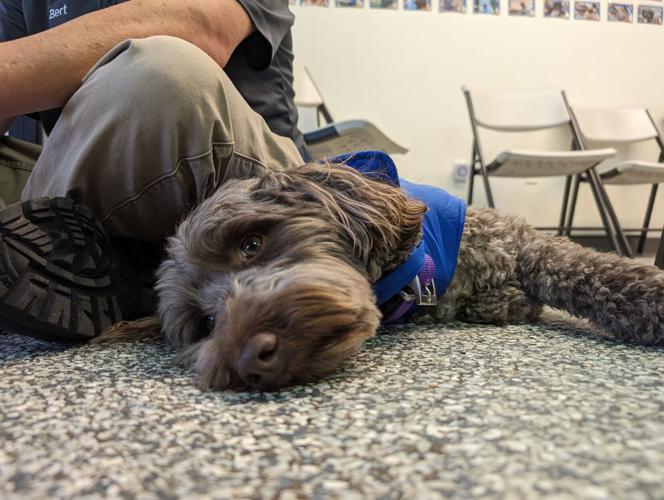
A collection of good pups at Dog Training Elite in Littleton show off their training by posing for the camera in winter jackets. Co-owner Bert Ballard said dog jackets can be a great extra layer of warmth for your dog, especially if they are lighter than 20 pounds or have short hair.
Sage Kelley/Denver Gazette
Colorado winters lead to a drastic shift between warm days and snowy nights, often leaving people confused on what jacket to grab. Dogs, on the other hand, don’t have the luxury of picking out a different coat or stacking on layers.
Sarah Ballard and Bert Ballard, owners of Littleton’s Dog Training Elite, offered various tips to help keep pups happy and safe during the dramatic temperature drops and frigid ice and snow of Colorado’s holiday season.
Exposing dogs to cold temperatures can cause various problems, even if they are built for the winter. Breeds like Siberian Huskies and Alaskan Malamutes can experience hypothermia, dehydration and cracked paws and noses when temperatures get too cold — things the Ballards say to watch out for.
“Firstly, just know where your dog is at,” Bert said. “Some dogs love to be out in the snow. Some dogs like it for 10 minutes and then say they’re done. Some dogs don’t like it at all, like swimming. That’s okay.”
Bert advises to keep an eye on how your dog acts in the snow and cold. If they shake or avoid going outside, it’s easy to assume they’re cold and need some sort of warmth.
The second thing to keep an eye on is temperature, according to Sarah. If temperatures are in the mid-to-low 20s or lower, dogs shouldn’t be outside longer than 15 minutes. The main danger is frostbite on the paws, she said.
For dogs that are going to be walking and playing outside in colder temperatures, Sarah recommends putting boots on them.
“Dogs don’t sweat, they perspire from panting and the pads of their feet,” Bert said. “So, that moisture can freeze and get ice crystals between them. If it’s too cold, they’ll get ice up their legs, too. They don’t know. They’re just playing. That’s why you limit that time.”
Sarah harkens it to a wet tongue on a flagpole.
Boots can help avoid that scenario.
The trainers recommend Ruffwear dog boots due to their quality and longevity. If the dog is having issues with keeping them on, you can cut a hole in a sock or pantyhose and put it on the foot before the boot, helping them stay in place.
If the dog is reluctant to walk with the boots on, Sarah recommends allowing them to wear the boots inside — helping them get used to the new clothing in a comfortable environment. You can even try one paw at a time.
Signs of frostbite include excessive licking and red and painful skin. It commonly occurs between the webbing of the toes and the tips of the ears, according to Hill’s Pet.
If your dog is unwilling to use boots, keep walks to a minimum. If they walk over ice or salt, wipe off their paws when you return home so they do not lick and ingest it, according to Hill’s Pet.
Jackets and coats and sweaters and hats
If your dog does not have a lot of fur, bodyweight or just acts miserable in the cold, Bert recommends getting a jacket.
“I wouldn’t necessarily recommend a different brand or type of jacket. Just an extra layer,” Bert said. “It’s just extra insulation to keep some of that snow and ice off of them.”
“Anytime you take your dog out and within a minute or two they’re shivering, you need a jacket,” he added.
Fur and ears
Long and unwieldy hair can cause ice to get trapped and form, making the dog significantly colder, according to Bert.
“You don’t want to have additional mats or extra hair,” he said. “You want to keep enough hair that they keep warm, but you don’t want to have excess.”
Dogs with excess hair between their toes can trap snow and ice, Sarah said, making paw damage more likely.
When the dog returns inside, the duo recommend looking into their ears and rubbing the ends, especially if they have long hair or ears.
Make sure there isn’t additional water or ice within the ear, possibly leading to damage.
“Some dogs in particular that have ears that don’t stand, they’re more prone to infections if it gets wet in there,” Sarah said. “So, keep an eye on them and dry them when they come in from the snow.”
Fun and exercise
If your dog is scared of the snow, especially if it hasn’t experienced it before, Sarah recommends leading by example.
“Just act like you’re having fun. Show them how positive it is. They’ll follow your lead,” she said.
She also recommends bringing a snowball inside to allow the dog to see and experience snow before tossing them into a whole world of it.
It’s crucial to keep your dog hydrated after winter play, too.
“I see their need for water more in the winter than in the heat,” Bert said. “I think they’re working a lot harder to keep the water they have in. The air is also so dry in the winter. When they come in, they need more water.”
If your pup is unwilling to hang out in the cold, that’s okay, he said. Dogs can get the needed enrichment and exercise from working on obedience training and other games in the warm house.
If they do love to go outside, it can be a great experience for everyone involved if handled responsibly.
“At the end of the day, it’s important to have fun,” Bert said. “Take them outside, run around, throw snowballs. Show them that the snow isn’t something scary.”