








Denver covers transportation costs for nearly 14,000 immigrants

Timothy Hurst/Denver Gazette
The city of Denver has purchased bus, plane and train tickets for almost half of the more than 33,000 immigrants who have traveled to Colorado’s most populous city.
Early in the humanitarian crisis, city and state officials estimated 70% of the new arrivals did not intend to stay in Denver. This is also when officials decided to pay to transport immigrants to their desired final destination.
“I am incredibly proud of the way our city has stepped up to welcome newcomers and provide as many resources as possible to those searching for the American Dream,” Denver Mayor Mike Johnston said in a statement.
As of Dec. 15, officials had purchased about 14,000 tickets for the roughly 31,000 immigrants who had arrived in Denver over the past 12 months. That equates to tickets for about 45% of the immigrants who have come to The Mile High City.
Another 2,000 immigrants have since been welcomed to the city.
“We don’t have the exact figures on how many people are staying in Denver,” Jon Ewing, a Denver Human Services spokesperson, said in an email to The Denver Gazette.
Ewing added: “Some have certainly chosen to leave Denver after exiting shelter and they don’t need to tell us before doing so.”
But that doesn’t necessarily mean the other 55% are staying in Denver, Ewing said.
Denver Human Services has been managing the humanitarian response for the city since lifting the emergency declarations.
As of Friday, Denver has seen 33,325 new immigrant arrivals from South and Central America in the past year.
The response has been felt on multiple levels.
The cost has been immense, $35 million and counting. Despite federal and state grants, Denver taxpayers have assumed the bulk of the costs to feed, clothe and shelter arriving immigrants.
In an update marking one year since 90 immigrants were dropped off downtown at Union Station, Johnston said Denver Public Schools had enrolled about 3,100 immigrant students.
After a decade of declining enrollment, these newly enrolled boosted the district’s population by 1,100 students. In October 2022, the district had 82,558 students. This year the district had 83,701.
But because 900 students, mostly from Venezuela, enrolled after what’s called “the October count” — which is used to determine funding — the district is not expected to get funding for these pupils, a $14 million revenue loss.


Broncos designate LB Drew Sanders for return from injured reserve
Chris Tomasson
chris.tomasson@gazette.com
Updated 35 minutes ago
Broncos linebacker Drew Sanders was back on the practice field Saturday for the first time in 5 1/2 months. Denver designated Sanders to return from injured reserve. He had last practiced July 26 in training camp, when he suffered a...

Chris Tomasson
Reporter

Frozen funds, vetoes and lawsuits: Why Colorado says it’s in Trump’s crosshairs
Thelma Grimes
thelma.grimes@coloradopolitics.com
Updated 51 minutes ago
Colorado Democrats have accused President Donald Trump of deliberately targeting their state, arguing his administration is using federal powers to punish it for its policies and resistance. But whether Colorado is being singled out — and why — depends largely...

Thelma Grimes
Reporter

Kickin’ It with Kiz: Can’t wait to have a latte (or two) with my new bestie Sean Payton
Mark Kiszla
mark-kiszla@denvergazette.com
Updated 2 hours ago
Kiz, you and Sean Payton have got to quit meeting like this. – Walt, giving peace a chance Kiz: Love is in the air! How folks jumped to the conclusion that Payton and I don’t get along is beyond me....

Mark Kiszla
Reporter
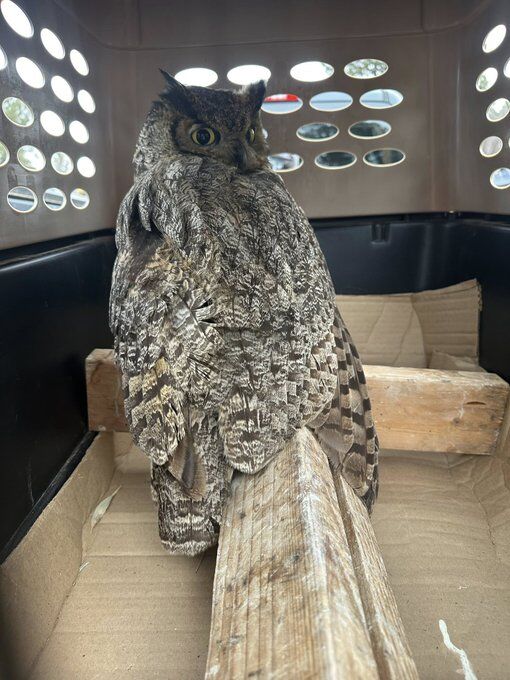
CPW rescues injured owl found at Durango playground
Piper Russell
piper.russell@outtherecolorado.com
Updated 2 hours ago
A young, male great horned owl was rescued by Colorado Parks and Wildlife (CPW) after the injured bird was found at a playground west of Durango on Wednesday afternoon. In an X post, CPW said that officers headed over to...

Piper Russell
Reporter

6 Broncos named All-Pro, including Garett Bolles, Quinn Meinerz, Zach Allen, Devon Key on first team
Chris Tomasson
chris.tomasson@gazette.com
Updated 3 hours ago
It took Garrett Bolles 133 NFL regular-season games to receive the honor he earned Saturday. It took Devon Key only 34 games. Nevertheless, both were among the four Broncos players named first-team All-Pro by The Associated Press. After going 14-3...
Chris Tomasson
Reporter
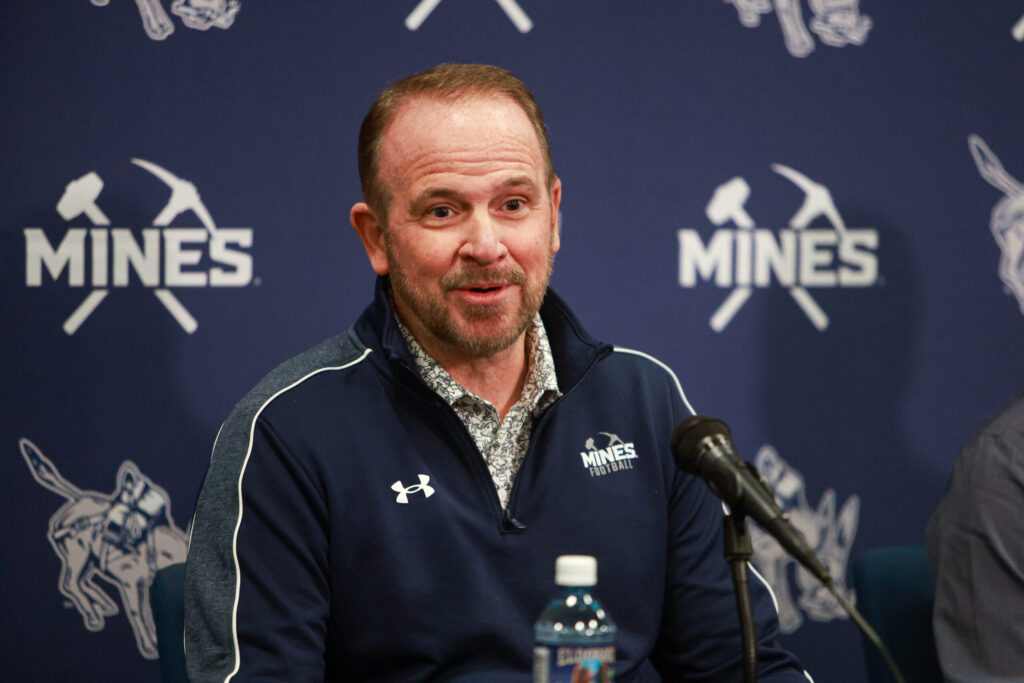
Colorado School of Mines’ Bob Stitt adds McLaughlin as defensive coordinator | Colorado Sunshine
Paul Klee
paul-klee@denvergazette.com
Updated 7 hours ago
Where good news shines Bob Stitt added experience to his football staff at Colorado School of Mines. Scott McLaughlin, who spent 19 seasons at Wayne State in Detroit, was hired at Mines as the defensive coordinator. He will also work...

Paul Klee
Reporter

CU’s Tilde Baangman wins 20K freestyle at U.S. Cross Country Ski Championships | Colorado Sunshine
Chris Schmaedeke
chris.schmaedeke@denvergazette.com
Updated 19 hours ago
Where good news shines Led by Tilde Baangman’s win and Jakob Moch’s second place, the Colorado Buffaloes’ ski team had a strong showing Thursday in the men’s and women’s 20K freestyle races at the 2026 U.S. Cross Country Ski Championships in Lake...

Chris Schmaedeke
Reporter

Colorado ‘un santuario’ for drug activity, DEA chief says
The Denver Gazette
the-denver-gazette@denvergazette.com
Updated 1 hour ago
Colorado’s “sanctuary” laws, notably its prohibition against cooperating with federal authorities, are having a “chilling effect” on law enforcement’s ability to go after drug cartels operating in the state, an official of the U.S. Drug Enforcement Agency said. That situation...

The Denver Gazette
Reporter
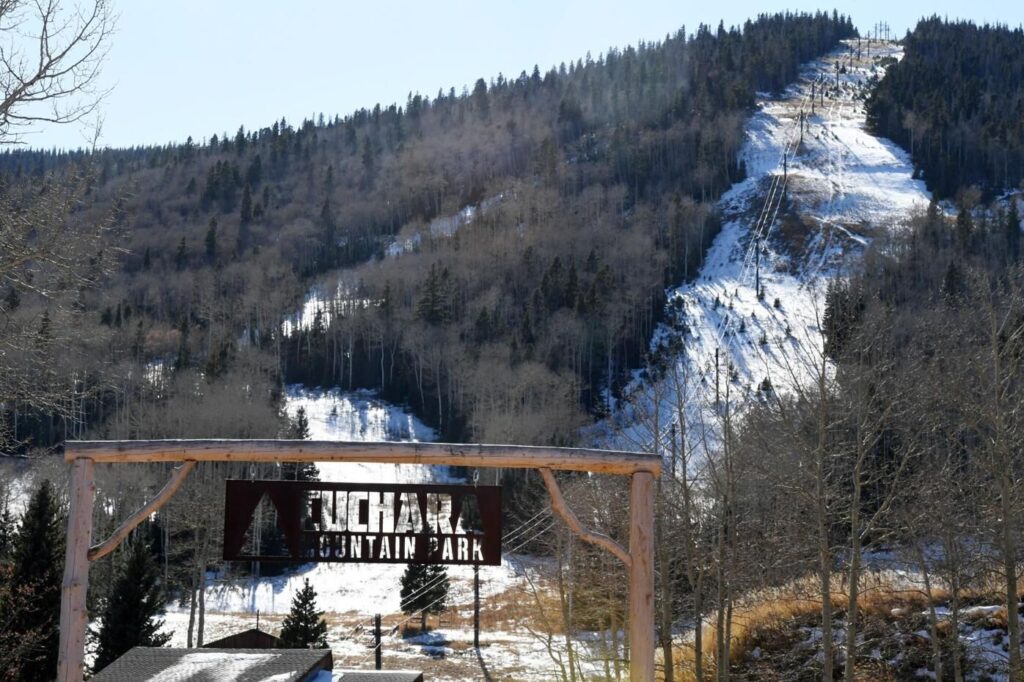
Cuchara Mountain Park announces grand re-opening date for lift-powered skiing
Piper Russell
piper.russell@outtherecolorado.com
Updated 4 hours ago
Cuchara Mountain Park, a historic ski area in southern Colorado, has announced its grand re-opening date, bringing chairlift serviced skiing and snowboarding to the area for the first time in 25 years. In an announcement on Friday, Panadero Ski Corporation...
Piper Russell
Reporter

Nuggets star Nikola Jokic taking small steps toward return from knee injury
Vinny Benedetto
vinny-benedetto@denvergazette.com
Updated 5 hours ago
There was a good reason for the Ball Arena crowd to cheer three minutes into Friday’s game. With a short-handed Nuggets squad enjoying an early 8-5 lead over the Hawks, Nikola Jokic walked out of the tunnel without any sign...

Vinny Benedetto
Reporter