




10 crucial rules laid out in the ‘skier responsibility code’ + four more tips to follow
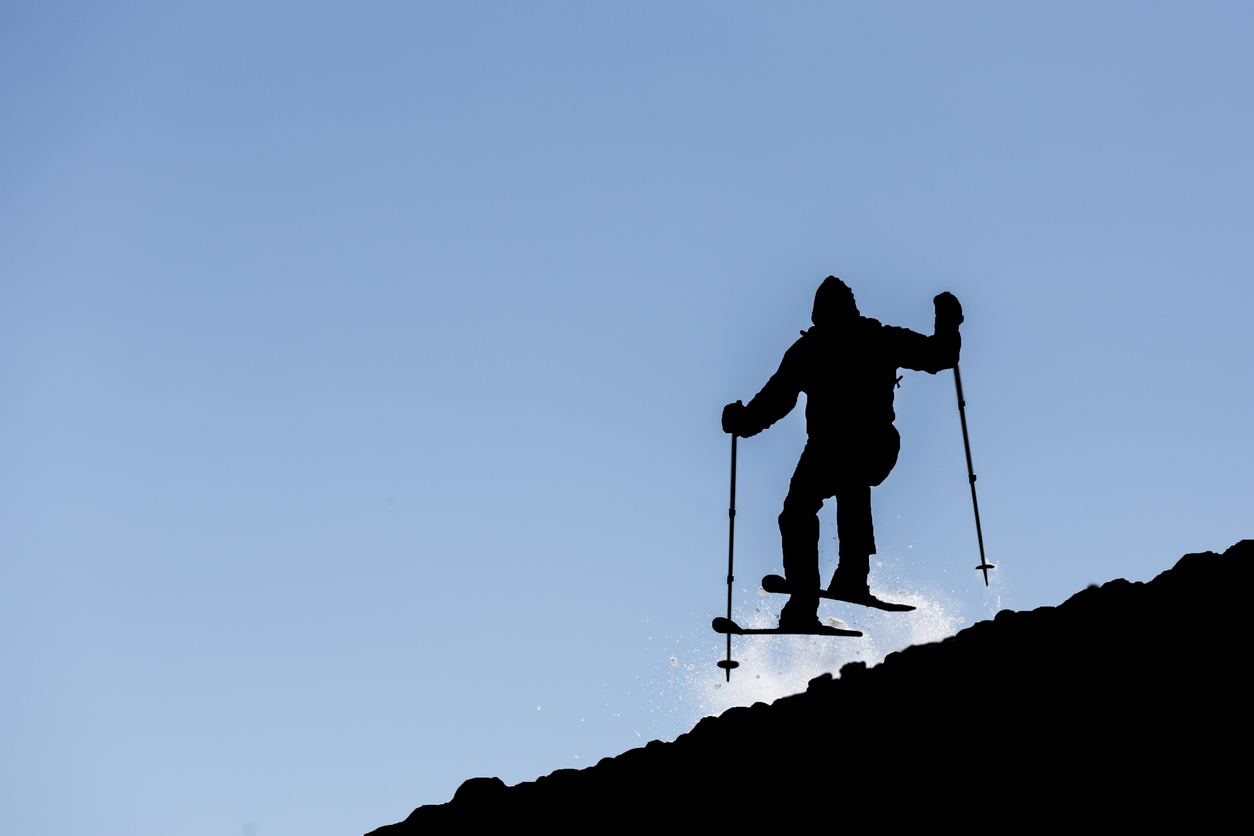
The National Ski Areas Association first developed the ‘skier responsibility code’ in 1962, designed to help make slopesports safer around the United States. The code has gone through numerous changes since, growing from seven key points to the current 10 that exist today. It’s also worth noting that Colorado’s Ski Safety Act criminalizes breaking some of these rules, with violators guilty of a class two petty offense. Civil penalties and other offenses may also stem from violations. Remember, the slopegoer is liable for their behavior on the mountain and acting in any manner that could be deemed reckless may carry serious consequences.
Here’s a breakdown of the 10 rules of the ‘skier responsibility code,’ along with a few other safety and legal pointers:
1. Always stay in control. You must be able to stop or avoid people or objects.
When it comes to staying in control on the slopes, it’s crucial that slopegoers stick to terrain that matches their ability. Getting on terrain that’s too difficult or hitting the slopes when conditions are less than ideal is a good way to get out-of-control fast. It’s also important to remember that speed plays a factor when it comes to staying in control – don’t go too fast, as this can make falls even more dangerous, including adding a level of risk for others on the slope. Just because a skier or snowboarder feels in control while at a high rate of speed, they’ll quickly be out of control should a fall occur. There can be legal and other consequences for failing to stay in control, as skiers and snowboarders are ultimately liable for their behavior on the slopes.
2. People ahead or downhill of you have the right-of-way. You must avoid them.
As a slopegoer is headed down a run, they should be aware of the movements of those downhill when picking a line, especially when traveling at a higher rate of speed compared to those ahead. And remember, skiers and snowboarders can be unpredictable and may not stick to the line it appears they’re following. Be prepared for rapid changes and wipeouts downslope. The best course of action is to give those downhill plenty of space to maneuver freely without unexpectedly crossing into your intended path. At the end of the day, however, it’s the uphill skier that’s responsible for preventing collisions.
3. Stop only where you are visible from above and do not restrict traffic.
This can become a major problem when rolling terrain is involved as hills can hide skiers that may be downslope. Never stop unless there’s a clear line of sight up the slope above and only stop when there’s plenty of space for uphill skiers to plan a path around you with plenty of notice. Stopping in the landing of potential jumps is a recipe for disaster. The best place to stop on the mountain tends to be at the edge of a run with visibility clear in all directions.
4. Look uphill and avoid others before starting downhill or entering a trail.
The point where trails merge or cross can be particularly dangerous. Before traversing across a run or merging onto a run, pay close attention to what’s coming down the mountain from above. Often, those headed downhill will be traveling at a higher rate of speed and popping out in front of them may make an accident difficult to avoid.
5. You must prevent runaway equipment.
Wipeouts are a part of skiing, and it’s important to take preventative steps so that yard sales don’t lead to runaway equipment that goes blasting down the mountain toward other people on the slopes. A snowboard is easy, as this item is literally strapped to the individual, but skis can pop off. Thankfully, there’s a braking device on the bottom of the ski that prevents this piece of gear from continuing its slide down the mountain – the two little rods on each side of the binding that pop downward when the ski comes off the boot. Make sure these are working properly to keep skis near you should one come off your boot.
6. Read and obey all signs, warnings, and hazard markings.
Doing this could literally save your life. All hazards can’t be seen, especially in fresh snow. If something is marked, avoid it, even if it appears like there’s nothing there.
7. Keep off closed trails and out of closed areas.
Not only does this include closed and out-of-bounds runs that are on-resort, it also includes entering private and public lands found adjacent to resort properties where access is not allowed. Whether you’re entering a closed area of a resort or a closed off-resort area, it’s against the law in Colorado.
8. You must know how and be able to load, ride, and unload lifts safely. If you need assistance, ask the lift attendant.
Lifts can be particularly tricky for beginners and everyone will take a fall from time to time. That being said, it’s crucial to understand how to get on, ride, and get off of a lift correctly, for the safety of yourself and others. Lift attendants can help in some cases, as needed, including by slowing down the lift at times to make getting off easier for passengers. It’s also important to use safety bars that provide extra safety support while on a lift. When a lift is cruising smoothly, it can be easy to assume ‘it’s not needed,’ but unexpected stops, gusts of wind, and other actions that cause the chair to bounce can result in a dangerous fall.
9. Do not use lifts or terrain when impaired by alcohol or drugs.
It can be tempting to grab a beer between runs given all of the on-mountain restaurants and bars that tend to exist at many resorts. The big thing here is keeping consumption under control. Remember, ski resorts tend to be at a higher elevation than places most guests live, which can amplify the effects of alcohol. One beer might feel like three or more. It’s also worth noting that while marijuana consumption is legal in many parts of Colorado at the state level, many resorts are on federal land. Plus, the effects of marijuana can make slopesports more dangerous, lowering reaction time and potentially impacting abilities.
10. If you are involved in a collision or incident, share your contact information with each other and a ski area employee.
This one is huge. Never leave the scene of a collision without making sure everyone is alright and exchanging information if necessary. Per Colorado law, if a collision results in an injury, it is required that parties provide their name and current address with an employee of the ski area operator or ski patrol prior to leaving the scene. The only time it’s alright to leave the scene without doing so is to seek help for the injured party, but it’s still required to provide a name and address after that help is secured.
Other rules to follow:
Steer clear of resort equipment
The Colorado Ski Safety Act stipulates that skiers should steer clear of grooming equipment, all vehicles that may be on the slopes, lift towers, signage, and any other resort equipment that might be encountered. Failing to do so is in violation of the Ski Safety Act and could result in injury, death, or penalties.
Don’t ‘borrow’ someone else’s lift ticket or season pass
This is illegal and can result in criminal charges as this is a form of theft. Resorts have been cracking down on this action in recent years. It’s not worth the risk.
Don’t cross ground-based lift tracks
A good example of a ‘ground-based track’ is a T-bar lift, where slopegoers are pulled up the mountain opposed to traveling above the slope on a ski lift chair. Crossing these paths can be dangerous and doing so is in violation of the Colorado Ski Safety Act. It’s also in violation of the act to place any object in the way of the track.
Heed ‘Low Speed Zone’ signage
When a ‘low speed zone’ or something similar exists, it’s there for a good reason. This may be an intersection of runs, a high presence of lower-skilled skiers, an unexpected hazard, or a lack of visibility, such as at a blind turn or a rolling hill. Slowing down can be key when it comes to preventing accidents and collisions.
Read more about the ‘skier’s responsibility code’, technically called ‘Your Responsibility Code’ here. Find rules related to Colorado’s Ski Safety Act here.
Get OutThere
Signup today for free and be the first to get notified on new updates.
PREV
PREVIOUS

45-degree temperature swing results in rare 'first-time' weather experience in Denver
In the weather world, there’s a term you probably haven’t heard before – ‘WeatherGami,’ and it deals with how often a specific high temperature of the day is matched with a specific low temperature of the day. It’s perhaps best described by the graph shown at the top of this article, which depicts a series […]

A rare chance for groomed cross-country ski trails in Pikes Peak region
“It’s back!” read a recent Facebook post from Mueller State Park. “It,” meaning corduroy. The Teller County park is once again using UTVs to drag tracks and groom three trails well-suited for the cross-country skier: Black Bear Trail and others around the Grouse Mountain and Conifer Ridge campgrounds. Another trail recently joined that usual groomed […]