




7 tips for a better stargazing experience in Colorado
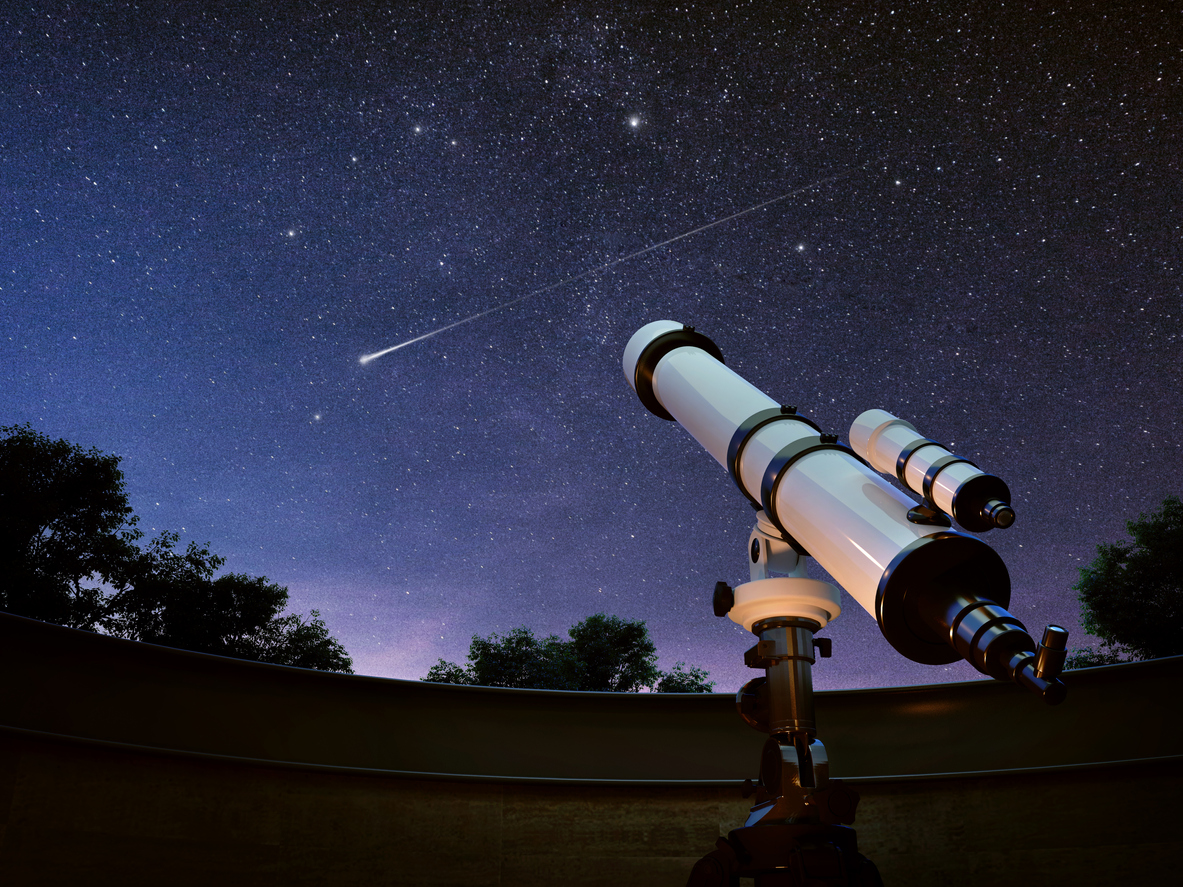
Given its ample and accessible high elevation terrain, there’s perhaps no better place to go stargazing than in the state of Colorado.
Here are seven tips that will help enhance your stargazing experience:
1. Pick a good location
Choose a place that’s unobstructed by other houses, tall buildings, trees, and other things that obstruct you view of the sky. Also avoid places with light pollution from nearby streetlights, shops, houses, etc. Try checking out nearby parks or other open spaces.
Coloradans are lucky in that terrain features, like massive mountains, can do a great job of blocking out city lights, thus making the stars easier to see. It’s also worth noting that heading to a higher elevation can help enhance the viewing experience, as this can mean escaping denser low elevation air that contains haze, fog, and smoke.
2. Turn off any lights in your vicinity
Obviously, lights will inhibit your stargazing experience, so make sure they’re all turned off. That includes indoor and outdoor house lights, car lights, and any light from technology. Even a single cell phone or headlamp can impact the star viewing experience.
3. Let your eyes adjust
It’s important to let your eyes adjust to the darkness to best see the stars. The Space Center recommends not looking at your phone or any other screens twenty minutes before embarking on your stargazing adventure. Turning your screen brightness down or screen red will also help your eyes adjust and see the stars better.
4. Check the forecast
Make sure you choose a clear night for stargazing. Nothing will ruin the experience like clouds rolling in just as you start to search for the stars. One good source is the Snow-Forecast.com Colorado cloud forecast map.
5. Take your time
Take your time observing the differences between individual stars, including their brightness and color. You should also take time to learn constellations so you can spot those as well.
6. Use stargazing apps
There are many apps that will help you locate stars, planets, constellations, and deep-sky objects. Some apps include SkySafari, Star Tracker, Mobile Observatory Free, and Heavens-Above.
7. Be prepared for a chilly night
Remember, even on a summer night, the temperature tends to drop. This temperature swing can be even more exaggerated in higher elevation terrain. Always plan ahead by packing layers and blankets that will extend the amount of time it’s comfortable to sit outside gazing at the stars above.
Get OutThere
Signup today for free and be the first to get notified on new updates.
PREV
PREVIOUS

PHOTOS: Opening Day of State Legislature 2024
10 places to go stargazing in Colorado for an unforgettable experience
From the peaks of the Rocky Mountains to the remote plains, Colorado offers extraordinary opportunities to enjoy the night sky. Here are ten places to stargaze in Colorado. 1. Great Sand Dunes National Park and Preserve As an International Dark Sky Park, the Great Sand Dunes National Park and Preserve provides an otherworldly opportunity to […]