







Faster security lines expected after Denver airport opens new checkpoint
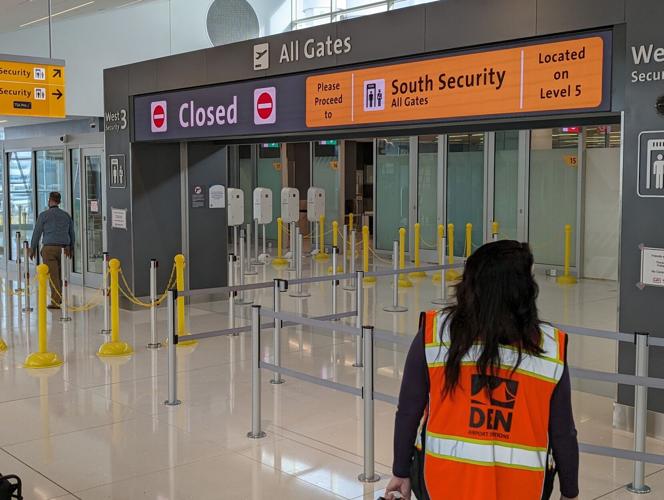
Aubrey Roth, Denver International Airport's terminal operations manager, shows off the new TSA security terminal that will open on Feb. 6. Dynamic, digital signage will be used to direct travelers to the correct lanes and areas.
Sage Kelley/Denver Gazette


Travelers at Denver International Airport can expect faster security lines early next month when the new west Transportation Security Administration checkpoint opens, officials said.
It’s expected to increase security checkpoint efficiency by an estimated 33%.
Almost three years since construction workers broke ground, the screening area — replete with the latest technological advancements — is ready to usher in millions of Colorado flyers a year.
This is the first time that DIA has “been able to design a new checkpoint with the technologies that are available,” TSA spokesperson Lorie Danker said at a press preview event Wednesday.
“So, TSA worked very closely with the airport design team to make sure that this environment could result in the most efficient screening experience for travelers,” Danker said.
As part of the airport’s Great Hall Program, the new checkpoint aims to decrease TSA checkpoint wait times to meet the rising demand at the airport. The state-of-the-art checkpoint will be fitted with new technologies to “build efficiency,” Danker said.
DIA’s new west security checkpoint, on the sixth floor of the airport’s Jeppesen Terminal, officially opens for all passengers on Feb. 6, following a week-long soft launch on Jan. 30 that will see a few of the 17 new security lines opened for a transitionary period between the north security checkpoint and the west addition.
Meeting demand
The idea of creating a new checkpoint with increased technology and decreased idle time started before CEO Phil Washington implemented the Vision 100 plan in late 2021.
Washington’s new plan involved the Great Hall Project, which had begun to upgrade and retrofit the airport to help accommodate the estimated 100 million average annual passengers expected by 2032.
With a significant increase in annual passenger volume averages since the pandemic, the plan was retooled and accelerated.
The airport saw around 78 million-79 million passengers come through in 2023, around five million more than projections, according to DIA.
The $1.3 billion construction project is set to finish right around the end of 2027, officials said.
“We’re on this accelerated timeline to keep up with the growth,” Washington said in a quarterly media briefing on Oct. 4, 2023.
This timeline includes the Great Hall Project, a rebuilding of facilities, such as restrooms, new check-in areas and another new east security checkpoint.
To accommodate the growing number of travelers, the east and west security checkpoints are crucial in helping decrease wait times, officials said.
According to Danker, the 17 new security lanes in the west checkpoint will move around 180 to 200 people through each lane every hour, up from the 130 to 150 at the current checkpoints — 33% more efficient.
This efficiency is built through new tech, officials said.
New tech, new times
The three new west security doors lead to a sterile-white area with new equipment.
Everything from the digital signage giving note to each open lane looks futuristic.
Washington earlier described the concept as akin to “renovating a house” while a resident is living in it.
From the get-go, passengers will not have to show boarding passes to the TSA agents when entering the lanes. The Credential Authentication Technology includes ID scanners and cameras, allowing for a scan of a state identification card or driver’s license to provide the agent with the boarding info.
The tech also takes a photo of the passenger, scanning it real-time to help match with the identification documentation, eliminating the need for agents to compare IDs with the passenger standing before them.
The photos are not stored and are only used for immediate identification, Danker said. Anyone is allowed to opt out of the photo for the traditional agent identification process.
Then, passengers move to the automated screening lanes, fitted with conveyor belts with larger bins. The conveyor system replaces the three bins at the end of the lane, eliminating the need for a TSA worker to stack them and move them back to the front of the line.
Danker pointed toward automated screening lanes, calling it the latest technology in terms of getting through checkpoints. Having the technology at every lane is a “huge plus for us,” she said.
“In every step of this checkpoint, we made sure that we were able to work with the airport to have the latest technologies to make sure that, when it came to options, we found the one that was most efficient,” she said.
The passenger’s bags and items will then go through a new computed tomography (CT) scanner that generates a 3D image of the carry-on contents. The image is checked by an officer in a remote room. Bags that need further searching will then be automatically redirected to another lane.
Due to the detailed imaging of the CT scanners, electronics and travel-sized liquids will no longer need to be pulled from bags, improving efficiency, officials said.
New passenger screening technologies, bottle liquid scanners and explosive trace detectors will also be present, speeding up the overall operation, officials added.
“A lot of this technology has existed in different places but kind of single standing in the airport,” Aubrey Roth, Denver International Airport’s terminal operations manager, said. “So, now we’re bringing it all together into one complete system. We’re really excited to see what that can do for us and produce for us operationally.”
What’s next?
The opening of the west terminal sets the next phase of Great Hall renovation plans in motion.
The north security checkpoint will officially close on Feb. 6, ushering in the airport’s next construction project — a new checkpoint identical to the west on the east side of he terminal.
The east checkpoint is expected to be finished and opened by the end of 2025, officials said, adding that opening will then help the airport transition out the south checkpoint over time — eventually leading to just the east and west.
The west checkpoint will be open from 4 a.m. to 7:30 p.m. daily for standard flyers, along with precheck and specialty program passengers. The south security checkpoint will remain the airport’s 24-hour operation.
“I think people should be excited and ready to embrace change. It’s going to look a little bit different. It’s going to feel a little bit different, but I think it’s going to enhance the passenger journey,” Roth said. “Just be open-minded to give it a go and I think on the backside people are going to be like ‘that was awesome.’”

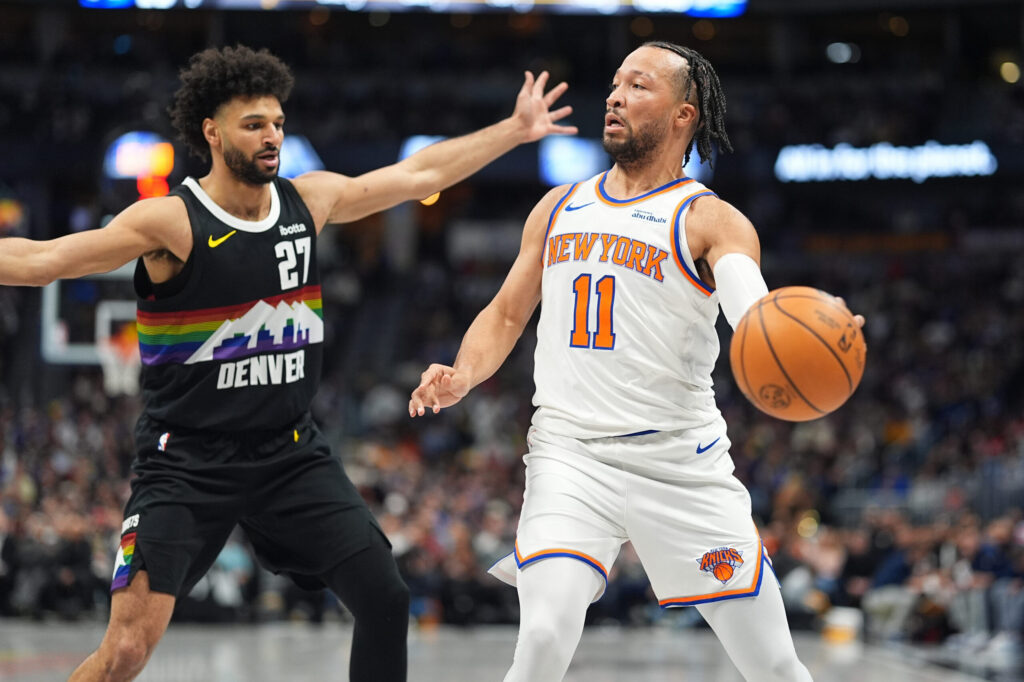
Nuggets’ starting five reunion spoiled by Jamal Murray injury, historic blowout loss to Knicks, 142-103
Vinny Benedetto
vinny.benedetto@gazette.com
Updated 55 minutes ago
If health is wealth, the Nuggets weren’t rich for very long. A 142-103 loss to the Knicks on Friday at Ball Arena marked the first time Denver’s opening-night starting five — Jamal Murray, Christian Braun, Cam Johnson, Aaron Gordon and...

Vinny Benedetto
Reporter

Johnny Hicks’ shutout leads shorthanded DU Pioneers past Miami (Ohio) in Game 1 of NCHC playoffs
Tyler King tyler.king@gazette.com
tyler.king@gazette.com
Updated 2 hours ago
Johnny Hicks’ 23rd and final save of the night was arguably the biggest of his freshman season. The thud of a puck bouncing off the left pad of the Denver freshman goaltender was quickly overpowered by the cheers of an...

Tyler King tyler.king@gazette.com
Reporter

Valeri Nichushkin gets his swagger back as Avalanche mount epic comeback to beat Stars, 5-4
Evan Rawal
evan.rawal@gazette.com
Updated 2 hours ago
DALLAS – On the day the Avalanche brought back Nazem Kadri, their Choo-Choo train might have gotten his swagger back. Down a goal with less than a minute remaining, Valeri Nichushkin scored just his second goal since the calendar flipped...

Evan Rawal
Reporter

Chris MacFarland understood the assignment bringing Nazem Kadri back to Avalanche | Evan’s take
Evan Rawal
evan.rawal@gazette.com
Updated 3 hours ago
DALLAS — Chris MacFarland didn’t completely empty the cupboard, but it’s looking pretty bare right about now. That’s the cost of doing business as a contender in the NHL. “We’re going to leave no stone unturned,” MacFarland said earlier in...
Evan Rawal
Reporter

Deion Sanders, Colorado still mourning loss of Buffs QB Dominiq Ponder
Tyler King tyler.king@gazette.com
tyler.king@gazette.com
Updated 4 hours ago
Deion Sanders had trouble uttering Dominiq Ponder’s name. The Colorado coach spoke with the media Friday for the first time since the death of the 23-year-old Buffaloes quarterback, who was involved in a fatal single-car crash early Sunday morning in...
Tyler King tyler.king@gazette.com
Reporter

Nazem Kadri returns home as Avalanche reacquire Stanley Cup-winning center
Evan Rawal
evan.rawal@gazette.com
Updated 2 hours ago
DALLAS — It turns out you can go home again. After multiple reports that the Colorado Avalanche and Calgary Flames couldn’t reach a trade agreement this week, both sides finalized a deal just before Friday’s deadline that brings Nazem Kadri...
Evan Rawal
Reporter

Air Force women hope experience, intangibles unlock run in the MW Tourney
Brent Briggeman
brent.briggeman@gazette.com
Updated 4 hours ago
Little tangible evidence suggests a run might be in the works for the Air Force women’s basketball team in the Mountain West Tournament. But this is the time of year for intangibles to work their magic, and that’s the hope...

Brent Briggeman
Reporter

Broncos plan to bring back Devon Key, Dondrea Tillman, Jordan Jackson, won’t tender Lucas Krull
Chris Tomasson
chris.tomasson@gazette.com
Updated 4 hours ago
The Broncos plan to do the obvious and bring back all four of their exclusive-rights free agents. Sources said Friday the Broncos plan to place one-year, $1.075 million tenders on safety Devon Key, outside linebacker Dondrea Tillman, defensive lineman Jordan...

Chris Tomasson
Reporter
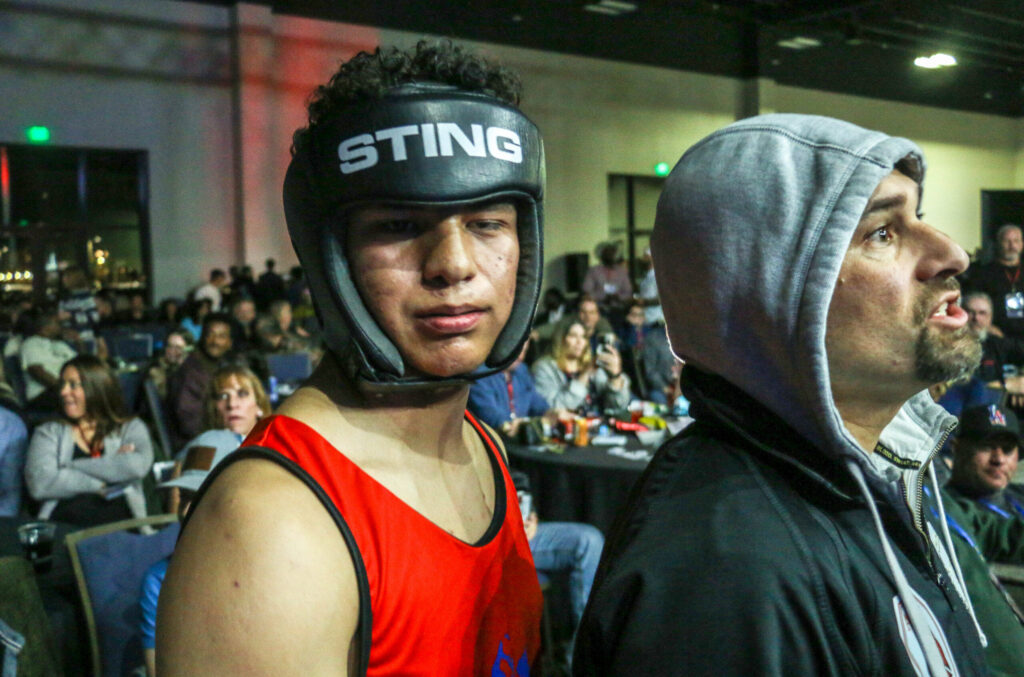
Battle of the Badges connects cops, community and cancer
John Moore
john.moore@denvergazette.com
Updated 8 hours ago
For Aurora and Denver first responders, the gloves come on for a good time and a good cause Guns down, gloves up. That was the mantra last Saturday night for the 30 Denver and Aurora police officers, firefighters, corrections officers...

John Moore
Reporter

Hiker missing overnight in area of state park found walking along I-25
Spencer McKee
spencer@outtherecolorado.com
Updated 6 hours ago
A hiker was missing overnight in the area of Fishers Peak State Park after splitting ways with their hiking group. According to a press release from Colorado Parks and Wildlife, CPW personnel along with local first responders launched a search...

Spencer McKee
Reporter