







Documentary: How Trump won in 2016, and could again in 2024 | Cronin and Loevy
the associated press
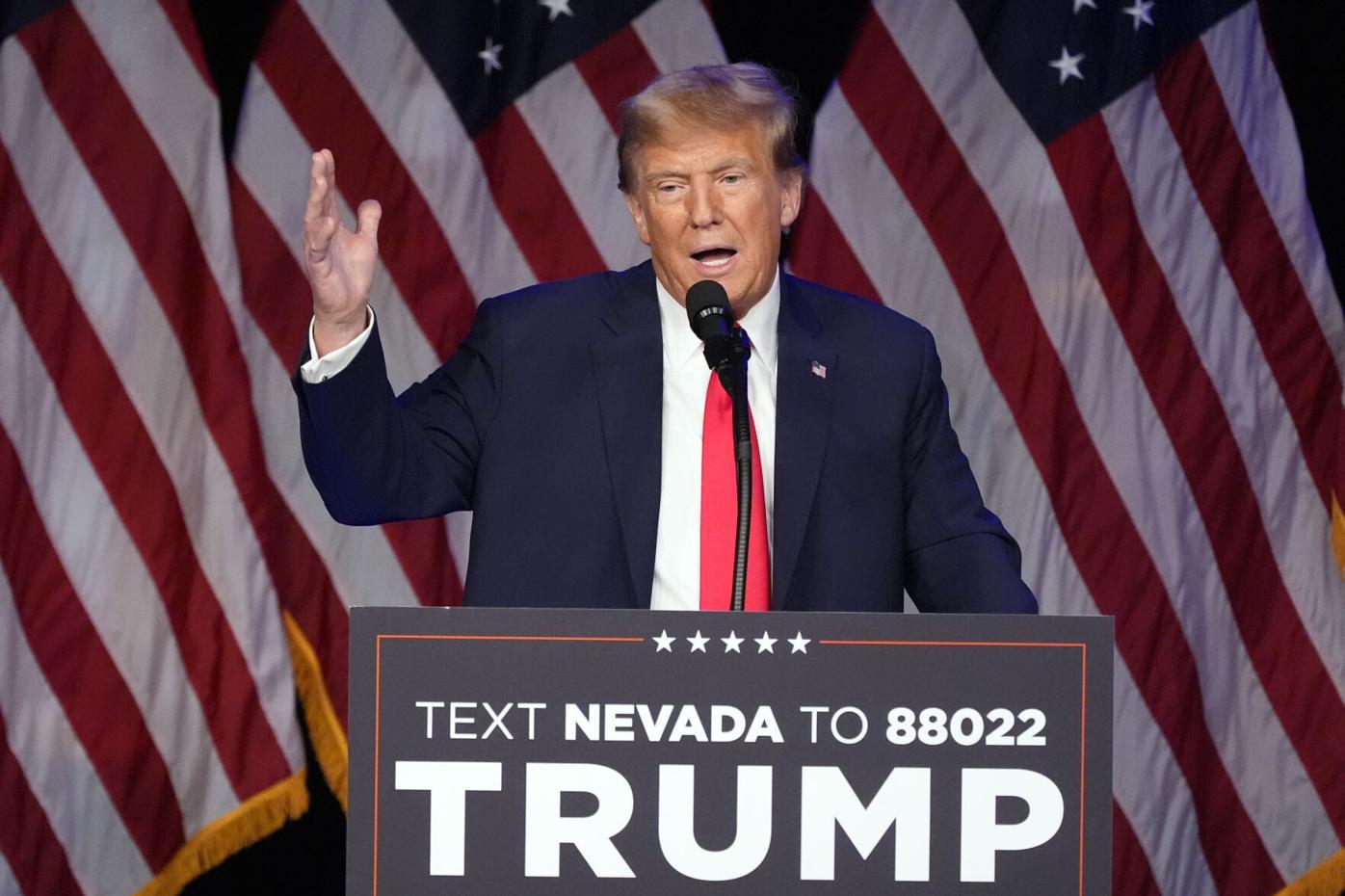
“The Accidental President” is an American-made low-budget documentary film by British filmmaker James Fletcher. It explains how businessman Donald J. Trump captured the Republican Party’s presidential nomination and beat Hillary Clinton in 2016 to become president.
By majority rule, Hillary Clinton won. She captured 3 million more votes than Trump did, but he prevailed in the Electoral College.
Four years later, Trump lost to former Vice President Joe Biden by more than 8 million popular votes. Trump also lost to Biden narrowly in the Electoral College. Yet about 100,000 more votes for Trump in the right states in 2020 would have reelected him.
This documentary is an unbiased effort to explain Trump’s upset victory in 2016. Few people at the time expected Trump to win the Republican nomination, let alone win the presidency.
This film reveals how Trump could do it all again in 2024 and wind up with four more years in the White House.
In 2016, Trump was a celebrity, known primarily for his high-living semi-playboy lifestyle and his hotels. He hosted an NBC reality television series, but he had zero political experience. He had donated campaign funds to both political parties.
His major contribution to public life had been his championing of the complaint that then U.S. Sen. Barack Obama might not be a legitimate U.S. citizen.
He did not invent the so-called birther issue, but he relished becoming a spokesman for that false accusation. And he loved the national attention it brought him.
Few pundits and pollsters believed Trump would beat Hillary Clinton in 2016. She had been a Democratic activist for decades, an impressive first lady, a U.S. senator from New York and a serious presidential candidate in 2008. Then she served for several years as secretary of state under President Obama.
Fletcher’s documentary features interviews with 30 or more political analysts, pundits and pollsters from both major parties. Among his commenters were Aaron Sorkin, Kellyanne Conway, Republican pollster Frank Luntz, John McCain campaign manager Steve Schmidt, Van Jones, Molly Brown and Anthony Scaramucci.
The retrospective verdict on the Clinton campaign is that she was outcampaigned. She was well-prepared, won the debates, and made few mistakes. However, she did make a major mistake in calling Trump supporters “deplorables.” And she made another major mistake in not even showing up to campaign in crucial Midwestern swing states like Wisconsin.
In contrast to Trump, Clinton seemed boring, controlled and cautious. As one journalist quoted in this film notes, her campaign was “all math and no poetry.” She was also hurt by a clumsy FBI investigation about her deleted personal emails while she was secretary of state.
Not discussed in this documentary is that she also was burdened by some of the “baggage” that came along with being the wife of former President Bill Clinton.
Trump was blessed in running against about a dozen candidates for the Republican nomination. He enjoyed greater name recognition than they did. He also had more stagecraft, television exposure and acting ability than any of them.
Second, he was aggressive, pugilistic and a gut-puncher. He gave insulting nicknames to most of his rivals in the Republican primaries, such as “little Marco,” “low-energy Jeb,” “Lyin’ Ted,” and so forth. Later, in the general election, it would be “Crooked Hillary.”
No one seems able to explain how Trump’s disruptive, impolite and rogue combative style became acceptable to his followers. But what is clear is that he attracted more media coverage than anyone else.
The media may not have liked him, but he was great for their ratings. He was a big show. He was entertainment. People kept watching him for the “bad-boy” rants or insults, many of which were negative jabs at the media and commentators.
These retrospective interviews highlight how Trump was skillful in exploiting the anger and angst many groups felt toward Democrats, toward the government in Washington and toward traditional politics. Trump spoke to those who felt left behind by trade agreements like NAFTA, which supposedly lost U.S. jobs to other nations.
He spoke on behalf of those who believed Democrats had become a party that too aggressively favored abortion, gay rights and diversity at the expense of rural Americans, religious Americans, and people who feared being replaced by immigrants and minorities.
This won Trump the unexpected, yet enthusiastic backing of evangelical leaders like Jerry Falwell. They were willing to overlook Trump’s character flaws because of his pledges to nominate conservative Supreme Court judges who would rule in favor of allowing state governments to limit abortions.
Trump also criticized the war in Iraq and signaled his support for a more isolationist “America First” foreign policy. He surprisingly challenged the internationalism of Republicans George H.W. Bush, George W. Bush, Dick Cheney and John McCain. He found that he could attract supporters for his isolationism from both parties and even from left-leaning antiwar Bernie Sanders supporters.
Many people dismissed Trump as just in the race to embellish his brand. The idea was that he really did not want to win this job.
This may have been the case at the outset, but Trump plainly loved the attention of running for president and threw himself into the race with an energy that left his rivals in the dust.
He also built upon the media attention-grabbing role of rallies. He had seen Obama use these events effectively. He perfected these rallies, turning them into events that mobilized his base and attracted enormous amounts of free media.
He and his campaign also used newer social media platforms like Twitter. He developed huge followings that could raise money and generate support among his new coalition of rural Americans, evangelical Americans, working-class Americans and isolationists.
He was remarkably able to merge these new followers with plenty of older Republicans who were traditionally in favor of lower taxes, smaller government and less regulation.
Trump was not interested in offering detailed public policy positions. He realized his greatest appeal to voters came through his ability to play on emotions, fears and anger.
Thus, he had broad slogans such as “Build the Wall,” “Bring our jobs back home,” “Drain the Swamp” and “Make America Great Again.” These slogans telegraphed his messages about failed policies or the changing nature of America. They won him support despite his brashness and even bullying personal style.
He had lived the American Dream. He bragged about how successful he had been, yet he was remarkably able to rebrand himself as a person who could make the American Dream accessible to those left behind or worried about the future of America.
Nearly everyone in both political parties underestimated how effective he would be at achieving his campaign goals.
Trump came to realize that his new role as a disruptive maverick was a potentially winning alternative brand. Hillary Clinton became his convenient foil as an exemplar of the establishment and undesirable policies.
Nobody has adequately explained how a privileged New York “playboy” became the darling of rural, evangelical, and non-college-educated, working-class Americans.
Trump’s central theme was that America needed a stronger, more aggressive leader in the White House. He faulted his rivals for being weak. He stressed the U.S. needed a tougher, bolder and more defiant person to deal with immigrants at our southern border and with terrorists and drug gangs.
Trump admired strong leaders abroad and believed, correctly, that many Americans were so fed up with traditional politics and national bureaucracies that they would support a maverick, inexperienced newcomer like him.
Defiance, Trump style, attracted media attention and an almost cult-style following. Populist nationalism and isolationism were not entirely new in American politics, yet these themes had not attracted large followings since World War II.
Fletcher’s “The Accidental President” (which can be found on Starz and Amazon Prime Video) is not a great documentary, yet it is especially timely now and an instructive reminder of how Trump entered politics in 2016 and transformed the Republican Party. It raises the following question for election year 2024. Can he pull off a sequel?

Battle lines drawn as Colorado considers decriminalizing prostitution
Marissa Ventrelli
marissa-ventrelli@denvergazette.com
Updated 13 hours ago
Battle lines have begun to form at the Colorado state Capitol, where legislators are preparing to tackle a proposal to decriminalize prostitution statewide. Proponents said the proposal — which would eliminate the offense of soliciting for prostitution and the prohibition...

Marissa Ventrelli
Reporter
The First Amendment protects the Second | Jon Caldara
Jon Caldara
jon-caldara@denvergazette.com
Updated 4 days ago
It’s not an attack on the Second Amendment, but the First Amendment. I know this is going to sound crazy but, there was a time when liberals, not conservatives, were the champions of free speech. Today? Now in Colorado it...

Jon Caldara
Reporter
In a meeting Colorado GOP chair Brita Horn calls ‘illegal,’ Republicans vote to demand her resignation
Ernest Luning
ernest-luning@denvergazette.com
Updated 2 days ago
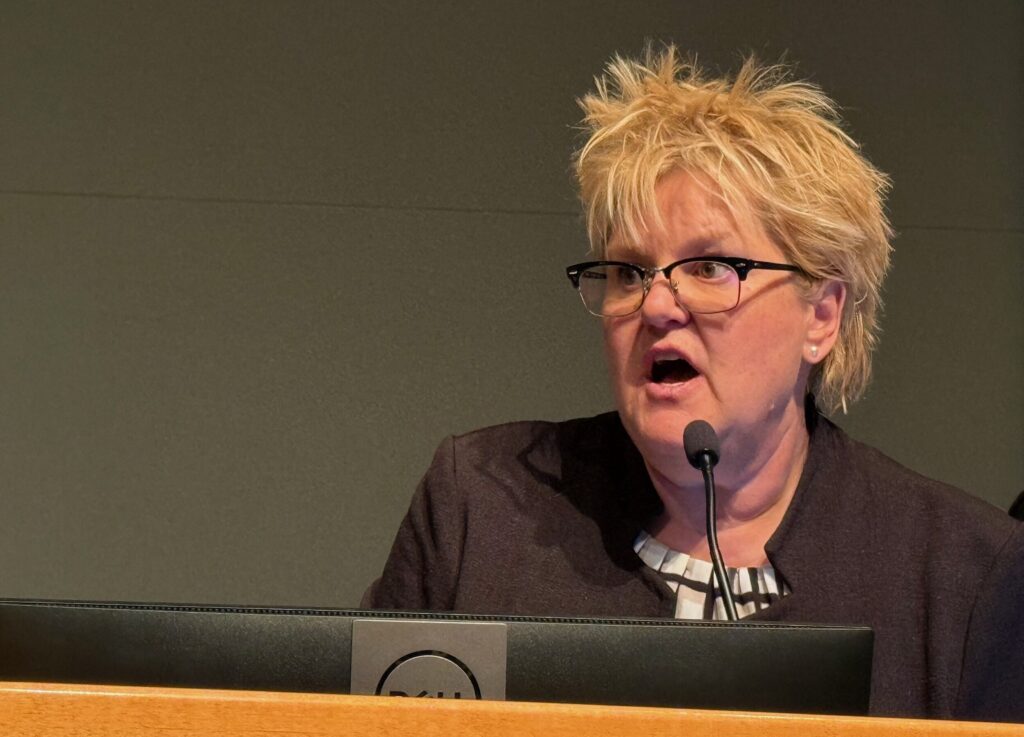
Roughly half the membership of the Colorado Republican Party’s state central committee on Saturday voted overwhelmingly to approve a resolution expressing “no confidence” in state GOP Chairman Brita Horn’s leadership and calling for her immediate resignation in an online meeting...

Ernest Luning
Reporter
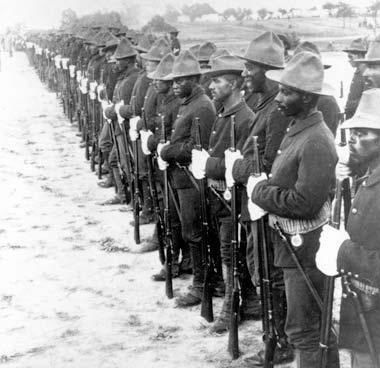
The freest man in Colorado history | Vince Bzdek
Vince Bzdek
vince-bzdek@denvergazette.com
Updated 1 day ago
Every Coloradan should know the story of Buffalo Soldier John Taylor, who fought harder and longer than perhaps any man in our history to be truly free. Taylor’s story stands out above all others in a thought-provoking exhibit about Buffalo...

Vince Bzdek
Reporter
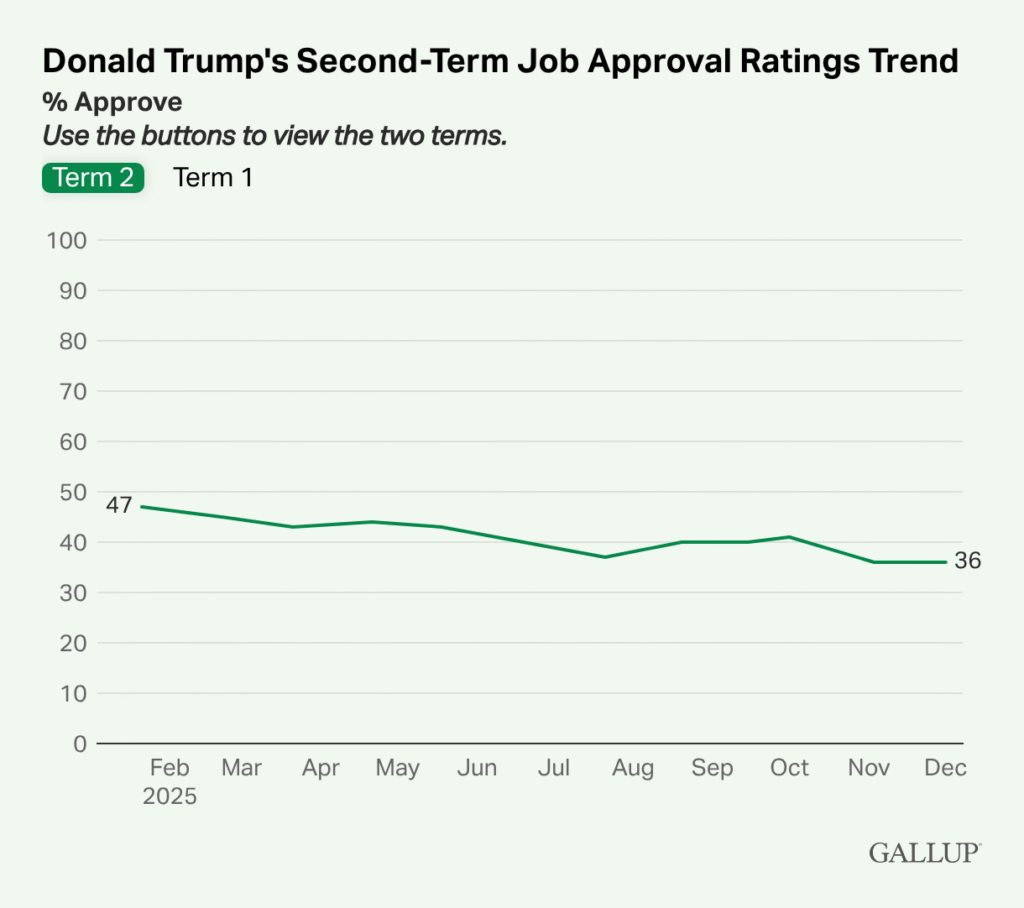
What Gallup polls teach us about presidents | Cronin and Loevy
Tom Cronin Bob Loevy
tom-cronin-bob-loevy@gazette.com
Updated 2 days ago
The Gallup organization, founded by George Gallup, announced on Feb. 11 they will no longer conduct their well-known polls that rate whether Americans approve or disapprove of the way presidents are handling their job. Gallup began these polls in the...

Tom Cronin Bob Loevy
Reporter
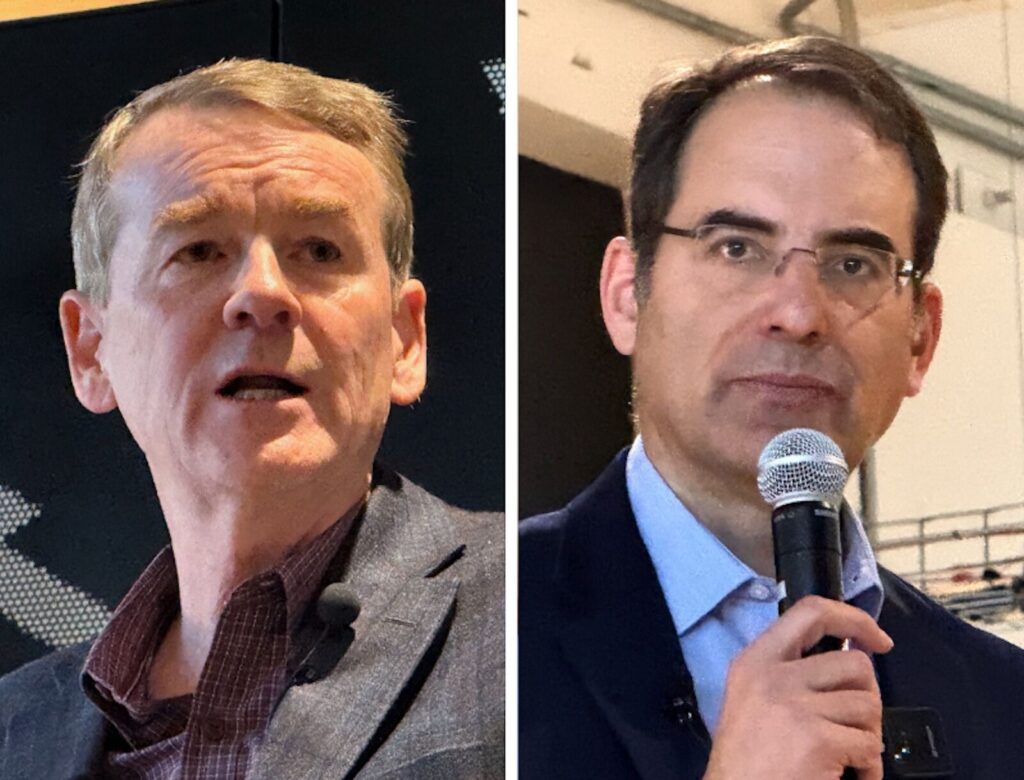
Democrats Michael Bennet, Phil Weiser make their cases to be Colorado’s next governor ahead of primary
Ernest Luning
ernest-luning@denvergazette.com
Updated 3 hours ago
Nearly eight months before ballots will be counted in Colorado’s race for the its open gubernatorial seat, voters are lining up behind two of the state’s leading Democrats, who are facing off in a primary that will likely determine which...
Ernest Luning
Reporter
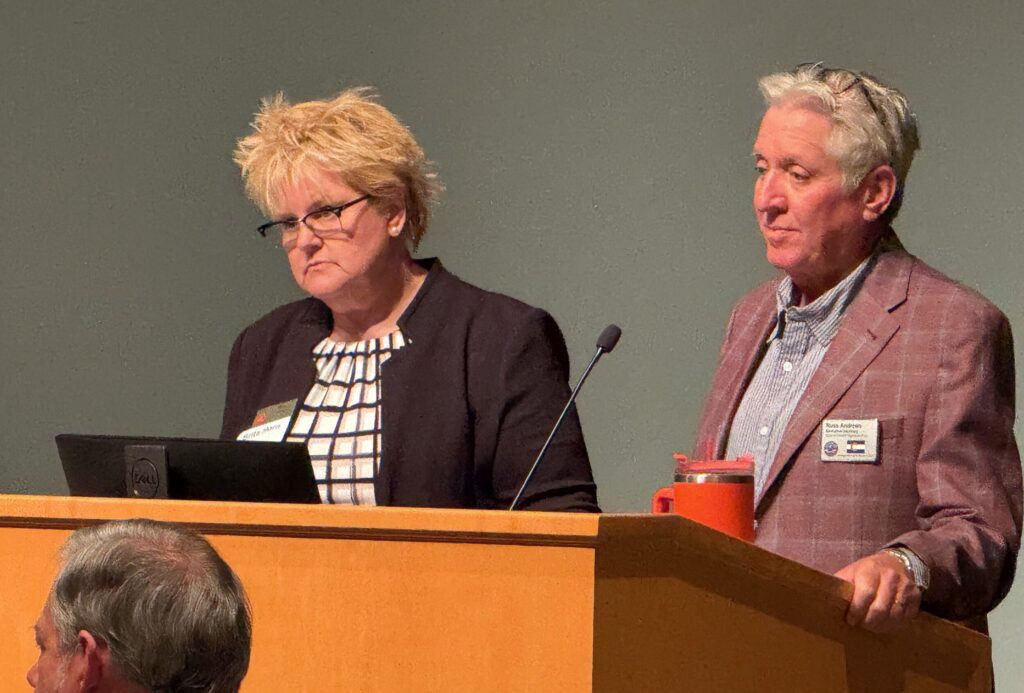
Colorado GOP officers set competing meetings to hold ‘no-confidence’ votes on state chair Brita Horn
Ernest Luning
ernest-luning@denvergazette.com
Updated 2 days ago
Once again, members of the Colorado Republican Party’s central committee have scheduled separate, competing meetings to consider whether the state GOP’s governing body supports its chair, but this time neither meeting will be held under a bridge. State GOP Chair...
Ernest Luning
Reporter
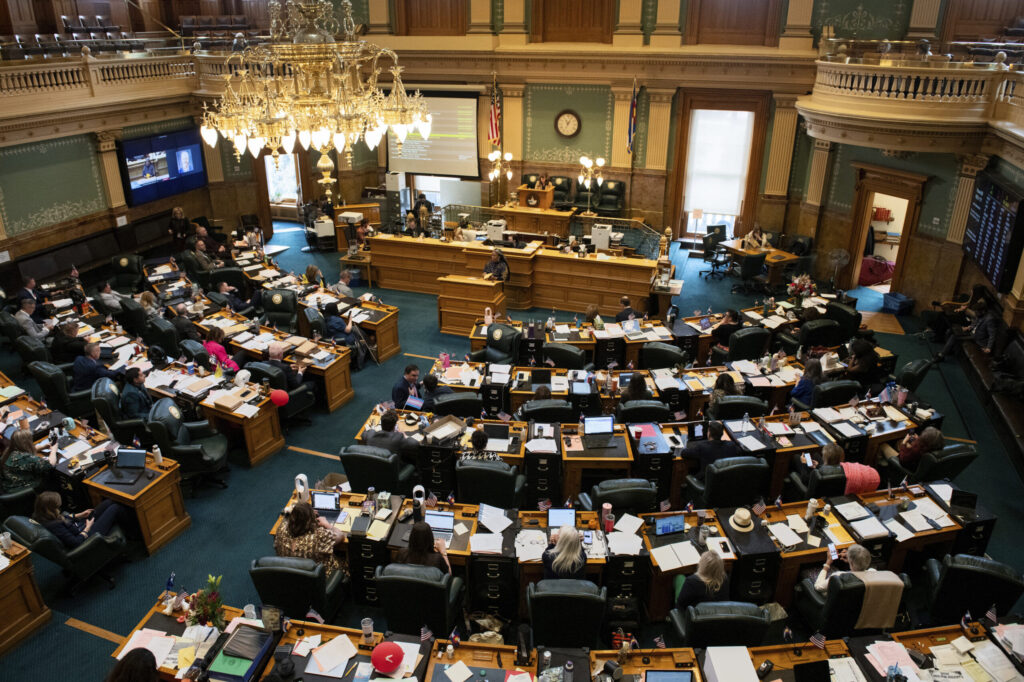
Colorado Democratic candidate submitted 1,600 signatures — only 29 were valid
Marianne Goodland
marianne-goodland@denvergazette.com
Updated 2 days ago
When he turned in some 1,600 signatures last month, Eric Nelson said it demonstrated “strong grassroots support from voters” across the district and a “growing momentum” for his “inclusive, community-centered leadership.” On Thursday, the Secretary of State rejected Nelson’s petition...

Marianne Goodland
Reporter
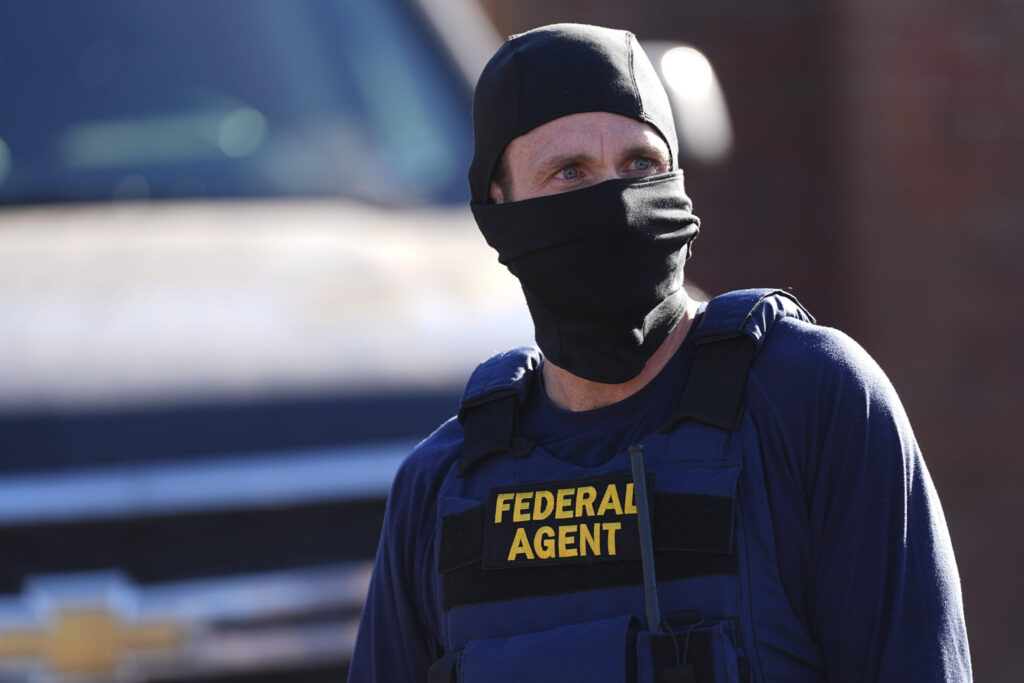
Colorado bill disqualifies former ICE agents from getting job in local law enforcement | Bills in Brief
Marissa Ventrelli
marissa-ventrelli@denvergazette.com
Updated 3 days ago
Colorado lawmakers introduce hundreds of bills each year. Bills in brief cuts through the noise by explaining which proposals matter, what’s at stake, and how decisions at the Capitol could affect everyday life across the state. Colorado legislators are pushing legislation to...
Marissa Ventrelli
Reporter
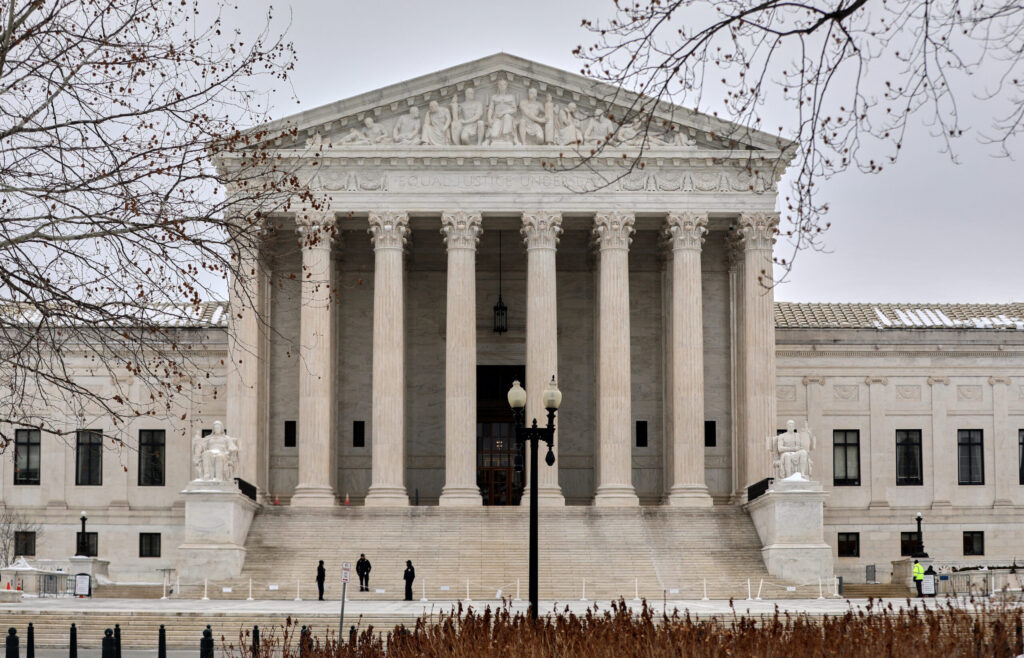
U.S. Supreme Court strikes down Trump’s tariffs, upending central plank of economic agenda
LINDSAY WHITEHURST
lindsay-whitehurst@denvergazette.com
Updated 3 days ago
WASHINGTON • The Supreme Court struck down President Donald Trump’s global tariffs on Friday, handing him a major loss on an issue crucial to his economic agenda. The 6-3 decision centers on tariffs imposed under an emergency powers law, including...

LINDSAY WHITEHURST
Reporter
PREV
PREVIOUS
RNC party leaders: Do not expect a convention showdown to prevent Trump’s nomination
Republican Party leaders will not allow history to repeat of a showdown at the Republican National Convention to prevent former President Donald Trump from becoming the party’s nominee. The party experienced a last-ditch effort from a group of delegates in 2016 trying to prevent Trump from being selected for the Republican presidential nomination. However, party […]

Biden has no preference for running against Haley or Trump in 2024: ‘I don’t care’
President Joe Biden laughed off a question about whom he wants to win the 2024 Republican presidential nomination while speaking to reporters on Tuesday. Biden took one question before departing the White House for a three-day campaign trip to California but declined to say if he would rather run against former President Donald Trump, the likely Republican nominee, or […]