







CU Study: 2020 police pullback led to more crime

FILE PHOTO: A CU Boulder study found that property crime is up in Denver after 2020 saw police pull-back during the George Floyd protests and COVID-19. Here, Denver Police officers arrest a man found to have an outstanding warrant on the 200 block of 15th Street on Wednesday, July 27, 2022, in Denver, Colo. Police initially contacted the man and two others for trespassing on marked private property before finding the outstanding warrant. (Timothy Hurst/The Denver Gazette)
Timothy Hurst/Denver Gazette

Police pullback in response to law enforcement changes in Colorado’s metro areas led to more instances of violence and property crimes, according to a University of Colorado Boulder study.
Still, researchers stressed that more policing is not necessarily the answer.
“It’s an interesting time. The pendulum swung pretty far in 2020 and 2021, but now, in general, people want better policing as opposed to more policing,” said study co-author David Pyrooz, a CU Boulder criminologist with the sociology department.
Pyrooz and other social scientists followed 78 Denver neighborhoods and found that, after police scaled back their presence directly following the killing of George Floyd at the hands of Minneapolis police officer and the COVID-19 pandemic, on average, property and violent crime reports increased 27.1% and 14.3%, respectively.
Results of the research showed that the 2020 numbers varied according to neighborhoods.
For instance, in 2020, violent crime increased in 55 neighborhoods with Central Park seeing the largest increase. Violent crime actually decreased in 23 Denver neighborhoods.
Property crime also increased exponentially during 2020, with Denver seeing a rise in 70 neighborhoods, with Five Points experiencing the largest spike. Eight neighborhoods saw property crime decrease, with Auraria experiencing less than the others.
Authors of the study were surprised that the more upscale Denver neighborhoods saw the biggest crime increase.
“We actually found that police pullback was associated with greater increases in crime in more middle-to-upper class communities,” said Pyrooz.
The authors of the study also noted that those results could be skewed by the fact that “affluent neighborhoods had lower levels of crime to begin with, so any spike would appear larger.”
Study authors added: “Additionally, neighborhoods with higher crime have higher levels of policing to begin with, so larger scale pullback is necessary before policing effects are detectable.”
For the study, researchers considered violent crime to be homicide, robbery and aggravated assault.
Study co-author Justin Nix, who is with the School of Criminology and Criminal Justice at the University of Nebraska-Omaha, said that the findings are important to the assessment of policing in the 21st century.
“That is, our study suggests a certain baseline amount of policing is necessary to ensure public safety, but at the same time, less policing doesn’t always equate to more crime,” said Nix.
The study found that Denver police cut their responses in half in 2020 compared with their presence from the years 2016-2019.
“After Floyd the number of stops and low-level arrests tanked. It was a huge shift in policing,” Pyrooz said.
Jay Hirokawa, who runs a consulting company called A Thin Blue Line, was the police chief in Hudson, Colorado in 2020. He remembers how bizarre that year was for law enforcement.
“The police during COVID reduced active patrol, police contacts went way down to include traffic enforcement almost to the point of lawlessness,” said Hirokawa. “We turned into the old Wild West, and to some degree, we are still at that stage.”
“Instead of cattle rustling we have motor vehicle theft, and the infamous COVID crime of the catalytic converter thefts,” he said.
Hirokawa added that as policing tactics and social norms change, police are often caught in the middle.
“I think a lot of police are hindered by fear right now. They worry that if they pull back, they may get in trouble for it,” he said. “On the other hand, if I stop 20 cars and get two complaints, will that instigate an internal affairs investigation?”
Hirokawa said that more than one internal affairs complaint can be a blight on an officer’s record, whereas a generation ago, complaints proved to superiors that police were doing their jobs.
Pyrooz agreed that “when cops are scared or fearful, it can lead to less policing, and that can lead to reactive policing.”
He said this is when officers don’t take the initiative to pursue the more discretionary activities that cause suspicion, such as an expired license plate. Often these kinds of discrepancies can lead law enforcement to bigger crimes, like a stolen car, he said.
These painful growing periods, Hirokawa said, will adjust for law enforcement just as they have throughout the last century.
“What we ultimately learn each time is that we need the police to keep society in check. There will be more studies, but the police will survive,” Hirokawa said. “We will incorporate new tactics and procedures, reinvent community policing, but little changes in law enforcement. We police society and bad guys at some point will go to jail.”

Nuggets’ Jamal Murray falls short at NBA All-Star 3-point contest
Vinny Benedetto
vinny-benedetto@denvergazette.com
Updated 53 minutes ago
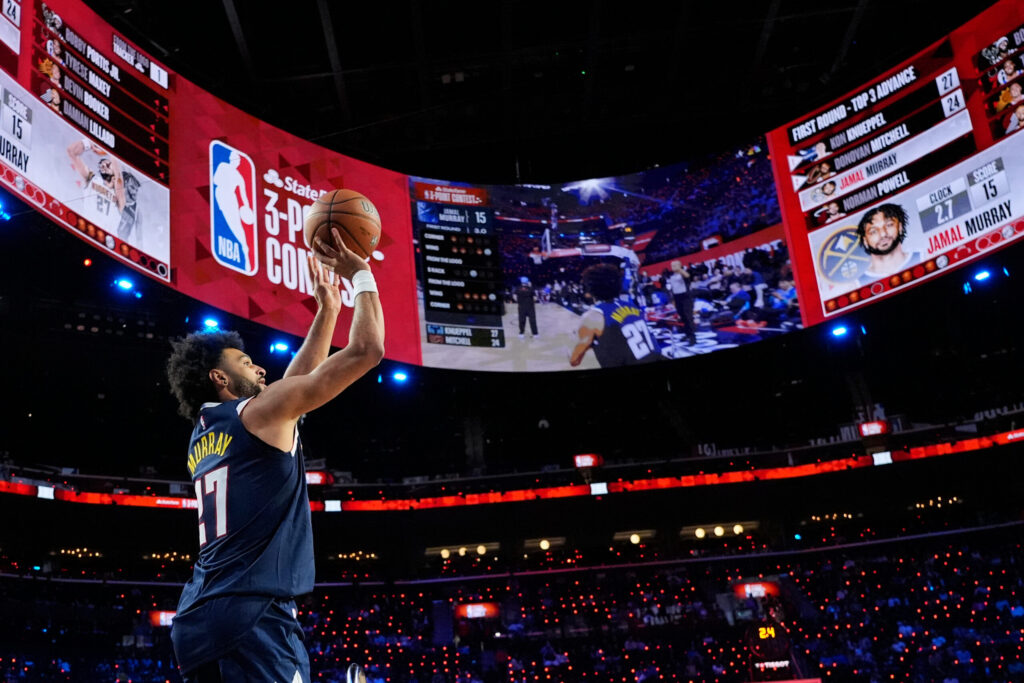
Jamal Murray won’t be adding 3-point champion to his list of accomplishments just yet. The Nuggets’ starting point guard scored 18 points in the first round of the competition on Saturday in Inglewood, Calif., which was not enough to advance....

Vinny Benedetto
Reporter
Woody Paige: Spring nears in Arizona, and Rox feel hopeful
Woody Paige
woody-paige@denvergazette.com
Updated 2 hours ago
For the Rockies, the idiom must be: Spring hopes eternal. The propitious revolutionary rectification of the Whack-A-Mole Roxbottoms has begun in Scottsdale and earnest. Could the long, maddening Monfort nightmare be over for intrepid Colorado Rockies baseball fanatics? Finally, responsible...

Woody Paige
Reporter

From decrepit to opulent: How 20 years of the Ellie Caulkins Opera House has elevated Denver
John Moore
john.moore@denvergazette.com
Updated 2 hours ago
Celebrating two decades since downtown finally got a worthy home for opera, ballet, concerts and more People forget what life was like before the Ellie Caulkins Opera House. When opera fans had to head down to the basement to find...

John Moore
Reporter
Colorado State storms back to beat Wyoming for third straight win
Tyler King tyler.king@gazette.com
tyler.king@gazette.com
Updated 2 hours ago
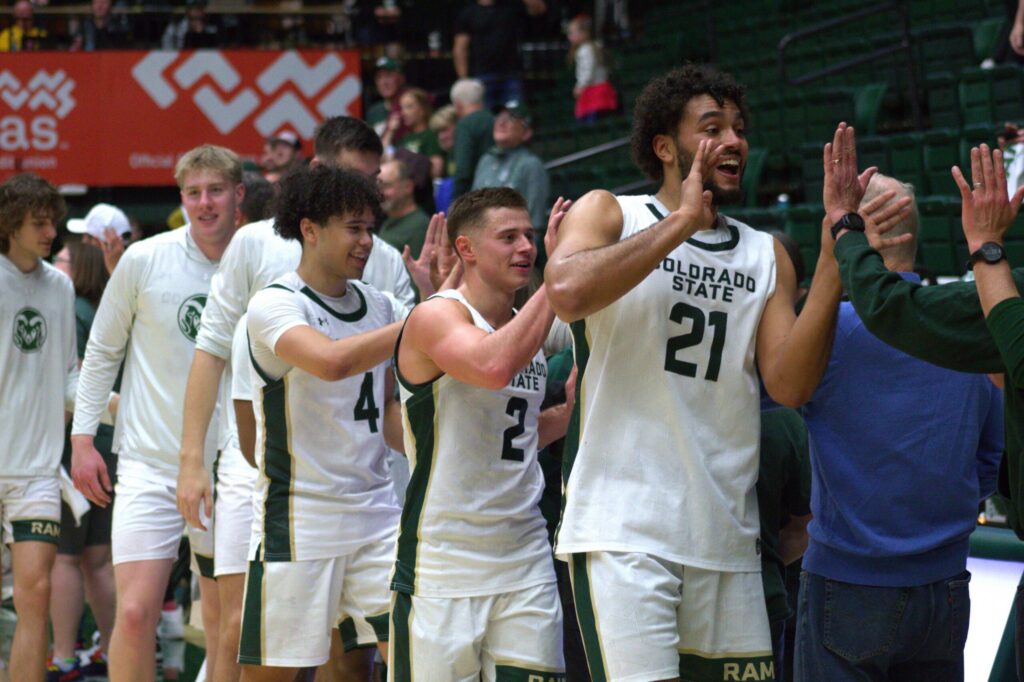
FORT COLLINS — On an afternoon where Colorado State honored a handful of program legends, Jase Butler did his best Jalen Lake impression and Carey Booth did his best Jason Smith. It’s never a bad sign when you’re emulating two...

Tyler King tyler.king@gazette.com
Reporter
Colorado Avalanche Information Center warns of increased avalanche danger over holiday weekend
Piper Russell
piper.russell@outtherecolorado.com
Updated 3 hours ago
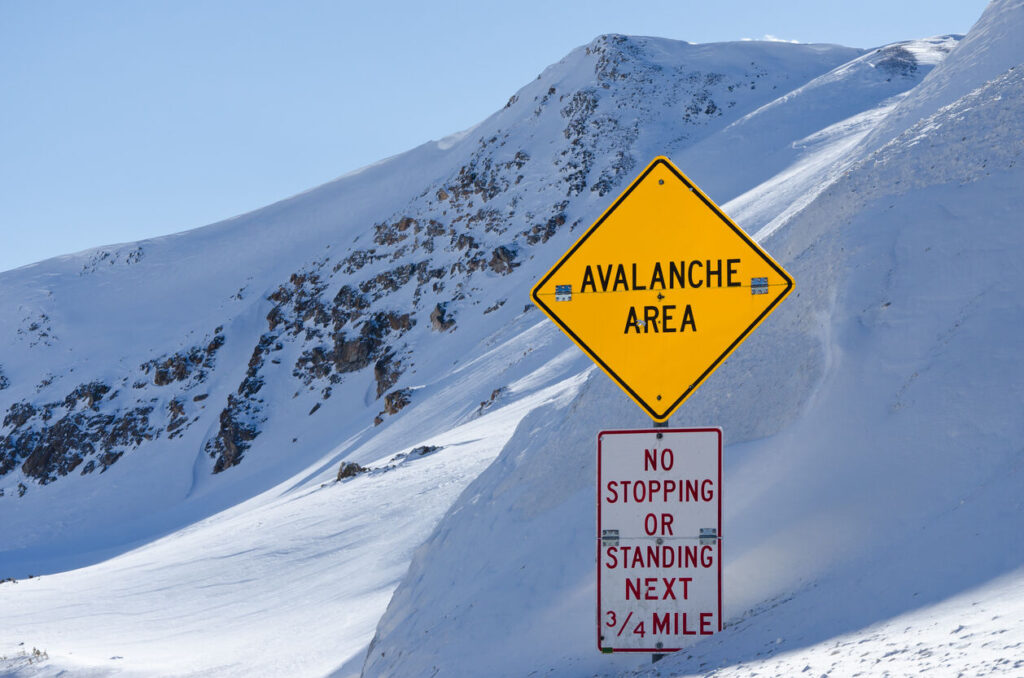
With the new snow that has fallen over Colorado, the Colorado Avalanche Information Center (CAIC) is warning those heading into the backcountry of heightened avalanche risk. According to the CAIC, parts of the northern and central mountains got more than...

Piper Russell
Reporter
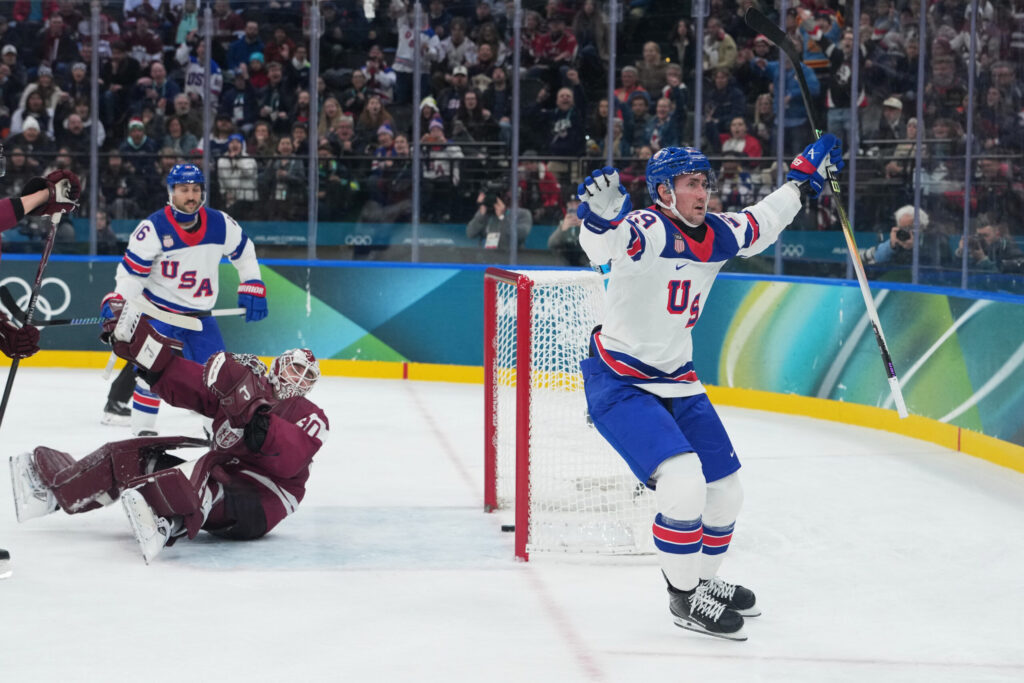
Mark Kiszla: How best little hockey town in USA made it Brock Nelson’s destiny to play in Winter Olympics
Mark Kiszla mark.kiszla@denvergazette.com
mark.kiszla@denvergazette.com
Updated 45 minutes ago
MILAN – The river is frozen hard as granite in the real Hockeytown, USA, where the wind chill out on Muskeg Bay is: Don’t ask. But inside the Nomad Tavern – where if the piping-hot pizza doesn’t warm the cockles of...

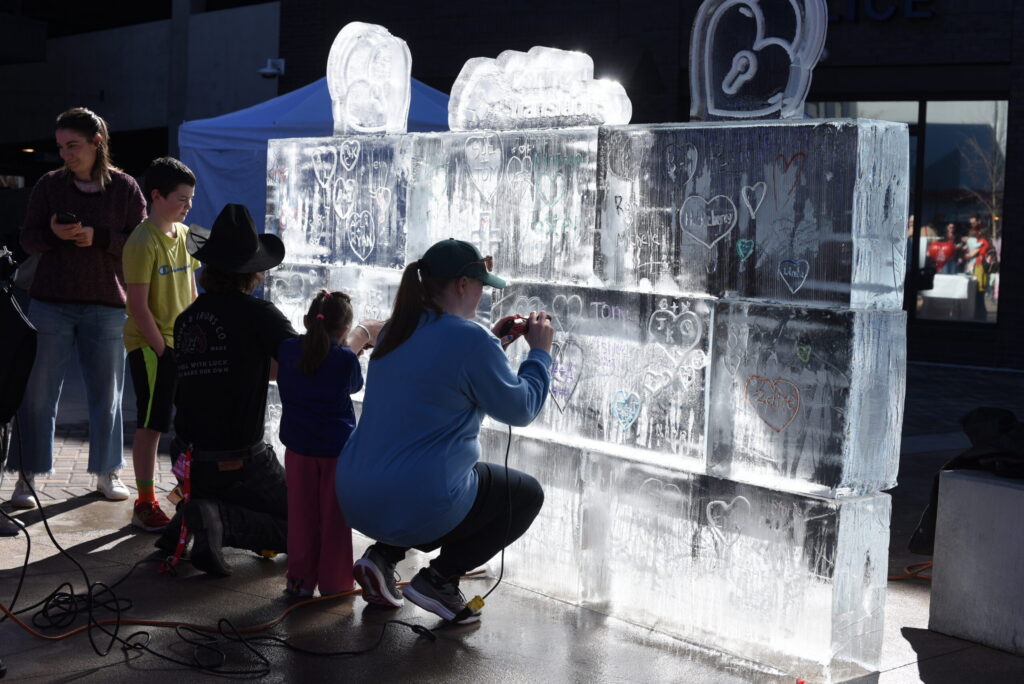
Loveland celebrates sweethearts in annual Valentine’s Day festival
Michael Braithwaite
michael.braithwaite@gazette.com
Updated 4 hours ago
Love was in both the air and the land north of Denver on Saturday. As Americans celebrated Valentine’s Day, Loveland earned its name, hosting its annual Sweetheart Festival. Hundreds of people from all over the Front Range, many wearing pink-colored...

Michael Braithwaite
Reporter

Avalanche at the Olympics: Kiviranta and Finland dominate; USA survives scare
Evan Rawal
evan-rawal@denvergazette.com
Updated 4 hours ago
That chaotic Group B concluded round robin play on Saturday, and a loss by Slovakia ultimately turned out to be a huge victory for them. Sweden defeats Slovakia 5-3 While Sweden ultimately got the win, Slovakia scoring a late goal...

Evan Rawal
Reporter
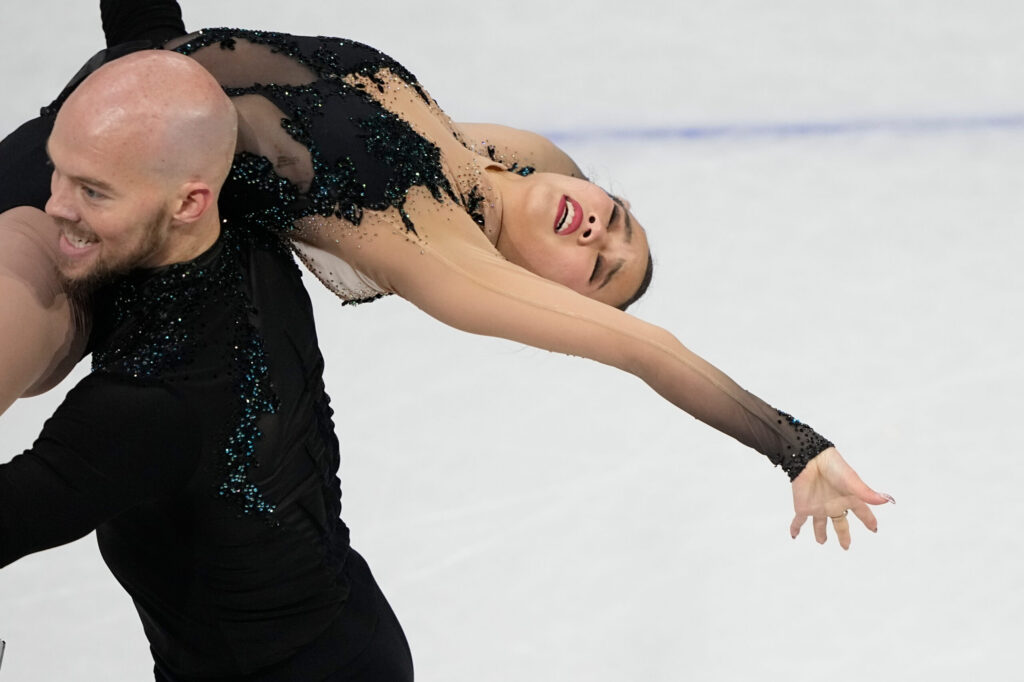
Colorado to Italy: Colorado Springs pairs figure skaters to return to the ice in search of more gold
Brent Briggeman
brent-briggeman@denvergazette.com
Updated 5 hours ago
Tracking Colorado athletes in the Winter Olympics: Colorado Springs pairs figure skaters Ellie Kam and Daniel O’Shea will take the ice at 11:45 a.m. Sunday in the short program. Kam and O’Shea have already earned a gold medal in these...

Brent Briggeman
Reporter
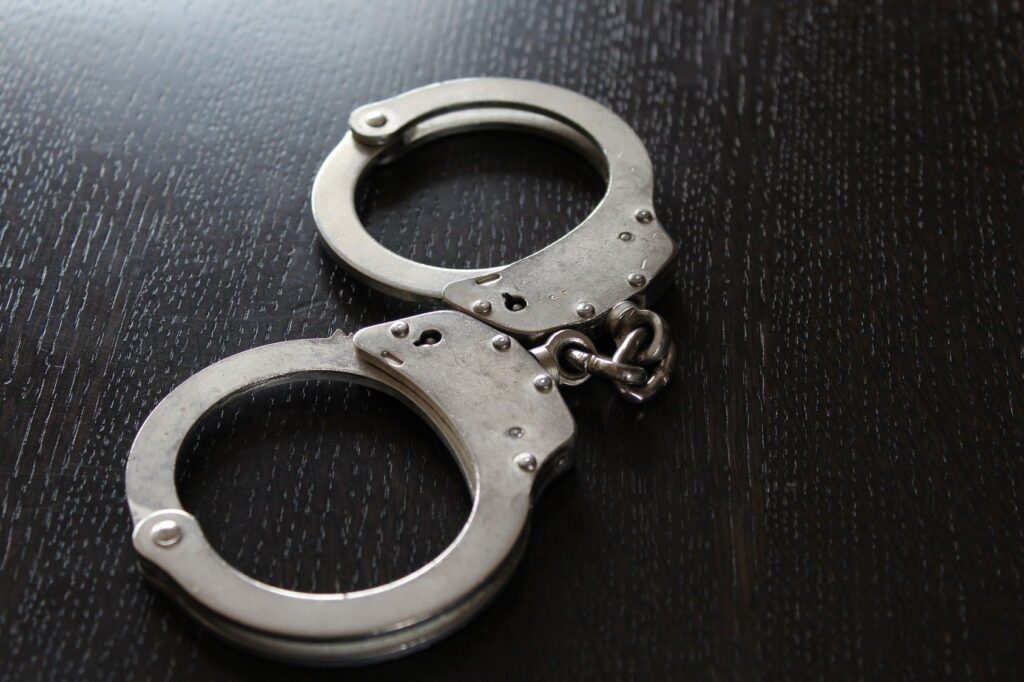
DougCo deputy fired after DUI, careless driving arrest
Michael Braithwaite
michael.braithwaite@gazette.com
Updated 5 hours ago
A Douglas County Sheriff’s deputy was fired Friday after he was arrested by Parker Police the previous weekend. Andrew Sanders faces charges of driving under the influence, careless driving, assault on a police officer and obstruction in relation to a...
Michael Braithwaite
Reporter