







El Chapultepec to be torn down, sparking fight for historic landmark status
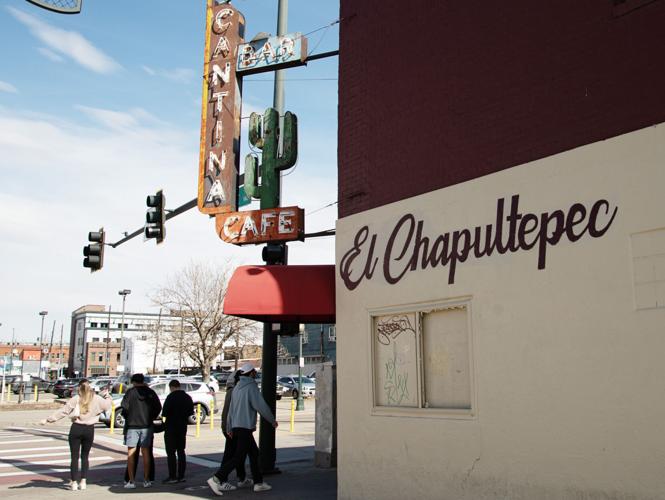
Passersby walk by the closed storefront of El Chapultepec on Tuesday, March 12, 2024 in Denver. The closed jazz club finds itself in a battle between a developer and Historic Denver, who filed paperwork to make it a city landmark after Monfort Companies decided it wants to tear it down.
Tom Hellauer/Denver Gazette
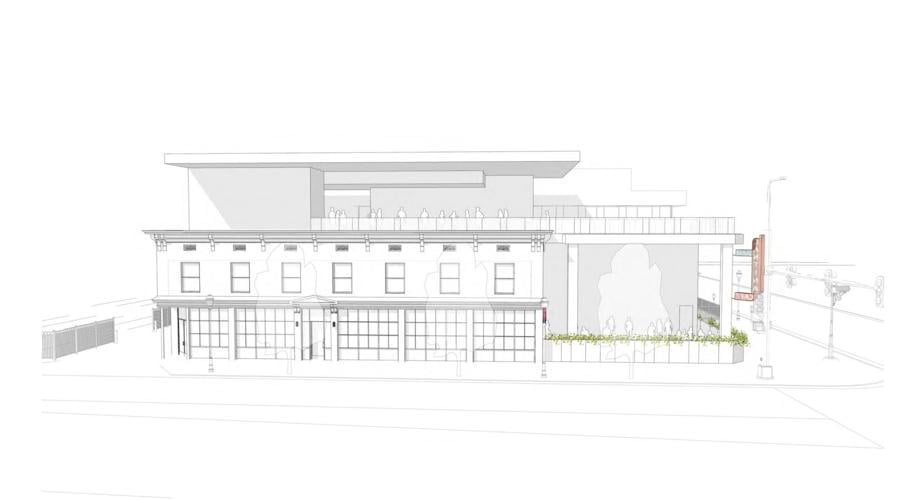
The downtown building once home to Denver’s iconic jazz bar El Chapultepec — also known as “The Pec” — is set to be demolished, its owner Monfort Companies confirmed Tuesday.
In its place will be an outdoor courtyard aimed to help transform the neighborhood near Coors Field into an nationally-recognized entertainment district, said Executive Vice President Kenneth Monfort and son of Colorado Rockies co-owner Charles Monfort.
But the plans to tear down El Chapultepec — which opened in 1933 after Prohibition ended and closed in 2020 during the pandemic — sparked backlash from Historic Denver who applied with the city to protect the building with landmark status.
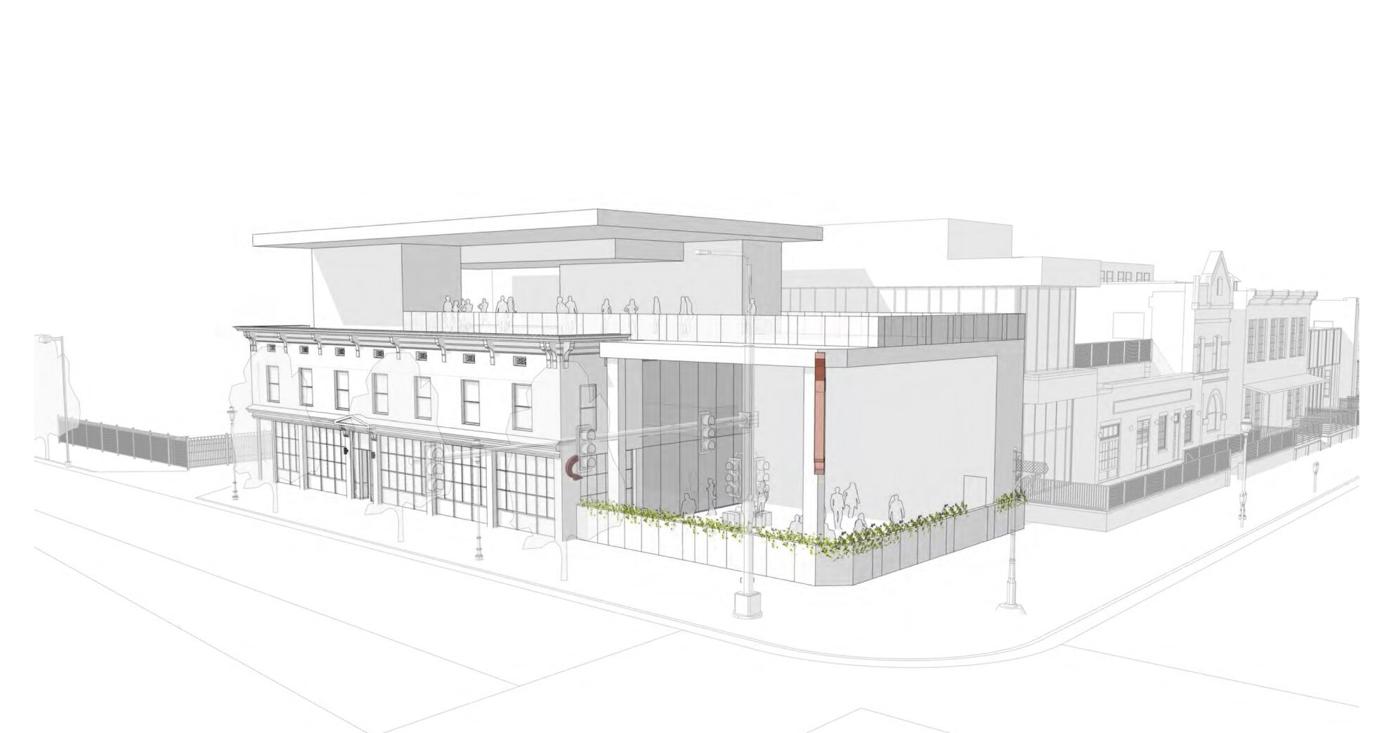
Renderings of the site where Denver's former iconic jazz club El Chapultepec after its demolished and redeveloped as an outdoor patio for the historic building next door. The demolition plans sparked outrage from Historic Denver, which aims to protect the building as a historic landmark.
Courtesy photo, Monfort Companies
Renderings of the site where Denver's former iconic jazz club El Chapultepec after its demolished and redeveloped as an outdoor patio for the historic building next door. The demolition plans sparked outrage from Historic Denver, which aims to protect the building as a historic landmark.
Courtesy photo, Monfort Companies


Renderings of the site where Denver’s former iconic jazz club El Chapultepec after its demolished and redeveloped as an outdoor patio for the historic building next door. The demolition plans sparked outrage from Historic Denver, which aims to protect the building as a historic landmark.
“The history of our city is being lost as places that tell Denver’s story, like El Chapultepec, are demolished,” said Historic Denver CEO John Deffenbaugh in a statement.
Meanwhile, the owners retorted that the building at 1962 Market St. is deteriorating and can’t be saved.
Historic Denver said the building may be “unassuming” and has “little ornamentation” on the outside, but it’s what the place represents that should be protected.
Former owner Jerry Krantz turned the jazz bar into a space where listening to world-class musicians could be affordable and accessible for anyone. Generations of the best jazz musicians came to play at The Pec as well as other musicians such as The Police, Mick Jagger, Red Hot Chili Peppers, Ed Sheeran and even former President Bill Clinton visited to perform on his saxophone in the early 1990s.
The business never reopened from the pandemic as Krantz’s family decided that the neighborhood changed too much since Coors Field was built in 1995 and repairing the building was growing to be unmanageable.
“It had survived the Great Depression, wars, financial recessions, and natural disasters. But the more development that surrounded El Chapultepec, the more it felt like a square peg in a round hole,” the El Chapultepec Legacy Project website explained.
“Denver and the development of LoDo simply outgrew the jazz giant,” it added.
Monfort Companies bought the property, along with the Giggling Grizzly, in 2022 and committed at the time to honoring its past.
The developers evaluated how to preserve the building and went through multiple designs, said the real estate firm’s development partner Matt Runyon. But the building had serious problems from aging materials to previous renovations done without permitting that further damaged the structure.
The developers said they felt blindsided by Historic Denver’s decision to fill an application to designate the building as a landmark as not much is left of the former jazz club inside.
“If you’re talking about a legacy … it was what occurred inside the four walls.” Monfort said. “Not necessarily the cinderblock walls that are falling apart.”
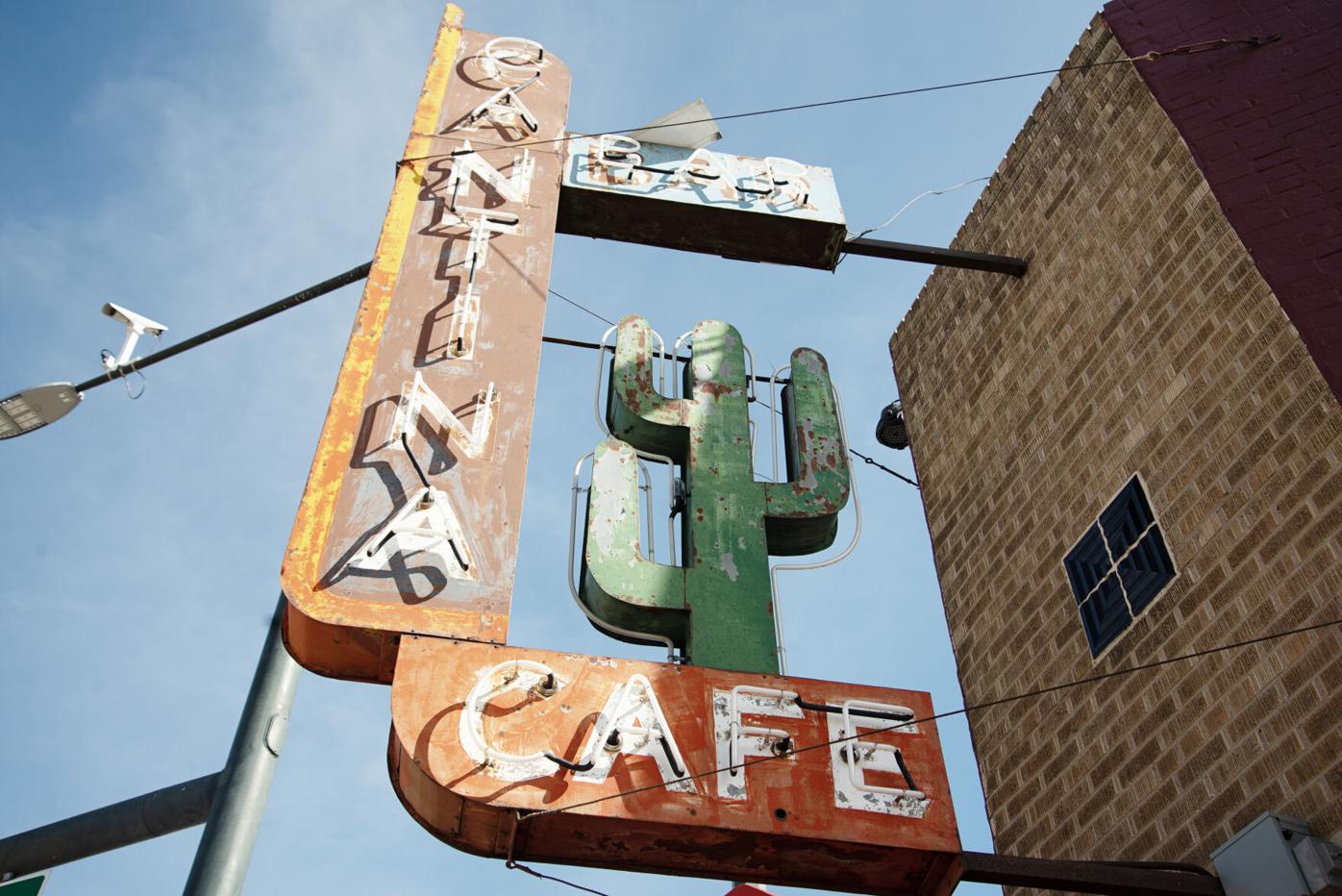
El Chapultepec's neon sign shows signs of rust on Tuesday, March 12, 2024. It will be replaced and put outside the new outdoor courtyard as an homage to "The Pec," leaders at Monfort Companies said.
Tom Hellauer/Denver Gazette


El Chapultepec’s neon sign shows signs of rust on Tuesday, March 12, 2024. It will be replaced and put outside the new outdoor courtyard as an homage to “The Pec,” leaders at Monfort Companies said.
Anyone can apply to make a building a historic landmark in Denver. Buildings have to be more than 30 years old to be considered and there’s a list of criteria ranging from architectural importance, being a home to a historical event, representing a cultural group to significantly shaping a neighborhood.
Efforts by local residents in 2021 to make the brutalist Channel 7 building at 123 E. Speer Blvd. a landmark failed after city council shut the proposal down for being too weak. Developers plan to demolish the building for apartment housing.
Monfort said they wanted to preserve The Pec’s history but it was “impossible” to save the building.
He pointed to the former Tom’s Diner on East Colfax which did get historic preservation status, but has struggled to keep business open, as a risk for The Pec building if it gets landmark status.
Renderings of the site where Denver’s former iconic jazz club El Chapultepec after its demolished and redeveloped as an outdoor patio for the historic building next door. The demolition plans sparked outrage from Historic Denver, which aims to protect the building as a historic landmark.
The company also owns the building next door, which is a historically-designated building unlike The Pec. It was recently renovated back to its historic form and two businesses — restaurant and bar Dierks Bentley’s Whiskey Row and night club Riot House — opened inside.
The demolition and redevelopment of the jazz bar building would expand the next-door building with an outdoor patio in a visible corner of the neighborhood, mixing the historic with the new, Monfort said. They’ll pay homage to the spot’s legacy by keeping the “Cantina” neon sign up on the exterior and hosting live music.
Like much of downtown, the owners are grappling with the effects of rising office vacancies since the pandemic, street safety and homelessness.
The Downtown Denver Partnership’s CEO Kourtny Garrett said in a statement that projects activating the street have “never been more important” for downtown’s vitality.
“The most impactful development projects enliven our streets and neighborhoods, and ideally contribute to safety, foot traffic, and the area’s overall economic profile,” Garrett said. “Monfort Companies’ vision for 1962 Market Street has the potential to achieve all of those things, and seeks to build upon their broader commitment to downtown’s Ballpark neighborhood.”