







Denver City Council OKs Peña Boulevard expansion study
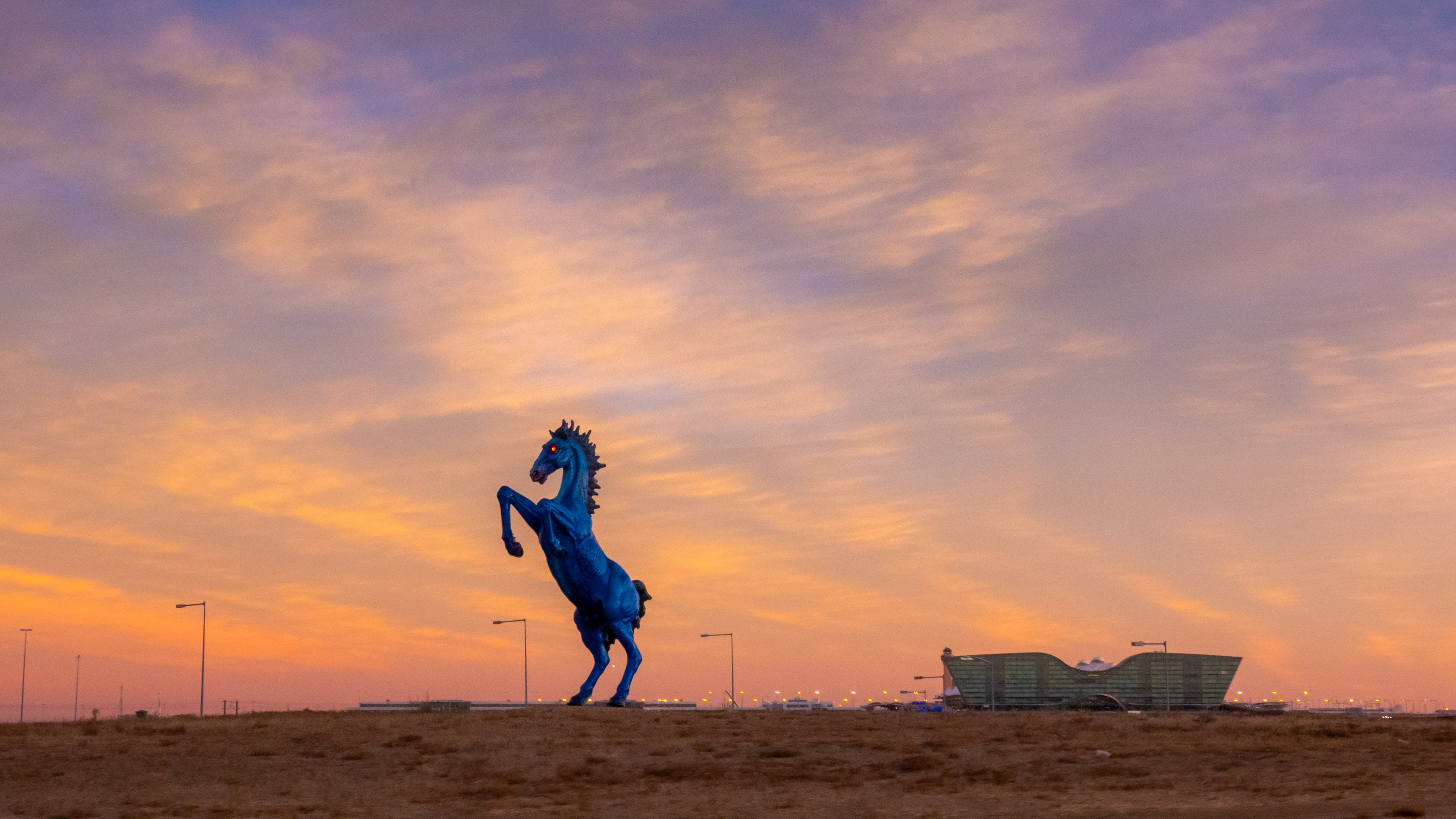
The Denver City Council on Monday narrowly approved a proposed Peña Boulevard expansion study in a 7-6 vote.
The move allows the city and Denver International Airport to accept a $5 million grant — $1.5 million of which will be used to study transportation demand management — as part of an intergovernmental agreement between the city and the Colorado Department of Transportation.
Several council members voted against the measure, arguing it doesn’t adequately explore all options available to address ongoing traffic flow on DIA’s sole road connection.
Councilwoman Sarah Parady and Councilman Paul Kashmann were the loudest voices opposing the study, though for very different reasons.
Others argued widening Peña will positively impact their neighborhood as the increased capacity from an expansion will take traffic off residential streets.
District 11 Councilwoman Stacie Gilmore said Peña Boulevard means “everything to us.”
“The east/west corridors and the north/south corridors are not properly built out in Montbello and Green Valley Ranch. They were in affluent neighborhoods, which got traffic signals and a four-lane roadway to go back and forth,” she said. “I’m concerned if we don’t do something about studying Peña, we’re going to see involuntary displacement or gentrification in Montbello and Green Valley Ranch.”
With traffic flow on Peña in its current state, Gilmore said more and more traffic, including truck and delivery services, are using roads in her district to avoid traveling on Peña or Interstate 70. These roads take this traffic — and their emissions — by schools, daycares and seniors’ homes, exacerbating “historic inadequacies and racism.”
Gilmore acknowledged the benefits of public transit but suggested expanding A-Line service would be more expensive than other council members believe, and offer limited benefit to her constituents. Many of her constituents are working class and often have to load their vehicles with tools, ladders and construction gear, she said.
“They can’t put all that on the A-Line,” Gilmore said. “That’s their livelihood and they need to get in and out of their neighborhood.”
District 6 Councilman Paul Kashmann was neutral on the prospect of expanding Peña, but said he was “horrified” by the shortsightedness from DIA staff concerning the exploration of sustainable options.
“We can’t continue to be lazy in addressing climate change… We have to lay out a roadmap for a more sustainable future,” he said. “The current plan simply lacks any degree of imagination as to how we participate in mitigating what is the greatest threat of our time: Climate change.”
Denver has aggressive climate goals, as does DIA. City plans include a goal to reduce greenhouse gas emissions 30% by next year, and 45% by 2030. The airport plans to increase transit usage to the airport by 10% by 2035, and decrease single occupant vehicle trips to the airport by 10% in the same timeframe, according to Lisa Nguyen, principal airport transportation planner.
Jet airliners, like the majority of those flying out of DIA, use kerosene as their fuel. In 2021, the Environmental Protection Agency reported aviation contributed about 8% of total transportation emissions in the U.S. By contrast, motor vehicles produced around 81%.
And that’s the sticking point for many transportation activists, who last week said the emission benefits of widening Peña would be negated after five years. Councilwoman Parady echoed this claim and said the focus needs to be on getting people to take the A-Line.
There should also be a study on increasing the robustness of RTDs connectivity to the A-Line, she said, citing the prospect of federal funds and the momentum Front Range Rail has gained.
She pointed out the lack of control the council has over RTD, which is not run by the city, but rather a 15-member board of directors. Parady, who voted against the measure, called attention to federal, state and local climate experts who have, for decades, been “sounding the alarm” on how highway expansions set back emissions goals.
“We know from decades of data that building more lanes induces more demand. You build more lanes, you get more cars,” she said. “We hear from our constituents all the time about the need to take more aggressive climate action. Now is our moment.”
