




Man found “bluish in color” and non-responsive after full burial in Colorado avalanche
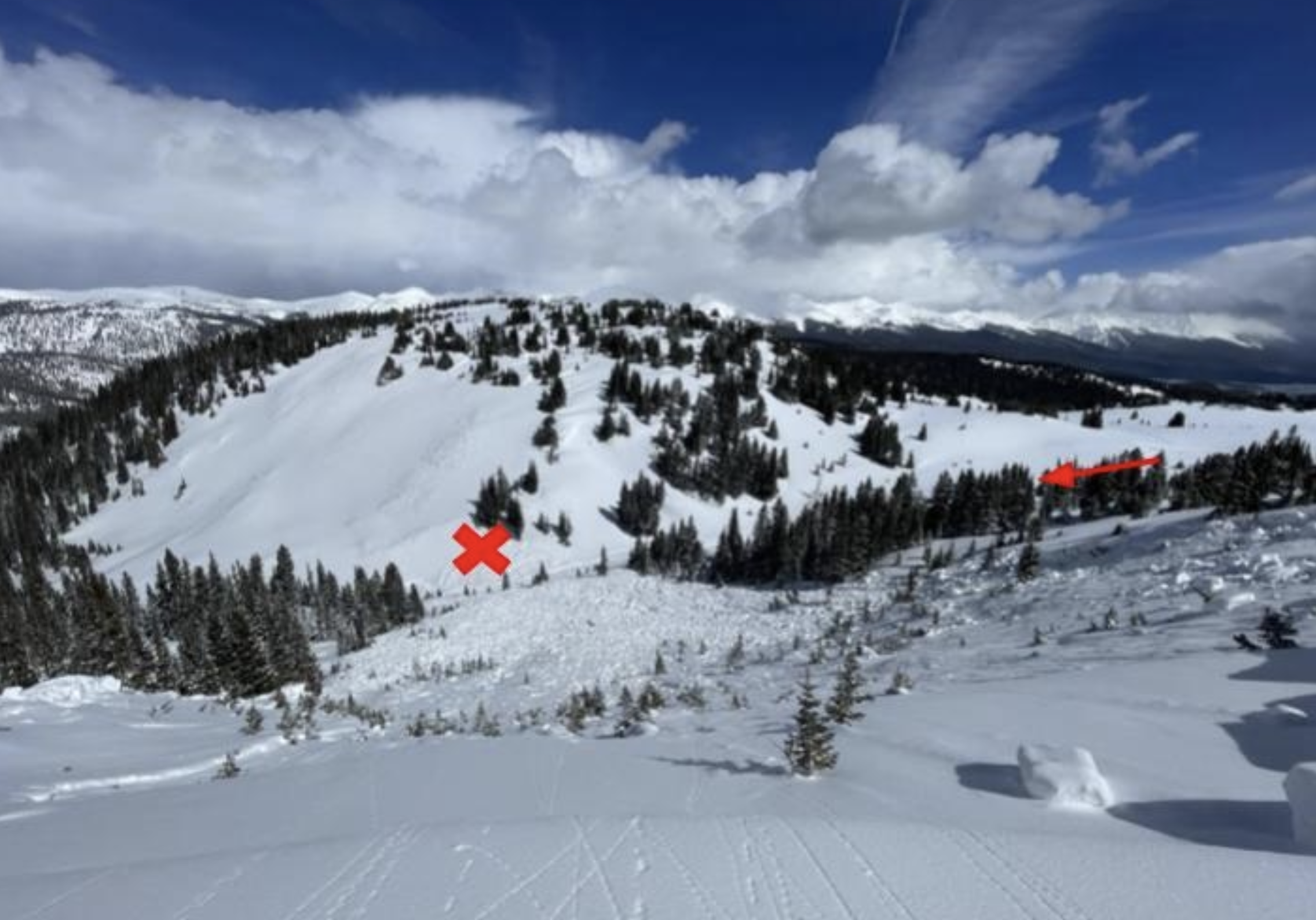
A scary situation unfolded in the Colorado backcountry on March 6, when a snowmobiler was fully buried in an avalanche that occurred in the Eyre Creek area beneath Taylor Peak and northeast of the town of Crested Butte.
The snowmobiler was with a group of four other snowmobilers at the time the accident occurred, with another snowmobiler staying back at cabins owned by the group of riders. The group had been riding in the area since March 3, having decades of prior experience in the familiar terrain.
As the group of five snowmobilers passed through a mostly low-angle area at about 11,900 feet of elevation, an avalanche broke off on a slope above that averaged about 35 degrees at about 9:30 a.m. The group of riders were spaced out at about 150 feet apart, with the second rider in the group being seen engulfed by a powder cloud by the rider traveling directly behind him. When the snow settled, it was determined the rider had been buried by the avalanche, which had broken at about 200 feet wide, running 230 vertical feet downslope.
Riders three through five immediately initiated a companion rescue by looking for the buried rider’s avalanche transceiver, also communicating with the rider ahead of the group that an avalanche had occurred. The rider who had been leading the pack returned to the scene and saw part of the buried rider’s snowmobile handlebars sticking out of the snow.
By using their transceivers, the group was able to locate the buried rider, starting an extrication and clearing the buried rider’s airway about eight to nine minutes after the slide.
The rider was pulled out of the snow, but wasn’t breathing. He was bluish in color and the group couldn’t find a pulse.
Emergency CPR was conducted by members of the group, with the group also communicating the situation back to the rider who stayed at the cabin via radio with that rider able to call for emergency rescue via satellite internet. A rider at the scene also triggered an SOS call from an emergency satellite communication device.
Ten minutes into conducting CPR on the buried rider, he started breathing again and his pulse came back, though he remained unconscious.
Despite getting the emergency call out relatively quickly, weather prevented rescue from arriving at the scene until about 1 p.m., with the snowmobiler who had been buried remaining unconscious. It then took several hours to transport the rider roughly 20 miles to an ambulance at the trailhead used to access the remote area.
The rider was then taken to a hospital, where he would eventually regain consciousness and fully recover.
Per norm, the Colorado Avalanche Information Center provided a full report regarding what went wrong and how the accident could have been avoided, though the group was also sure to point out a few things that the snowmobilers did right that likely saved the life of the buried rider.
The issue with this accident came in assuming that prior experience on the same trail was enough to determine risk didn’t exist. This proved to be wrong, with the group failing to notice tree damage in the area that was representative of large avalanches that had previously taken place. It can never be assumed that snowpack or the level of risk in an area will be the same from year to year.
While that mistake was a contributing factor to this avalanche, the group also did several things right.
First, the group was riding with a distance of separation between each backcountry traveler of about 150 feet. This can be hugely important when it comes to making sure an entire group isn’t buried in a slide. If an entire group is buried, there’s no one left on the surface to provide help to those who may need it.
Second, the group was prepared with avalanche safety gear that allowed them to find and uncover the buried rider in a timely manner. According to the USDA, a person buried in an avalanche may only have about 20 to 30 minutes before suffocation, sometimes less. In this case, the relatively quick clearing of the buried rider’s airwave helped the rider survive the situation, despite being unconscious for several hours.
And third, the group had a means of communicating with those not at the scene. They had radios and an emergency satellite communication device, which helped to expedite an intensive rescue effort.
Avalanche risk is not something to be taken lightly in Colorado’s backcountry. It’s important to remember that avalanche risk can exist on low-angle slopes due to higher-angle slopes lurking above. And don’t forget – avalanches can be triggered remotely from terrain below or otherwise outside of the avalanche path.
Always check avalanche risk on the Colorado Avalanche Information Center website prior to entering the backcountry. This will provide a good picture of what risk exists. In this case, the report on the CAIC website read:
“Dangerous avalanche conditions exist. You can trigger an avalanche on several weak layers and it can grow into a destructive and likely unsurvivable avalanche. If you decide to travel in avalanche terrain be aware that you are threading the needle. You can reduce your chances of triggering an avalanche by traveling on south and southwest-facing slopes with supportable crusts underneath the new snow. If you don’t want to thread the needle you can always stick to slopes less than around 30 degrees steep without similarly steep slopes overhead.”
If you’re interested in supporting Colorado’s volunteer-powered search and rescue operation, one way to do so is through the purchase of a CORSAR card. It’s cheap, at only $5 per year. Those looking to support the Colorado Avalanche Information Center can learn more about doing so here.
Get OutThere
Signup today for free and be the first to get notified on new updates.
PREV
PREVIOUS
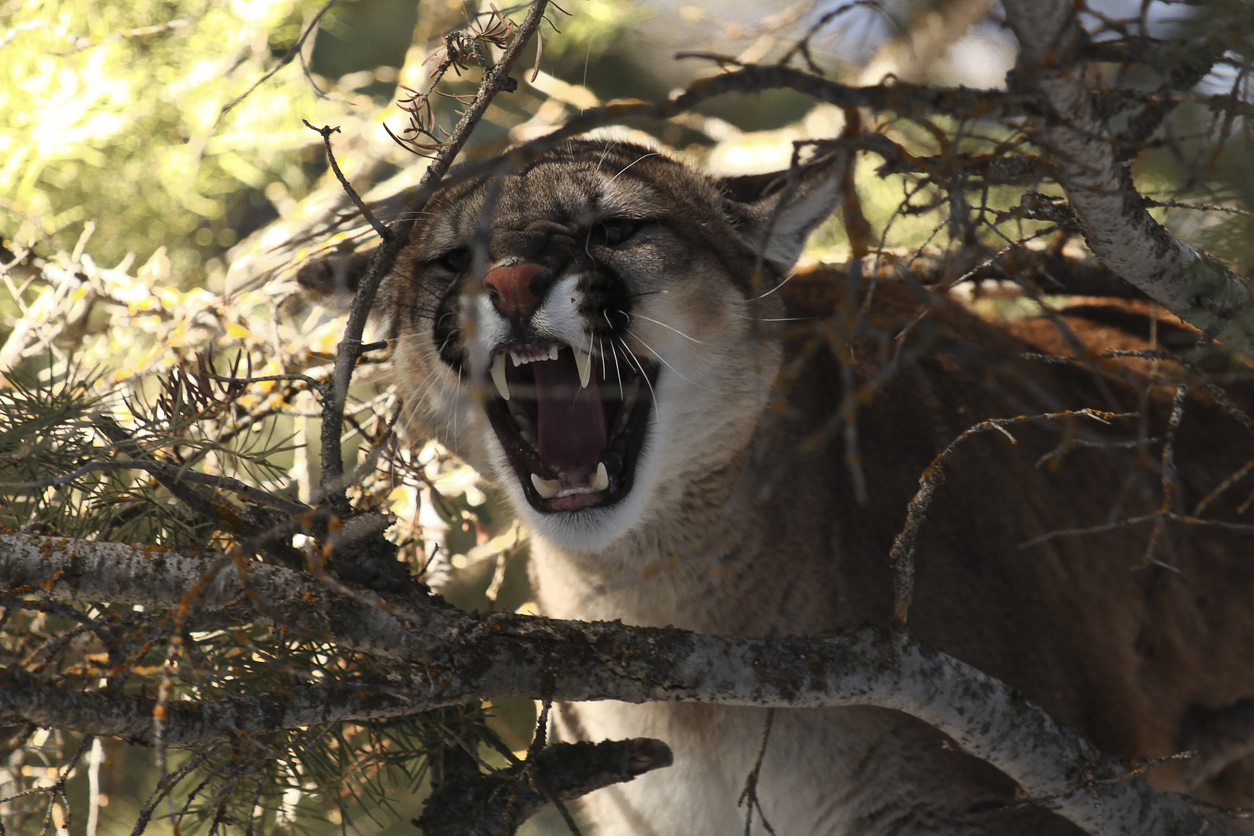
VIDEO: Mountain lion chases coyotes away from carcass in Colorado
Video footage that’s going viral online captures an animal encounter unlike one you’ve probably seen before. As seen in the broad daylight video, a mountain lion in the Estes Park area was spotted chasing at least three coyotes away from a carcass it’s guarding. The encounter took place on March 11 and was captured by […]
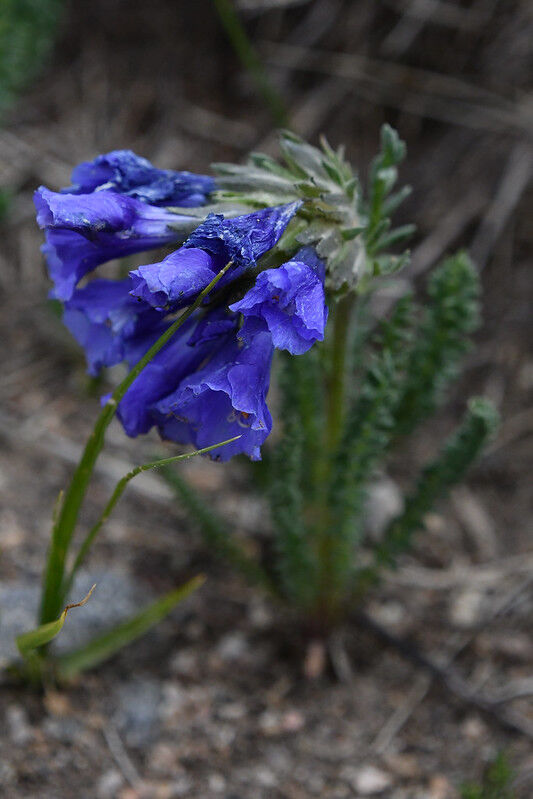
7 rare wildflowers waiting to be found around Colorado
Spring is approaching, and so is Colorado’s wildflower season. With unique habitats and locations found around the state, here are some rare wildflowers to look for in Colorado as featured by the Colorado Native Plant Society. 1. Rocky Mountain Sky Pilot (Polemonium Confertum) This flower is a native species found in alpine tundra and thrives […]