




A look at the rarely seen cat that fueled an ecoterrorism attack in Colorado ski country
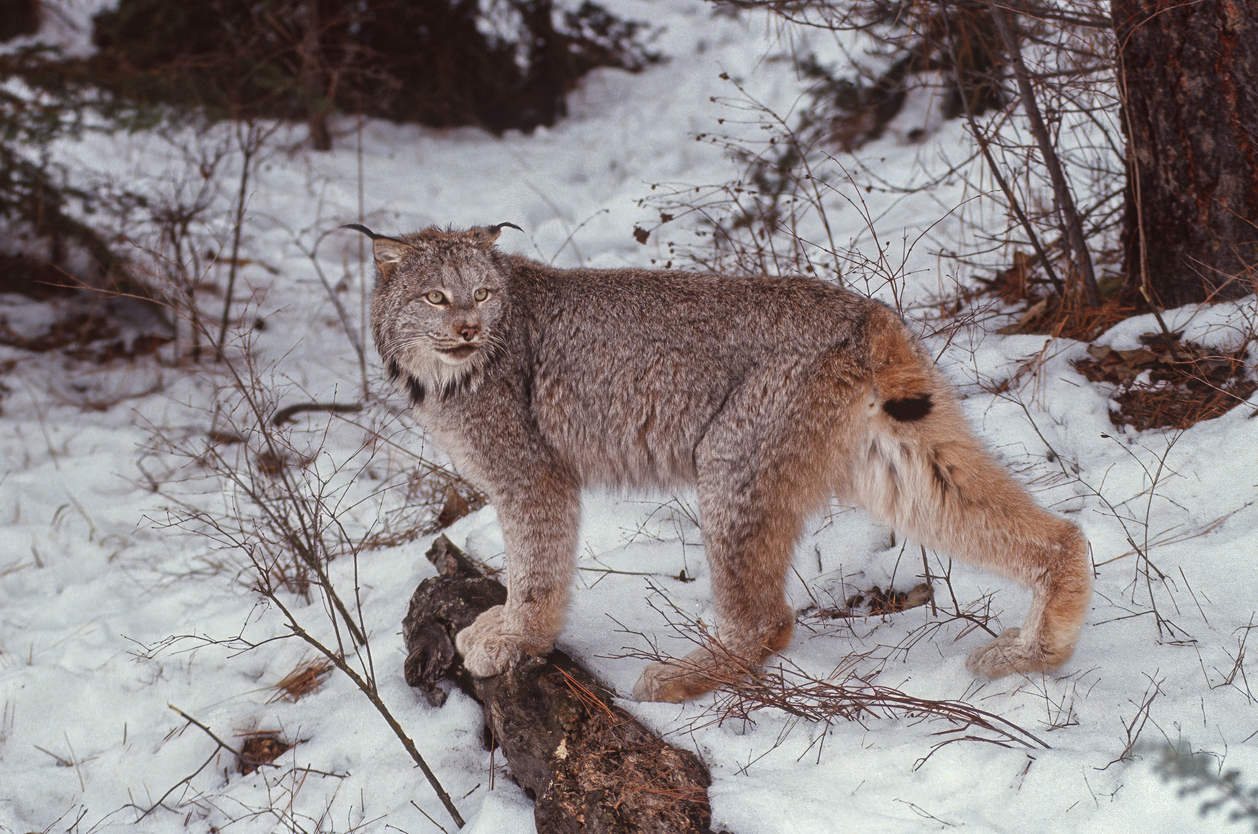
Although they once disappeared from Colorado, lynx can now be found in coniferous forests across the state – by a lucky few. While now present in the Centennial State, the lynx is still federally threatened and considered endangered in Colorado.
With long legs, large paws, and tufted ears, lynx are about as big as a medium-sized dog. They have short tails and their fur is gray to reddish-brown with muted spots.
The lynx prefers living in coniferous forests, with many different-sized trees and a thick understory. That said, they are very adaptable and can live in rocky areas, open forest, scrub brush, and even dunes. According to CPW, snowshoe hares make up about 80 percent of the lynx’s diet, so the species tends to follow its prey.
The lynx population declined and disappeared from Colorado due to trapping, poisoning, and loss of habitat, according to CPW. In the 1990s, CPW began a seven-year reintroduction effort to bring lynx back into the San Juan Mountains. The effort is considered a success, with current monitoring showing that 150-250 lynx now call the state home.
Today, CPW’s efforts focus on monitoring the lynx population, with a non-invasive and cost-efficient way to check on habitats. Teams travel on snowmobiles each winter and record footprints, and wildlife cameras are placed in forest habitats each fall.
The tale of the lynx reintroduction must also include the story of an arson attack in Vail, considered one of the worst eco-terrorist attacks in the United States. In 1998, a group of people that were part of the Earth Liberation Front, an eco-sabotage group, set fire to several lifts and buildings at Vail Ski Resort as a protest against a Vail Mountain expansion that would later become Blue Sky Basin. The attack caused $12 million in damages. According to the Vail Daily, the group claimed that the area was critical lynx habitat, and that the attack was committed “on behalf of the lynx.”
The lynx reintroduction is one of the highest profile projects CPW has worked on. CPW also says that “we’re proud of our success and are determined to stay proactive in our monitoring efforts to protect these stealthy, ear tufted felines.”
It’s also worth noting that the lynx is often mistaken for the more-common bobcat. The easiest way to tell the two apart is by looking at the tail – the lynx’s tail is pure black, while a bobcat’s tail tends to have more variety in coloring.
Get OutThere
Signup today for free and be the first to get notified on new updates.
PREV
PREVIOUS

Fine-dining spot boasts one of best 'restaurant views' in Colorado
Those looking for a fine-dining restaurant that comes with stunning mountain views, memorable food, and an intimate vibe should be sure to check out Grand View at Garden of the Gods Resort in Colorado Springs. Let’s start with the scene – the restaurant’s panoramic windows show off Pikes Peak from what’s perhaps the best viewing […]

8 places to get up-close and personal with dinosaurs in Colorado
Dinosaurs once roamed around Colorado many years ago, and today, the state is full of places to learn about these fascinating prehistoric creatures. As well as simply viewing fossils, the following places offer everything from hands-on, interactive experiences to displays that feel like ‘real-life’ encounters. From museums to paleontological sites, here are eight places to […]