







Auon’tai Anderson, Denver schools settle constituent lawsuit over Facebook blocking
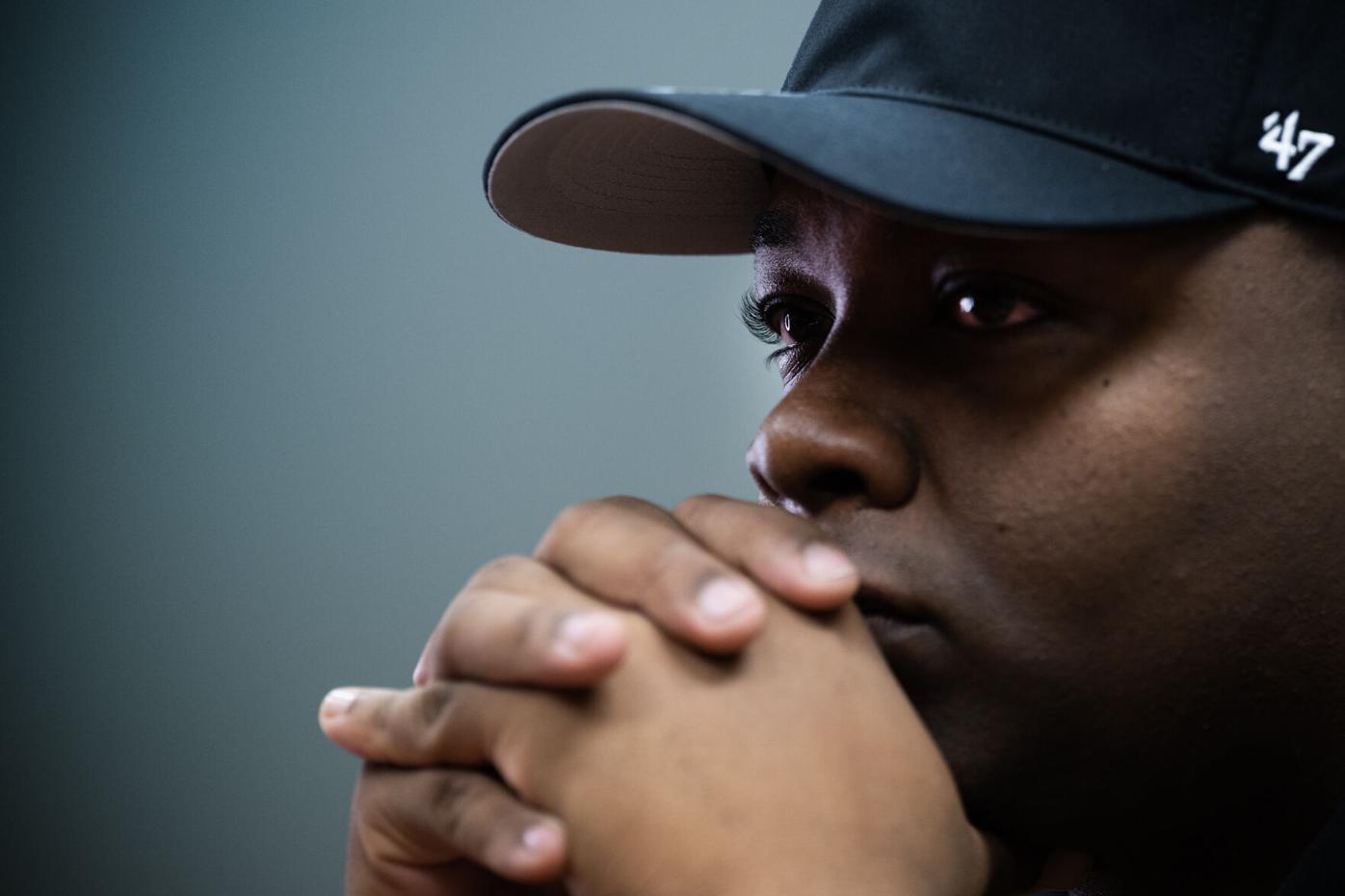
Timothy Hurst/Denver Gazette
Former Denver Public Schools Board Vice President Auon’tai Anderson and the district paid $25,000 combined to settle a lawsuit brought by a constituent Anderson blocked on his public Facebook page.
According to the March 28 settlement, Anderson agreed to unblock Eve Chen, who, in July, posted the following: “Where can I email to ask for an unredated investigation report against you as a tax payer? As a taxpayer I think I am entitled to read that too.”
Chen’s post referred to a 96-page redacted investigative report into sexual assault allegations against Anderson.
In response, Anderson blocked her and deleted Chen’s comment.
“Anderson was employing a familiar playbook used by authoritarian leaders across the globe, from Donald Trump to Vladimir Putin, and we are glad to get a result that puts an end to these tactics by him,” Andy McNulty, Chen’s attorney, said in a statement. “Other officials across the state should take notice and immediately cease any efforts to censor people online or prepare to face the same consequences.”
McNulty added: “It’s more common than you think.”
Anderson said Tuesday he is grateful to end this legal chapter.
He also took a swipe at Chen in a statement he provided to The Denver Gazette.
“While this resolution came at the expense of ta-payer dollars that could have been directed elsewhere, I hope Ms. Chen has the money she needs to now take care of herself and her family,” Anderson said.
“Individuals who are seeking financial support should not have to turn to frivolous lawsuits against elected officials but seek our help so that we can find them the resources that they need.”
Chen called Anderson’s antics nonsense.
“It’s another example of not taking responsibility for his actions,” Chen said. “It sounds like he has not learned from his own lessons.”
The way Anderson sees it, blocking Chen did not mean she was “entirely cut off from communication.”
McNulty — a civil rights attorney who has represented a number of constituents over the past five years with similar claims — disagreed.
He pointed to the U.S. Supreme Court’s decision in Lindke v. Freed, which held in October that the First Amendment protects a citizen’s online speech from government censorship. In the Anderson case, a public official at the center of the ruling used his Facebook page for personal and state business.
“If page-wide blocking is the only option, a public official might be unable to prevent someone from commenting on his personal posts without risking liability for also preventing comments on his official posts,” justices found. “A public official who fails to keep personal posts in a clearly designated personal account therefore exposes himself to greater potential liability.”
Anderson was elected to the school board in 2019.
He did not seek reelection last year to campaign for the seat held by Rep. Leslie Herod, D-Denver, but later dropped out of the state race.
While serving on the board, Anderson was frequently a lightning rod for controversy.
Last month, a Denver District Court judge ordered Anderson to pay $61,000 in attorneys’ fees to Black Lives Matter 5280 and an activist Anderson sued in 2021 claiming defamation over online allegations that he had committed sexual assault.
An independent investigation commissioned by the district the same year found Anderson did appear to make unwelcomed or inappropriate sexual comments, including “flirtatious social media contact with a 16-year-old” student while serving as a board member.
The investigation did not substantiate the most serious claims — that Anderson had assaulted multiple women and victimized more than 60 high school students.