







Defense expert: Buen acted reasonably when he shot and killed Christian Glass
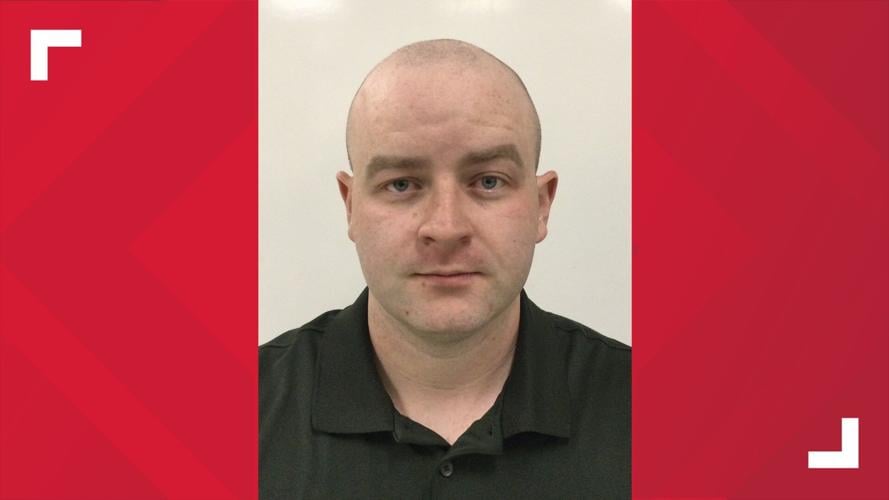
Andy Buen, 30, is accused of second-degree murder, official misconduct and reckless endangerment in the 2022 shooting death of Christian Glass, 22. His trial continues this week in the Clear Creek County Courthouse in Georgetown, Colo.
Courtesy photo, Gilpin County Sheriffs Office
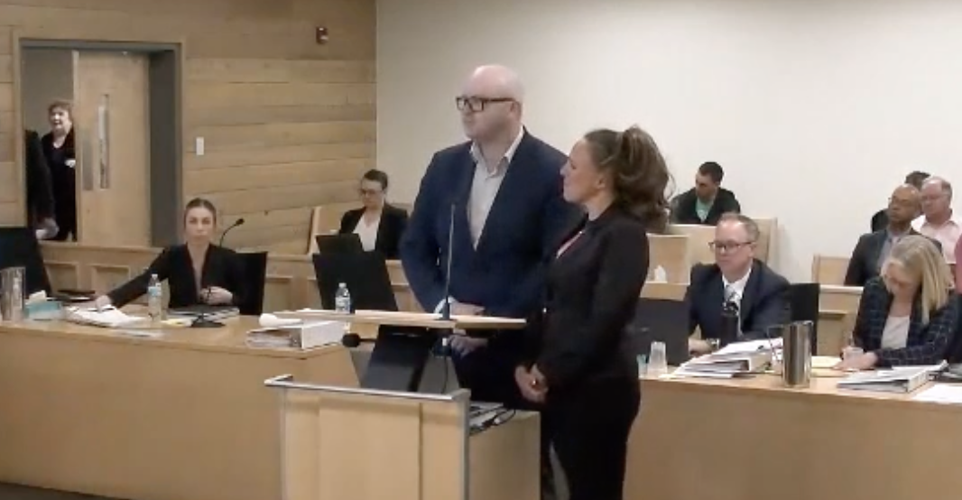
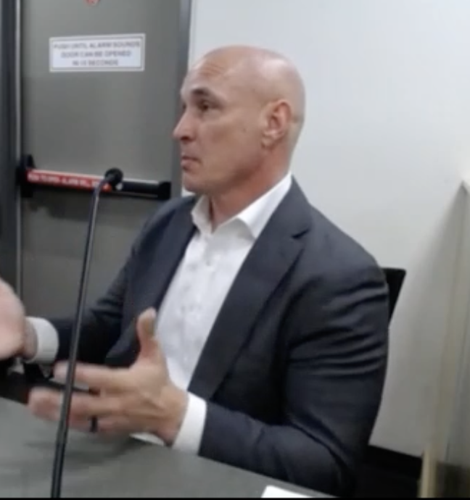
It was reasonable for a former sheriff deputy to shoot Christian Glass five times, killing him, because Glass was using a knife to threaten another officer standing close to his car, a use-of-force expert testified on Monday afternoon.
“Officers are trained to shoot until the threat has ceased and sometimes death is a byproduct of that,” Von Kliem of Force Science told the 15-person jury.
Former Clear Creek County Sheriff’s Office deputy Andy Buen is on trial for shooting Glass at the conclusion of a 70-minute standoff as a team of officers from multiple agencies tried in vain to coax the 22-year-old out of his SUV in June of 2022.
As the day ended, 5th Judicial District Judge Catherine Cheroutes called Buen to the courtroom podium and asked him if he wanted to take the stand in his defense. He first balked, unsure if he was using the correct legal language to answer, and then when prompted, said that he did not want to testify.
Buen is facing charges of second-degree murder, reckless endangerment and professional misconduct in Glass’ death. He’s pleaded not-guilty to all charges.
Kliem, a former police officer and attorney, added that Glass’ behavior that night raised concerns by responding officers and set the scene for his death.
When officers responded to his 911 call, Glass had a knife in his lap and his car windows rolled up, a situation that Kliem said was unusual for a person who initially wanted help getting his vehicle unstuck.
Prosecutors have said that Glass was afraid for his life, but Kliem called his behavior that night “non-compliant.”
A ‘psych issue’
Kliem said that Buen acted consistently with police practices during the standoff, although he admitted that the former deputy’s verbal demands “were not the most effective way to generate compliance.”
When Buen first got to the scene, he told Glass to relinquish his car keys and get out of the vehicle.
When 5th Judicial Chief District Attorney Stephen Potts pressed him, Kliem said that officers shone bright lights into Glass’ car from the front and from the back, even though they repeatedly referred to the situation as a “psych issue.”
The trial is in its 7th day.
A confusing situation
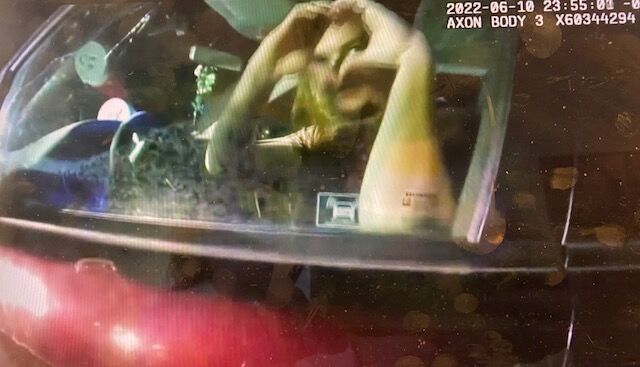
The police body-worn camera footage from the night of June 10-11, 2022 showed that, when Buen and his partner Tim Collins, also a former Clear Creek County sheriff deputy, first arrived on the scene where Glass’ SUV was stuck near Silver Plume, they didn’t know exactly what they were getting into, Kliem said.
Buen and Collins thought that they were responding to a “motorist assist” but they did not find Glass standing outside of his vehicle looking for help.
“This was not consistent with a typical ‘motorist assist,’” said Kliem. “Police didn’t know that this was a mental health crisis when they first got there. It could have been DUI, an injury or a consideration for a mental health hold.”
Buen first broke Glass’ car window, fired six bean bag shotgun rounds at him, tased him and then shot him five times.
Kliem told the jury that Buen emptied his weapon because Glass was waving a knife out of an open window toward former Georgetown Marshall Randy Williams, who was standing close to the driver’s side of the car.
“You don’t get to stab an officer or place an officer in fear of bodily injury or death,” said Kliem.
He said that Williams provided the opportunity for Glass to stab him.
“How are officers supposed to respond to that?”
Last week, prosecution use-of-force expert Seth Stoughton said that Glass stabbed in the air at Williams three times but the video footage showed that the knife did not touch him. Kliem testified he saw the knife touch the taser that Williams was holding.
Williams said in police interviews that he was not in fear for his life, but two of the officers who were present that night, Brittany Morrow and Collins, said that they thought Glass was a lethal threat to Williams.
Kliem described Glass’ posture that night as one of “armed resistance.”
He was on the stand for the defense all day.
Also called to testify Monday was investigator Jason Evans, who assessed Glass’ 2007 Honda Pilot. He described for defense attorney Carrie Slinkard photos of evidence he found in the cluttered car, including a vape pen, stones, a marijuana container and a joint that had dried blood on it, a large stick in Glass’ vehicle, a first aid kit, knives, needle-nosed pliers, scissors, and a box cutter.
Testimony last week revealed Glass was a rock collector, so he had those type tools in his car, as he was returning from a rock-collecting trip.
The trial will resume Tuesday morning.