




Farm animal sanctuary near Colorado Springs provides home for abandoned, abused livestock

It was after midnight on a cold, dark December morning when Carrie Thornburgh found herself with a hand up inside a pregnant goat.
The doe was in labor at Thornburgh’s farm animal sanctuary in Peyton, but her kid was stuck — only one leg had made its way into the world and all Thornburgh could feel was the top of the kid’s shoulder. And labor was going on too long, stretching toward two hours, when goats typically give birth in 30 minutes. It was a problem.
After calling around to vets, Thornburgh finally found one in Larkspur who agreed to come out at 2 a.m. to OutPaws’ Sweet Home Sanctuary. She looped a shoestring up around the kid inside her mom and pulled her out.
“She’d been there so long we thought she’d be dead, but she came out breathing,” Thornburgh said. “It was a snowy night and she (the vet) said go to the house, get a hair dryer quick to get her dry and warm. We did and she’s a snuggler. She’s very bonded. And mom’s OK, she’s tiny.”
Goats help Colorado Springs property owners with fire mitigation
Delivering a goat was a first for Thornburgh, who only knew about raising horses and potbelly pigs.
“You don’t realize these guys are tiny, so male vets can’t stick their hand in,” she said. “It won’t fit.”
It’s only one of many anecdotes born of founding and running an animal sanctuary. Thornburgh, a longtime plaintiffs, personal injury and workers compensation attorney with her practice, got into the animal rescue niche in 2014 with a foster-based dog and cat rescue in Denver.
At the end of 2020, she was set to move to New Mexico to build another rescue facility until everything fell through. Serendipitously, one of her former volunteers offered her the Peyton property, which turned out to be an ideal location. She settled onto the 80 acres three years ago and changed the focus of her nonprofit to farm animals. Private tours are available.
“We’re educating people about farm needs for farm animals and that they need love and compassion just as much as dogs and cats do,” Thornburgh said.
Right now 118 goats, pigs, dairy cows, sheep, ducks and turkeys live at the sanctuary. Naturally, most of them stay outside, minus Green Bean, the hen turkey, who needs to live separately from the other two hen turkeys, who are also separated, as the large birds are known provocateurs who thrive on bloodying each other.
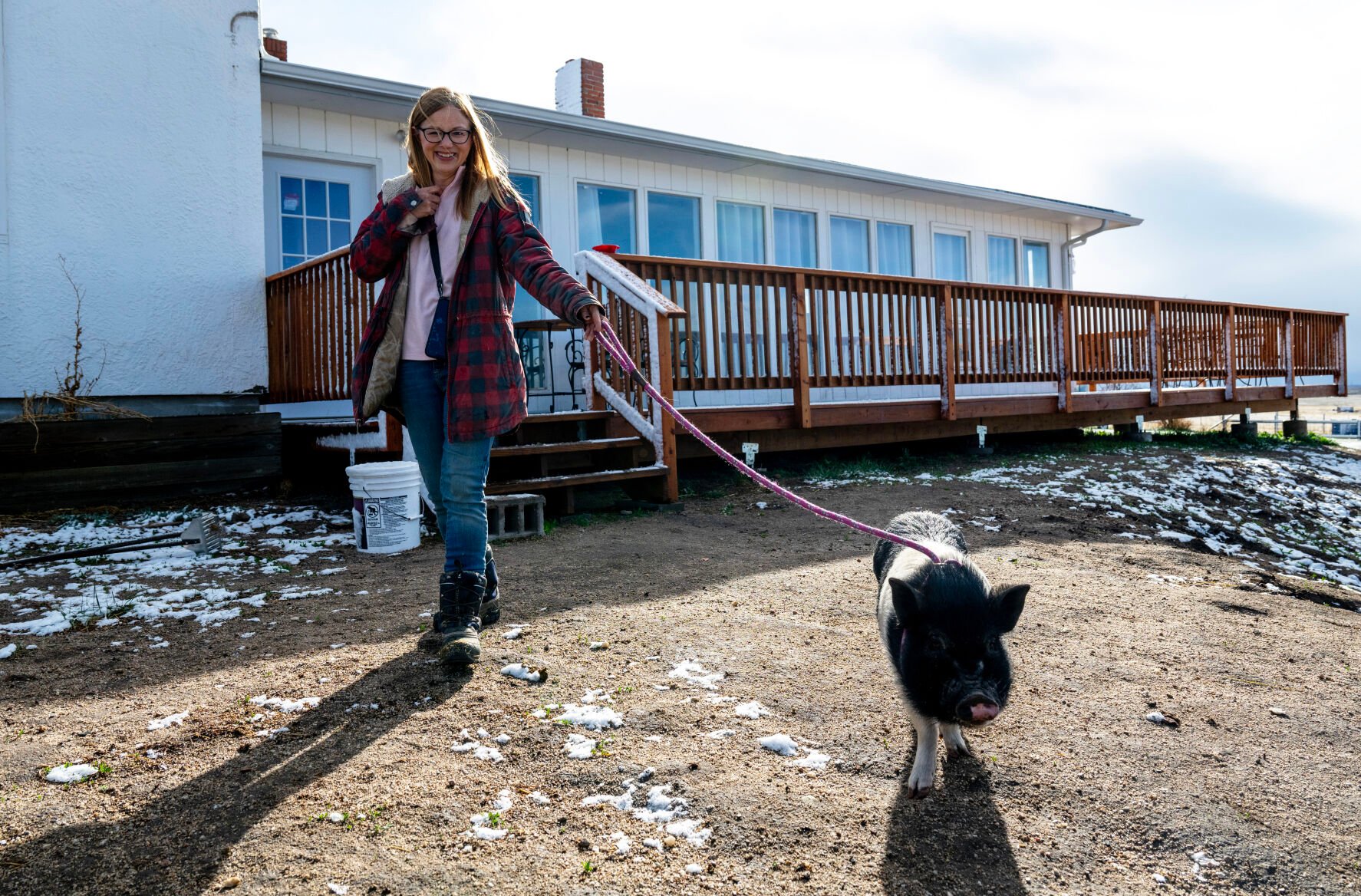
Squirt, a sweet little black and white pig, also loves to lounge inside at night until going to sleep in his indoor pen. The 18-month old arrived a year ago after a developmentally disabled young adult took him from someone giving him away in a Walmart parking lot in Wyoming. Her parents weren’t on board with the random adoption and found Thornburgh, who adores the 50-pound snorter: “He likes to get on the couch and cuddle.”
Also joining Squirt inside are seven dogs, including one who uses a customized cart because her back two legs were seriously injured by previous owners, four cats and four bunnies, who will move into the bunny shed outside as soon as a fence is finished.
Bold, sweet, personable pickpockets: Meet the Abyssinian ground hornbills at Cheyenne Mountain Zoo
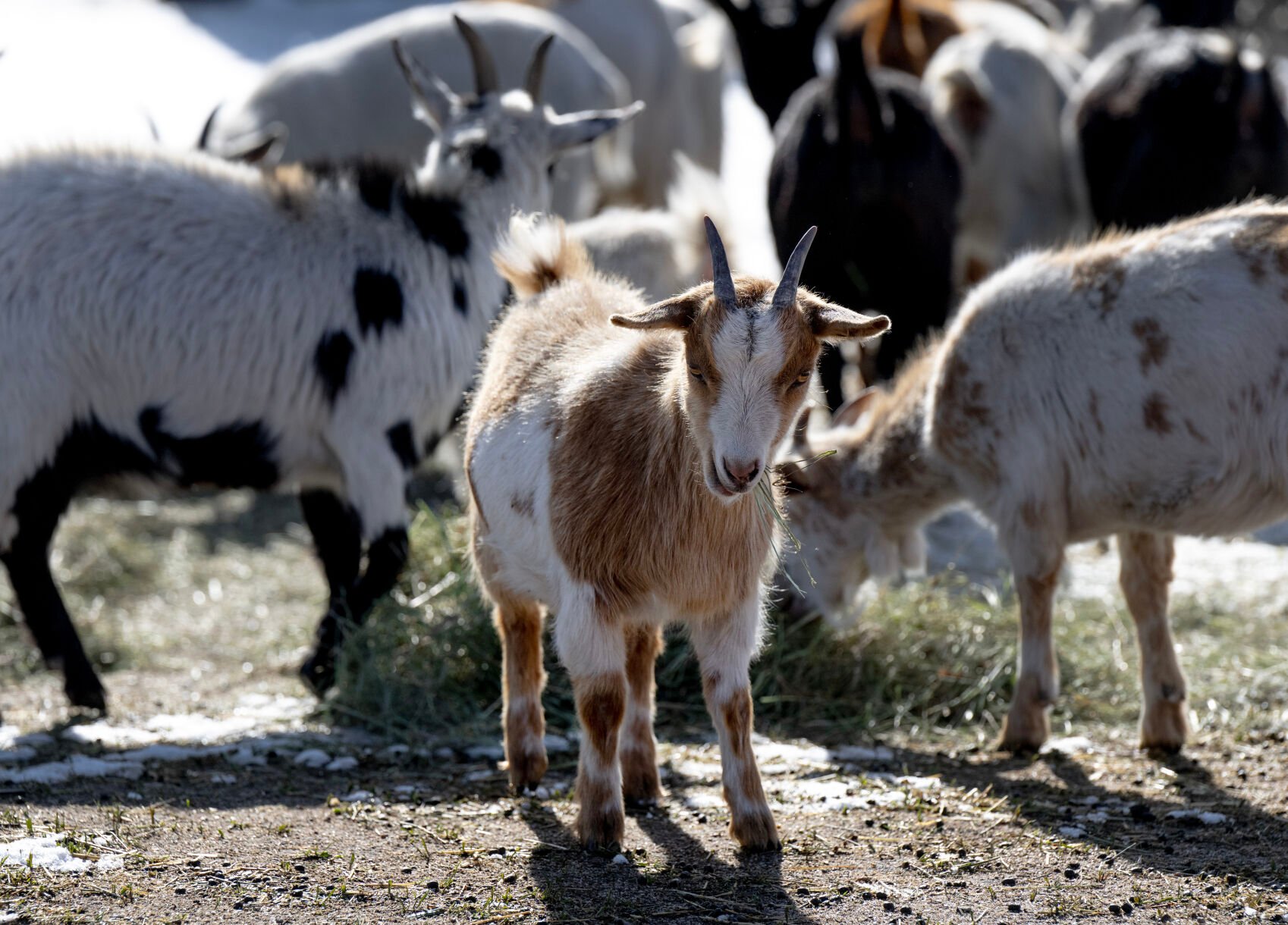
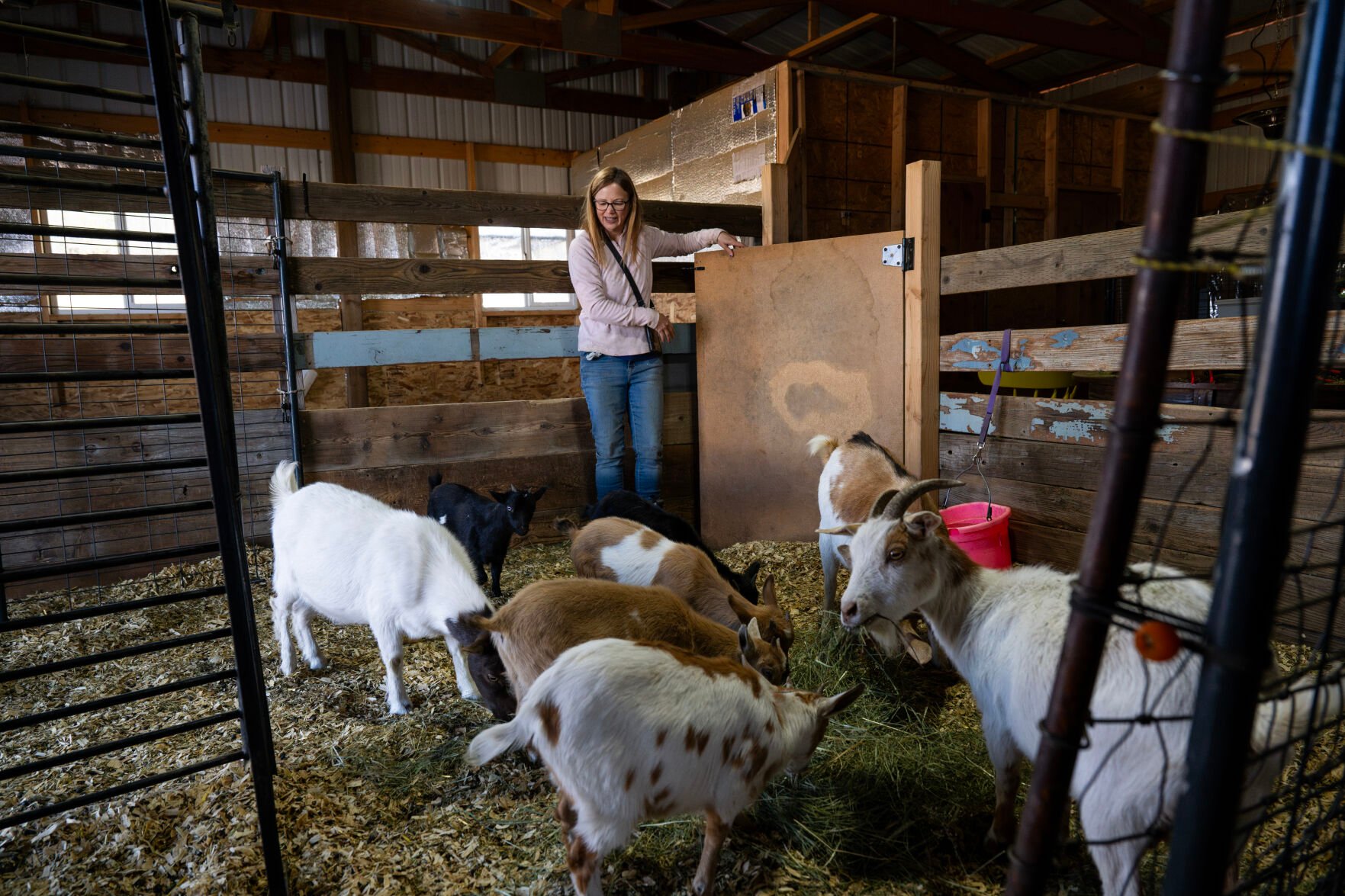
Most of these animals will live out their lives at the rescue, though a number of goats are available for adoption after a hoarding situation deposited 58 Nigerian Dwarf females at the sanctuary in October. Sixteen of them were pregnant and started giving birth in November, which is how Thornburgh wound up with her hand up a goat.
“I was up every three hours for three weeks delivering babies,” she said.
As Thornburgh walks her property on an overcast March day, her happy herd of does, each named after a flower from A to Z, like Begonia and Violet, chase each other in circles around a shed in the pen, rear up on their hind legs in preparation of a good head butt, and bleat and baa their chatty, little goat hearts out. A second herd of does and their kids live in another pen alongside the sheep. Though many are ready for new homes, some will stay simply because they captured Thornburgh’s heart.
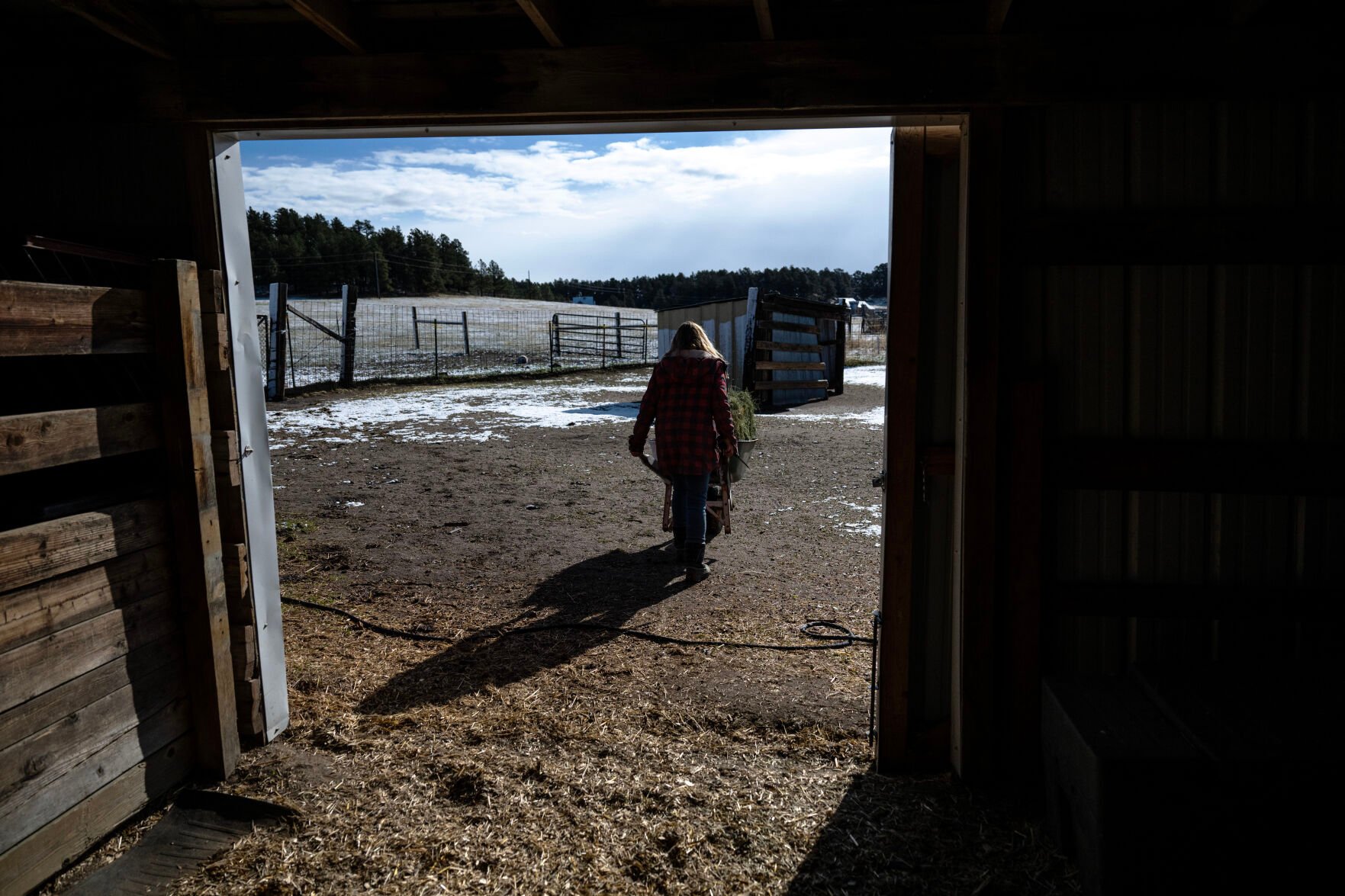
“Carrie’s the heart of the operation,” said farm volunteer Nick Palensky. “The sheer amount of time, energy and effort she gives day in and day out, in any weather and any situation, to these animals is absolute and thorough.”
Outside a barn live a flock of ducks separated into males and females, except big boy Raisin, who gets to live with the ladies because the other guys were picking on him. The two sexes are separated because boy ducks are known Lotharios — and Thornburgh doesn’t want them bugging her girl ducks for amore.
“People get ducks from the feed store when they’re young and cute and then go dump them at the local ponds and think they can live and they can’t,” she said.
“They’re domesticated. We breed them for meat and they’re bred to be too heavy on the front so they can’t fly like a wild duck.”
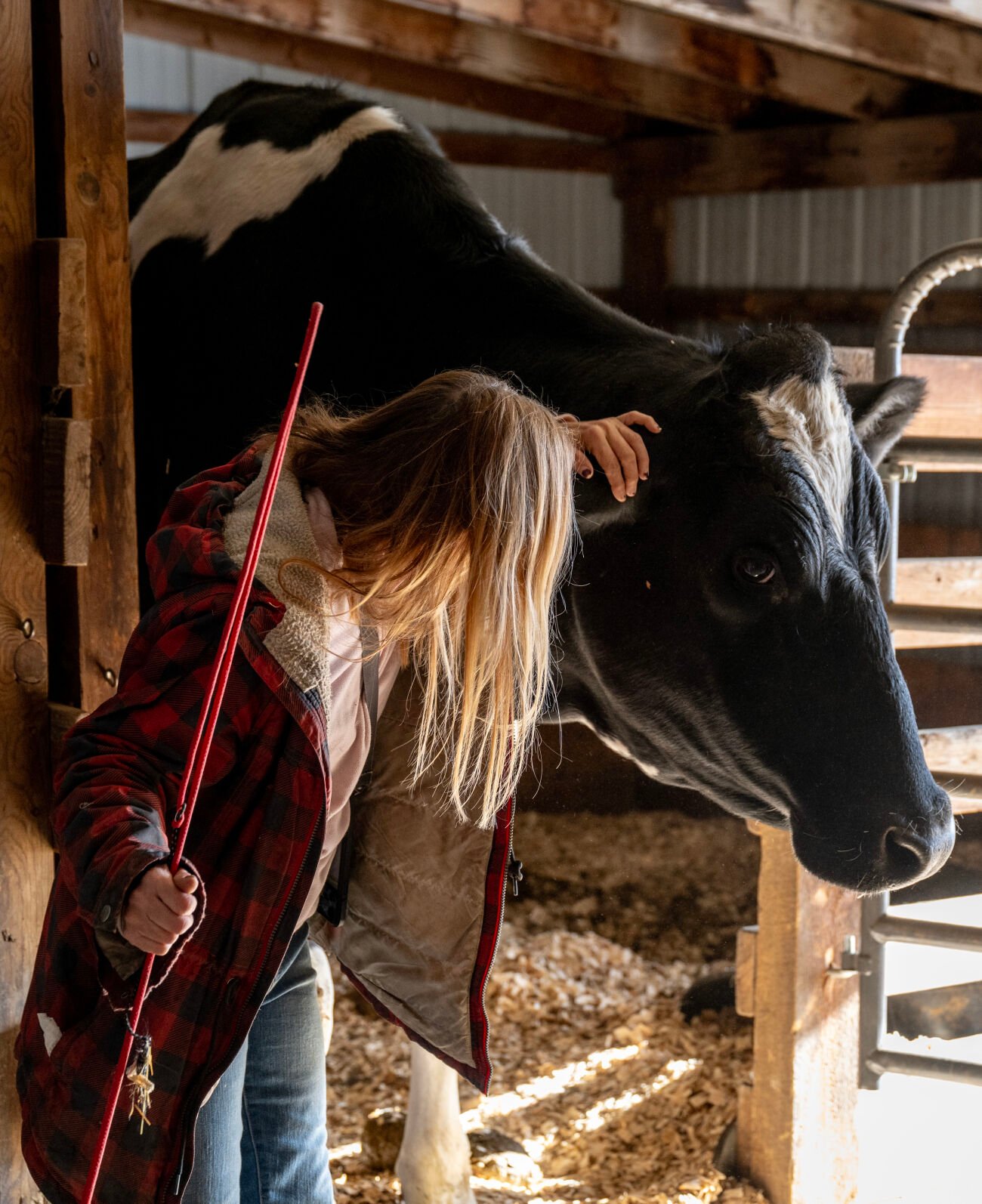
Three boys who won’t be going anywhere anytime soon are Tim, Milkshake and Chance, all dairy cow discards.
Bird Call: Monogamy lessons from birds (DG PRINT)
“People don’t realize this, but to get milk, cows have to stay pregnant, so male calves are just discards. They’re just trash,” Thornburgh said. “They get taken away from their moms, usually even before they have colostrum, and thrown in the discard pen and sold off for a couple hundred bucks or sent to veal farms or slaughtered.”
Rounding out the menagerie is Huck Finn, a giant white pig who’s taken a disliking to poor, little Squirt, so the two are kept separated. Thornburgh suspects Huck might be jealous after being an only pig. He jumped off a meat truck in Nebraska when he was 3 weeks old and arrived at the sanctuary in a cat carrier.
The big guy’s happy to share living quarters with Fezzik, named after the giant from “The Princess Bride” movie, who was dumped in the middle of the night in a wildlife rehabilitator’s driveway in Divide. There’s one more pig on the property — Vincent Van Gogh, named for the artist who lost his ear. Vinnie also lost an ear to what a vet suspected was intentional torture on the part of his former owner.
“At first he’d lunge at us and bite. You could tell he was scared,” said Thornburgh, who went to capture him after people found him running loose in Black Forest on a dark, snowy night in December.
“He and Squirt will be buddies once he gets neutered. He’s learning slowly but surely nobody’s going to hurt him.”
Bird Call: There’s a murderer on the loose
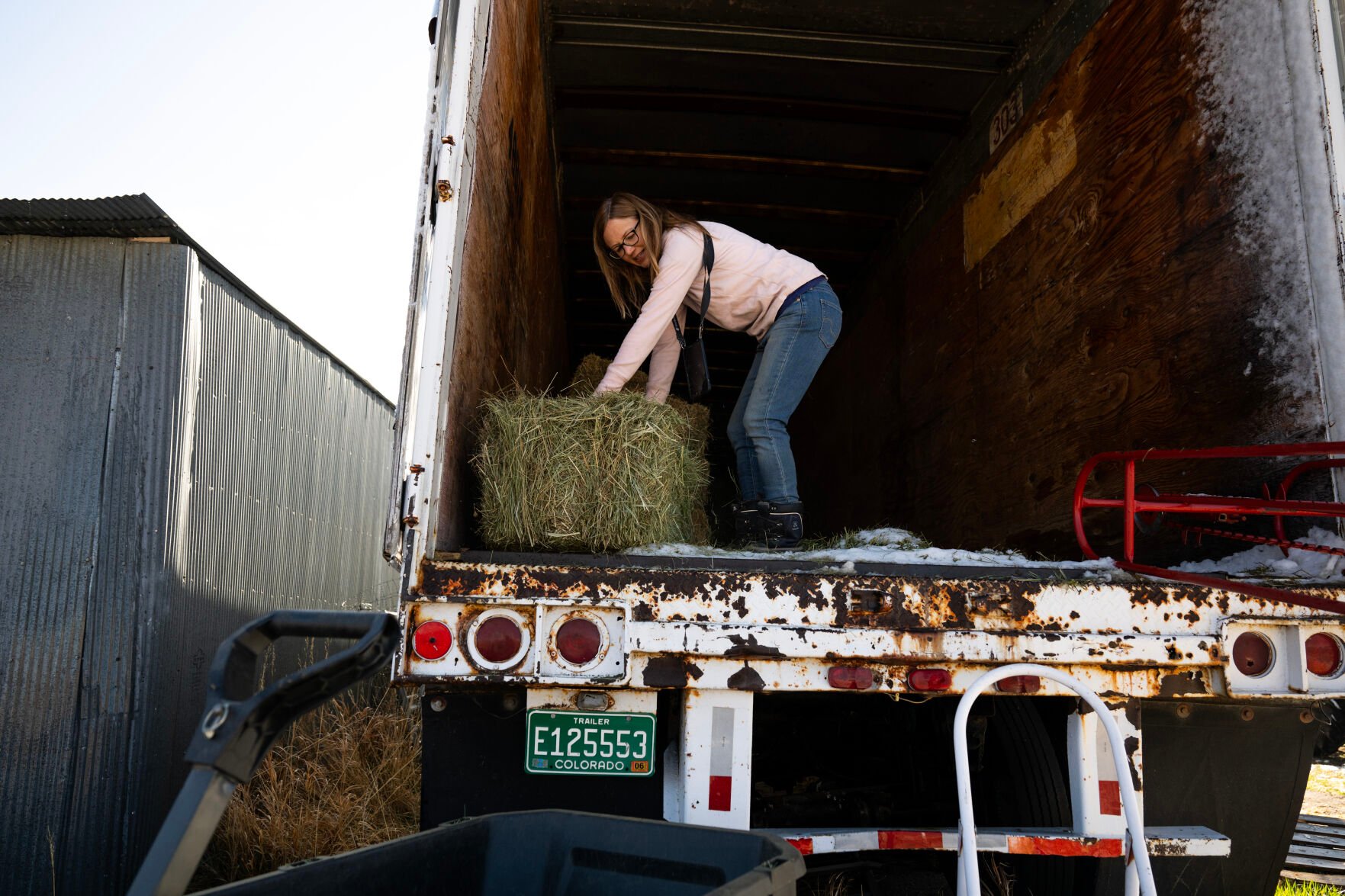
There’s no room at the inn right now, thanks to the influx of goats, but the sanctuary will accept more animals once they get adopted out. Thornburgh will take in what she can depending on what space is available when people reach out. She’d consider more cows, but definitely pigs, sheep, female ducks and a tom turkey. And she’s always grateful for more volunteers, who help her unload hay, build fences, restore electricity when storms pass through, and capture loose animals who need homes.
Palensky has been volunteering at the farm once or twice a week since October, helping maintain the animals’ living spaces and making sure they’re well taken care of. And it doesn’t hurt he gets to cuddle baby goats and pet his favorite resident, the big, brown cow Tim.
“The concept of treating all these animals with the same dignity and respect and care that we give to dogs and cats as pets is an important thing,” said the Colorado Springs resident. “I see the same love, affection and intellect in the animals we have out here. I wasn’t fully aware of that until I got the opportunity to interact with them.”
Perhaps unsurprisingly, all the stories of animal cruelty Thornburgh has heard over the last few years, as well as bonding with her critters, prompted a paradigm shift for the animal lover. Right around the same time she opened the sanctuary, the former meat eater went vegan.
“When you learn where your food comes from it’s a no brainer,” she said.
What put her over the top?
“Probably the dairy cows and seeing what the babies go through,” she said. “Pigs kill me, too, when you see videos of slaughterhouses. Pigs are extremely intelligent and very emotional and it’s devastating. They’re not even a year old when they get killed.”
Contact the writer: 636-0270
Get OutThere
Signup today for free and be the first to get notified on new updates.
PREV
PREVIOUS
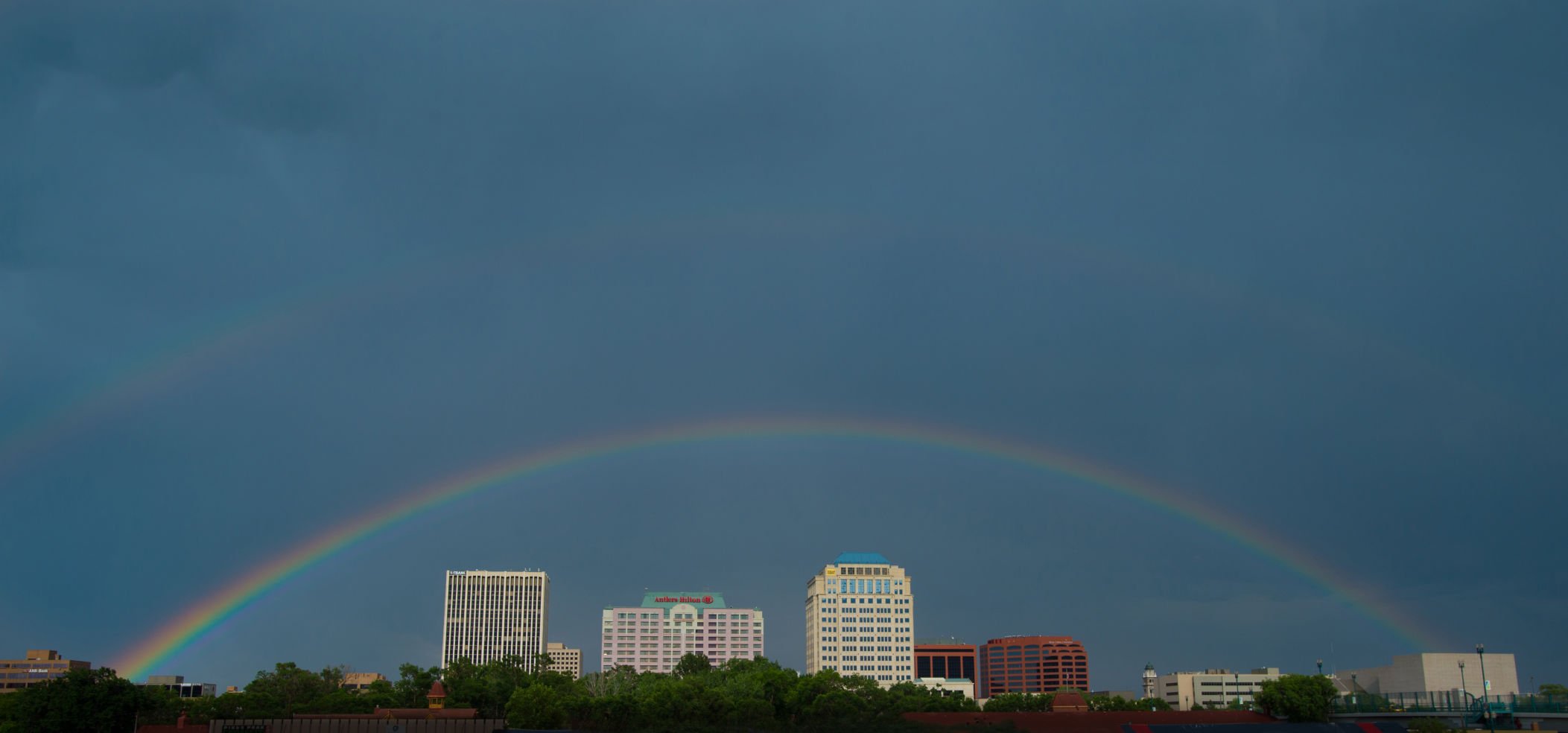
Proposed 36-story high-rise in downtown Colorado Springs spurs views vs. vibrancy debate
Colorado Springs has never had much of a downtown skyline, at least, not by other cities’ standards. Call it more of a lowline. The 247-foot, 16-story Wells Fargo Tower that opened in 1990 is downtown’s tallest building and tallest in Colorado Springs history, city planning officials say. The First Bank and Colorado Square buildings and […]
Nuggets-Timberwolves Game 1 recap
Vinny Benedetto and Tyler King recap the Nuggets’ Game 1 loss to the Minnesota Timberwolves at Ball Arena on Saturday.